Understanding the Value of Turquoise Rings
Overview of the Topic
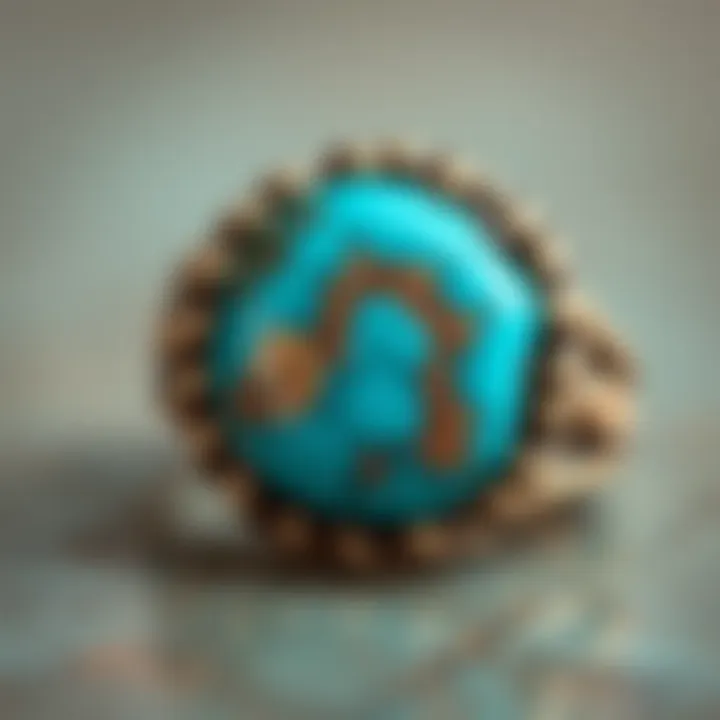
When we talk about turquoise rings, we are delving into a realm that is as vibrant as the stone itself. Turquoise isn't just a gem; it's a thread woven through various cultures, a piece of jewelry that often holds stories just like the people who wear it. To better understand its value, it's crucial to break this down into manageable parts.
Definition of Key Terms
Before we jump into the ins and outs of turquoise rings, let’s clarify some key terms:
- Turquoise: A blue-to-green mineral often used in jewelry. Its rich tone is due to its copper and aluminum content.
- Cabochon: A gemstone shaped and polished, but not faceted.
- Settings: The material or configuration in which a gemstone is placed.
- Artisan Jewelry: Handcrafted pieces, often made by local artisans, which tend to carry a unique charm.
Understanding these terms is essential for collectors, as they lay the groundwork for deeper exploration.
Historical Significance
Historically, turquoise has held significance in various cultures. Ancient Egyptians adorned sarcophagi with turquoise, believing it offered protection in the afterlife. Meanwhile, Native American tribes view this stone as sacred, often using it in spiritual ceremonies. The value assigned to turquoise rings reflects these rich traditions and stories.
For example, the Zuni people of New Mexico intricately crafted turquoise jewelry that not only served as adornment but also as a medium for cultural expression. When acquiring a piece from this heritage, a collector must appreciate its story, its depths.
"Turquoise has always been about more than just beauty; it’s a connection to history and the earth."
In essence, the historical and cultural narratives imbued in turquoise rings can amplify their value significantly, making them not just items of beauty but also artifacts worthy of preservation.
Types of Collectibles
In the world of turquoise jewelry, not all rings are created equal. Various forms await collectors, each with its own distinctive flair.
Classification of Different Collectibles
- Traditional Native American Rings: Often marked with intricate designs, reflecting tribal emblems and stories.
- Modern Artisan Pieces: Contemporary designs that incorporate turquoise in innovative shapes and settings.
- Vintage Rings: Older pieces that carry both aesthetic and historical value, sometimes crafted during the early 20th century.
Notable Categories
Several specific types of turquoise used in rings can further define their value:
- Sleeping Beauty Turquoise: Known for its pure sky-blue color and minimal veining.
- Kingman Turquoise: Valued for its unique mixtures of blue and green.
- Persian Turquoise: An ancient type, often sought after for its rich heritage and celebrated hue.
Each category carries its own narrative and market trends, which allows collectors to appreciate the diversity of options in turquoise rings. It's all about matching your passion with the stories that come embedded in each piece.
Understanding Turquoise
To appreciate the true value of turquoise rings, it is crucial to first understand the stone itself. This section sheds light on turquoise's geological and historical essence, revealing the reasons this gem has enchanted various cultures across time. From its formation deep within the earth to its profound cultural significances, knowledge about turquoise lays the groundwork for assessing the worth of rings made from it. Being informed about these foundational aspects enables collectors and enthusiasts to make wise decisions, whether they are purchasing or appraising.
Geological Background of Turquoise
Turquoise, prized for its distinct hue, emerges from a rather fascinating mineralogical journey. Formed under specific conditions, it primarily occurs in arid regions where copper minerals are prevalent. As water seeps through rocks, it often interacts with copper-bearing rocks and combines with aluminum and phosphorus components. This geological process takes thousands of years, crafting the beautiful, blue-green stone we value today.
However, not all turquoise is created equal. The geological environments can drastically influence the quality and characteristics of the stones. In places like the Southwestern United States, particularly in Arizona and Nevada, deposits of turquoise are especially rich. These locales have yields that contribute significantly to the resinous luster and vibrant colors associated with the stone. Understanding these geological factors is essential in distinguishing between ordinary pieces and those that hold true artistic or historical value.
Formation and Composition

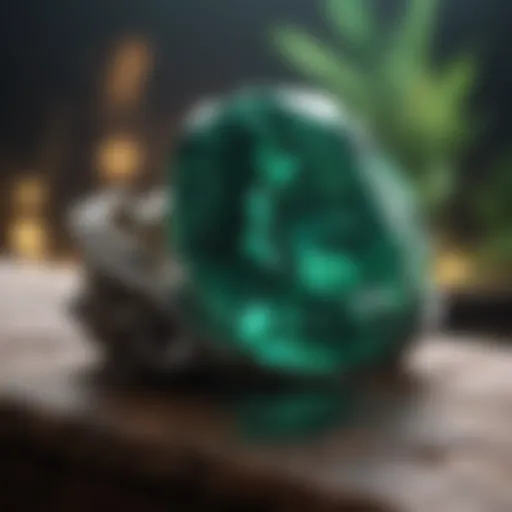
Diving deeper into its composition, turquoise typically consists of a hydrous copper and aluminum phosphate. Its structure can include various inclusions of minerals that either enhance or detract from its value. The color range varies from sky-blue to green, depending on the presence of iron and copper elements. More vivid blues often signify higher copper concentrations, while greener hues suggest iron's increased involvement.
The formation of turquoise also incorporates the element of time. A significant aspect of its allure is the lengthy and intricate process by which it is created. This slow-dance of nature brings out its unique patterns and colors. Each piece often tells a story, reflecting its geographical origins and the conditions under which it formed. The individual characteristics found in turquoise ring are often seen as fingerprints of nature, making every ring not just a piece of jewelry, but a testament to billions of years of Earth's geological history.
"Understanding the nature and origins of turquoise is fundamental to assessing the authenticity and value of emerald rings."
In summary, gaining insight into turquoise's geological background and formation offers a more rounded view of its value. Both aspects play a critical role in identifying genuine pieces and understanding market pricing, thus empowering enthusiasts and collectors alike in their pursuits.
Historical Significance of Turquoise
The historical significance of turquoise transcends mere aesthetics, weaving a complex tapestry of cultural heritage, trade, and symbolic meaning through various civilizations. To understand the value of turquoise rings, it is essential to appreciate how deeply this stone has been embedded in human history. Each turquoise ring tells a story, echoing the beliefs, traditions, and art forms of ancient cultures that harnessed its beauty and power.
Turquoise in Ancient Cultures
From the earliest times, turquoise has been viewed as more than just a gemstone; it was often regarded as a sacred stone with protective properties. For instance, the ancient Egyptians prized turquoise, frequently incorporating it into their jewelry and burial artifacts to guard the deceased in the afterlife. Jewelry containing turquoise often adorned the tombs of pharaohs, signifying wealth and favor with the gods. The blue-green hue was said to mimic the heavens, establishing a divine connection for the wearer.
Similarly, Native American cultures have a rich legacy tied to turquoise. Tribes such as the Navajo, Zuni, and Hopi not only crafted stunning turquoise jewelry but also integrated the stone into spiritual rituals. It was considered a bridge between the physical and spiritual worlds. Wearing turquoise was believed to enhance one’s health, peace, and stability, making it especially significant for both personal adornment and ceremonial use. The rings created by these artisans are not only beautiful but also imbued with deep cultural meaning, making their value multilayered.
In other regions, turquoise was similarly revered. In Persia, the stone symbolized the heavens and was frequently used in the decoration of mosques and royal crowns. With its vibrant color, turquoise also played a pivotal role in trade routes across the Middle East and into Asia, bringing together diverse communities and cultures. Its journey through history paints a picture of shared appreciation, transcending geographic and cultural boundaries.
"Turquoise is more than just a gemstone; it is a reflection of humanity’s connection to nature and the cosmos."
Symbolism and Myths Associated with Turquoise
The symbolism surrounding turquoise rings is rich and varied, giving it a unique place in various myths and belief systems. Across multiple cultures, turquoise is often associated with healing, protection, and the balance of energy. It serves as both a talisman and a tool for spiritual growth. For instance, the Chinese often associated turquoise with good fortune, believing that wearing the stone could bring harmony and good luck. They would gift turquoise to loved ones to strengthen emotional bonds.
In Islamic cultures, turquoise carries connotations of protection and loyalty, often featured in the adornments of distinguished figures and sacred artifacts. The color blue itself represents peace and calm, enhancing the appeal of turquoise in weddings and ceremonies.
Moreover, in contemporary practices, turquoise continues to be a popular symbol of tranquility and emotional balance. People believe it can absorb negative energy, promote relaxation, and offer clarity in decision-making. These attributes contribute to the rising popularity of turquoise rings, making them not just adornments but emotional anchors for many wearers.
In essence, the historical significance of turquoise rings encapsulates more than their physical appearance; it is a profound reminder of the human experience—our struggles, beliefs, and the interconnections we forge through art and culture. Understanding this background helps collectors appreciate the true worth of turquoise rings, blending history and beauty in a manner that transforms simple jewelry into treasured heritage.
Evaluating Turquoise Ring Value
Understanding the value of turquoise rings requires a meticulous approach. These rings are more than mere adornments; they carry history, culture, and personal stories. To accurately assess their value, one needs to examine several criteria, such as the factors that influence value and current market dynamics. By doing so, collectors and enthusiasts can make informed choices, whether they are purchasing or selling these unique pieces. Knowing what makes a turquoise ring valuable goes a long way in enhancing appreciation for this gemstone.
Factors Influencing Value
Color Variations
The vibrant hues of turquoise range from sky blue to deep green, each color holding a particular allure. One of the most significant aspects of color variations is that they directly influence a ring's value. The more vivid and consistent the color, the more sought-after the piece tends to be. For instance, a rich, even blue is often considered the gold standard in turquoise valuation, making it a favorite among collectors.
The key characteristic here involves not just the color per se, but the factors contributing to its depth and saturation. A unique feature of turquoise is that its color can be affected by the minerals found in the soil where it is mined, resulting in variations that tell a story of their own. This brings the advantage that rings crafted from stones with rich color often fetch higher prices in the market. However, disadvantageously, certain lighter or more opaque colors may not resonate as well with buyers, affecting their marketability.
Quality and Clarity
When it comes to the evaluation of turquoise rings, quality and clarity are paramount. A piece of turquoise that is clear and free from cracks or blemishes will always have a better standing in the market. The quality is often determined not just by visual assessments but also by the durability and overall integrity of the stone itself. The key characteristic here is that clarity and quality together create an impression of value.
The uniqueness of quality lies in how it showcases the ring's potential longevity. Clear stones, which exhibit fewer inclusions, often signal better craftsmanship and a higher price point. However, there can be disadvantages when it comes to pricing; exceptional quality can sometimes lead to an inflated market perception, where the rise in price may not always reflect the true value based on historical data and market trends.
Size and Cut


In the world of turquoise rings, size and cut play a significant role. A larger stone does not automatically equate to higher value; rather, it must be complemented by an appropriate cut that highlights its natural beauty. A well-cut stone can enhance the color and clarity, making it a standout piece. The key characteristic of size is that, with turquoise, it is often about the stone's dimensions in relation to the overall design of the ring.
The unique feature of this criteria is that it offers a balance between design and material presence. A large, well-cut stone may catch the eyes of collectors, making it a beneficial choice particularly when it harmonizes with the ring’s overall aesthetic. However, excessive size can sometimes be a disadvantage if it detracts from the elegance of the piece, especially in terms of wearability.
Market Trends and Pricing
The market for turquoise rings is subject to change, influenced by trends, cultural interest, and collector demand. In recent years, there has been a renewed appreciation for artisanal and ethically sourced turquoise, pushing the market into a new direction. Prices fluctuate based on these trends, as well as the rarity of specific variations. Collectors would do well to keep an eye on auction results, online sales platforms, and social media discussions to stay updated on what’s hot in the turquoise scene.
Emerging platforms, like specialized forums on reddit.com or curated marketplaces, often provide valuable insights into pricing dynamics. Those looking to purchase or sell should routinely check such resources to gauge the current market landscape effectively. For more technical information about market dynamics and trends, Wikipedia offers a wealth of data on gemstone valuation Wikipedia.
Overall, understanding these factors can significantly enhance one’s appreciation for turquoise rings, while also facilitating better purchasing decisions and enabling owners to market their pieces effectively.
Types of Turquoise Rings
Understanding the types of turquoise rings plays a pivotal role in assessing their value and significance. Not only do these variations reflect the craftsmanship and cultural origins, but they also illustrate the rich tapestry of meaning that turquoise holds across different societies. Each type offers unique characteristics, appealing not only to collectors but also to those who appreciate the beauty and stories behind these exquisite pieces.
Native American Turquoise Rings
Native American turquoise rings are more than just beautiful jewelry; they are a vital component of the cultural heritage and identity of indigenous communities. When you look closely at these rings, you might spot distinct features that set them apart from other designs.
Traditionally, Native American artisans often utilized turquoise in religious and ceremonial contexts, believing it held protective properties. This cultural significance adds layers to the value of these rings beyond mere aesthetics. Each piece often tells a story of the artist's heritage and techniques passed down through generations.
- Artisan Techniques: The craftsmanship can vary widely, with intricate silverwork or layering techniques that reflect the tribe's specific practices. Zuni, Navajo, and Hopi artists, for instance, may emphasize different styles and methods in their work.
- Authenticity: When assessing a Native American turquoise ring, the provenance is crucial. Genuine pieces are often accompanied by certificates or documentation proving their origins, making them more desirable to collectors.
- Cultural Symbols: You'll find symbolism etched into many rings, such as the thunderbird or bear paw, each representing different aspects of Native spirituality and beliefs.
These rings speak volumes about the people who create them and carry the weight of their histories, making them not just objects of beauty but also artifacts of cultural pride.
Modern Craftsmanship vs. Traditional Techniques
In contrast, modern craftsmanship of turquoise rings often pushes boundaries in terms of design and innovation. Contemporary jewelers incorporate turquoise in ways that combine modern aesthetics with traditional influences, resulting in fresh and exciting pieces.
- Innovative Designs: Today's artisans might combine turquoise with alternative metals or even incorporate mixed media, creating a fusion of old and new. This can appeal to a younger demographic or those seeking unique fashion statements.
- Techniques: Many modern jewelers experiment with techniques that aren't seen in traditional methods, such as precision cutting and advanced setting techniques, enhancing both the durability and visual appeal of the rings.
- Market Dynamics: The demand for modern designs sometimes drives prices higher due to elevated trends in fashion, while traditional pieces may draw on nostalgia and cultural heritage, often leading to varied valuations in the market.
The comparison of modern craftsmanship to traditional techniques highlights an ongoing dialogue in the jewelry world, with traditional artisans maintaining their roots while also embracing the evolution of design. Collectors should weigh both the artistic sides when assessing value, recognizing that both can offer substantial beauty and significance.
"Whether traditional or modern, the stories behind turquoise rings enrich their value in the eyes of collectors and enthusiasts alike."
For further insights into the nuances of turquoise as both a material and a cultural artifact, visit Britannica, which provides a thorough exploration of its historical significance and uses.
Authenticity and Provenance
When delving into the world of turquoise rings, understanding the concepts of authenticity and provenance is essential. These elements are not just buzzwords; they are pivotal in determining a ring's value and significance. Authenticity assures buyers that the turquoise they invest in is genuine and not a mere imitation, while provenance provides a backstory that can elevate a piece from ordinary to extraordinary. This knowledge arms collectors, jewelers, and enthusiasts alike with the tools to make informed decisions.
Identifying Genuine Turquoise
The challenge of identifying genuine turquoise can be considerable, especially with the proliferation of synthetic and treated stones on the market. Here are several key points to consider:
- Color and Patterns: Authentic turquoise typically exhibits a rich hue, ranging from sky blue to greenish-blue. Natural stones often display unique veining or matrix patterns, adding to their charm.
- Hardness: Real turquoise is relatively soft compared to many gemstones, rating about 5 to 6 on the Mohs scale. If a stone feels overly hard or slick, it might be a resin or synthetic substitute.
- Weight and Feel: Genuine turquoise usually has some heft to it. A lightweight version may signal that it is fake.
- Expert Verification: When in doubt, seek the expertise of a gemologist or a jeweler familiar with turquoise. They can perform tests, such as checking the stone's absorption of various liquids.
These identifiers play a crucial role in establishing whether a turquoise ring is authentic or not, allowing collectors to avoid pitfalls that could lead to regret and financial loss.
Importance of Provenance in Value Assessment

Provenance refers to the history of ownership of an item, and in the realm of turquoise rings, it bears significant weight. Provenance goes hand-in-hand with authenticity, often adding a rich context to the piece that can greatly affect its market value.
- Cultural Significance: Rings that can be traced back to specific cultures or historical periods often fetch higher prices. For instance, turquoise rings crafted by Native American artisans are not just jewelry; they carry stories and traditions that speak to their cultural heritage.
- Rarity Factors: A ring's value can surge if it has a documented history or was part of a significant collection. Items that belonged to notable figures can also increase desirability.
- Certification and Documentation: Keep an eye out for certificates from respected sources that verify the ring's history. Documentation can substantiate your claims about the gemstone's source, making your piece more appealing to potential buyers.
In typical sales circles, a focus on provenance can differentiate a standard turquoise ring from one that holds an esteemed and verifiable history, creating a link between the past and the present.
"Authenticity and provenance are the twin pillars that uphold the value of turquoise rings, anchoring them in both tangible and intangible heritage."
As you navigate the turquoise ring arena, keeping an eye on these components will assist in selecting pieces that not only captivate aesthetically but also stand the test of time in value and significance.
Care and Maintenance of Turquoise Rings
Caring for turquoise rings is not just about preserving their beauty; it’s about safeguarding your investment and honoring their rich cultural heritage. Given that turquoise is porous and relatively soft compared to other gemstones, proper maintenance is paramount. Whether you're a seasoned collector or a newcomer, understanding the nuances of how to care for your turquoise rings can prolong their life and retain their value.
Cleaning Techniques
Cleaning turquoise requires a gentle touch. This stone doesn't respond well to harsh chemicals or abrasive materials. Here’s how to properly clean your turquoise rings:
- Use Mild Soap and Water: A solution of lukewarm water and a few drops of mild soap is effective. Dip a soft cloth into this mixture and gently wipe the surface of the turquoise. Avoid soaking the ring completely, as this may damage the metal settings or loosen any adhesive.
- Soft Bristle Brush: For more intricate designs, a soft-bristle toothbrush can be helpful. Just ensure the bristles are not too stiff, as this could scratch the stone.
- Dry Carefully: After cleaning, pat the ring dry with a soft, lint-free cloth. Don't rub too hard, as this could harm both the stone and metal.
Avoid using ultrasonic cleaners or steamers—these methods could ruin your ring’s finish and integrity. Always give some extra care to avoid exposure to harsh chemicals found in perfumes, hair products, and cleaning supplies, which can cause discoloration or damage over time.
Storing Turquoise Rings Safely
Storing your turquoise rings properly is crucial for maintaining their luster and integrity. Here are some effective strategies:
- Individual Pouches: Each ring should ideally be kept in its own soft pouch, away from other jewelry to prevent scratching. A fabric pouch allows the stone to breathe and avoid any chemical reactions with other materials.
- Avoid Humidity: Turquoise is sensitive to extreme temperatures and humidity. Store the rings in a cool, dry place. An air-conditioned room or a display case with low humidity is ideal.
- Regular Checks: Periodically inspect your turquoise rings for any signs of wear or damage. Loose stones can be reset by a professional jeweler, potentially saving the ring from further damage.
Following these care and maintenance guidelines not only enhances the beauty of your rings but also preserves their historical value and appeal. Turquoise rings are more than just accessories; they are pieces of art, embodying the stories and cultures from which they originate. So treat them with the respect they deserve.
"Good care is like a solid foundation—it helps your treasures thrive for generations to come."
For further information on jewelry care, consider visiting Gemological Institute of America or American Gem Society.
Maintaining turquoise requires diligence but reaps great rewards in the long run. Each effort taken ensures that these stunning pieces continue to shine brightly, both in your collection and in the hearts of future generations.
Setting Expectations in the Market
Understanding the market dynamics is a crucial step for anyone involved with turquoise rings, be it buyers, sellers, or collectors. This section aims to delineate specific elements that clarify how to navigate the turquoise ring market effectively. Knowing the nuances can prevent buyers from getting the short end of the stick and help sellers maximize their potential returns.
Buying Turquoise Rings: Best Practices
When individuals venture into the world of turquoise ring buying, they should come equipped with knowledge that goes beyond the surface. Here are some best practices to consider:
- Do Your Homework: Knowledge is power. Familiarize yourself with the various types of turquoise, their origins, and the quality indicators that can affect price. Websites like Wikipedia provide a solid starting point for research.
- Inspect Before Purchase: If possible, always examine the turquoise ring in person. Look for irregularities and inconsistencies in the color. Turquoise with vibrant, rich colors often commands a higher price.
- Ask About Provenance: Knowledge about the ring's background can offer insight into its value. Rings with documented history from reputable sources tend to hold their worth better over time.
- Consider the Setting: The metal and style of the setting can influence the overall price. A well-crafted setting can complement the turquoise and enhance its visual appeal.
- Buy from Reputable Dealers: Ensure you're buying from someone who is well-regarded in the community. Collectors should look for feedback from past customers and check their credentials.
By following these guidelines, buyers can confidently navigate the complex landscape of turquoise rings, making educated choices that reflect their personal style and financial investment.
Selling Strategies for Owners
For owners looking to sell turquoise rings, understanding the market is equally important. Employing effective strategies can significantly enhance the chances of a successful sale. Here are key strategies:
- Know Your Worth: Before listing a ring for sale, take the time to assess its value based on the factors discussed earlier in the article. This assessment can help set a fair asking price.
- Utilize Quality Photography: Clear, high-resolution images can make a huge difference when presenting a ring online. Highlight the stone's color and clarity in various lighting conditions.
- Craft a Compelling Description: A well-written description that details the turquoise's characteristics, history, and significance can draw in potential buyers. Don’t skimp on the detail; it’s all about storytelling.
- Engage with the Community: Utilize social media platforms like Facebook groups specifically dedicated to collectors. Engaging with enthusiasts can help spread the word about your sale and establish your reputation as a seller.
- Consider Consignment Opportunities: If the thought of selling on your own feels overwhelming, consider partnering with a local jewelry store. Many stores offer consignment options, where they showcase and sell your ring for a share of the profits.
By taking these approaches, sellers can align their expectations with the realities of today’s market, ultimately leading to more rewarding transactions.
"Knowledge of the market can turn a simple sale into a golden opportunity."