The Role of UV Flashlights in Collectibles Evaluation
Intro
When delving into the intricate world of collectibles, enthusiasts often find themselves faced with a myriad of challenges. One challenge that stands out is the struggle to verify authenticity. As prices soar and demand rises, forgeries and replications are becoming more commonplace. The key here is to equip oneself with the right tools. Among these, UV inspection flashlights have carved out a niche that proves invaluable, particularly for rock and fossil collectors. This article seeks to illuminate the mechanics and utility of these devices, arming collectors with important insights and practical advice.
Overview of the Topic
Definition of Key Terms
Before diving deep, it's helpful to clarify the terminology. Ultraviolet (UV) light is part of the electromagnetic spectrum, lying just beyond the visible spectrum in its electromagnetic waves. Unlike visible light, UV light has a shorter wavelength, making it invisible to the human eye. It plays a crucial role in various fields, from medicine to art conservation.
UV inspection flashlights utilize this invisible light to reveal certain characteristics of materials. In collectibles, these flashlights allow collectors to see features that can uncover truths about authenticity and preservation.
Historical Significance
The application of UV light in collectibles isn't a recent phenomenon; its history can be traced back several decades. Museums began using UV light to inspect paintings and artifacts, as many materials React chemically or physically under UV exposure. In recent years, the adoption of UV inspection flashlights by private collectors has significantly increased, reflecting a growing public interest in ensuring the authenticity of items.
Types of Collectibles
Classification of Different Collectibles
The term
Understanding UV Light
Ultraviolet (UV) light presents a fascinating frontier for both science enthusiasts and collectors alike. The significance of understanding UV light, particularly in the context of collectibles, cannot be overstated. With the right knowledge, collectors can enhance their ability to discern genuine pieces from forgeries and gain insights into the materials of their items. Not only does this understanding foster informed decision-making, but it can also lead to a more enjoyable collecting experience.
What is Ultraviolet Light?
Ultraviolet light is a type of electromagnetic radiation that exists just beyond the visible spectrum, originating from the sun and artificial sources like UV inspection flashlights. It is categorized by its shorter wavelengths, which lie between approximately 10 nm and 400 nm. Collectors often depend on UV light to reveal hidden features or defects in collectibles, allowing for deeper analysis that the naked eye may overlook.
Different Types of UV Light
Understanding the various types of UV light is critical for modern collectors. This differentiation helps in selecting the appropriate inspection tools suitable for examining different types of materials.
UVA
UVA, the longest wavelength of UV light (320 to 400 nm), is widely used for its ability to illuminate certain features of minerals and fossils without causing damage. One of its key characteristics is that it can excite fluorescence in various materials, revealing colors and patterns otherwise invisible. For collectors, this quality makes it an invaluable tool for exploring the authenticity of geological specimens. However, it could lead to misleading interpretation if one does not have sufficient context about the specific item being analyzed.
UVB
UVB, sitting between 280 and 320 nm, is often recognized for its biological impacts, but in the realm of collectibles, it has its specific uses too. It's essential for identifying biological markers in certain fossils or assessing the resiliency of aged materials. However, its higher intensity may sometimes damage delicate items, thus requiring careful handling. Collectors must weigh these factors when assessing an item's compatibility with UVB exposure.
UVC
UVC (100 to 280 nm) mainly finds its application in sterilization processes rather than in collectible evaluation. Thanks to its ability to kill microorganisms, UVC is less favorable for collectors who are examining items. Its unique feature—the capacity for disinfection—provides more potential harm than good, as it can cause permanent damage to delicate or ancient collectibles. Given this, collectors would be prudent to avoid using UVC unless there is a specific need to eradicate contamination.
How UV Light Works
The working principle of UV light is based on its interaction with materials. When an object is exposed to UV light, certain elements or compounds within the specimen may fluoresce or absorb the radiation, thereby revealing insights into its authenticity or state. This behavior stems from the molecular structure of the material, which can absorb and emit light at different wavelengths. Moreover, distinct minerals and organic materials will respond differently under UV light. For that reason, familiarity with how specific items react to UV is key for effective analysis.
Understanding how different types of UV light interact with various materials opens a treasure trove of opportunities for discerning collectors.
UV Inspection Flashlight Basics


When it comes to collectibles, especially in the realm of rocks and fossils, having the right tools is akin to having the ideal compass in uncharted waters. A UV inspection flashlight serves not only as a practical item but also as an essential ally in enhancing the collector's journey. It allows collectors to unveil details that are otherwise hidden to the naked eye, ensuring they make better-informed decisions about their prized finds.
What is a UV Inspection Flashlight?
A UV inspection flashlight is specifically designed to emit ultraviolet light. This specialized beam helps collectors reveal the truth behind their samples, whether it be identifying forgeries or assessing the authenticity of minerals and fossils. The torch itself is compact and easy to handle, making it an essential tool for every collector's kit.
Components of a UV Flashlight
Bulb Type
The bulb type in a UV flashlight holds significant importance. Most commonly, they come with either LED or fluorescent bulbs. LED bulbs are particularly favorable for their durability and energy efficiency. For collectors, the key characteristic of LED bulbs is the extended lifespan. This longevity provides great value, as replacing bulbs frequently becomes a thing of the past. In the context of this article, choose an LED bulb not only for its performance but also for its lower heat output, which preserves the integrity of sensitive materials.
Lens Material
Lens material also plays a pivotal role in the flashlight’s effectiveness. Many high-quality UV flashlights use polycarbonate lenses, known for their strength and resistance to shattering. This characteristic ensures that the flashlight can withstand the rigors of field use. The unique feature of polycarbonate is its clarity, allowing the full spectrum of ultraviolet light to pass through. In this respect, when choosing a flashlight for collectibles, prioritize those with polycarbonate lenses to benefit from improved visibility during inspections.
Power Source
Power sources come in various forms, each with their own perks. Most inspection flashlights utilize either batteries or a rechargeable power source. Battery-operated models offer convenience, but repeated replacements can add up over time. On the other hand, rechargeable flashlights are eco-friendlier and economical in the long run. They typically provide a consistent light output which is crucial during detailed evaluations, making them a preferable choice for frequent use in your collecting endeavors.
Types of UV Flashlights Available
Handheld
Handheld UV flashlights are often the go-to for collectors due to their portability. The main advantage of this model is its straightforward usability. It's easy to carry around while browsing through shop collections or at fossil fairs. Moreover, they generally offer varied intensity settings to cater to different inspection needs, facilitating a more accurate analysis.
Rechargeable
Rechargeable flashlights shine a light on practicality. Like a trusty friend always by your side, they eliminate the need to fret over batteries. Most models come with USB charging, enabling collectors to charge them on the go, be it in their car or at home. They often come equipped with indicators to show battery levels, which helps avoid unexpected outages during crucial evaluations.
Portable
Portable flashlights are designed for collectors who value compactness. They can easily fit in any bag and are lightweight, making them a suitable option for fieldwork. The unique feature about these is their multi-functionality; many models include features like zoom or adjustable beam settings, allowing for targeted inspections. For collectors often on the move, investing in a portable design can prove beneficial, ensuring readiness at all times.
Investing in the right UV inspection flashlight can vastly improve the accuracy and ease of your evaluating process, leading to a more fulfilling collecting experience.
Through understanding the crucial yet basic elements of UV inspection flashlights, collectors can make educated choices that enhance their adventures into the fascinating world of rocks and fossils.
Applications in Collecting
The role of UV inspection flashlights in the realm of collectibles can't be overstated. These tools not only help collectors differentiate between the real deal and clever fakes but also enhance their overall understanding of the items they cherish. As each collectible tells a story, the application of UV light adds another layer to that narrative. The ability to spot misrepresentations, analyze the characteristics of minerals and fossils, and refine visual inspection techniques is what makes these flashlights indispensable for serious collectors.
Identifying Forgeries and Misrepresentations
When it comes to collecting, forgeries are lurking around every corner. Many collectors have fallen prey to scams, leading them to shell out precious funds on items that are little more than shams. This is where UV inspection flashlights come into play. By illuminating the true physical properties of objects, these devices can reveal hidden features exclusive to authentic pieces.
For instance, consider a collector examining a vintage watch. Under UV light, some fakes might exhibit an unnatural glow or reveal inconsistent markings that are absent in legitimate versions. Using a UV inspection flashlight can make the difference between a wise investment and a costly mistake.
- UV light can highlight:
- Inconsistent paint applications
- Different materials used in counterfeit items
- Previous repairs or alterations that might not be visible to the naked eye
Thus, incorporating UV inspection tools helps collectors gain confidence in their purchases and provides a shield against deception.

Analyzing Mineral and Fossil Characteristics
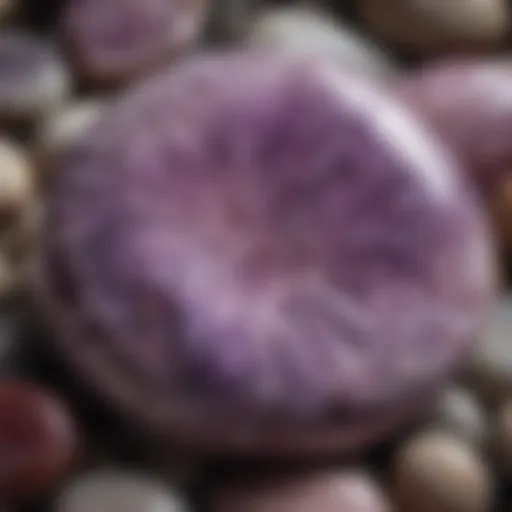
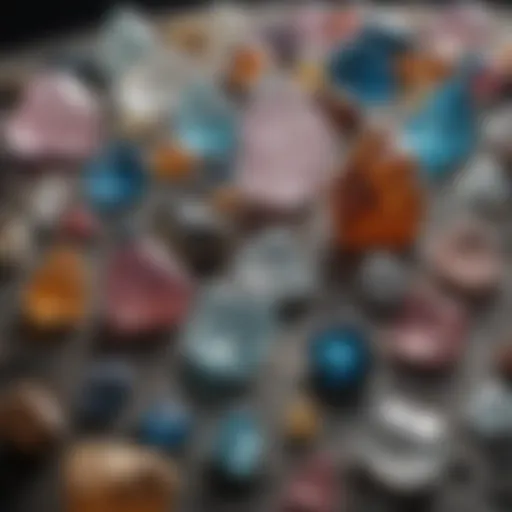
Collectors of minerals and fossils share a unique passion for the intricacies of natural history. UV light illuminates essential qualities of these specimens that traditional methods of observation might miss. For example, many minerals fluoresce under UV light, revealing vibrant colors and patterns that guide collectors in identifying and verifying species.
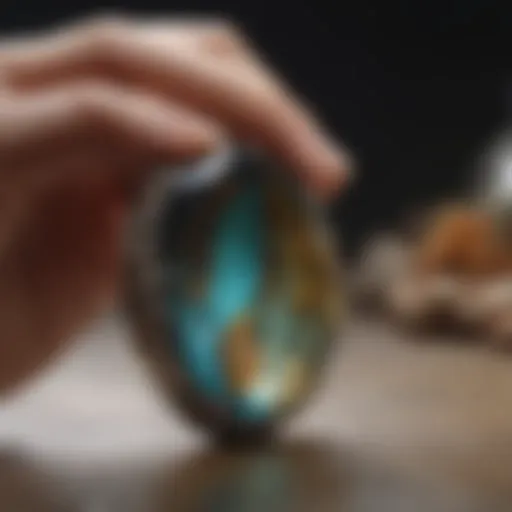
This phenomenon is particularly vital in fields like geology and paleontology, where misidentification can lead to significant misjudgments in a collection's value and authenticity. Imagine holding a rock that appears bland under regular light but bursts into a vivid display under UV rays—it's a transformative experience that connects a collector with the material's geological story.
- UV inspection aids in:
- Confirming authenticity through fluorescence patterns
- Determining mineral composition
- Highlighting the age or condition of a fossil by revealing hidden layers or markings
Enhancing Visual Inspection Techniques
Even the most seasoned collectors can benefit from enhancing their visual inspection techniques. The human eye can only perceive so much, but UV inspection flashlights extend that capacity, allowing for a more thorough analysis of items. When visually inspecting a collectible, the integration of UV light into the process can elevate the depth of your observations.
For example, curators or avid collectors often use these flashlights to inspect paintings or manuscripts. Under UV light, alterations such as repairs, previous restorations, or bleed-through can become readily apparent. This dual approach—combining visual inspection with UV analysis—not only leads to more informed decision-making but also enriches the collector’s appreciation of their items.
Benefits of Using UV Inspection Flashlights
In the realm of collectibles, especially for enthusiasts of rocks and fossils, the advantages of using UV inspection flashlights are both practical and transformative. These devices serve more than just a novelty; they enhance the way collectors evaluate their items, detect potential fraud, and expand their understanding of the materials involved in their collections. In this section, we’ll delve into the specifics, shedding light on how UV flashlights contribute significantly to more informed collecting practices.
Increased Detection Accuracy
When it comes to identifying authentic specimens, accuracy is paramount. UV inspection flashlights illuminate certain features not visible under ordinary light, thereby increasing the likelihood of making the right calls. When using a UV flashlight, collectors can often spot inconsistencies such as artificial repairs or coatings that would otherwise go unnoticed. For example, certain minerals fluoresce under UV light, displaying colors or patterns that indicate they are true to their natural form. Conversely, fakes or treated pieces may lack this unique fluorescent quality.
"For someone invested in their collection, knowing you can catch a forgery in the act before investing money or time is a game changer."
This enhanced detection capacity is especially crucial in online purchases or exhibitions where holds are not physically present. With tools like UV flashlights, collectors can often confirm the item’s integrity, reducing their rates of regret buying and boosting overall satisfaction.
Portability and Ease of Use
One of the standout characteristics of UV inspection flashlights is their portability. Many models are compact and lightweight, allowing collectors to easily carry them on field trips or to collecing events. Imagine trekking through rugged terrain to find that elusive piece only to realize you left your inspection gear at home. A UV flashlight easily fits into a pocket or bag without adding undue weight, making it a practical companion for any collector.
In addition to portability, UV flashlights are designed for simplicity. Most come with intuitive controls, allowing users of all experience levels to operate them without fuss. Whether you’re an experienced collector or just starting out, setting up a UV flashlight requires minimal effort. Just point and inspect. This ease can dramatically enhance the experience of evaluating items, allowing for swift decisions when faced with multiple potential purchases.
Efficiency in Field Evaluations
Field evaluations demand both speed and accuracy, and UV inspection flashlights deliver on both fronts. In many cases, the difference between snagging a rare find and missing out could be a matter of minutes. With the ability to assess multiple specimens quickly and effectively, collectors can maximize their time outdoors or at established events.
Using UV light allows for a faster screening process. Collectors can flick on their flashlight and scan items in seconds, instantly segregating those that raise red flags from others that pass inspection. This capability not only saves time but also enhances the overall efficiency of the evaluation process, letting collectors focus more on what they love—adding to their collections.
In summary, the benefits of UV inspection flashlights extend beyond simple practicality. They deliver greater accuracy in detecting forgeries, add an element of convenience through portability, and enhance efficiency in field evaluations, altogether making them essential tools for seasoned and novice rock and fossil collectors alike. With these advantages, collectors can approach their craft with a newfound confidence and a sharper eye.
How to Use a UV Inspection Flashlight Effectively
Using a UV inspection flashlight can transform the way rock and fossil collectors evaluate their items. It allows for a deeper understanding of the materials at hand and can significantly affect the outcomes of inspections. Proper usage of these flashlights not only enhances the accuracy of your findings but also minimizes the chances of error that can arise from misinterpretations. Understanding the procedures involved in using these tools effectively is paramount for collectors aiming to navigate the complex world of collectibles with confidence.
Preparation Before Usage
Before you even pull out your UV flashlight, taking the right steps to prepare can save you time and ensure better results. First off, always ensure that your flashlight is in peak working condition. Check the battery level, as many collectors learned the hard way that a dim bulb leads to disappointing results. Here’s a sequence to follow:
- Choose the Right Environment: Finding a darkened area can amplify the flashlight’s effectiveness. Natural light interferes with UV light visibility, so a controlled setting is ideal.
- Gather Necessary Tools: Have your collectibles laid out, as well as a clean microfiber cloth to eliminate any dust that may hinder your inspection. Sometimes, minor imperfections can be mistaken for significant flaws.
- Familiarization with Materials: Look up information regarding the type of rocks and fossils you’ll be inspecting. Certain materials fluoresce differently under UV light, shedding light on the underlying structure. An excellent resource for beginners can be found on Wikipedia.
Best Practices During Inspection
When it comes time to turn on the flashlight, a few strategies will bolster the effectiveness of your inspection:
- Hold the Flashlight Steady: Any unnecessary movement can disrupt viewing by causing light scatter. Try to maintain a consistent distance from the material.
- Rotate and Angle Your Items: Adjusting your collectible allows you to view it under various angles of UV light. Different aspects of the specimen might reveal patterns or details that are only visible under particular illumination.
- Take Notes: Document your findings as you inspect. Note any color changes or patterns that arise, as they can offer insight into the authenticity of the item. This can also prove handy if you want to reference something later.
By remaining methodical and careful, you make yourself more data-driven and reduce the impact of bias.
Post-Inspection Considerations
After your inspection has concluded, it’s crucial to gather your thoughts and take appropriate actions:
- Review Your Notes: Take a moment to assess the data you've collected. Cross-reference any features of the item with reputable sources or communities like Reddit to validate your findings.
- Store Items Properly: If you determine the collectible is genuine, store it correctly using silica gel packs or airtight containers to preserve its condition. Conversely, any misrepresented items should be noted for future reference.
- Discuss with Peers: Sometimes collaboration with other enthusiasts can offer different perspectives. Sharing findings in forums or local clubs often leads to useful discussions that can enhance future inspections.
Using a UV inspection flashlight effectively is about more than just shining a beam at a rock. It’s a blend of preparation, strategic observation, and post-analysis. By mastering these elements, rock and fossil collectors can elevate their skills, distinguishing themselves in an intricate community.
Limitations of UV Inspection Flashlights
While UV inspection flashlights offer numerous benefits to collectors, it's crucial to recognize their limitations. Understanding these drawbacks is essential for realistic expectations and effective application. The world of collectibles, especially regarding rocks and fossils, is intricate; thus, appreciating the limitations of these inspection tools is fundamental for any serious enthusiast.
Potential Misinterpretations
One of the most significant limitations of UV inspection flashlights lies in the potential for misinterpretations. Collectors may mistakenly deem a rock or fossil genuine based solely on its reaction to UV light. For instance, certain types of minerals may fluoresce under UV light, leading collectors to incorrectly assume they are authentic or of higher value. Conversely, some counterfeits could also display false fluorescence. Thus, relying solely on visual cues could result in inaccurate assessments. It's vital for collectors to combine UV inspection with other verification methods to achieve an informed conclusion about the authenticity of their items.
Environmental Factors Affecting Results
Environmental conditions can play a significant role in the efficacy of UV inspection flashlights. Factors such as ambient light, surface contaminants, and even the atmosphere can alter how UV light interacts with materials. For example, bright lighting can overshadow the subtle glow of certain minerals, causing them to be overlooked. Moreover, dust or oils on the surface of a specimen can impede light penetration, further complicating the inspection process. Therefore, it is advisable to use UV inspection flashlights in controlled environments whenever possible to enhance the clarity and accuracy of results.
Variability in Material Response
Another consideration for collectors is the variability in how different materials respond to UV light. Not all rocks and fossils react uniformly under UV inspection, and this inconsistency can be perplexing. For instance, some types of calcite may fluoresce, while others may not show any reaction at all. This variability means that having a broad knowledge base about material responses is vital for proper assessments. Collectors can benefit from researching specific materials they encounter, as well as consulting with experts within the community. Knowledge about the cause of fluorescence and its nuances greatly enhances the effectiveness of UV inspection flashlights in the evaluation process.
"Understanding the limitations of UV inspection is not just about recognizing what it can’t do, but also realizing how it can be an effective part of a larger toolkit for collectors."
In summary, while UV inspection flashlights serve as powerful tools in the arsenal of collectors, the unique challenges presented by potential misinterpretations, environmental factors affecting results, and variability in material responses cannot be overlooked. A well-rounded approach that combines UV inspections with thorough knowledge and other verification methods is the best way to ensure a successful collecting experience.
Integrating UV Inspection in Collecting Practices
Collecting is not merely a hobby; it’s a passion that often comes with a deep appreciation for history and authenticity. When it comes to integrating UV inspection into this domain, the advantages are manifold. UV inspection flashlights serve as a bridge connecting collectors with the authenticity of their collectibles, providing them with tools to discern between genuine items and forgeries. This section delves into the distinct benefits and considerations of using these devices within collecting practices.
Value Addition in Collections
In the world of collectibles, the value of an item resides not only in its rarity but also in its authenticity. When collectors use UV inspection flashlights, they gain a valuable layer of assurance. For instance, certain minerals and fossils exhibit unique fluorescent properties under UV light. This inherent quality can affirm an item's authenticity, distinguishing it from replicas. Beyond authentication, using UV light can enhance the overall appreciation of an item’s attributes. Collectors may discover previously unnoticed details, such as hidden markings or glow-in-the-dark features, enriching their understanding and appreciation of the piece.
- Verification: The use of UV flashlights enables collectors to confirm the legitimacy of their items, ensuring they are investing in what they believe to be original artifacts.
- Enhanced Awareness: Discovering new aspects of a collectible through UV inspection can lead to deeper conversations and insights among peers.
- Historical Context: Some collectors could find more information about provenance, potentially revealing fascinating histories related to their specimens.
Building a Knowledge Base
Integrating UV inspection isn't just about tools; it’s about knowledge. Utilizing UV inspection flashlights cultivates a more profound understanding of the materials and techniques used in the collectibles sector. For example, many fossils contain organic compounds that react under UV light, revealing information about their ages and origins. Collectors can glean insights not just into what they own but also into broader trends in collecting practices and geological trends.
Knowledge is power, and the more informed a collector is, the better their acquisition choices. Here are some key aspects to consider:
- Educational Resources: Books, online courses, and forums dedicated to UV inspection can be invaluable. Materials from institutions like the Smithsonian (si.edu) often outline methods of identification that incorporate UV light.
- Documenting Findings: By systematically documenting the results of UV inspections, collectors can develop a personal archive that not only helps in future evaluations but also aids in sharing knowledge within the collecting community.
Collaborating with Fellow Enthusiasts
One of the most enriching elements of collecting is the community that surrounds it. Engaging with fellow enthusiasts can multiply the benefits of UV inspection. When collectors share their experiences and findings, the community as a whole elevates its understanding of UV inspection and its applications within various domains of collecting.
- Group Workshops: Organizing or attending workshops can help foster a collaborative environment to learn the ins and outs of UV inspection, filling knowledge gaps and allowing hands-on experience.
- Online Forums: Participating in forums like Reddit (reddit.com/r/collecting) or dedicated Facebook groups can facilitate discussions about identifying unique characteristics highlighted by UV light. Sharing discoveries can validate findings and enhance learning among enthusiasts.
- Collective Knowledge Sharing: Establishing a culture of open dialogue regarding findings and experiences encourages innovation in collecting practices. Collectors can share how they encountered challenges and overcame them during their inspections.
In sum, integrating UV inspection into collecting practices enhances the value of collections, helps build a robust knowledge base, and fosters collaborative relationships among enthusiasts. The practical applications of these inspection tools not only create a fulfilling collecting experience but also pave the way for continuous learning and appreciation in the ever-expanding world of collectibles.