The Versatile Small Rock Hammer: A Comprehensive Guide
Overview of the Topic
Geology is not just a science; it’s an adventure waiting to unfold underfoot, and the small rock hammer is the essential companion for those who dare to dig deeper into the Earth’s treasures. This humble yet mighty tool serves diverse roles, whether you’re collecting fossils in the field, breaking up rock samples, or meticulously chipping away at specimens to reveal hidden wonders. Let’s take a closer look.
Definition of Key Terms
Before we throw ourselves into the tools and techniques, understanding some key terms can set the stage:
- Small Rock Hammer: A compact tool used for geology and mineral collection, typically featuring a flat head and pointed tip to assist in breaking rock and prying apart layers.
- Fossils: Remains or traces of prehistoric life embedded in rock, giving insight into ancient environments.
- Geology: The study of the Earth’s structure, materials, processes, and history, encompassing everything from rocks to the fossils they may contain.
Historical Significance
The small rock hammer is an iconic idiosyncrasy in the realm of geology. Its design has evolved through centuries, but its fundamental purpose remains unchanged. Historically, their use surged in the 18th and 19th centuries among naturalists and scientists who began to grasp the concept of geological time and the stratification of rocks. With each strike, these early geologists uncovered stories from eons past.
The small rock hammer also stands as a symbol of democratizing geology; hobbyists and weekend adventurers could participate in the process of discovery. Today, countless individuals carry these hammers on outdoor excursions, tap-tap-tapping their way to finding unique specimens, all woven into the narrative of the Earth’s history.
Types of Collectibles
As we plunge further into the realm of geology, it’s essential to acknowledge the variety of treasures one can uncover. Incorporating the right tools, like the small rock hammer, enables collectors to curate an impressive selection.
Classification of Different Collectibles
When it comes to geology collectibles, they generally fall into several categories:
- Minerals: Naturally occurring solid substances made up of one or more elements. Useful in study for their crystallography and chemistry.
- Fossils: The preserved remains or impressions of once-living organisms, invaluable in understanding the planet’s biological history.
- Sedimentary Rocks: These are formed by the accumulation of sediments and often contain fossils, revealing past environments.
Notable Categories
Some notable categories to explore include:
- Crystals: Beautiful in their symmetry, crystals like quartz or amethyst often captivate collectors with their aesthetics.
- Petrified Wood: Ancient trees turned to stone, often a favorite among fossil enthusiasts for their unique appearances.
- Dinosaur Bones: For the ambitious collector, finding intact dinosaur fossil specimens can be the crowning jewel of their collection.
Collecting geology-related items isn’t just a hobby; it’s a journey through time, revealing the wonders and changes our planet has undergone.
In wrapping our minds around the utility of the small rock hammer, it’s clear that this tool unlocks numerous possibilities for exploration and knowledge as it accompanies individuals on their geological quests.
Prolusion to the Small Rock Hammer
In the realm of geology and mineral collection, the small rock hammer stands as a timeless companion for enthusiasts, scientists, and casual hobbyists alike. Its significance extends far beyond a simple striking tool; it embodies the spirit of exploration and discovery. Whether you are out in the field sifting through layers of sediment or mobilized at a collection fair, understanding the intricacies of this tool can greatly enhance your experience.
Definition and Purpose
The small rock hammer, often referred to as a geological hammer or rock pick, is a tool designed specifically for breaking and shaping rocks. Its primary purpose revolves around aiding the identification and collection of geological specimens. Many varieties offer specialized features that cater to different applications, from cracking open a fossil-laden matrix to gently tapping away at a mineral sample.
This deceptively simple tool encompasses myriad designs, with each variation serving a distinct purpose. For some, it’s a means to unearth fossilized treasures hidden in the earth. For others, it facilitates mineral testing, allowing geologists to gauge the physical characteristics of a rock formation. The small rock hammer truly is a versatile instrument in the collector's toolkit.
Historical Context
To appreciate the small rock hammer’s current utility, a glance back at its historical roots reveals much about its evolution. From the handheld stones that our ancient ancestors used for survival to the more refined instruments of the modern day, the journey of the rock hammer illustrates humanity’s quest to interact with the earth.
In the 19th century, as geology emerged as a formal science, the demand for effective field tools increased. G.L. Verneuil, a noted geologist of the time, helped popularize specific designs that catered to discerning collectors and scientists. During this period, the necessity for hammers that were not just heavy but also expertly balanced began to take shape—marking the transition from utilitarian to specialized.
Now, in a world rich with diverse geological landscapes, the small rock hammer is firmly ensconced in both academic and collector communities. The tool’s evolution has been influenced by advancements in materials and ergonomic design, ensuring ease of use while maximizing durability. Robust steel heads coupled with comfortable grips have become the norm, illustrating the careful thought put into modern iterations.
As we delve deeper into the topic of the small rock hammer in following sections, it’s essential to remember both its vast applications and rich heritage—elements that combine to form an indispensable tool for anyone with a passion for geology.
Types of Small Rock Hammers
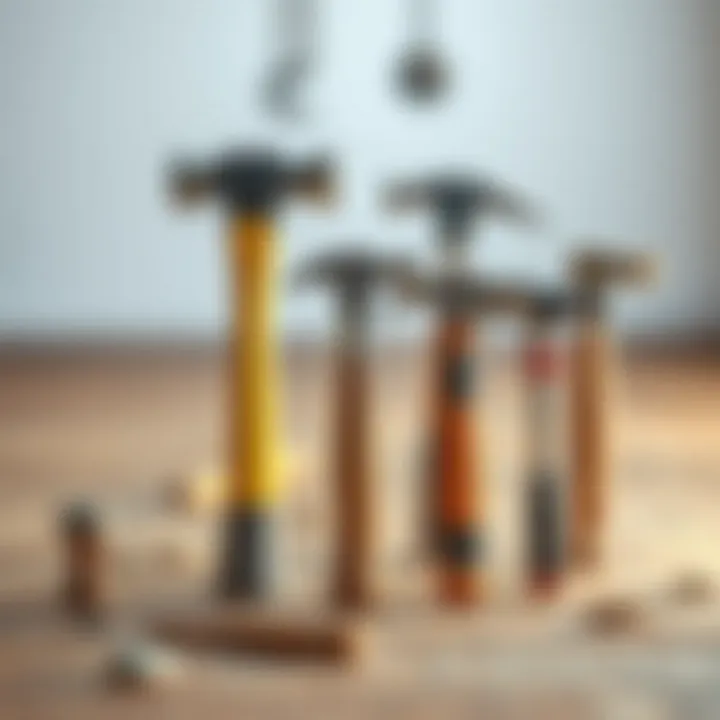
When it comes to small rock hammers, understanding the different types is essential for any aspiring geologist, fossil collector, or earth enthusiast. The variety of hammers available on the market each serves unique purposes and comes with its own set of advantages and considerations. Selecting the right hammer can significantly impact not only the efficiency of rock or fossil collection, but also the safety and comfort of the user. This section delves into three primary types of small rock hammers: the Geologist's hammer, the Chisel hammer, and the Pointed hammer, shedding light on their specific characteristics and functionalities.
Geologist's Hammer
The Geologist's hammer stands out as a fundamental tool for professionals in the field. Typically characterized by its flat, blunt face on one side and a chisel edge on the other, it provides versatility in usage. This hammer is designed to strike the rock effectively, breaking it up without much risk of damaging the sample itself. The flat face is excellent for producing clean fractures, while the chisel edge allows for prying and splitting.
The balance and weight of a Geologist's hammer is crucial. An appropriately weighted hammer reduces fatigue during long field excursions. It strikes a good balance between being heavy enough to impart force but light enough to control accurately. When you’re busting rock under the scorching sun or in chilly conditions, the right tool can make all the difference.
Chisel Hammer
Chisel hammers serve a distinct purpose, especially when precision is key. These hammers are specifically designed with a flat, wide striking surface, ideal for chiseling through harder rock formations. They feature a slightly elongated head which can help when trying to create a more linear fracture or cleavage. Using a chisel hammer can make all the difference when details matter; for instance, when attempting to expose delicate fossils, you want to minimize the risk of breakage as much as possible. This hammer's design allows for careful power application, making it a go-to choice for collectors focused on fossil extraction and the meticulous tasks involved in mineral testing.
Pointed Hammer
The Pointed hammer, as the name suggests, features a pointed end designed for specialized tasks that require penetrating into dense materials. Often favored by those working in geology or mining, it’s particularly useful for breaking into tough sedimentary layers or accessing less accessible minerals. The precise point can be driven into rock to apply pressure without needing to swing hard, making it an excellent choice for someone wishing to limit the impact on surrounding structures.
A pointed hammer is also handy for delicate jobs, such as starting fractures or pits in fragile surfaces, which is something that can come in extremely helpful during fieldwork. The ability to work more delicately allows the user to navigate various situations without creating total chaos in their sampling area.
Understanding the purpose of these different types of hammers can help enhance your collection efforts. Whether you choose the versatile capabilities of the Geologist's hammer, the precision of the Chisel hammer, or the depth potential of the Pointed hammer, integrating the right tool into your practice will undoubtedly elevate your passion for geology and fossil collection to the next level.
Design Features and Materials
When it comes to the small rock hammer, the design features and materials play a pivotal role in determining its effectiveness and usability. A well-designed hammer can significantly enhance the experience of rock enthusiasts, whether they are geologists on a field expedition or hobbyists seeking the next fossil. Let’s dig into the specifics, looking at the materials and ergonomic considerations that are crucial for maximizing the utility of this essential tool.


Material Composition
Steel
Steel is at the forefront when it concerns durability and strength in rock hammers. This material is typically selected for the hammer head because it offers exceptional hardness, making it capable of withstanding repeated impacts. A notable characteristic of steel is its resistance to deformation, ensuring that the hammer retains its intended shape even after extensive use.
Moreover, steel hammers often feature a polished finish that not only enhances their aesthetic appeal but also facilitates easier cleaning.
"Using a steel hammer not only aids in breaking rocks but ensures longevity in performance, making it a trusted choice among collectors."
While steel hammers are robust, they can be heavier than those made from other materials, which may cause fatigue during prolonged use. Still, the advantages, such as the ability to generate significant force and deliver precise strikes, make steel a popular option in the world of rock collection.
Wood
Wood is often celebrated for its lightweight and shock-absorbent properties, which contribute to user comfort during repetitive striking tasks. Many hammers feature wooden handles because they provide a natural grip that can be less harsh on the hands, reducing strain.
The beauty of wood lies in its organic feel and aesthetic, making it a preferred choice for those who appreciate traditional craftsmanship. A key characteristic of wooden hammers is their balance; a well-balanced hammer offers better control during operation.
However, wood hammers are susceptible to weather effects. They can swell or warp if exposed to moisture and need regular maintenance to ensure longevity. Despite these drawbacks, wood remains a preferred option for many collectors who value ergonomics and comfort in their gear.
Fiberglass
Fiberglass emerges as a modern alternative in the realm of rock hammers, valued for its lightweight and durable qualities. One specific advantage of fiberglass is its resistance to weather conditions; unlike wood, it does not warp or expand when exposed to moisture. This quality ensures that the hammer remains reliable in various outdoor situations.
Fiberglass handles are typically designed with a vibration-absorbing grip, which can greatly reduce hand fatigue over long periods of use. This is particularly beneficial for rock enthusiasts who may find themselves spending hours on their craft.
However, fiberglass hammers can be prone to cracking if subjected to extreme force, making users mindful of their striking techniques. Overall, fiberglass as a material paves the way for innovation, providing options for those seeking durability without the weight.
Ergonomic Considerations
The importance of ergonomics in tool design cannot be overstated, especially for tasks that involve repeated motions. A well-constructed hammer tailors itself to fit the natural grip of the hand, thus enhancing comfort and precision. Features such as rubberized grips or contoured handles can significantly impact the user's experience—reducing slip and allowing for excellent control.
Furthermore, hammers that are thoughtfully weighted can help prevent strain. The goal is not just to break rocks but also to do so without compromising health or efficiency. As rock collectors traverse diverse terrains, the design of their tool can make all the difference.
Applications of the Small Rock Hammer
The small rock hammer is a key instrument in the toolkit of anyone involved in geology, fossil collection, or mineral testing. Its applications are vast and varied, making it a fundamental tool that combines practicality with versatility. Understanding its utility extends beyond mere functionality; it embraces the art and science behind geological exploration, encouraging hobbyists and professionals alike to expand their horizons in the fascinating world beneath our feet. In this section, we will highlight how this simple tool can make substantial contributions to different fields and why mastering its use is vital for enthusiasts.
In the Field of Geology
When one thinks of geology, images of grand mountains and deep valleys often come to mind. But at the heart of these monumental formations lies a deep examination of smaller rocks and minerals. The small rock hammer plays an indispensable role here, helping geologists to meticulously study rock specimens on site. It allows them to break off samples for analysis without damaging the overall structure of the rock face. Furthermore, geology is not merely about collection; it’s about understanding the earth’s history, and the hammer serves as both a guiding tool and a means of discovery.
"A small rock hammer might seem trivial, but its ability to reveal secrets hidden in the layers of earth is where its true value lies."
The precise sculpting of rocky surfaces can be crucial for classifying rocks into their respective types—igneous, sedimentary, or metamorphic. The pick side of a geologist's hammer, for instance, can effectively separate mineral samples, which are then analyzed further under a microscope for properties like crystal structure or chemical composition. Without this foundational tool, much of the geological fieldwork could become cumbersome, if not impossible.
For Collecting Fossils
Fossil hunting is a blend of patience, eager anticipation, and knowledge. A small rock hammer is an essential companion for collectors who seek to uncover remnants of the past nestled in the earth. Unlike larger and more cumbersome tools, the small rock hammer allows collectors to precisely chisel away the surrounding matrix, safeguarding fragile fossils that represent millions of years of history.
When hunting for fossils, timing and technique are crucial. One needs to strike the rock gently but decisively; a well-placed tap can free a fossil from its stony bed without the risk of fracture. That’s where the chisel end of the hammer shines, as it facilitates careful excavation of these precious specimens. Daily adventures in this passionate pursuit highlight the intrinsic relationship between the tool and the collector’s success, emphasizing the need for both skill and sensitivity in the fossil retrieval process.
In Mineral Testing
Not all rocks are created equal; the small rock hammer serves in the identification and testing of minerals, too. Geologists frequently employ this tool to conduct primary tests to discern mineral hardness or composition directly on site. The streamlined size of the hammer makes it easy to transport, ensuring that necessary testing can occur within various environments—whether it's in a forest, on the edge of a cliff, or out in a desert landscape.
Using specific techniques, such as repeated strikes to observe fracture patterns or applying hardness tests to determine resistance against other minerals, collectors can get a clearer picture of what they are dealing with. In this way, the small rock hammer stands at the crossroads of practical geology and educational exploration, offering valuable insights into the materials we often take for granted.
Safety Considerations
When we talk about rock hammers, we’re not only discussing tools for collecting samples or fossils; we touch on a significant aspect of any fieldwork or hobby venture—safety. Engaging with hard materials and rocky terrains poses various risks. These risks warrant careful attention to how we use our tools and the protective equipment required to keep ourselves safe.
A sturdy small rock hammer can be quite an asset, but if mishandled, its usefulness can turn into a dangerous encounter. Hence, understanding proper usage techniques is every collector's first line of defense against accidents. Missteps can lead to injuries not only to the user but also to those around them. Safety, therefore, is paramount. Equipped with the right knowledge and protective gear, you can enjoy your rock hunting without unnecessary incidents.
Proper Usage Techniques
The correct use of a small rock hammer involves a blend of skill, control, and the right motions. The key technique centers on maintaining a firm grip. Ideally, you should hold the hammer at the end of the handle, allowing greater swing control. When striking, aim for a firm, controlled motion rather than excessive force. Over-striking can lead to loss of control, thereby increasing the risk of accidents.
Another crucial point is choosing the appropriate striking surface. Soft surfaces may give way too easily, while overly hard surfaces can put excessive strain on your tools and joints. Always assess your environment carefully. It's also wise to work at a stable position, preferably seated or crouched, rather than standing on uneven ground. Stability leads to better control and less chance of slipping or misaligning your swing.
Protective Gear Recommendations
The surest way to safeguard your well-being while hammering rocks is through the use of proper protective gear. Let’s delve into three essential items you should consider.
Eye Protection
Eye protection is non-negotiable when drilling into rocks. Debris can fly into your face faster than a hawk swooping down for its prey. Safety goggles made of impact-resistant materials are recommended. They’re not just protective; they also offer a wide field of vision. A solid pair of goggles can prevent dangerous eye injuries that might result from flying chips or unexpected strikes. Investing in a high-quality wrap-around model ensures your peripheral vision is covered too. As a benefit, many options available have anti-fog features, avoiding irritation during long hours of work.
Gloves


Your hands are your most valuable tools when rock hunting, and gloves serve as a reliable safeguard against cuts, scrapes, and blisters. Opt for gloves that provide a good balance between dexterity and protection. Leather gloves, for example, can withstand cuts and punctures while also allowing you to grip your hammer firmly. Such gloves, while sturdy, can be heavy so one must ensure they allow for enough flexibility. A unique feature to look for would be breathable materials, which add comfort during long field days. Just remember that thicker gloves might somewhat limit dexterity, so striking a balance is essential.
Footwear
Last but not least, let’s not forget about your kicking boots. Footwear needs to be rugged, providing both support and traction to brave rocky terrains. Heavy-duty work boots with steel toes are a popular choice for enthusiasts in the field. They safeguard your feet from heavy falling rocks and sharp edges, which can easily cause injuries. Another key characteristic of reliable footwear is its grip. Shoes with superior tread patterns will help avoid slips on rugged paths or while climbing. However, while comfort is important, remember that lighter footwear may compromise protection, so it’s a trade-off that every collector needs to weigh.
Care and Maintenance
Maintaining your small rock hammer is non-negotiable if you want it to serve you well over time. The longevity of your tool relies heavily on the care it receives. This section outlines essential practices that can keep your hammer in top shape, ensuring it performs effectively during your geology adventures or fossil hunts.
Cleaning Your Hammer
After a day out in the field, your small rock hammer is likely to be caked with dirt, dust, or even grit from breaking rocks. To ensure its continued functionality, regular cleaning is crucial. First and foremost, a quick rinse with water can remove loose debris. For deeper cleaning, a mixture of warm soapy water can do wonders. Make sure to use a soft-bristle brush to reach nooks and crannies, particularly in the head and handle. Drying it thoroughly with a cloth after cleaning will prevent rusting, especially if your hammer is made of steel.
Moreover, some collectors also recommend applying a thin layer of oil to the metal components periodically. This helps in forming a protective barrier against moisture and extends the lifespan of your hammer. A few drops of mineral oil or a dedicated tool oil on the striking face and along the shaft can be quite beneficial.
Tip: Always remember, a clean hammer is a happy hammer. Keeping it well-maintained not only enhances performance but also ensures safety as you work in the field.
Storage Tips
Proper storage of your small rock hammer is just as important as cleaning. After every use, it should be stored in a way that minimizes the risk of damage or accidents. Here are some tips worth considering:
- Use a designated storage box: A toolbox or a dedicated pouch will keep the hammer intact and protected from other tools that could cause nicks or scratches.
- Mind the environment: Store your hammer in a cool, dry place. High humidity can encourage rust, especially for tools with steel heads.
- Keep it out of reach: If you have children or pets, it’s wise to store the hammer high up or in a locked area.
- Inspect regularly: Every so often, take a moment to check the condition of your hammer while in storage. Look for any wear and tear and address issues before they worsen.
By properly cleaning and storing your small rock hammer, you prolong its life and maintain its effectiveness. This attention to care will pay dividends, enabling you to tackle your rock-collecting activities with a reliable tool in hand.
Selecting the Right Small Rock Hammer
Choosing the right small rock hammer is not just a casual decision—it's a pivotal step for anyone involved in the collection of rocks or fossils. A hammer that suits your specific needs can make a world of difference in efficiency, safety, and satisfaction. Missteps in this area can lead to injuries, frustration, and ultimately, an unsatisfying experience. It’s essential to grasp the various factors that ought to influence your selection process, including your purpose, the features offered by different hammers, and the personal comfort you experience when using them.
Understanding Personal Needs
Before you dive into the countless options available, take a moment to assess your personal needs. Are you a seasoned geologist needing precision and durability? Or just a weekend rock hound looking for an entry-level hammer? Understanding your specific requirements will shape your choice.
- Type of Rock Collection: Different rocks require different types of handling. For instance, if you're looking into thin, delicate specimens like fossils, a chisel hammer might be your best bet. If you're interested in heavier, more robust rocks, a geologist's hammer may suit you better.
- Frequency of Use: If you'll be using the hammer regularly, invest in a heavier, well-constructed tool. A sturdy hammer will withstand the test of constant usage, while a lighter, budget version might suffice for occasional outings.
- Weight and Grip: The weight of the hammer can affect your control and precision. Heavier hammers can drive harder, but they also require more energy to wield, which can lead to fatigue over time. So, think about what you can handle comfortably.
A simple exercise is to visit a local rock shop and get some hands-on experience. See how various hammers feel in your hands. Testing out different grips and weights can provide invaluable insights into what works best for you.
Comparing Brands
In an industry filled with various manufacturers, brand selection plays a crucial role as well. Each brand has its own distinctive features, materials, and pricing strategies. Here’s how you can compare:
- Material Quality: Look for brands known for durable materials. Hammers made with high-carbon steel are less likely to chip or break. A reputable brand often stands behind its product with a warranty or satisfaction guarantee, signifying quality.
- User Feedback: Websites like Reddit and specific geology-focused forums can be goldmines of information. Review other rock collectors' experiences with different brands before you make a choice. This real-world insight can save you lots of headache.
- Price Range: While it’s tempting to go for the most affordable option, beware of overly cheap brands that compromise safety and durability. Compare the prices of several brands, but ensure you're getting value for your money. Sometimes it pays to invest a little more for a tool that will last.
"Selecting the right rock hammer is like choosing a companion for a long trip; it’s vital that it feels right in your hand and supports your journey ahead."
Ultimately, selecting the right small rock hammer boils down to evaluating your own needs balanced against what the market offers. By figuring out what you need and doing diligent research on brands, you're setting yourself up for success in your rock collecting or geological endeavors.
Common Mistakes in Hammer Use
Understanding the common pitfalls when using a small rock hammer can make a significant difference for both novice and experienced users. It expands not just the safety of the user but also the lifespan of the tool. Ignoring these mistakes might lead to injuries or damage, ultimately detracting from the enjoyment of the hobby. Let's delve into two prevalent blunders involved in hammer use.
Over-exertion and Damage
One of the most frequent mistakes enthusiasts commit with a small rock hammer is over-exertion. This happens when individuals apply excessive force while striking rock, thinking that a harder hit will yield better results. Unfortunately, this mindset can lead to several adverse outcomes.
For one, over-exertion increases the risk of personal injury. A slip of the hammer during a heavy strike can result in striking oneself or another individual, leading to severe consequences. Not to mention, it can also damage the rock being worked on, causing fractures that lessen its value for collectors.
Moreover, using too much force can also wear out the hammer more quickly than anticipated. Steel heads can chip or crack under extreme conditions, rendering the tool ineffective for precise work. Here are some points to consider to avoid over-exertion:
- Listen to Your Tool: If your strikes feel overly laborious, it might be a signal to ease off.
- Practice Technique: Learn the right way to swing the hammer with efficient force rather than brute strength.
- Focus on Control: Prioritize aim and accuracy over raw power. A faster, lighter tap can often do the job better.
Remember, sometimes finesse trumps force when it comes to hammering rock.
Ignoring Maintenance
Another mistake many users make is neglecting the upkeep of their small rock hammers. Ignoring maintenance leads to a host of issues that can impede performance and safety.
A well-maintained hammer ensures stability during use and helps avoid accidents resulting from worn components. For instance, a loose head or a badly worn handle can lead to hazardous situations, compromising not only your efficiency but your safety as well.
Regular cleaning is vital. After a day out in the field, it’s advisable to wipe down the hammer to remove mud, dust, and any deposited minerals. Failure to do so might lead to rust, which compromises the hammer's integrity. Storage also plays a crucial role in maintenance; hammers should be kept in a cool, dry place, ideally in a padded bag, to avoid unnecessary damage. Here’s a quick checklist for proper hammer maintenance:
- Inspect Regularly: Examine your hammer for signs of wear or damage before every use.
- Clean After Use: Make it a habit to clean the hammer after every outing, focusing on removing debris and water.
- Secure Storage: Use a case or pouch to store the hammer to prevent knocks and scrapes.
Maintaining your small rock hammer isn’t just good practice; it’s essential for maximizing the tool's lifespan and ensuring safety while using it in the field.
Interactive Tools and Technology
The ever-evolving landscape of geology and fossil collection has seen a notable shift towards integrating interactive tools and technology. This modern approach not only streamlines the process of rock and fossil gathering but also enriches the overall experience for collectors and enthusiasts. The advent of technology has transformed these traditionally hands-on activities into more engaging and informative endeavors. The small rock hammer, while essential, is now often complemented by various digital and interactive resources that enhance the practice of geology in several profound ways.
Digital Applications for Rock Collectors
Digital applications have become invaluable to rock collectors. These tools are not just bells and whistles; they offer practical benefits that anyone keen on geology would find useful. Many apps can help identify rocks and minerals, allowing collectors to learn more about their finds right on the spot. For instance, apps like Rock Identifier enable users to snap a picture of a rock, and in a flash, get instant information about its type and characteristics.
Moreover, these applications often include features such as:
- Location tracking that records the places where stones have been found.
- Field journals, which allow users to document their collections and experiences.
- Community features, where enthusiasts can share their discoveries and seek advice from peers.
The inclusion of augmented data such as geological maps is another boon. Users can overlay these maps with their location, gaining insights into the geological features of the area they're exploring, ensuring a well-rounded and informed collecting experience.
Augmented Reality in Geology
Augmented reality (AR) is fast making its mark in the realm of geology, pushing boundaries further than ever. Imagine pointing your device at a rock formation and seeing layers of geological data superimposed on the screen. That's the allure of augmented reality. It creates a rich, immersive learning environment that is beneficial for both amateur and veteran geologists.
AR applications can provide:
- Visual representations of geological layers and processes that are usually invisible to the naked eye.
- Interactive tutorials on how to identify different rock types while you're out in the field, making the learning curve smoother and more enjoyable.
- Simulated environments to practice skills before heading out, helping collectors become familiar with their gear and the science involved.
"Harnessing technology doesn't just make the hobby easier; it can ignite a passion for science and environment that’s contagious."
In essence, by integrating digital applications and AR into their toolkit, rock collectors can elevate their excursions from simple hobbyist outings to deep dives into Earth science. With every click, tap, or swipe, the world of geology becomes a little more accessible, turning the fascination of rock collecting into an adventure laced with technology.
As the tools become more interactive and immersive, the small rock hammer remains a steadfast companion, perfectly blending the traditional with the innovative. The pursuit of knowledge and enjoyment walks hand-in-hand with these advancements, making it a thrilling time to be involved in geology.
Incorporating the Hammer into Educational Programs
In the field of geology and earth sciences, the small rock hammer is more than just a tool; it is a vessel for learning. By incorporating the small rock hammer into educational programs, students are not only introduced to a pivotal instrument in geology but also engage in hands-on learning that enhances their understanding of our planet's history and structure. This section explores the various ways educational institutions and organizations can leverage the practical functions of this tool to inspire future geologists and hobbyists.
School Projects and Field Trips
The integration of small rock hammers into school projects and field trips can catalyze an enriching experience for students of all ages. When students venture outdoors with a rock hammer in hand, the learning extends beyond textbooks. Here’s why this hands-on approach matters:
- Active Learning: Students utilize the hammer to collect samples, enabling them to directly interact with geological formations. This fosters a deeper connection to the material.
- Critical Thinking: Deciding which rocks to collect and examining their characteristics prompts students to think critically about geology’s many facets. This reflection nurtures analytical skills essential for scientific inquiry.
- Teamwork: Group activities utilizing the hammer can enhance cooperative skills. Whether working together to uncover a fossil or analyzing a rock's properties, teamwork is key.
Moreover, field trips that involve rock hammers provide immersive experiences. For example, visiting a local quarry or geological site, students can use their hammers to extract samples while gaining knowledge about the rock cycle in real-time.
"Education is not the filling of a pail, but the lighting of a fire." – W.B. Yeats
This quote speaks volumes about the dynamic nature of learning when students are provided with tools like the small rock hammer. Such outings can ignite a passion for geology that resonates long after students leave the classroom.
Workshops for Enthusiasts
Workshops focused on the small rock hammer serve as another avenue to weave education with practical skill sets. These workshops, tailored for rock and fossil collectors, cater to novices and experienced enthusiasts alike. Here’s how:
- Skill Development: Participants learn various techniques for using the rock hammer safely and effectively. This includes how to strike the rock appropriately to minimize damage and maximize sample quality.
- Networking Opportunities: Workshops often bring together a community of like-minded individuals. This camaraderie allows participants to share their experiences, tips, and findings, strengthening communal bonds among enthusiasts.
- Expert Guidance: Instructed by seasoned professionals, workshops can provide valuable insights into geology, including identification and classification of rock types, fossils, and minerals. This knowledge is crucial for anyone looking to deepen their understanding of geological sciences.
The Future of Rock Collection Tools
As rock and fossil collectors continue to evolve in their pursuits, the tools we employ must also adapt to new technologies and sustainable practices. The future of rock collection tools, including the small rock hammer, will likely be shaped by innovations that emphasize not just efficiency and effectiveness, but also environmental consciousness. Understanding these changes is pivotal for enthusiasts who wish to stay ahead in a field that is constantly evolving.
Innovations on the Horizon
In recent years, a wave of technological advancements has begun to seep into the realm of geology and fossil collection. For instance, digital mapping tools are becoming increasingly popular, allowing collectors to log their finds with precision and create custom geological surveys using smartphones or tablets. This integration of technology can vastly enhance the way collectors document their finds and share information within the community. Imagine being able to couple a traditional rock hammer with augmented reality apps that overlay geological data directly onto your environment, guiding you towards the most promising excavation sites.
Additionally, tools featuring advanced materials are springing up in the market. Look for rock hammers made from lightweight alloys or engineered composites, which promise durability without weighing you down. Some prototypes even explore functionality beyond simple hammering, incorporating features such as built-in chisels or detachable heads that cater to various tasks.
Another noteworthy innovation is the integration of compact storage solutions. New tools can often collapse to fit easily into backpacks, making them more convenient to carry for fieldwork. These designs not only reflect advancements in engineering but also elevate the user experience, catering to a broader audience from seasoned geologists to casual hobbyists.
Sustainable Practices in Tool Manufacturing
Sustainability is no longer a buzzword but a necessity in modern manufacturing. As rock collection tools become mainstream, there’s an increasing focus on environmentally friendly practices within the industry. For instance, many manufacturers are exploring the use of recycled materials in the creation of rock hammers and related tools. By utilizing recycled metals and sustainable wood sources, producers can significantly reduce the carbon footprint of their products. This change does not only address the environment but can also appeal to the evolving values of collectors who are increasingly environmentally conscious.
Moreover, companies are starting to embrace ethical production methods. Transparent supply chains ensure that the materials used are sourced responsibly and the working conditions of those involved in manufacturing adhere to fair labor standards. Collectors, especially the younger generation, appreciate knowing where their tools come from and how they were made.
In addition, manufacturers are also focusing on durability in their designs. A well-made hammer not only last longer, reducing the frequency of replacements, but also contributes to less waste. Emphasizing the longevity of tools encourages consumers to invest in quality equipment. By gathering insight from users and adapting to their needs, manufacturers are paving the way to craft tools that stand the test of time, both in functionality and environmental impact.
The future of rock collection tools is not only about better performance but also about protecting the planet while enjoying our passions.
Final Thoughts
The small rock hammer stands as a cornerstone tool for enthusiasts, hobbyists, and professionals alike in the fields of geology and fossil collection. Its significance stretches far beyond the mere act of striking rock or fossil. This humble hammer encompasses a world of exploration, education, and discovery. Understanding its utility not only enhances practical skills but also nurtures a deeper appreciation for the natural world and the treasures it holds.
The Enduring Relevance of the Small Rock Hammer
In a rapidly changing world, one might wonder why the small rock hammer retains its importance, especially in the age of digitally enhanced tools and sophisticated equipment. The answer is multi-dimensional:
- Accessibility: This tool provides a hands-on approach to geology that many modern tools cannot replicate. It allows anyone, regardless of background, to delve into the earth and discover its wonders. Feel the heft of the hammer in your hand and the thrill of cracking a geode or unearthing a fossil—experiences that technology can only simulate.
- Connection with Nature: Using a small rock hammer fosters a physical connection with the landscape. The act of hammering into stone becomes a dialogue with the earth itself. Each strike tells a story of time, pressure, and the natural forces that have shaped our planet. It reinforces the very essence of what geology is—the study of the Earth.
- Educational Value: For educational institutions, incorporating small rock hammers into curricula allows students to engage with geology in a tangible way. Project-based learning that involves field trips and fossil collection builds teamwork and critical thinking.
- Individual Growth: For the collector, from the casual to the well-versed, a small rock hammer is a tool for personal growth and exploration. Discovering minerals or fossils can empower the individual, sparking curiosity and a lifelong passion.
In essence, beyond the practical applications, the small rock hammer symbolizes the adventure of learning through hands-on experiences. It remains vital for those who wish to understand not just rocks, but the rich tapestry of history and science behind them. The enduring relevance of this simple yet effective tool is a reminder that sometimes, the best discoveries come from stepping outside with just a hammer in hand and an open mind.
"To hammer a rock is to connect with eons of earth's history, for each strike unveils layers of time and mystery."
As our understanding of geology and ecological practices improves, the small rock hammer will undeniably remain a staple in laboratories, classrooms, and natural landscapes. Its continued relevance ensures that future generations can partake in the joys of fossil hunting and rock collection, cultivating a passion for the natural sciences that will endure through years to come.