Understanding Real Crystal Prices: Key Factors
Overview of the Topic
When diving into the world of real crystals, whether for collection or investment, one must first grasp the underlying factors shaping their cost. This journey begins with understanding what makes a crystal worthy of attention and, by extension, its value in monetary terms.
Definition of Key Terms
Crystals can be defined as solid materials where atoms are arranged in a highly ordered structure. This definition encompasses both mineral crystals and more precious gemstones, each with its unique characteristics and market appeal. Terms such as rarity, quality, and market demand play a pivotal role when one assesses a crystal's worth. Rarity speaks to how often a mineral can be found in nature, while quality reflects aspects like clarity and luster. Market demand fluctuates based on trends and societal interests, sometimes drawing a hefty price regardless of a crystal's intrinsic qualities.
Historical Significance
Historically, crystals have held immense significance across cultures. Ancient civilizations revered certain stones for their purported healing properties and aesthetic charm, while more recent trends have seen crystals gain momentum among collectors and holistic enthusiasts alike. Consider, for instance, how the ancient Egyptians utilized lapis lazuli not just for adornment but in burial rituals, reflecting a deep connection between material and metaphysical realms. This cultural context informs today’s appreciation and valuation, as crystal enthusiasts often seek not just beauty, but stories woven into the very fabric of these natural wonders.
Types of Collectibles
The realm of crystals is teeming with variety, making it essential to classify them into different groups based on characteristics and uses.
Classification of Different Collectibles
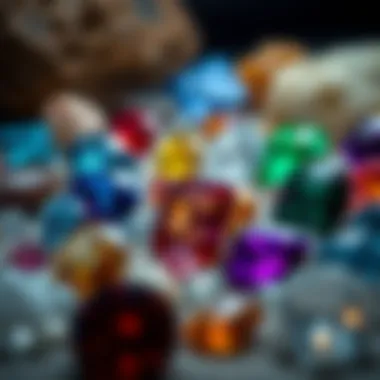
- Gemstones: The shimmering faces of sapphires, rubies, and emeralds belong to this category. These stones are typically cut and polished, emphasizing their beauty for jewelry.
- Minerals: This group includes quartz, amethyst, and others that may not be traditionally set in jewelry but are nonetheless prized for their distinctive features and natural habits.
- Fossils: Though not crystals in the strict sense, fossils share a compelling connection to the earth’s geological history, making them popular among collectors who appreciate the ancient.
Notable Categories
- Crystals for Healing: Many collectors explore crystals believed to possess healing properties, such as rose quartz for love or obsidian for protection.
- Collector’s Items: Rare finds like the pink Himalayan salt crystals fetch considerable attention due to their scarcity and unique origins.
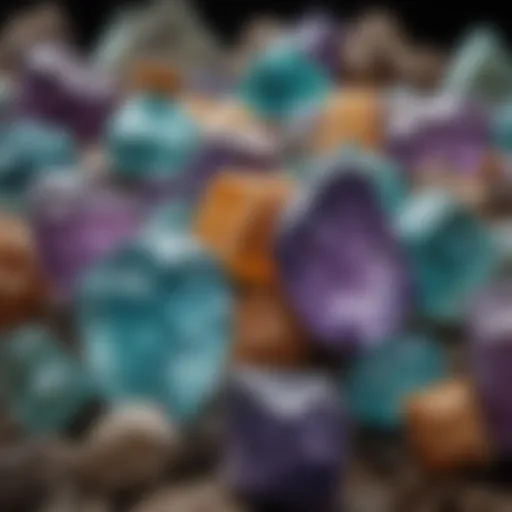
- Specimens for Display: Vibrantly colored and uniquely shaped crystals often serve as breathtaking display pieces that attract casual admirers and seasoned enthusiasts alike.
"A collector's eye can spot the difference between a mere rock and a genuine crystal treasure."
In essence, recognizing the diverse types of crystals and collectibles lays the groundwork for understanding their valuation. Assessing these aspects along with the broader market context can help one navigate the vibrant world of crystals with greater insight and confidence.
Prologue to Real Crystals
In the realm of collectors, enthusiasts, and those seeking a deeper connection with nature, the significance of real crystals cannot be overstated. Understanding these remarkable formations goes beyond mere aesthetics; it lays the foundation for appreciating their intrinsic value and the myriad factors that influence their pricing.
Crystals hold not just beauty but history and energy, captivating the hearts of many. When one delves into real crystals, the sheer diversity becomes apparent. These fascinating gems are shaped by geological processes, infusing them with stories from ages past. Their rarity, beauty, and origin collectively shape their worth, making it crucial for collectors to grasp the complexities of the market.
For those in the game of buying or selling, knowing how to assess crystals properly is invaluable. There’s always chatter, debates even, about what drives prices up or down. Is it all about how rare they are? Or is it something about which type of crystal has the spotlight in today’s trends? This article aims to shine a light on these pressing questions and many more.
As we dive into definitions of crystals and their types, we’ll also stroll through the corridors of history, seeing how valuations have shifted over time. This not only enriches our knowledge but also arms us with insights that can transform a simple purchase into a long-term investment.
"The less one knows, the more one thinks they know."
With the right guidance, one can navigate through the labyrinth of crystal buying with confidence. Whether you're a seasoned collector or a newcomer, this exploration into real crystals will serve as a compass, helping you make informed choices that resonate with your passion. Let's uncover the fundamentals, starting with what exactly defines a crystal and the indisputable categories into which they fall.
Definition and Types of Crystals
Crystals are more than just shiny rocks from the earth. At their core, they are solid materials whose constituent atoms, molecules, or ions are arranged in an orderly repeating pattern. When we categorize crystals, we can observe a broad array from beautiful gemstones like diamonds and sapphires to the common quartz seen in everyday items. Understanding these types is crucial for collectors.
The categories of crystals can be complex, but they generally fall under a few key headings:
- Minerals: Naturally occurring inorganic substances with a definite chemical composition (for example, quartz, calcite).
- Gemstones: Precious or semi-precious stones used in jewelry, often cut and polished like diamonds or rubies.
- Organic Crystals: Crystals that form from organic processes, such as pearls or jet.
Different types of crystals are valued differently; for instance, gemstones often fetch higher prices due to their rarity and beauty. And just like that, we can see how the type impacts the overall cost of the crystal.
Historical Perspectives on Crystal Valuation
Looking back, cradle of civilization shows that crystals have held a value that extends far beyond their physical appearance. Historical contexts offer fascinating insights into our ongoing relationship with these gems. In ancient Egypt, for example, lapis lazuli was revered not just for its striking blue color but for its spiritual significance. Royals adorned themselves with these stones, believing they provided protection and wisdom.
Throughout history, crystals have been used in trade, which boosted their worth. The Silk Road is a prime example, where crystals and gemstones moved along with silk and spices, influencing economies and cultures.
Fast forward to today, and crystal valuation has evolved. The emergence of synthetic stones adds another layer of complexity. Collectors must now discern between natural and lab-created varieties, often leading to heated discussions about authenticity and value. Understanding these historical perspectives not only enriches our appreciation but also equips us with context when assessing the worth of a piece.
To wrap things up, real crystals encapsulate a heritage that spans millennia. They symbolize beauty, history, and the delicate balance of nature and human interaction. By gaining insights into definitions, types, and historical impacts, one can traverse the intricate landscape of crystal valuation with enhanced confidence.
Next, we’ll explore the market dynamics that dictate the pricing of these captivating treasures.
Market Dynamics Influencing Crystal Prices
Understanding the activities that sway the market for real crystals is crucial for both collectors and investors. The intricate interplay of supply and demand, rarity, and geographic origins shapes how crystals are priced in the marketplace. It's not just a simple matter of how shiny or colorful a crystal is; factors like mining conditions, extraction methods, and even the economics of the areas they come from play significant roles. With this in mind, grasping market dynamics helps buyers make smarter decisions when purchasing or investing in crystals.
Supply and Demand Trends
The age-old economic principle of supply and demand is at the heart of crystal pricing. Simply put, if more folks are clamoring for a specific type of crystal than there are available, prices are bound to climb. This can create a seasonal influence on pricing, for instance during the holidays when gift purchases spike. Conversely, if a particular crystal is common, it may not hold its value as well.
The market can also experience fluctuations based on trends. For example, when a new wellness fad pops up that promotes the benefits of a specific crystal, suddenly everyone wants a piece of the action. As collectors dive into the market, availability shrinks, thus raising prices. Staying informed about the broader wellness trends and collector interest can give someone an edge in the crystal market.
Rarity and Geographic Origins
The origin of crystals often enhances their desirability significantly, impacting their prices too.
Mining Locations
Mining locations serve as one of the primary factors behind a crystal's uniqueness and value. For instance, certain kinds of quartz only come from specific sites that may be hard to access. The characteristic of these mining locations often links to their environmental conditions, which can affect the growth patterns of crystals. Regions like Brazil and Madagascar are renowned for their exceptional crystals, making them a popular choice among serious collectors.
However, not all mining locations have the same privileges. For example, some areas face political instability, making mining risky and potentially increasing costs. The balance of availability versus quality found in specific mining locations informs both the market's dynamics and the perceived value of the crystals.
Natural vs. Synthetic Crystals
The distinction between natural and synthetic crystals is crucial when discussing pricing dynamics. Natural crystals grow in the Earth and carry a certain allure due to their geological history. Their rarity contributes directly to their worth. On the other hand, synthetic crystals are manufactured in labs and can often replicate the visual characteristics of natural ones. While synthetic options are frequently more affordable, they lack the intrinsic value bestowed by their natural counterparts. This distinction plays a significant role in how collectors perceive value.
Though natural crystals can fetch higher prices due to their unique characteristics, synthetic ones often make quality crystals accessible to a broader audience, which helps balance market demand.
In summary, understanding the market dynamics at play helps collectors navigate the complex world of crystal pricing. Knowing when and where to buy is just as important as understanding what they want to buy.
Quality Assessment of Crystals
Assessing the quality of crystals is paramount when navigating their purchase and understanding their value. Crystals come in myriad forms, each possessing unique attributes and characteristics. A robust quality assessment enables collectors to discern not only the value of a crystal but also its potential for appreciation over time.
For rock and fossil enthusiasts, recognizing how quality factors influence pricing is crucial. It allows collectors to make informed decisions, ensuring they pay a fair price while also identifying gems that may hold long-term value.
Criteria for Evaluating Crystal Quality
Evaluating the quality of crystals requires a keen eye and knowledge of specific criteria. Among these, clarity and color as well as cut and carat weight play decisive roles. Each aspect contributes significantly to the overall value and desirability of a crystal.
Clarity and Color
Clarity refers to the transparency of the crystal and the presence of inclusions or blemishes. When a crystal is clear, free from internal flaws, it often commands a higher price. For instance, diamonds are valued not just for their innate hardness but also for their clarity, which can range from flawless to highly included depending on minute imperfections.
Color, on the other hand, is equally important. A vibrant, rich hue typically enhances a crystal’s aesthetic appeal, making it more desirable. Take for example, sapphires; those displaying deep blue tones are often prized far above their lighter counterparts.
A potential downside lies in color treatment; many crystals undergo enhancements that alter their color. While treated stones may look stunning, they may not hold their value when compared to untreated options. In essence, both clarity and color shape the crystal's market standing, demanding careful consideration from buyers.
Cut and Carat Weight
The cut defines how well a crystal reflects light, a vital factor in its allure. A well-cut gemstone will not only sparkle but also highlight its color and clarity. Unlike rough stones, expertly cut crystals present a symphony of brilliance, enhancing their market appeal. An excellent example is ruby; its cut can either elevate its fiery redness or dull it significantly.
Carat weight correlates with size, and it's often a primary driver of price. Larger crystals generally command higher prices; however, quality should not be sacrificed for size. A 2-carat diamond of inferior clarity could be less valuable than a smaller, more pristine one. Thus, collectors must weigh both cut and weight to ascertain true value.
Impact of Treatment on Pricing
The treatment any crystal undergoes can profoundly affect its market price. Treatments such as heat or radiation are common and can enhance color or clarity.
However, treating can also subtract from the inherent value. Non-treated crystals are rarer and typically more sought after, thus ensuring a greater return on investment.
For potential investors, understanding treatment types and their implications is crucial. Not every buyer is aware of these nuances, making well-treated stones attractive at face value but potentially misleading in the long run.
In summary, when evaluating crystal quality, recognize that clarity and color, along with cut and carat weight, shape a crystal's desirability. Add to this the intricacies of treatment influences, and you have a comprehensive framework for assessing quality that aids in making well-informed purchases.
Comparative Pricing: Retail vs. Wholesale
Understanding Retail Markup
Retail pricing typically includes added markups that cover a variety of factors, from transportation and storage, to the retailer's profit margin. Often, the difference in price can be quite significant.
- Overhead Costs: Retailers incur various expenses, such as demonstrating the crystals in a physical space, paying employees, and managing inventory. All these costs are factored into the final price.
- Curated Selection: Retail shops often curate their inventories, providing aesthetically pleasing varieties that may not be essential to every collector. This curated collection can lead to higher prices, as consumers pay for the atmosphere and selection.
- Convenience: Shopping at a retail store allows customers immediate access to their cherished crystals. Instant gratification, however, often comes with a hefty cost.
"In the world of crystals, retail prices can sometimes reflect not just the item itself, but the whole experience one has in acquiring it."
Additionally, online retailers can present competitive advantages by offering similar products at lower prices due to decreased overhead. However, shipping costs and potential delays can complicate these transactions.
Wholesale Markets and Bulk Buying
On the flip side, wholesale pricing offers an entirely different paradigm. For serious collectors or business owners looking to resell, the benefits of buying in bulk can be substantial.
- Cost-Effectiveness: When purchasing in large quantities, the price per unit often drops. This means that savvy buyers can acquire high-quality crystals at a fraction of what they might pay in retail settings.
- Direct Sourcing: Wholesalers typically import directly from mines or dealers, significantly cutting out middlemen and their associated costs.
- Diverse Options: Engaging in wholesale markets often allows collectors access to a greater diversity of crystals. This is valuable for those looking to add rare pieces to their collections or for shop owners wanting to attract customers with unique offerings.
While buying wholesale could save money, it also requires storage space and the foresight to understand market trends. Not all crystals appreciate the same way, so a savvy collector or investor must stay updated on the fluctuations within the crystal market.
In summary, the landscape of crystal pricing is multifaceted. Understanding the nuances between retail and wholesale can provide a strategic edge—whether you’re simply a dedicated enthusiast or someone searching for a lucrative investment.
Seasonal and Economic Influences on Crystal Value
The valuation of real crystals doesn’t merely hinge on their inherent qualities such as clarity, cut, or geographic origins. Instead, the fluid dance of economic conditions and the cyclical nature of seasons have a pronounced impact on the prices of these cherished items. Understanding these influences provides collectors and investors a clearer lens through which to view the crystal market.
Market Fluctuations throughout the Year
Throughout the calendar year, one may observe distinct shifts in the market for crystals. Seasonal trends are shaped by various factors, including holiday gift-giving seasons, trade shows, and even changing weather conditions that may influence mining and availability.
For instance, during the holiday season, the demand for gemstones, particularly popular ones like amethyst or citrine, typically surges. Retailers often raise their prices in response to increased consumer interest. Conversely, during off-peak months, vendors may drop prices to attract buyers. This means that as a collector or investor, timing your purchase can either save or cost you a tidy sum.
"Like the seasons changing, so do the prices of crystals—what’s up today could be down tomorrow."
Apart from holidays, industry trade shows—where dealers and collectors converge—also set the stage for pricing fluctuations. At these events, buyers can gauge the competitive landscape. If a particular type of crystal gains popularity, prices can spike dramatically, reflecting an increased desire that wasn’t previously there.
Economic Indicators and Their Effects

The broader economic landscape significantly influences crystal prices. For one, fluctuations in the global economy—such as the rise and fall of the stock market—can impact discretionary spending. When people feel financially stable, they may be more willing to invest in luxury items, including crystals. Conversely, during economic downturns, spending habits shift, and prices may dip as vendors look to entice buyers.
Moreover, factors such as inflation and currency fluctuations also play a role. When the value of currencies drops, the cost of importing crystals can rise. This might force retailers to adjust their prices accordingly, even if the crystal itself has not experienced a change in quality or demand.
Another point to consider is the impact of local economies where crystals are mined. Areas that rely heavily on tourism, for example, may see increased prices during peak tourist seasons, impacting the broader market as well.
In summary, both seasonal trends and economic conditions provide a multifaceted scene affecting the crystal market. Knowledge of these factors can empower collectors and investors alike, helping them make informed decisions about timing and valuation.
Investing in Real Crystals
Investing in real crystals is not just about adding an article of beauty to your collection; it’s about recognizing their potential as an asset. While some may view crystals as mere decorative items, savvy collectors and investors understand that these natural wonders can appreciate significantly over time. As economic conditions sway and market tastes shift, the landscape of crystal investment presents both opportunities and challenges.
The allure of crystals stems from their unique properties and rarity. Certain varieties gain value much like fine art; the more sought-after they are, the higher the potential return on investment. For those who are patient and discerning, investing in genuine crystals could yield substantial long-term benefits.
Moreover, they can serve as a hedge against inflation. Many investors turn to tangible assets during uncertain economic periods, and crystals can fit that bill quite well. Not only do they often retain inherent beauty and desirability, but they can also offer a semblance of stability. Markets can fluctuate, but the demand for unique and rare crystals often remains resilient.
Long-Term Value Appreciation
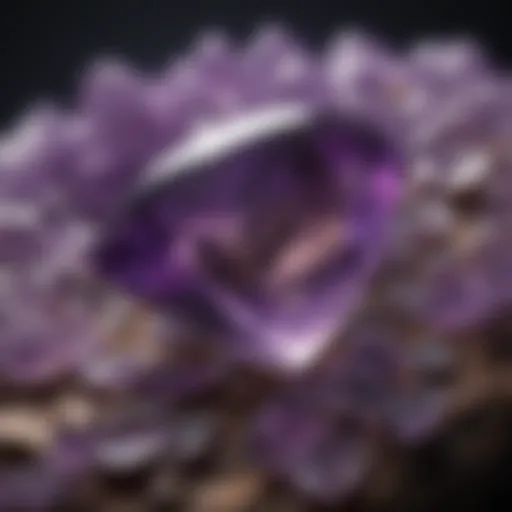
When we look at the long-term value appreciation of crystals, one principle stands out: rarity largely dictates value. For instance, a well-preserved vintage Amethyst from a known locality can fetch prices several multiples of lesser-quality specimens. Identifying crystals that are rare and high quality can greatly enhance an investor’s portfolio.
Key Factors Influencing Value Appreciation:
- Emerging Trends: As new uses and cultural interests arise, previously overlooked crystals might gain traction. For example, the surge in popularity of healing crystals has changed how many view their value.
- Market Demand: Crystal values often parallel fluctuations in online marketplaces, particularly on platforms like eBay and Etsy. Keeping tabs on trends can assist investors in making informed acquisition choices.
- Provenance: The history and authenticity of a crystal can augment its value. Documents of authenticity or ratings from established gemological laboratories can serve as valuable proof for potential buyers down the line.
Risks and Considerations for Investors
Every investment carries its risks, and real crystals are no exception. It’s essential for investors to approach this market with a strong understanding of their local conditions and the factors at play.
Considerations to Keep in Mind:
- Market Volatility: Just as there are peaks in value, dips can happen. Popularity can sway due to fashion or emotional appeal, impacting resale prices.
- Counterfeits: The crystal market is filled with imitations. Investors must be educated to differentiate between real gems and synthetics. Resources like Gemological Institute of America can equip collectors and investors with the knowledge needed.
- Investment Horizon: Crystals are typically not liquid assets. Thus, one needs to think about their investment horizon and be prepared to hold onto their pieces for a longer period to see significant returns.
"Investing wisely in crystals isn’t only about immediate profits; it's also about understanding the intrinsic worth of nature’s creations.”
Navigating the world of crystal investments involves substantial research and an appreciation for the beauty and history inherent in each piece. By weighing these factors thoughtfully, investors can position themselves well in a market that blends passion with potential financial return.
Culmination: The Value Proposition of Crystals
In examining the realm of real crystals, it becomes clear that their worth is not merely a matter of price tags; it encompasses a richer tapestry woven from various elements. This section aims to crystallize the essence of what makes these minerals much more than just shining rocks. Their historical significance, aesthetic appeal, and potential for investment converge to create a compelling value proposition.
Crystals serve multiple purposes—from decorative items in homes to integral components of holistic healing practices. For aficionados and collectors, each crystal tells a unique story of geological history and craftsmanship. This intrinsic value ensures that crystals are not just transient trends but solid investments that can appreciate over time. Moreover, understanding how crystals fit into the broader narrative of both culture and commerce enhances their allure.
When considering the costs associated with acquiring real crystals, it’s important to remember the interplay of factors such as rarity, quality, and demand. These elements can transform a simple gem into a prized possession or investment. The buyer’s journey involves untangling various elements, ensuring they are well-informed and equipped to assess the true value of their purchase.
Ultimately, the knowledge gleaned from this article arms potential buyers and collectors with insights to navigate the complex landscape. It encourages awareness of the multifaceted nature of crystal pricing, nurturing a deeper appreciation for these beautiful formations.
Summary of Key Insights
To summarize the key points discussed, several insights emerge:
- Understanding Quality: Evaluating clarity, cut, and authenticity plays a crucial role in determining the value of a crystal.
- Market Dynamics: The forces of supply and demand heavily influence crystal prices, wherein the balance, or imbalance, dictates availability and cost.
- Investment Potential: With careful consideration, certain crystals may yield long-term financial benefits, yet they require informed choices.
- Cultural Significance: Beyond commerce, crystals hold a special place in various cultures, elevating their appeal to collectors and enthusiasts alike.
By keeping these insights in mind, all parties involved in crystal trading can make informed decisions that reflect both personal passion and financial acuity.
Future Trends in Crystal Pricing
Looking ahead, several trends are poised to shape the future of crystal pricing in the coming years. The market’s pulse beats to the rhythm of evolving consumer preferences and technological advancements:
- Sustainability Focus: The growing awareness surrounding ethical sourcing is likely to increase the value of sustainably mined crystals, as consumers become increasingly aligned with products that champion environmental responsibility.
- Digital Marketplace Impact: The rise of online marketplaces and auction platforms can dramatically alter how crystals are bought and sold, potentially making prices more volatile due to broader access and increased competition.
- Evolving Aesthetics: Changing trends in home decoration and holistic practices may inspire demand for certain varieties of crystals, thus affecting pricing as trends wax and wane.
- Collective Investment Platforms: As fractional ownership becomes popular, smaller investors may pool resources, affecting how value is perceived in the crystal market.
By staying vigilant to these trends, collectors, investors, and enthusiasts can position themselves advantageously, adapting to shifts and taking informed steps in their crystal pursuits.