In-Depth Insight Into Quartz Composition and Uses


Intro
Quartz, a mineral that graces the Earth in myriad forms, holds a special place not just in the realms of geology, but also in the hearts of collectors and enthusiasts. Beneath its often crystal-clear exterior lies a complex composition and a rich tapestry of history that reflects the planet’s geological processes. Understanding quartz goes beyond knowing its formula; it invites one to delve into its origins, variances, and significance.
Let’s embark on this exploration, peeling back the layers to appreciate quartz’s unique material makeup, its formation journey, and its applications that straddle between aesthetic allure and practical utility.
Overview of the Topic
Definition of Key Terms
To kick things off, it’s crucial to nail down a few key terms associated with quartz. At its core, quartz is a mineral composed predominantly of silicon dioxide (SiO2). In more common language, it’s a compound that combines silicon with oxygen. You’ll find it in a variety of forms, ranging from the clear, glassy varieties to the more colorful—as in amethyst and citrine.
Historical Significance
Historically, quartz has been more than just a pretty face. From ancient times, civilizations harnessed its properties for crafting tools to even making jewelry. The Ancient Egyptians revered quartz, using it not only for adornment but also believed it had protective powers. Fast forward to today, and quartz is still invaluable in various industries ranging from electronics to optics. Its durability and versatility make it a mineral of much significance.
Quartz also plays a central role in geology, where it acts as an indicator of other geological processes. For rock and fossil collectors, being able to identify quartz in the field is often a rite of passage, as it’s one of the most abundant minerals on Earth.
In summary, understanding quartz isn’t merely an academic exercise; it’s an invitation to appreciate a mineral that has shaped human history and continues to influence our landscape. Its material composition, historical roots, and broad applications lay the groundwork for a deeper insight into its ongoing allure.
Intro to Quartz
The world of minerals can seem vast and complex, but at its core, quartz stands as a cornerstone in both geology and various applications in daily life. Understanding quartz is not merely an academic exercise; it has practical implications and historical significance. This segment serves as a doorway into the multifaceted nature of quartz—its material composition, its role in the natural world, and its varied uses across different domains.
Significance of Quartz in Geology
Quartz is often hailed as the most abundant mineral found in the Earth's crust, making it a key player in geological studies. Why is that important? Well, quartz is found in countless rock formations. Its presence can provide geologists valuable information about the conditions under which these rocks formed. For instance, the dominance of quartz in granite suggests a history steeped in igneous processes, while its myriad forms in sedimentary rocks can indicate the environments of their formation.
- Its durability allows quartz to withstand weathering processes, ensuring its presence in various geological environments.
- The stability of quartz compared to other minerals aids in understanding the geological cycle.
In professional circles, quartz is often used as an indicator mineral; geologists assess its presence for clues about associated mineral deposits, such as gold or other base metals. These additional considerations make quartz not just a standard textbook case but a practical tool for mineral exploration.
Basic Characteristics of Quartz
At a first glance, quartz might appear simple, but it holds a treasure trove of characteristics that contribute to its significance. Here are a few key points:
- Chemical Formula: Quartz is primarily composed of silicon dioxide (SiO₂), which is fundamental to its properties.
- Crystal Structure: Quartz adopts a hexagonal crystalline structure; this unique arrangement is why quartz gemstones can appear so distinctively.
- Color Variations: From clear and colorless varieties to vibrant hues like amethyst and citrine, color variations arise from elemental impurities, refracting light in enchanting ways.
"Quartz is not just a mineral; it signifies a connection to Earth’s history, helping us weave the narrative of its formation."
For rock and fossil collectors, these characteristics are crucial. Collectors often seek specific varieties for their unique properties, appreciating their aesthetic and historical value. Every piece of quartz tells a story of its journey through the ebbs and flows of geological time, making it an essential focus for enthusiasts and professionals alike.
Understanding the foundational aspects of quartz equips collectors with the knowledge needed to appreciate their specimens fully. This section highlights why quartz is more than just a common mineral; it is a vital element that weaves together geologic history and modern applications.
Chemical Composition of Quartz
The chemical composition of quartz is a cornerstone element that enhances our understanding of this fascinating mineral. Quartz, primarily composed of silicon dioxide (SiO2), stands as one of the most abundant minerals on the Earth’s crust. This section will elucidate the fundamental aspects of this compound, its significance, and the implications of its unique structure that captivates many in the fields of geology and mineralogy. It’s crucial to explore how the arrangement of its constituent elements contributes to quartz's distinctive properties and widespread applications.
Silicon Dioxide Structure
Silicon dioxide, the main ingredient in quartz, is structured in a tetrahedral formation. Each silicon atom at the center is covalently bonded to four oxygen atoms, forming a cluster that can be described as a pyramid. This configuration can be visualized by imagining a central point with the oxygen atoms extending outwards, creating a stable and strong framework. This arrangement is not just a random occurrence; it is the key to quartz's remarkable durability and hardness on the Mohs scale, ranking at a solid seven.
The suitability of quartz in various applications is largely attributable to this structure. For instance, the strong bonds between silicon and oxygen deter weathering, making quartz an ideal candidate for decorative stones, glass manufacturing, and even electronics. This resilience reflects nature's design, wherein the tetrahedral units connect in a three-dimensional network, creating a stable crystal lattice.
"Quartz’s silicon-dioxide structure is not just a chemical identity; it is the roadmap to its enduring existence in nature's gallery of minerals."
Formation of Crystal Lattices
Now that we've established the significance of silicon dioxide, let’s discuss how these tetrahedral units come together to form crystal lattices. The formation of crystal lattices occurs under different conditions, yet all involve the alignment of these tetrahedra in a systematic manner. As magma cools, or when mineral-rich fluids gradually evaporate, silicon and oxygen atoms find themselves aggregating in a structured fashion to create an organized lattice.
When conditions are just right, these lattices develop into well-formed quartz crystals, showcasing vibrant clarity and sometimes striking color variations. Geologists often cite the cooling of magma as a key process for crystal development because slower cooling allows for larger crystals to form. Alternatively, in hydrothermal settings, the high-pressure conditions cause silica-rich fluids to crystallize, yielding stunning varieties of quartz such as amethyst and citrine.
It is not only fascinating but remarkably significant that the methods of lattice formation directly influence the final characteristics of quartz crystals. The configuration impacts various physical properties, including cleavage and fracture patterns, as well as their aesthetic appeal in the eyes of collectors and jewellers alike.
As we delve deeper into the unique properties of quartz, it is essential to recognize how its chemical composition and crystal structures set the foundation for its functionality and beauty. These insights not only cater to the scientific community but also to rock and fossil collectors who appreciate the mineral on both aesthetic and geological levels.


For further exploration into the details of quartz's unique properties, consider visiting resources like Britannica and Wikipedia.
Physical Properties of Quartz
Understanding the physical properties of quartz is essential for appreciating its role in both nature and human applications. Quartz, a mineral composed primarily of silicon dioxide, exhibits remarkable characteristics that make it a preferred material in various fields, from geology to electronics. This section dives into specific attributes of quartz that not only enhance its appeal to collectors but also highlight its utility in multiple domains.
Hardness and Durability
Ranking a solid 7 on the Mohs hardness scale, quartz is celebrated for its durability. This property makes quartz resistant to scratches and wear, a fact that morphs into an asset in both natural and manufactured settings. For rock collectors, the hardness of quartz means that it can withstand the rigors of being handled and transported without suffering damage. This makes it an ideal specimen for display in collections, as well as a robust option for various utilitarian products.
The durability of quartz stems from its strong covalent bonds between silicon and oxygen atoms. Such a structure ensures that the mineral retains its integrity over long periods, maintaining not just its physical but also its aesthetic qualities. Whether weathering in nature or as part of jewelry, quartz holds up well and continues to draw admiration from observers and users alike.
"The enduring nature of quartz ensures that even after thousands of years, its beauty remains untarnished, telling tales of geological history."
Transparency and Color Variations
Quartz exhibits an impressive range of transparency that can vary from completely clear to completely opaque. This quality makes quartz adaptable for diverse applications including glassmaking, gemstones, and decorative items. Its ability to transmit light contributes to its desirability in jewelry; clear quartz allows for brilliant light refraction, making stones such as amethyst, rose quartz, and citrine captivating.
The variations in color are equally fascinating. Upon exposure to different metals, radiation, and chemical processes, quartz can take on myriad hues. For example, amethyst showcases a rich purple hue owing to iron impurities, while citrine features a warm, yellowish hue. Collectors often delight in gathering these variances, each representing a unique geological story. Here are some prevalent forms of colored quartz:
- Amethyst - purple variety, associated with clarity and balance.
- Citrine - yellow-orange form, often linked to prosperity.
- Rose Quartz - soft pink variant, symbolizing love.
- Smoky Quartz - brown to black hues, linked to grounding energies.
Thermal and Electrical Conductivity
Interestingly, quartz serves a dual role in terms of thermal and electrical conductivity. Although it is generally considered an insulator, quartz can exhibit piezoelectric properties; this means it can generate an electric charge when stressed. This unique quality is pivotal in electronic applications, especially in the manufacturing of quartz oscillators, which are vital for timekeeping in watches and various electronic devices. The thin wafers of quartz are subject to precision engineering to ensure they can effectively transform mechanical vibrations into electronic signals.
Moreover, in high-temperature settings, quartz maintains its stability, making it an essential component in equipment that must withstand temperature fluctuations and conduct heat efficiently. Its resilience is again appreciated in both nature and industrial manufacture, solidifying quartz's place as a material of choice.
Formation and Types of Quartz
Understanding how quartz forms and the various types of quartz available is crucial for anyone delving into its specfic applications or geological significance. The crystallization processes and the diversity within quartz varieties tell a rich story of Earth’s geological activity and mineralogic diversity. This section explores the distinct crystallization processes that give rise to different varieties of quartz while also explaining why these facets are important for collectors and researchers alike.
Crystallization Process
The crystallization of quartz serves as the foundation for its many forms. It is noteworthy to understand that crystallization occurs primarily through two main processes: the cooling of magma and the infiltration of hydrothermal solutions. Together, these methods lead to the formation of different quartz types, each boasting unique characteristics.
Cooling of Magma
When magma cools, it creates a rich environment for the formation of quartz crystals. The process is relatively straightforward yet crucial — as the magma cools, minerals crystallize at different temperatures, forming a mosaic of various minerals, including quartz. The key aspect here is the temperature gradient that influences crystal growth.
- Popular Choice: This method is widely recognized for producing well-formed, large quartz crystals.
- Unique Feature: Crystals formed in this manner often display clarity and size, making them desirable for collectors.
- Advantages and Disadvantages: The downside is that crystals can be trapped within other rocks, making extraction sometimes challenging.
Hydrothermal Solutions
In contrast, hydrothermal solutions refer to quartz formation in mineral-rich hot water environments. As water moves through cracks in rocks, it dissolves minerals, which later deposit as the water cools or evaporates. This method is significant due to its ability to create diverse quartz varieties, which can include beautiful colorations and patterns.
- Beneficial Choice: Hydrothermal quartz can exhibit remarkable colors due to the presence of trace elements.
- Unique Feature: This variety can show intricate and beautiful growth patterns — think of amethyst or citrine, each bearing clues to their formation history.
- Advantages and Disadvantages: One disadvantage is the relatively smaller size of the crystals formed, compared to those emerging from magma.
Varieties of Quartz
Quartz isn't just quartz. It comes in various forms. Each has its unique aspect, whether in color, shape or even folklore. Here, we’ll dive into some well-known varieties of quartz, focusing on their unique features and significance.
Amethyst
Amethyst is renowned for its stunning purple hue, which results from iron impurities within the crystal lattice.
- Key Characteristic: Its beautiful coloration makes it a favorite in both jewelry and decorative pieces.
- Benefit to Article: This variety represents the captivating allure of quartz, showcasing how minor variations can lead to significant aesthetic value.
- Unique Feature: Amethyst is also thought by some to possess calming properties, adding an extra layer of interest.
Citrine
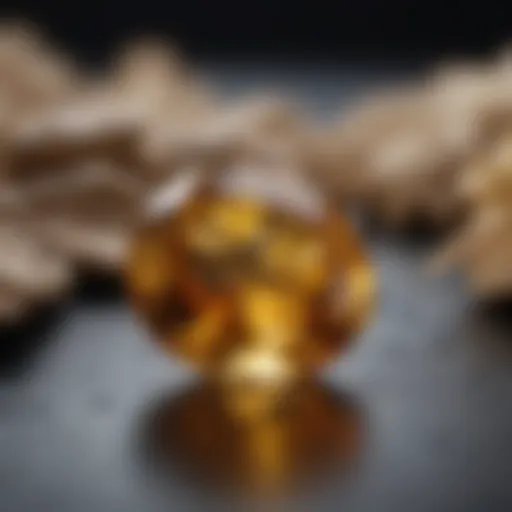
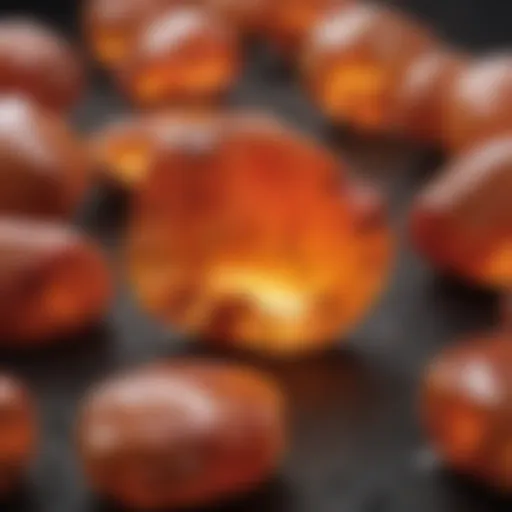
Next is citrine, distinct for its vibrant yellow to orange shades, a result of iron oxidation.
- Key Characteristic: Its sunny appearance can lighten any collection and inspires positivity among those who appreciate it.
- Benefits: Including citrine in the article illustrates quartz's ability to vary not only in form but also in visual appeal and market value.
- Unique Feature: Naturally occurring citrine is relatively rare, making it even more sought after.
Rose Quartz
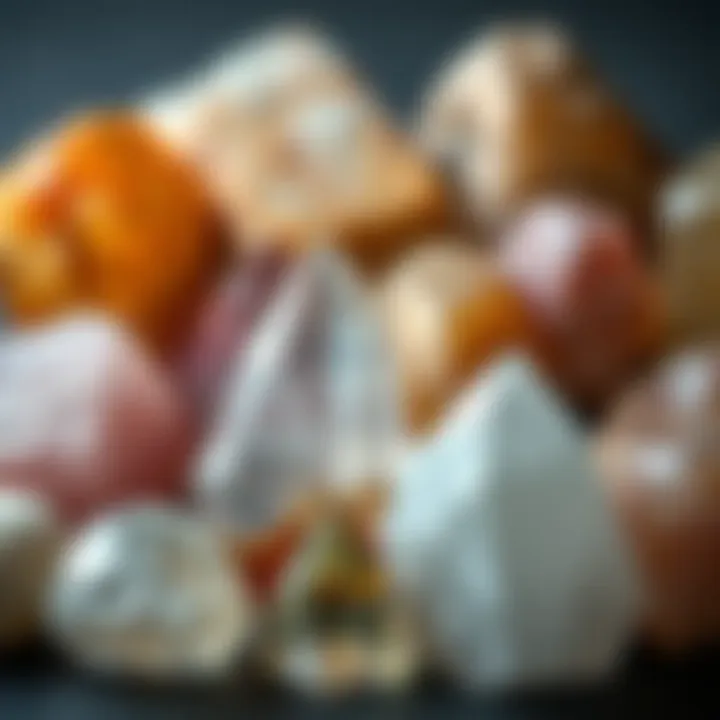
Then, there’s rose quartz, a gentle pink hue that has been popular throughout history.
- Key Characteristic: Often associated with love and healing, rose quartz attracts a diverse audience.
- Benefit: Its inclusion in the narrative serves to underline quartz as not only a geological specimen but also a cultural one.
- Unique Feature: The translucent appearance enhances its desirability for various crafts.
Smoky Quartz
Lastly, we have smoky quartz, which ranges from light gray to nearly black. Its coloration arises from natural radiation effects.
- Key Characteristic: Its dramatic color offers contrast to lighter quartz varieties, appealing to collectors looking for diversity.
- Benefits: This variety enriches the discussion by highlighting the geological implications of radiation on crystal color.
- Unique Feature: The darker color often symbolizes strength, giving this quartz its unique presence in both aesthetic and metaphysical contexts.
By examining the different processes and types of quartz, we gain insights into how this mineral has formed, evolved, and continues to captivate rock and fossil collectors today. Through the lenses of geology and practical applications, quartz remains a significant subject worth exploring further.
Geological Significance of Quartz
Quartz is not just a pretty rock. It's a cornerstone of geology that offers invaluable insights into Earth’s processes and history. This mineral’s abundance and characteristics make it an essential player in various geological settings. Understanding its significance helps in unfolding the story of Earth itself, making it crucial for both collectors and scientists alike.
Indicators of Geological Processes
Quartz serves as a reliable indicator of various geological processes that have shaped the planet over millions of years. Its resilience against weathering and erosion means that it can endure conditions that might destroy other minerals. As a result, quartz often finds itself in sedimentary deposits where it signals the past processes that created the rocks around it.
- Sedimentary Environments: In sedimentary rocks, quartz contributes to understanding deposition environments. Its presence often indicates a history of sedimentary transport, typically by rivers or wind. Collectors often find quartz-rich sands in coastal areas, revealing its dynamic geological journey.
- Metamorphism Indicators: Quartz also plays a pivotal role in metamorphic rocks, acting as a witness to high-grade metamorphic conditions. Its ability to remain stable under high pressure and temperature makes it an ideal marker for geologists to determine the metamorphic processes a rock has undergone.
Quartz offers a window into the past, revealing the trails left by geological activity that define Earth's surface.
Role in Sedimentary and Metamorphic Rocks
The role of quartz in sedimentary and metamorphic rocks cannot be overstated. In the grand scheme of things, quartz often functions as a building block. Its durability ensures that it can be carried along by natural forces and deposited into different formations.
- Sedimentary Rocks:
- Metamorphic Rocks:
- Quartz is a primary component of sedimentary rocks such as sandstone. The grains of quartz are hardened by natural cementation, forming solid rock that offers clues into the sedimentary environment and the forces that shaped it.
- Locations where quartz sediment is abundant are often ideal for collectors, as they provide a rich tapestry of geological history.
- In metamorphic rocks, quartz can form during the recrystallization process, acting as a resistant phase that survives intense changes.
- The presence of quartz in metamorphic rocks like gneiss and schist indicates exposure to high temperatures and pressures, thus helping geologists map out ancient tectonic activity.
In summary, quartz stands out as a crucial element in the geological study of both sedimentary and metamorphic rocks. It not only enhances our understanding of Earth’s dynamic processes but also helps rock and fossil collectors appreciate the very history embedded in the materials they cherish. Understanding quartz and its geological significance strengthens the connection between science and collecting.
Applications of Quartz
The applications of quartz extend far beyond mere mineralogy; they play a pivotal role in various sectors, blending utility with innovation. As society progresses, the multilayered functionalities quartz provides become increasingly essential. From technology to the culinary world, quartz proves its worth in enhancing both efficiency and aesthetic value.
Quartz in Electronics
Use in Oscillators
Oscillators are at the heart of modern electronic devices, from radios to smartphones. Quartz oscillators utilize the unique property of quartz to maintain a steady frequency, which is crucial for precise timing in electronic circuits. The key characteristic of these oscillators is their remarkable stability and accuracy, which allows devices to operate smoothly with minimal variation.
One prime example of quartz's benefits in oscillators is the temperature stability it provides. Changes in temperature have a diminished effect due to the inherent properties of quartz, making it a stellar choice in environments where precision is key. Whether it's for communication devices or medical equipment, having a reliable frequency reference is paramount.
While quartz oscillators are widely revered, they are not without disadvantages. For instance, they can be relatively more expensive compared to their alternatives, such as LC oscillators, particularly when high precision is required. However, the investment is often justifiable considering the accuracy required in critical applications.
Quartz Watches
Quartz watches have revolutionized timekeeping since their introduction in the late 20th century, offering unmatched accuracy at a lower cost. The fundamental element that sets quartz watches apart is their reliance on the quartz crystal's oscillation for time measurement. This makes them not only reliable but also incredibly durable, which is why they remain a favored choice among consumers.
The unique feature of quartz watches is their battery operation combined with the quartz crystal's capability to regulate time. Unlike mechanical watches, which rely on gears and springs, a quartz watch can operate flawlessly for years with minimal maintenance. This convenience appeals to everyday users and collectors alike, ensuring a consistent demand in the market.
One drawback, however, is that some watch enthusiasts prefer the craftsmanship of traditional mechanical watches over the precision of quartz. Yet, for those looking for reliability and ease of use, quartz watches are hard to beat.
Culinary Uses of Quartz
Natural Water Filtration
In the culinary realm, quartz finds a crucial usage in natural water filtration systems. Its ability to filter impurities is significantly valued in ensuring that the water consumed is clean and safe. The primary advantage of using quartz in filtration is its effective removal of harmful contaminants while retaining essential mineral content. This makes it a highly beneficial choice for households prioritizing health and sustainability.
The unique feature of quartz’s filtration capability lies in its porous structure, which facilitates the trapping of various particles, ensuring clarity in water. As more people become aware of environmental sustainability, the demand for natural filtration methods is on the rise, making quartz an invaluable resource.
However, one must consider that not all quartz-based systems are created equal. Some may require additional filtration methods to ensure complete purification, which can detract from their appeal for certain consumers.
Kitchen Countertops
Quartz countertops have gained immense popularity in both residential and commercial kitchens. This is due to their durability, low maintenance, and attractive aesthetics. Unlike other materials, quartz counters are engineered to resist scratches and stains, making them an exceptional choice for busy kitchens.
What sets quartz countertops apart is not just their visual appeal but also their non-porous nature, which prevents bacteria from harboring on the surface. This characteristic is crucial for food safety and contributes to the health-conscious lifestyle many aspire to.
Despite their many advantages, quartz countertops can be relatively heavy and require proper installation. Also, while the color options are often stunning, they can lean towards the pricier end of the spectrum when opting for premium varieties. In the battle of functionality and design, quartz countertops often emerge victoriously, captivating homeowners and chefs alike.
"Quartz is not just a mineral; it's a cornerstone of modern applications, exemplifying how natural resources can enhance technology and lifestyle."
The myriad applications of quartz highlight its significance in today's world, balancing practical needs with aesthetic desires. As we continue to explore and innovate, quartz remains a vital mineral that intertwines with various aspects of our daily lives.
Quartz in Collectibles and Decorative Arts
The prominence of quartz in the collectibles and decorative arts realm cannot be overstated. Enthusiasts and artisans alike find this mineral to be an alluring medium, one that offers not only aesthetic beauty but also a narrative tied to the Earth's geological history. Whether it takes the form of striking crystal specimens or intricate jewelry, quartz plays a significant role in the artistic and collectible landscape.
Collecting and Displaying Quartz Specimens
The act of collecting quartz specimens is not merely a hobby; it’s a detailed pursuit. Collectors often seek unique pieces that exhibit distinct colors, shapes, and formations. Here’s what makes it so compelling:
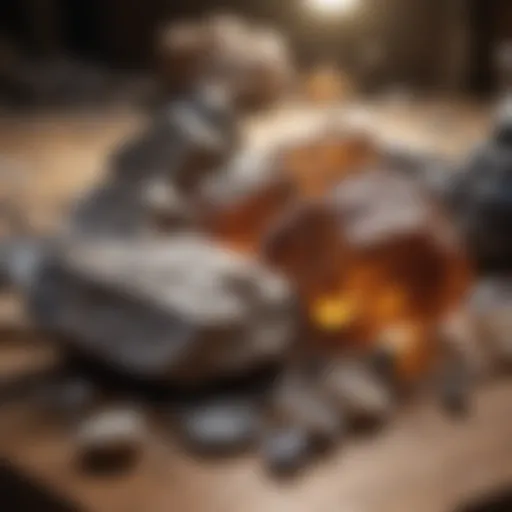
- Variety: Quartz comes in numerous forms, from clear rock quartz to colorful varieties like amethyst and citrine. Each type has its own story, almost like a fingerprint of the environment in which it formed.
- Display: The way a quartz specimen is displayed can greatly enhance its visual appeal. Display cases, backlit settings, or even standalone mounts can transform a simple rock into an eye-catching feature. Consider using natural wood bases or minimalist glass enclosures to honor the beauty of the crystal itself.
- Community: Joining local or online mineral clubs can expose collectors to new finds and offer opportunities to trade or sell specimens. Platforms like Reddit often feature dedicated spaces for trade and discussion, where one can learn and share knowledge about quartz collecting.
Collectors must also be aware of provenance and authenticity, ensuring that their quartz specimens genuinely reflect the geological processes that shaped them. A well-documented specimen is not just more valuable; it tells a richer story.
Use in Jewelry and Art
Quartz has carved a niche in jewelry and decorative arts, serving as a canvas for creativity. Its properties and diversity make it an ideal medium for various applications:
- Jewelry Making: Many artisans utilize quartz due to its availability and versatility. Necklaces, bracelets, and earrings fashioned from amethyst or rose quartz can be both mesmerizing and meaningful. These pieces often carry cultural or spiritual symbolism, adding another layer of appreciation for wearers.
- Artistic Expressions: Beyond functional design, quartz is often incorporated into sculptures and decorative pieces. Artists can carve or polish quartz to create visually captivating items, merging natural beauty with craftsmanship. The tactile quality of polished quartz draws people in, making it a popular choice for both contemporary and traditional artworks.
- Healing Properties: Many collectors and artists also believe in the metaphysical benefits of quartz, using it in spiritual practices. Some folks create talismans or use quartz in meditation practices. The aesthetic beauty combined with perceived healing properties makes it a popular choice for people seeking both the ornamental and the esoteric.
"In the hands of an artist, quartz is not simply a stone; it's a medium for emotional resonance and expression."
As quartz continues to hold a position in the world of collectibles and decorative arts, its importance cannot be underestimated. The interplay of geological uniqueness and human creativity fosters a connection between the mineral and those who appreciate its artistry.
Environmental and Health Considerations
The conversation surrounding quartz extends beyond its captivating beauty and versatile applications. In today’s world, it’s crucial to examine the environmental and health implications of quartz mining and processing. Understanding these considerations not only informs collectors and enthusiasts about the origins of their prized specimens but also sheds light on broader ecological issues.
Sustainability of Quartz Mining
Sustainable practices in quartz mining are more than just buzzwords; they're necessities in the ongoing pursuit of environmental balance. Traditional quartz mining often leaves behind substantial ecological footprints, including habitat destruction, water pollution, and loss of biodiversity. Consider how the extraction of quartz affects local ecosystems, especially in regions rich with geological diversity.
To mitigate these impacts, companies are now exploring more sustainable methods. For instance, methods such as reduced surface disturbance, reclamation of mined lands, and water conservation techniques play pivotal roles in promoting sustainability. Mining operations that prioritize reducing waste and minimizing environmental disruption can cultivate safer environments not only for wildlife but also for communities nearby.
Investing in technologies that reduce the carbon output during extraction also serves as a significant step toward sustainability. For example, using energy-efficient machinery can decrease the fossil fuel consumption associated with mining activities. It pays to remember that a sustainable approach to quartz mining not only protects the environment but also ensures that collectors can continue to enjoy resistant and abundant resources for future generations.
Health Impacts of Quartz Dust
The fine dust generated during quartz mining and processing presents a health risk that should not be overlooked. When quartz is mined or ground, silica dust is released into the air, which poses serious health concerns for workers and nearby residents. Prolonged exposure to silica dust can lead to a condition called silicosis. This lung disease affects not just quarry workers but also people living near mining operations, necessitating rigorous health and safety regulations.
Many jurisdictions have implemented control measures to address this issue. For instance, enforcing the use of proper protective equipment, like respirators, and improving ventilation systems in mining environments can significantly reduce the risks associated with inhaling silica dust. Additionally, it’s essential to conduct regular monitoring for air quality to protect both the workers and the surrounding communities.
"Understanding the health impacts of quartz dust is vital; it’s not just about the mineral, but about the people who extract and live next to it."
Overall, approaching the environmental and health considerations surrounding quartz with a conscientious mindset enhances our understanding of this incredible mineral. More than just an aesthetic or functional object, quartz is intertwined with crucial ecological and health dynamics that demand attention and care.
End and Future Perspectives
As we reach the culmination of this exploration, it’s vital to recognize the extensive implications of quartz, not just within geology, but also in various aspects of our daily lives. The importance of quartz extends beyond its simple beauty; it is a cornerstone of modern technology and environmental considerations.
Emerging Research in Quartz Applications
Scientific advancements continue to shine a light on the versatility of quartz. Researchers are uncovering novel applications of quartz in fields like technology, medicine, and even sustainability. For instance, quartz crystal oscillators remain integral in precision electronics, underscoring our reliance on this mineral for constant innovation. New studies are investigating the use of quartz in solar energy systems, aiming to enhance efficiency and reduce costs. Moreover, quartz’s properties make it a potential candidate for advanced materials in construction and engineering. As environmental concerns rise, the systems for recycling and utilizing quartz are increasingly being developed, reinforcing justice for our planet alongside technological growth.
The Ongoing Relevance of Quartz
The enduring nature of quartz shines through in its continuous integration into our modern world. From its role in gemstone collecting to its application in artifacts, quartz remains a fundamental element. Collectors find themselves not just drawn to its aesthetic appeal but also to its complex backdrop and the geological stories contained within each crystal. Furthermore, quartz’s health implications, particularly the effects of quartz dust on human health, are prompting ongoing research, steering practices in mining and construction towards safer methods.
In essence, as quartz remains relevant in both scientific inquiry and everyday utility, collectors and enthusiasts are encouraged to keep abreast of advancements in the field. The journey of understanding quartz is far from over; rather, it opens a door to deeper comprehension and appreciation of this remarkable mineral.
“Quartz is not just a rock; it's a testament to Earth's geological history and a preview of future technological advancements.”
To delve deeper into the historical and future applications of quartz, resources such as britannica.com or wikipedia.org might serve as valuable guides.