Understanding Boulder Opal: Characteristics and Uses


Intro
Boulder opal, often seen as one of nature's hidden treasures, represents a marvelous blend of beauty and geological history. It is not just a stone; it's a narrative etched in the rugged ironstone matrix, with colors that dance and shimmer, capturing the eye and imagination of collectors and enthusiasts alike. Opposite the more common precious opal, boulder opal shines in its own uniquely textured way, offering a distinct identity while holding immense value in the gem and jewelry market.
This article aims to guide you through the detailed landscape of boulder opal, from its formation process deep within the earth to its current status as a sought-after collectible. Following each twist and turn of this stellar gemstone, we will uncover its uses, care instructions, and the geographical sources that enrich it.
Get ready to dive into the kaleidoscopic world of boulder opal—a gem that goes beyond aesthetics, offering a tale of natural wonder and human appreciation.
Overview of the Topic
Definition of Key Terms
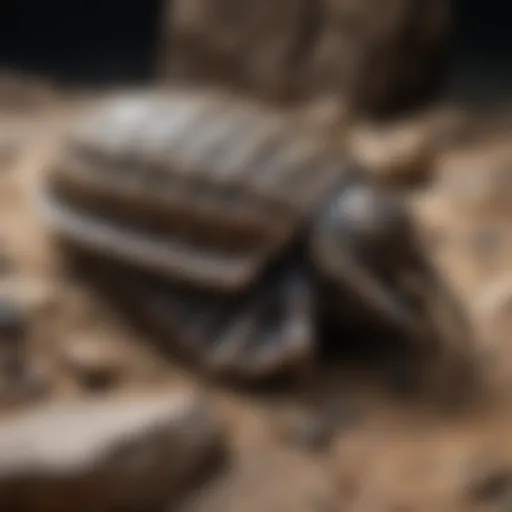
Boulder opal can be defined as opal that has formed within a host rock, specifically ironstone. This fascinating combination results in opal that is embedded in a rock matrix, giving it its distinctive appearance and durability.
- Opal: A mineraloid composed of silica, known for its vivid colors and play of light.
- Ironstone: A sedimentary rock that is rich in iron, providing a sturdy matrix for boulder opal.
Historical Significance
The history of boulder opal is as rich as its vibrant hues. Indigenous Australians were the first to recognize and utilize opals for their aesthetic appeal, often incorporating them into artifacts and jewelry. The modern commercial interest began in the late 19th century, driven by discoveries in places like the Queensland region. Australian boulder opal has since gained a reputation as a premium gemstone, drawing collectors from around the globe.
Types of Collectibles
Boulder opal belongs to a category of unique collectibles, each with its nuances that make them particularly desirable.
Classification of Different Collectibles
- Raw Boulder Opal: Unrefined and uncut, these stones retain their natural form and are sought after for their uniqueness.
- Polished Boulder Opal: Finished stones that display enhanced aesthetics, smoothened surfaces allowing for a more vivid appearance.
- Boulder Opal Jewelry: Crafted pieces that showcase the stone in various settings, from rings to pendants.
Notable Categories
- Doublets and Triplets: These are composite stones combining boulder opal with other materials to enhance appearance and durability.
- Artisan Crafts: Handcrafted pieces that integrate boulder opal into various artistic endeavors, appealing to collectors looking for something truly unique.
"Boulder opal is not just about the beauty; it embodies stories of the earth's history, reflecting the conditions under which it formed."
Understanding these classifications helps collectors determine where to focus their interest and investment. By diving deeper into the nuances of boulder opal, anyone can gain richer insights into its appeal and how to curate a collection that is both meaningful and valuable.
As we continue on our journey, the next sections will further illuminate the formation processes and geographical sources of boulder opal, along with practical care tips to ensure these stunning collectibles shine brightly for years to come.
Foreword to Boulder Opal
Boulder opal isn’t just a gem; it’s a fascinating piece of Earth’s history encased in ironstone. Given that this variety of opal is less common than its counterparts, it brings with it a unique allure that captures the heart of gem enthusiasts and collectors. In this section, we will explore the significance of boulder opal and what makes it stand out in the vast landscape of gemstones.
Understanding boulder opal is essential for anyone looking to delve deeper into the world of gemstones. Not only does it possess stunning aesthetics with swirling colors and patterns, but it also carries a geological story unlike most other gems. From its definition, which marries both mineralogy and artistry, to the unique features that distinguish it from other opals, this gemstone offers multiple layers of fascination.
Furthermore, boulder opal serves as a bridge for discussions on various aspects, like its formation processes and geographical origins. The stories behind these opals reveal much about the regions they hail from, thus broadening the collector’s understanding of provenance and value.
In summary, this section lays the groundwork for a comprehensive exploration of boulder opal, focusing not only on its physical characteristics but also on its role within the larger gemological context. The importance of boulder opal transcends aesthetics; it’s about appreciating the intricate relationships between geology, culture, and artistry that these gems embody.
Defining Boulder Opal
At its core, boulder opal can be defined as opal that is found within a host rock of ironstone. Unlike the more uniform varieties of opal, such as white or black opal, the boulder opal’s unique selling point lies in its mixture of argillaceous type and the ironstone matrix. This combination creates a striking contrast that can produce a diverse range of colors and patterns.
Most importantly, boulder opal is not only a visually engaging gemstone but also a product of specific geological environments, often originating in Australia. The fact that boulder opals form in a natural matrix rather than being entirely amorphous adds to their complexity and appeal. They begain as silica-rich solutions that seeped into cracks of ironstone, slowly crystallizing into the artistic marvels we see today.
Distinct Features of Boulder Opal
The distinct features of boulder opal set it apart in the realm of gemstones. Here’s a closer look:
- Color Play: Often, boulder opals exhibit vivid color flashes that can shimmer across the surface, resulting from the way light interacts with the unique internal structure.
- Nurtured by Nature: Each stone is distinct. The natural ironstone matrix contributes to a rough yet beautiful texture, making each piece one-of-a-kind.
- Visual Alterities: Unlike traditional opal, the matrix from which they form can show through, creating intriguing patterns that seem almost alive, capturing the eye in ways other gems simply don’t.
- Durability: Due to the ironstone backing, boulder opals tend to be more durable compared to other types of opal, making them suitable for various jewelry applications.


"Boulder opals are like nature's own paintings, crafted over millions of years, displaying colors that can take your breath away."
Attention to these distinct features greatly enhances one’s appreciation of boulder opal, transforming how collectors and admirers view these captivating gemstones.
Formation of Boulder Opal
Understanding the formation of boulder opal is key to appreciating its unique properties and intrinsic value. Boulder opal is not just another gemstone; its formation is a fascinating story that intertwines geology, mineralogy, and the artistry of nature. The conditions that lead to the creation of this opal variation are not only crucial for its physical characteristics but also enrich our understanding of Earth’s geological processes.
Boulder opal forms within a matrix of ironstone, and the specific conditions under which it develops can greatly impact its appearance and properties. Unique geological factors, such as mineral content and pressure, play pivotal roles in shaping these opals. Such insights help collectors and enthusiasts recognize the differences between boulder opal and other opal types, giving them a deeper appreciation for this gemstone.
Geological Conditions Favoring Formation
To dive into the specifics, let’s look at the geological settings favorable for the formation of boulder opal. These stones primarily form in volcanic regions, where silica-rich solutions penetrate existing cavities within the ironstone matrix. Over time, the silica precipitates and slowly fills these spaces, resulting in the formation of opal.
- Hydration: A critical factor in boulder opal’s formation is the presence of water. Fluctuations in groundwater levels allow silica to deposit in layers, gradually forming opal.
- Temperature and Pressure: The ideal temperature and pressure conditions also play a role. Elevated temperatures can speed up the deposition of silica, while consistent pressure contributes to the density of the resulting opal.
- Time: Patience holds sway in nature. The process takes thousands to millions of years, where tiny changes yield beautiful stones.
The intersection of these elements creates a perfect environment for the opal to crystallize. Thus, the geological context becomes more than background information; it’s integral for any collector wanting to understand the allure of boulder opal and its distinct qualities.
Mineral Composition and Structure
The mineral composition of boulder opal is a fundamental aspect of its beauty and authenticity. Unlike precious opals, which typically consist of a pure silica composition, boulder opal contains significant amounts of ironstone, a natural element that contributes to its durability.
- Silica Gel: At the core of boulder opal is silica, often in a gel form. As it solidifies, it creates unique color patterns influenced by microscopic structures within the stone.
- Ironstone: The ironstone matrix not only shapes the opal but also lends it striking color contrasts. Depending on the iron deposit, the opal can show everything from earthy browns and reds to vibrant blues.
- Layering: Often, boulder opal reveals layers, showcasing a mix of colors and patterns that intrigue collectors and artists alike. These layers form as varying conditions are met during the deposition of silica, making each piece distinct.
In summary, the unique formation processes, geological conditions, mineral composition, and structural attributes all contribute to making boulder opal a fascinating subject of study. Understanding these aspects can help enthusiasts choose pieces wisely, assessing their worth and appreciating the nuances they bring to the world of gemstones.
"Boulder opal stands as a testament to nature’s artistic capability, shaped over millennia to offer both beauty and complexity."
For further reading on geological processes, check out resources on Geology.com and Britannica.
Geographical Sources of Boulder Opal
Boulder opal is far more than just a pretty rock; it embodies a rich history and unique characteristics shaped by its geographical origin. In this section, we'll dive into the primary locations where boulder opal is mined and the role that location plays in determining its quality. Understanding these geographical sources is essential for rock collectors and enthusiasts alike as it influences both the value and desirability of the gemstone.
Primary Locations for Mining
When it comes to boulder opal, Australia takes the crown as the primary source, covering a range of spectacular sites that have become the heart of opal mining. The Eaglehawk Opal Field in Queensland is a treasure trove, renowned for its striking colors and patterns. The opal here often displays vivid flashes of color that enthusiasts covet. In addition, the Winton Opal Fields offer a wide variety of opals, with the bonus of frequently revealing impressive boulder opal formations embedded in ironstone.
Here are some other notable locations for boulder opal mining:
- Coober Pedy: Famous for its underground opal mines, this area produces high-quality gemstones, although primarily it specializes in other types of opal.
- Lightning Ridge: While well-known for black opal, there's boulder opal to be found as well, contributing to a diverse collection.
- Yowah: Renowned for its distinctive matrix, Yowah’s boulder opals often come with fascinating patterning that collectors appreciate.
These locations not only establish the boulder opal's market viability but also symbolize the craftsmanship of the miners who extract these stones from the earth—each one with its own unique story.
Impact of Location on Quality
The significance of where boulder opal is mined cannot be overstated; it heavily influences the stone's quality, appearance, and ultimately its market value. In general, opals are valued based on their color, pattern, and clarity. The location where they are extracted plays a substantial role in these attributes.
For instance:
- Color Intensity: Opals from the Eaglehawk field are famous for their rich color tones that are vibrant and bright, while those from Yowah may showcase a more rustic charm with earthy hues.
- Patterning: The distribution of colors in boulder opal can be heavily affected by the surrounding ironstone matrix in different mining locations. A patterned boulder opal with a mix of color and texture, for example, is often more highly prized than a solid color due to its artistic appeal.
- Clarity and Rarity: Areas like Lightning Ridge tend to yield larger stones with a finer clarity, which can fetch higher prices on the market than those from less renowned mining sites.
"The artistry found in each boulder opal is inherently tied to its origins, with nature painting a unique masterpiece in each stone."
Types of Boulder Opal
Understanding the various types of boulder opal is crucial not only for enthusiasts and collectors but also for artisans involved in jewelry-making and investment. Each type presents its own unique characteristics, allowing buyers and creators to make informed choices that align with personal taste and investment goals. Recognizing these differences is like opening a treasure chest where each gem offers a glimpse into the earth's history and artistry.
Types Based on Color and Patterns


Boulder opals are deeply admired for their spectacular colors and intricate patterns, making them a favorite among gem aficionados. The vibrant hues of red, blue, green, and yellow often mix like a painter's palette splashed across the stone, creating unique visual experiences. When evaluating boulder opals, consider these types based on color and patterns:
- Harlequin: Recognized for its distinctly patterned flash of colors resembling a patchwork quilt, this type generates great appeal. It is among the most coveted variations and can command high prices.
- Boulder Opal Matrix: This variation displays a cacophony of colors intertwined with the ironstone matrix, offering a unique appearance that encapsulates both earthy tones and vibrant flashes.
- Crystal Boulder Opal: Generally characterized by a translucent quality, where the colors sparkle through a clear layer, this type can offer a striking contrast against the dark background of the ironstone.
- Picture Boulder Opal: As the name suggests, these stones showcase patterns that resemble landscapes or images. When viewed from different angles, they can evoke an emotional experience akin to gazing at a piece of art.
Choosing the right type based primarily on color or pattern can significantly influence aesthetic appeal. While the more colorful options tend to cost more, deep, bold hues often attract better investment returns.
Classification by Rarity and Value
The classification of boulder opal not only connects to its color and patterns but also to its rarity and resultant market value. This classification helps collectors ascertain which pieces are worth their weight and investment. Important factors to consider here include:
- Rarity Levels: Certain types of boulder opal are rarer than others, directly impacting their value. For instance, high-quality harlequin patterns are less commonly found, making them more sought after.
- Market Demand: The value of boulder opal is heavily influenced by current market trends, where styles and preferences can shift dramatically. Observing these movements provides collectors with an insight into potential future value.
- Condition and Quality: The overall condition and quality of the opal play a significant role in its classification. Flaws, cracks, or dull colors in a specimen can dramatically lower its value despite other appealing characteristics.
- Origin: A boulder opal's geographical origin, such as the Queensland region in Australia, can contribute to its rarity and value. Stones from well-known mining locations often carry a premium.
Collectively, classification based on rarity and value serves to guide both buyers and sellers in the intricate world of boulder opals. Understanding these aspects equips collectors with the knowledge required to make educated decisions, enhancing their enjoyment and satisfaction with this captivating gemstone.
"Understanding the types of boulder opal allows one to appreciate not just its beauty but also its story, shaped by nature over millennia."
For more insights about the complexities of gemstones, check sources like Wikipedia or Britannica.
Value and Market Trends
Understanding the value and market trends surrounding boulder opal is crucial for collectors, enthusiasts, and investors alike. This section dives into the intricate factors that determine the gemstone's worth and the dynamic landscape of its marketplace. With the rise in popularity of unique gemstones, boulder opal stands as a symbol of natural beauty and individuality, making it an attractive choice in the collectibles arena.
Factors Influencing Value
Boulder opal's value is not just a straightforward matter of weight or surface shine; multiple elements come into play when pricing this remarkable gemstone. Here’s a breakdown of the primary factors:
- Color Play: The vividness and brightness of the colors in the opal significantly affect its value. Stones that boast vibrant flashes of red, green, or blue often fetch a better price than those with muted or less dynamic colorations.
- Rarity of Patterns: Like a fingerprint, no two boulder opals are exactly alike. Unique patterns, such as a well-defined harlequin or lace-like formations, can elevate the stone's desirability and market worth.
- Quality of the Matrix: The ironstone matrix that houses the opal plays a pivotal role. A well-integrated opal that harmonizes with its matrix not only enhances visual appeal but also adds to its value.
- Shape and Size: Larger stones or those with exceptional shape may command higher prices. However, cuts that retain significant natural appearance can also be prized, especially by collectors who appreciate the rough beauty of the stone.
- Market Demand: As with any collectible, the current market demand can radically impact the price. Seasonal trends, fashion, and the overall economy weave into the fabric of buying behavior. Special events, exhibitions, or features in popular media can spark new interest, thus influencing values.
"The essence of boulder opal's allure lies in its intricate dance between nature's artistry and market dynamics."
Current Market Trends in Boulder Opal
The market for boulder opal has seen some lively shifts in recent times. A blend of emerging trends contributes to its rising appeal.
- Increasing Appreciation for Artisan Jewelry: In an age where mass production is the norm, many buyers are leaning toward unique, artisan-made jewelry. Boulder opal, with its one-of-a-kind characteristics, fits well into this category, providing a market niche for skilled jewelers to explore.
- Investment Potential: Investors are starting to recognize the potential of boulder opal as a valuable asset. Stories circulate about remarkable auctions where certain opals have fetched impressive sums. Investors are keen to get in early on what they perceive as a growing market.
- Sustainability and Ethical Sourcing: With buyers increasingly concerned about the origins of their purchases, ethically sourced boulder opal is witnessing a surge in acceptability. Buyers want to know their gems come from sustainable operations, making responsible mining an attractive selling point.
- Digital Platforms for Buying and Selling: The rise of online platforms dedicated to gemstones has made boulder opal more accessible than ever before. Collectors and new buyers alike appreciate the convenience and range of options available, which contributes to the competitive pricing within this vibrant market.
In essence, keeping an ear to the ground on trends and values can prove beneficial for anyone looking to dive deeper into the world of boulder opal. This gemstone holds a multitude of opportunities for those willing to engage with its unique beauty.
Uses of Boulder Opal
The uses of boulder opal extend far beyond mere decoration. This unique gemstone has become a cornerstone in the art of jewelry making and serves as a significant asset for collectors and investors alike. Understanding the multifaceted applications of boulder opal illuminates its cultural relevance, aesthetic appeal, and intrinsic value.
Applications in Jewelry Making
When it comes to jewelry, boulder opal’s vivid colors and patterns make it a favorite among artisans and wearers alike. Its ability to catch the light and display a spectrum of hues sets it apart from other gemstones. Ring settings, pendants, and earrings often feature boulder opal because each piece tells a different story, a tale captured in time and stone.
- Versatile Designs: Jewelers utilize boulder opal to create both traditional and contemporary pieces. The stone’s irregular shapes allow for creative freedom. From delicate inlays to bold statement pieces, designers can cater to a broad clientele.
- Symbolism of Connection: Often associated with personal significance, many individuals choose boulder opal for bespoke jewelry, making it a gift that symbolizes connection and uniqueness. It adds depth to special moments, turning them into a narrative etched into time.
- Durability factor: Despite being a form of opal, boulder opal is usually more durable due to its ironstone matrix. This resilience makes it suitable for daily wear while maintaining its luster.
Overall, the applications of boulder opal in jewelry making not only enhance aesthetic appeal but also create a personal bond between the gemstone and its wearer.
Role in Collecting and Investment
For collectors and investors, boulder opal holds more than just beauty. Its rarity and unique characteristics can result in significant appreciation over time. Understanding this facet is crucial for anyone diving into the depths of rock and fossil collecting.
"Investing in boulder opal is akin to preserving a piece of natural art that appreciates in value as time passes."
- Market Trends: As consciousness grows towards natural gems, demand for boulder opal has been on the upswing. Collectors are increasingly drawn to its distinctiveness, knowing that each find is unlike any other. History shows that as more collectors enter the market, the price often rises with demand.
- Rarity Factors: Unlike more commonly found gemstones, boulder opal can be rarer in certain quality grades. This scarcity creates opportunities for savvy investors. As they expand their collections, these unique finds can turn into valuable assets over time.
- Cultural Significance: Many cultures place a high value on opals. Understanding and communicating this significance can enhance its appeal to both collectors and investors, adding another layer of value.
In summary, the role of boulder opal in collecting and investment is marked by its potential for personal and financial growth. The fusion of beauty, rarity, and cultural significance makes it an attractive option for those looking to invest in nature's wonders.


Caring for Boulder Opal
Caring for boulder opal is crucial. This fascinating gemstone is not just an aesthetic piece; it's a fragile marvel of nature requiring thoughtful maintenance and protection to preserve its beauty and integrity. Proper care ensures longevity in the life of the opal, allowing owners to enjoy its dazzling colors and patterns for years to come. The unique combination of opal and ironstone creates a splendid yet sensitive stone that deserves attention. Let's explore how to care for these gems effectively.
Maintenance Tips for Longevity
To keep boulder opal looking its best, consider these maintenance tips:
- Regular Cleaning: Clean your boulder opal regularly with a damp cloth. Avoid abrasive cleaners that could scratch the surface. A gentle approach can work wonders; think of it as giving your opal a spa day.
- Storing Properly: Store your boulder opal in a soft pouch or lined jewel box, away from harsher materials that might scratch it. Keeping it separate from your other jewelry is key. You wouldn’t want a tablecloth snagged by a chunk of ironstone, right?
- Avoid Heat and Light: Opal can lose its luster when exposed to extreme heat or sunlight. Keep it in a cool, dark place, mimicking its natural environment. Think of it as tucking your gem in for the night, protecting it from wear.
"Caring for your boulder opal is not just about keeping it clean; it's about understanding what makes it special and fragile."
- Limit Contact with Chemicals: Just like your skin, opals don’t like chemicals. This means being cautious with perfumes, lotions, or any cleaning supplies that though might seem clean—could damage the stone.
- Avoid Chipping and Cracking: Boulder opal can be brittle. When wearing it, be mindful of where you place your hands. You wouldn't want to accidentally bump it against a hard surface. Consider it like cradling a baby bird—gentleness is the name of the game.
By following these tips, you can ensure your boulder opal remains beautiful over the years, enhancing its value and your enjoyment.
Protecting from Damage
Boulder opal, while stunning, is vulnerable in many ways. Protecting it from damage should be a priority. Here are some strategies to consider:
- Wear with Care: When wearing boulder opal jewelry, be mindful while engaging in activities that could expose it to physical harm or scratches. Think of removing rings and bracelets during tasks like gardening or cooking, essentially giving your opal a day off from the hustle and bustle.
- Routine Inspections: Regularly check your jewelry settings to ensure the opal is securely placed and not in danger of falling out. It's like checking your car tires before a long trip; a little diligence goes a long way in preventing mishaps.
- Limit Water Exposure: Prolonged exposure to water can lead to damage in opals. Take off your boulder opal pieces before swimming or washing your hands—it's a small price to pay for the longevity of your gem.
By implementing these protective measures, you can significantly reduce the risk of damage, allowing your boulder opal to shine brilliantly.
For further reading about gemstone care and maintenance, resources like GIA and American Gem Society offer extensive information.
Boulder Opal in Cultural Context
Boulder opal holds a unique position in the tapestry of human culture and history. Its striking beauty and intricate patterns have allowed it to serve not only as an ornament but also as an object of fascination that resonates with various cultural narratives. The stories attached to this gemstone enrich our understanding of its significance, demonstrating how it has woven itself into the social fabric of communities, especially among those who appreciate natural wonders.
Historical Significance
The significance of boulder opal dates back to ancient times, where it was often revered for its mesmerizing colors and patterns. Indigenous Australians hold a particularly deep connection to this gemstone. For them, boulder opal is more than just a mineral; it's an embodiment of their cultural identity. The ancient peoples believed that their ancestors traversed the land leaving behind these stones as markers of their path, thus making the boulder opal a part of their spiritual heritage.
Notably, the discovery of boulder opal in the late 19th century shifted perspectives on gemstones in Western cultures. As mining activities expanded, the gemstone began to appear in jewelry, catching the eye of both collectors and the general public. In this context, boulder opal transitioned from being a natural curiosity to a coveted item reflecting status and aesthetic appreciation. This journey highlights how the historical context around boulder opal has pivoted, integrating it into both local and global narratives.
Symbolism in Different Cultures
Boulder opal does not simply represent beauty; it carries different meanings across cultures.
- In Aboriginal culture: The opal is often seen as a gift from the sky, associated with the creation stories that shape the beliefs of the First Nations people. The vibrant colors are thought to symbolize life, a connection to the earth, and ancestral spirits.
- In some Asian traditions: Opals, including boulder opal, are linked with good fortune and protection. They are often gifted during significant life events such as weddings or births, signifying prosperity and well-being.
- In contemporary contexts: Boulder opal is gaining recognition for its healing properties. Many people believe it can foster emotional stability and inspire creativity. The interplay of its colors has made it a popular choice among artists and those who value the artistic expression in their lives.
"The boulder opal, with its unique patterns, encapsulates the stories and beliefs of diverse cultures, reminding us of our shared humanity and the way we find meaning in nature."
Closure
Understanding the cultural context of boulder opal offers a richer appreciation for this gemstone, beyond its aesthetic appeal. Its historical significance and varied symbolism provide insight into how it has influenced and been influenced by the cultures that cherish it. Collectors often find that the narratives surrounding these stones can enhance their personal connection, transforming mere ownership into a continuation of shared histories.
End
In concluding the exploration of boulder opal, it's essential to emphasize the gemstone's unique characteristics and enduring allure. This article has illuminated several essential aspects that not only define boulder opal but also contextualize its significance in the world of gems and minerals.
Summary of Key Points
As we wrap up, let’s take a moment to recap the vital points discussed throughout the article:
- Defining Characteristics: Boulder opal is distinguished by its vibrant colors intertwined within ironstone, showcasing nature's artistry.
- Formation Process: The geological conditions required for boulder opal formation are complex, making each piece a unique geological treasure.
- Geographical Sources: Australia remains the epicenter of boulder opal mining. The local conditions significantly influence the quality and patterns found in the stones.
- Market Trends: The demand for boulder opal remains steady, with factors like rarity and demand shaping its market value.
- Caring for Boulder Opal: Proper maintenance and care are paramount in preserving the beauty and longevity of these stones, ensuring they are enjoyed for generations to come.
- Cultural Significance: From ancient artisans to modern jewelers, boulder opal has held various meanings and has been used symbolically across cultures.
This summary serves to underline how boulder opal is not just a gemstone; it's a narrative of Earth's intricate processes and human history combined.
Future Outlook for Boulder Opal
Looking ahead, the future of boulder opal appears promising yet thoughtfully challenging. As technology advances, we see an increase in synthetic alternatives. However, the authentic nature of natural boulder opal and its unique imperfections continue to hold great value among collecters and enthusiasts.
- Sustainable Mining Practices: There's a growing emphasis on environmental stewardship within the mining community, which could lead to more ethical sourcing of boulder opal.
- Educational Initiatives: Raising awareness through educational programs can help enthusiasts appreciate the complexities involved in boulder opal's journey from the earth to jewelry.
- Cultural Reclamation: As global markets expand, there might be a resurgence of interest in the historical and cultural significance of boulder opal, potentially reviving traditional craftsmanship techniques.