Exploring the Depths of Topaz Colour Variations
Overview of the Topic
When it comes to gemstones, topaz stands out for its rich diversity and beautiful colors. It's not only a prized piece in jewelry but has also captured the attention of collectors and artists alike. To better appreciate this mineral, one must grasp its various hues, significance in gemology, and the cultural meanings attached to them.
Definition of Key Terms
To understand topaz, a few key terms are essential:
- Gemology: The science of gemstones, including their study, identification, and valuation.
- Hues: The distinct shades of a color that contribute to the visual characteristics of the topaz gemstone.
- Chromophore: An atom or group of atoms responsible for the color of the mineral through the absorption of light.
Historical Significance
Topaz has been cherished by various civilizations throughout history. In ancient Egypt, it was believed that topaz was colored by the glow of the sun god Ra. Greeks often associated it with strength and believed it could provide them with protection. Later, during the Middle Ages, it was said to have healing properties. Over centuries, it has transitioned from a mystical mineral to a coveted collectible among gem enthusiasts.
Types of Topaz Collectibles
As lovers of this gemstone delve deeper into their collections, they will encounter a range of types that may appeal to their different interests. Not only does topaz come in an array of colors, but it also holds numerous forms and varieties that are highlighted below.
Classification of Different Collectibles
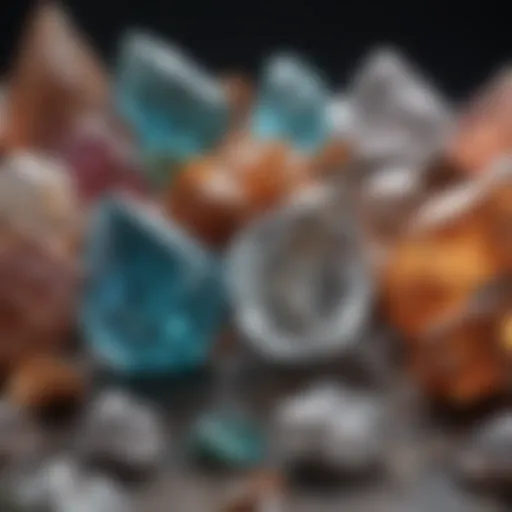
- Imperial Topaz: This is considered the highest quality due to its intense rich golden to pink shades. Collectors often prioritize this variant for its value.
- Blue Topaz: Often treated to achieve its vibrant cerulean hue, blue topaz is popular, especially in contemporary jewelry.
- Mystic Topaz: A marketing term for color-treated topaz that showcases iridescent colors, making it a favorite among those who enjoy vibrant and unconventional looks.
- White Topaz: A common but often less valued type, white topaz is utilized in jewelry as a diamond alternative. Although it may not boast the same allure, it is nonetheless an essential part of many collections.
Notable Categories
Each topaz collectible presents its own story and value. Collectors should be aware of the following:
- Specific color saturation can play a huge role in valuation. Deeper, more vibrant colors generally command higher prices.
- The size of the gem can also make a difference, with larger specimens being rarer.
- Origin is another essential aspect; topaz from certain locations, such as Brazil, is especially sought-after due to its unique color characteristics that often emerge from that area.
In exploring the richness of topaz's colors and its various forms, collectors will uncover just how significant this gemstone is, not only in the realm of aesthetics but also in the historical and cultural narratives that surround it.
Preface to Topaz Colour
Topaz is not just any gemstone; its colour variations reflect a rich tapestry of nature’s artistry. When exploring the importance of topaz colour, one quickly realizes that it serves as more than just an aesthetic attribute—it holds the power to influence market value, personal meaning, and even cultural significance. In this article, we will delve into the multifaceted nature of topaz colour, providing insights valuable to both casual enthusiasts and seasoned collectors.
The Role of Colour in Identification and Value
Understanding the colour of topaz is crucial when assessing its quality and market stance. With shades ranging from the well-known golden-yellow to the rarer blue, each hue carries its unique desirability. A vivid green or pink topaz, for instance, often fetches a higher price due to its rarity and appeal. Thus, recognising these colours not only aids in identification but also can inform potential investment decisions.
A Spectrum of Hues and Their Origins
Topaz has colours that span the rainbow, showcasing nature’s ability to create beauty in a myriad of forms. This spectrum includes popular varieties like the soft blue of Swiss topaz or the fiery warmth of Imperial topaz. As we move forward in the article, we will unravel the chemical elements and natural processes that lead to these diverse shades, enhancing our understanding of how colour impacts both the topaz gem itself and its desirability in the marketplace.
Implications of Colour Beyond Beauty
Beyond eye-catching distinction and monetary value, the colour of topaz carries deeper meanings across different cultures. As we explore in later sections, its symbolism can range from purity and strength to protection and wisdom. Knowing these associations can enrich one’s appreciation for this stunning gem and its place in history.
Understanding topaz colour is an essential foundation for anyone interested in gemstones. As we proceed in this journey through the various intricacies of topaz, we will systematically address its chemical structure, the factors that affect its colour, and the broader cultural significations imbued within its hues. Through this exploration, we aim to elevate not just the knowledge of topaz, but also the profound connection between nature and human craftsmanship.
"The beauty of topaz is not merely in its appearance but in the stories it tells through its colours."
In our subsequent sections, we will disconnect the various threads of topaz colour, weaving them into a comprehensive tapestry of understanding that highlights the gem’s significance in nature and society alike.
Chemical Structure and Formation
When discussing the intricate world of topaz, understanding its chemical structure and formation is paramount. This knowledge not only sheds light on the gemstone’s durability and aesthetic qualities but also its variances in color and significance in various cultures.
Basic Composition of Topaz
Topaz is primarily composed of aluminum and fluorine silicate. Its chemical formula is represented as Al2SiO4(F,OH)2, which indicates that it contains aluminum (Al), silicon (Si), oxygen (O), fluorine (F), and hydroxyl (OH) groups. A closer look at this composition reveals why topaz can come in such a vibrant range of hues. The presence of trace elements such as iron, chromium, and titanium can significantly alter the color exhibited by topaz.
- Aluminum: Core building block that contributes to the overall structure.
- Silicon: Gives rise to the silicate structure.
- Fluorine and Hydroxyl: Impart unique properties and variations.

This silicate structure enables the formation of topaz into well-formed crystals, often found in prismatic shapes. Crystallization occurs within specific geological environments, where the right temperature and concentration of elements align perfectly.
Natural Formation Environment
The formation of topaz is an intricate dance with nature, primarily birthed in igneous environments. This alkali-rich volcanic rock is where topaz is commonly formed. The conditions required for its development largely include high temperatures and pressures, usually occurring in granite and rhyolitic magma.
- Geological Settings: Topaz can also be found in pegmatites, which are coarse-grained igneous rocks, rich in rare minerals. Their formation occurs deeply within the Earth’s crust, slowly cooling and allowing the crystallization of minerals.
- Alluvial Deposits: Over time, weathering and erosion transport topaz from original deposits, allowing it to be found in riverbeds and stream beds, where collectors often search.
- Temperature & Pressure Influence: The minerals around topaz can dramatically affect its color and clarity. For example, high-pressure environments may lead to deeper hues, while lower pressures can result in lighter, more transparent stones.
"The unearthing of topaz is more than just an extraction of stone; it’s a revelation of Earth's history through its formation."
Understanding the chemical structure and the natural environments that give rise to topaz not only enhances a collector's appreciation of this gem but also serves as a reminder of the intricate processes that shape what we admire in nature. This foundation sets the stage for our exploration of the stunning diversity of colors that topaz can present.
Understanding Topaz Colours
In delving into topaz colours, we unravel a layer of this gemstone's complexity that often goes unnoticed. The colour of topaz plays a pivotal role not merely as a visual attribute but as a significant determinant of its value, desirability, and applications. For collectors and connoisseurs, understanding the interplay of various hues, saturation, and tone allows for more informed choices in acquisition, enhancing both the aesthetic appeal and investment potential of their collections.
Exploring topaz colours instigates a dialogue around the gemstone's connection to nature, culture, and artistry. The beauty found in various shades of topaz acts like a canvas reflecting the environment it comes from and its treatment, all of which enriches a collector's understanding and appreciation of this versatile mineral.
When we understand the colours of topaz, we also begin to grasp the nuances that differentiate a mere stone from a spectacular gemstone. Let’s delve into the primary colours of topaz, variations in hue, and the factors of saturation and tone that come together to create a spectrum worth exploring.
Primary Colours of Topaz
Topaz is not just a one-colour wonder; rather, it flaunts a range that spans from the often-seen yellows to the rarer and highly coveted blue shades. At its core, topaz can exist in several primary colours, each defining its character:
- Clear Topaz: Almost like crystal glass, this variant lacks colour altogether, primarily desired for its clarity.
- Yellow Topaz: Often mistaken for citrine, yellow topaz showcases a vibrant, golden hue reminiscent of sunlight.
- Blue Topaz: A favourite among many, this colour ranges from a soft sky blue to a deep Swiss blue, making it an appealing choice for jewellery.
- Pink Topaz: With shades that can resemble a delicate blush, pink topaz is a romantic and rare find in the world of gemstones.
- Imperial Topaz: The rarest of all, it displays a stunning golden-orange shade, often associated with luxury and prestige.
Each primary colour carries its significance and appeal. For instance, blue topaz pairs impeccably with silver, drawing the eye and exuding elegance. Meanwhile, yellow topaz is often linked to prosperity and success, a belief that has been woven into various cultures historically.
Variations in Hue
Next up, the variations of hue play a significant part in defining the colour of topaz. The term 'hue' can encompass a broader spectrum than mere classification by primary colours, highlighting the subtle differences that can occur within a shade. For example, the same yellow topaz can display a range from a light lemon-yellow to a richer amber tone.
This is often due to factors such as:
- Natural impurities: The minute traces of different minerals can cause shifts in hue, making each stone unique.
- Environmental influence: Factors like the specific geographic area in which the topaz is formed will yield distinct characteristics.
- Human handling: Highlighting treatments can modify hues, enhancing or moderating the colour further, adding an extra dimension of aesthetic value.
Understanding these variations is key for collectors seeking quality stones that fit certain criteria for both aesthetic appeal and investment.
Saturation and Tone
The concepts of saturation and tone further enrich the discussion on topaz colours. Saturation describes the intensity of the colour, or how vivid the colour appears, while tone relates to how light or dark the colour is. When tackling these aspects in topaz, a few points emerge:
- High Saturation: Typically, stones with high saturation reflect a more vibrant colour, such as a vivid blue or bright yellow. These stones are highly sought after in the gemstone market.
- Low Saturation: Here, colours may appear washed out or desaturated, seen in certain variants that may not command the same value or attention.
- Tone Variations: A stone's tone can drastically affect its overall visual impact. A light yellow topaz will look very different from a darker amber variety, even if they are of the same primary colour.
For collectors, recognizing the nuances of saturation and tone in topaz not only informs their choices but also sharpens their eye for quality. As such, understanding topaz colours can deepen one’s appreciation for all the intricacies of this remarkable gemstone.
"It’s not just about the colour; it’s also about the story that each hue holds, shaping how we experience topaz."
In summary, understanding topaz colours is a journey filled with depth and discovery. From primary colours to varying hues and the complexities of saturation and tone, the world of topaz is rich with opportunities for collectors and admirers alike. The more one learns, the more one appreciates the beauty and significance this gemstone holds within our cultural and artistic landscapes.
Factors Affecting Topaz Colour
When delving into the world of topaz, understanding the factors that affect its colour is paramount. The colour of topaz is more than just an aesthetic choice; it's an essential aspect that influences the stone's appeal, value, and significance in the gemological community. Various elements contribute to topaz colour, including the presence of impurities and enhancements through treatments. A collector or enthusiast must grasp these influences to make informed decisions regarding acquisition and appreciation.
Influence of Impurities
The presence of impurities can radically change the way topaz appears. For instance, traces of iron may imbue the stone with a warm, golden hue, while chromium can result in the rich, vibrant greens reminiscent of an emerald. The interplay of these elements is quite complex; not every topaz will express the same colour even if they share the same impurities.
These impurities generally exist in minute quantities, but their effects are profound. In addition to iron and chromium, other trace minerals like manganese can lead to shades of pink or reddish colours. For collectors, understanding these nuances is essential, especially when determining authenticity; a genuine blue topaz, for example, would often be subjected to heat treatment to bring out its more desirable hues. Observing these colour variations not only enriches the aisles of a gem show but also elevates one's collecting acumen.

"The rich tapestry of topaz colours is woven from both nature's gifts and human intervention."
When assessing a piece, it's crucial for collectors to consider how impurities may have played into the gemstone's final appearance. Not just for beauty's sake, these impurities and their resultant colours can deeply affect the stone's value. An understanding of this can lead to wiser purchase decisions and a more satisfying collecting experience.
Heat and Radiation Treatment
In the world of gemstones, enhancement treatments are par for the course, and topaz is no exception. Heat and radiation treatments have been employed for years to intensify or alter colour, pushing the gemstone past its natural state into something more eye-catching and commercially viable. Bright blue hues that pop on the jewelry store shelves often owe their brilliance to such enhancements—this distinguishes them from their naturally occurring counterparts.
Heat treatment is primarily used to enhance the yellow or brown hues of natural topaz, converting them into vibrant blues and often removing the mottled appearance some stones might have. Meanwhile, radiation can further deepen colours or create entirely new shades that otherwise would not occur in untreated stones.
However, a collector must tread carefully. While treated topaz can be stunning, understanding these processes is key to discernment. Asking the right questions about how the gem was processed and knowing the potential impact on value is crucial. The difference between treated and untreated topaz can affect current market value significantly, sometimes suggesting a difference in worth that can stretch from hundreds to tens of thousands of dollars.
In summary, when it comes to assessing topaz colour, both natural influences and treatment processes play pivotal roles. By understanding the complexities tied to impurities and enhancements, collectors not only sharpen their eye for quality but also navigate the emotional and financial investment involved in curating their collections.
Gemological Significance of Colour in Topaz
The colour of topaz plays a crucial role in its gemological classification and value assessment. In the world of gemstones, colour is not just an aesthetic characteristic; it serves as a definitive aspect that influences a gem's desirability and worth. For both collectors and gemologists, understanding the significance of colour in topaz can lead to more informed decisions and deeper appreciation of these exquisite stones.
Assessing Quality and Value
When evaluating topaz, one of the first elements that catches the eye is its colour. The rich spectrum—from the deep golden hues to the rare blues—dictates not only beauty but also quality and monetary value. A few key considerations can help collectors and enthusiasts assess quality effectively:
- Hue: The primary colour of the topaz can vary, and each hue represents different levels of rarity. For instance, the imperial topaz, often recognized by its vibrant orange to pink tones, holds a higher price tag due to its scarcity.
- Saturation: This refers to the intensity of the colour. A topaz with vivid colouring typically commands a greater value than one with pale hues. Collectors should seek out stones with saturated colours without excessive zoning, where uneven colours appear in the same gem.
- Tone: This relates to how light or dark the topaz appears. Stones that balance a medium tone with vivid saturation are often seen as the most desirable, while those that lean too dark may not achieve the same premium in the market.
Ultimately, those engaged in collecting or trading topaz should possess a keen understanding of these three qualities. A gem with rich colouring is not just more striking; it can significantly enhance the return on investment when it is time to sell or trade.
Ethical Considerations in Sourcing
As the global jewelry market grows, so does the importance of ethical sourcing of gemstones, including topaz. Collectors now reflect on the origins of their stones as much as their beauty. The gem market can sometimes be murky, which prompts questions about where and how a stone was mined. Here are several ethical considerations to keep in mind:
- Source Transparency: Engaging with vendors who provide clear information about the origins of their stones can prevent supporting unethical mining practices. Stones sourced from responsible mines tend to include sustainable practices and adherence to labour rights.
- Environmental Impact: The mining processes can have significant environmental consequences. Collectors should look for assurances that the extraction processes minimize damage to local ecosystems.
- Certification: Supporting gem laboratories and organizations that uphold strict ethical standards is wise. Certifications can ensure that a gemstone's provenance is verifiable and that it was acquired in ethically sound ways.
Understanding the ethical implications surrounding the sourcing of topaz not only enhances the collector's experience but also fosters a more conscious market environment. A well-informed collector can contribute to a movement that prioritizes human and environmental rights, ensuring that the beauty of topaz is not marred by unethical practices.
"The significance of topaz colour isn't only in its aesthetic appeal but also in its ability to narrate a story about how and where it was formed, embodied in every facet of its gleaming surface."
As collectors navigate the complex world of topaz, grasping the gem's colour dynamics and ethical sourcing will become increasingly essential, allowing enthusiasts to build collections that resonate with both beauty and integrity.
Learn more about ethical mining practices and explore the intricate details about topaz quality assessments on Gemological Institute of America.
Cultural and Historical Perspectives
Understanding the cultural and historical perspectives of topaz colour reveals its significance far beyond mere aesthetics. This section will explore how different cultures have viewed topaz throughout history, alongside the colors associated with this gemstone. Such insights are invaluable, particularly for rock and fossil collectors who appreciate gems not just for their physical characteristics but also for their rich narratives and symbolism.
Symbolism Across Cultures
Topaz has held various meanings across diverse civilizations, with its vibrant hues often interwoven into the fabric of cultural identity. For instance, in ancient Egypt, topaz was believed to be a representation of the sun god Ra, embodying power and vitality. The Egyptians viewed the yellow hues of topaz as rays of sunlight, believing they carried protective properties and could ward off evil spirits.
In contrast, in Chinese culture, the deep blue form of topaz was associated with wisdom and tranquility. It was often considered a stone of communication, fostering better understanding among individuals. Similarly, in India, topaz played a role in religious and spiritual contexts, where it was believed to promote intellectual growth and clarity of thought. The various colors of topaz—ranging from the serene hues of blue to the warm tones of golden yellow—each carried distinct meanings and implications in traditional practices.
"The significance of topaz in cultural contexts often mirrors the human experience, revealing our collective aspirations and beliefs."
Furthermore, many Indigenous cultures viewed specific colours of topaz as tools for healing. The golden tones, for example, were believed to stimulate creativity and passion while the blue variance was thought to soothe emotional pain. Collectors often keenly appreciate this aspect, knowing that each colour has a story that can extend back hundreds or even thousands of years.
Historical Significance of Colour
The history surrounding topaz colour is as multifaceted as the gem itself. During the Middle Ages, Europeans prized yellow topaz, associating it with prosperity and enlightenment. It was predominant among the nobility, who often used it to adorn crowns and other ceremonial attire, symbolizing status and wealth.
In the modern era, the fashion for blue topaz surged in the latter half of the 20th century, once the treatment techniques became available to enhance lighter stones. The beauty of a sky blue topaz became synonymous with elegance and sophistication, leading to rampant popularity in contemporary jewelry design. This transformation also speaks volumes about societal shifts—how colour perception changes over time and how it is utilized in art and fashion statements.

For rock and fossil collectors, acknowledging the historical significance of topaz not only enriches their collection but also connects them to a broader timeline. Each topaz stone carries with it stories of ancient civilizations, cultural practices, and changing aesthetics through the ages, a tapestry woven with human experience.
In summary, the cultural and historical perspectives surrounding topaz colour highlight the gemstone's extraordinary journey through time, place and society. By understanding its rich symbolism and historical context, collectors can appreciate each piece not merely as a stone but as a fragment of human history.
Artistic Applications of Topaz Colour
The role of topaz colour extends far beyond mere aesthetic appeal; it serves as a vital element in artistic expression and design philosophy. For collectors and artisans alike, understanding how topaz can be utilized dynamically in different contexts not only enhances appreciation but also offers practical insights into its applications. The rich variations of topaz colour provide inspiration for diverse creative forms, be it in jewelry design or visual arts.
With so many hues from vibrant yellows to soothing blues and even soft pinks, topaz creates opportunities for bold statements in fashion and artistic creations. Artists often draw from the emotional responses evoked by these colours. In jewelry, the choice of a specific topaz hue can reflect personal taste and occasion, making each piece a personal narrative.
Jewelry Design and Fashion
Topaz colour is a key player in the world of jewelry design. Its various colours appeal to different tastes and styles, contributing to the popularity of topaz in rings, necklaces, and earrings. Designers focus not only on the natural beauty of the stone but also on how it interacts with different metals and other gems. For instance, the striking contrast between a deep blue topaz and yellow gold creates a visual feast that draws the eye, making it a popular choice for elegant designs.
Moreover, the cut and finish of the topaz can enhance its colour. A well-faceted stone can reflect light in mesmerizing ways, allowing its hues to dance and change depending on lighting and angle. This is something jewellers often exploit to create pieces that seem to come alive, providing an engaging experience for the wearer.
Furthermore, the versatility of topaz enables its incorporation in both casual and high-fashion pieces. Whether set in a simple pendant or an elaborate cocktail ring, its vibrant hues can elevate any outfit, adding a touch of sophistication or a splash of color, depending on how it is styled. This adaptability makes topaz a favourite among jewelers and fashion enthusiasts alike.
Inspiration in Visual Arts
In the domain of visual arts, topaz colours have been a source of inspiration for painters, sculptors, and designers. Artists often harness its colours to evoke specific emotions or themes within their work. For instance, a blue topaz might represent tranquility or serenity, while a fiery yellow topaz could embody vibrancy and energy. The symbolism behind these hues allows artists to convey deeper meanings in their pieces.
Additionally, the exploration of topaz hues can reflect broader cultural and historical contexts. Different shades have unique significances in various cultures, and artists can tap into these meanings to create works that resonate on multiple levels. The historical use of topaz in art often ties in with ideas of wisdom, strength, and clarity, making it a powerful tool for storytelling.
It's noteworthy how topaz has made its mark in contemporary art movements. The stone's colours find their way into various mediums, from paintings that explore light and shadow to sculptures that emphasize form and texture. As artists experiment with topaz colours, they often push boundaries, blending traditional techniques with modern innovations.
"In every piece of art, topaz colour plays a vital role, transforming simple designs into compelling stories."
For those interested, resources on jewelry design trends can be found on the websites like HelenFicalora.com, while discussions on visual art inspiration can be explored through platforms such as ArtStation.com. Also, Wikipedia provides deeper insights into the history and significance of topaz on Wikipedia.
*
Practical Tips for Collectors
Collecting topaz can be as rewarding as it is intricate, and understanding its colour variations is crucial for any serious enthusiast. The deeper one goes into the subtleties of topaz colour, the easier it becomes to make informed decisions, whether for personal enjoyment or investment. The importance of evaluating colours lies in their direct impact on the gemstone's value, beauty, and potential appreciation over time. Here are some aspects to consider:
Evaluating Colour for Purchases
When it comes to purchasing topaz, colour is king. The first step in evaluating a topaz stone is to look closely at its hue. The most sought-after topazes usually display deep, rich colours. While natural blues and pinks have become increasing rarities, vivid golden and orange hues can also be prized. Here are some factors to consider:
- Lighting Conditions: Always assess topaz under different light sources. Natural light brings out the true colours, while fluorescent or incandescent lighting may distort them.
- Consistency of Colour: Look for stones that show a uniform colour without noticeable zoning or areas of unevenness. A well-distributed colour can enhance the overall appeal.
- Dynamic Shift: Some topaz stones may exhibit colour changes under different lights. This phenomenon, known as pleochroism, can elevate a stone’s sparkle and desirability.
- Clarity and Cut: Besides colour, the clarity and the cut heavily influence a topaz's brilliance. A well-cut stone will reflect light more efficiently, rendering its colour more vibrant.
Building a Colourful Collection
Once you have a grasp on what makes a great topaz purchase, it’s time to consider how to build a collection that stands out. The aim is not just quantity but also quality and variety. Here are some tips:
- Diversity in Colour: Aim for a range of colours in your collection. From classic blues to rare shades, each one brings its unique story and value.
- Individuality: Seek one-of-a-kind pieces that have distinct colour characteristics. These unique finds can often become conversation starters and hold their value well.
- Document Your Collection: Keep detailed notes about each piece's origins, including where and how it was sourced. This information can elevate the collectible aspect of your stones.
- Stay Informed: The gem market is constantly evolving. Keep an eye on trends, and don’t hesitate to update your collection to include new findings or styles.
- Networking: Engage with other collectors or join online forums like Reddit's gemstone community. Sharing insights can lead to knowledge growth and potentially great trade opportunities.
Remember: Quality always trumps quantity when it comes to collecting. Each piece should not just fill a space but tell a story of beauty and craftsmanship.
In focusing on these areas, collectors can navigate the world of topaz colours confidently. It’s more than just aesthetics; it’s about understanding the hues that catch your eye and what they represent in terms of value and rarity.
Culmination
The exploration of topaz colour offers a rich and multifaceted narrative that extends beyond mere aesthetics, merging science, history, and artistry into a cohesive understanding of this remarkable gemstone. As we've surveyed the chemical structure to the cultural implications, it becomes clear that each hue of topaz possesses its own story, woven through the tapestry of human experience.
One key element discussed is the significance of colour in gemology. Understanding the intricate connections between these vibrant shades and their qualities can greatly influence the valuation and desirability of a piece. Collectors seeking to curate their selections must integrate this knowledge, as the right colour can mean the difference between a prized possession and an overlooked stone.
Moreover, the emotional and symbolic aspects associated with topaz colour can't be understated. Different societies imbue various hues with unique meanings and values, connecting the gemstone to the identities of cultures across the globe. This cultural lens provides a deeper appreciation that transcends its rarity and beauty, situating topaz as a vibrant player in the historical narrative of gemstones.
Ultimately, the implications of topaz colour extend to practical considerations for collectors. The methods to evaluate and build a collection that respects both artistic appeal and gem quality encourage a well-rounded approach. From assessing colour saturation and tone to understanding treatment processes like heat or radiation, collectors can enhance their expertise, ensuring that every acquisition is not merely a decorative addition but rather a deliberate statement.
"Understanding topaz colour is more than skin deep; it’s where science meets creativity."
In summary, this article advocates for a comprehensive viewpoint on topaz colour, urging readers to dig beneath the surface. Gaining insights into the chemistry, art, and culture surrounding topaz not only enriches the collector's experience but also deepens their appreciation of the gemstone’s role in human history and expression. As you embark on your journey through the world of gemstones, let the various shades of topaz illuminate your path.