The Most Expensive Rock: An Exploration of Value and Rarity


Overview of the Topic
When we talk about the most expensive rocks, we open up a realm imbued with not just geological marvels, but intricate tales spun through history and inflated by market demand. In simple terms, these rocks could include gemstones or rare minerals that bump into the upper echelons of auction houses and collectors' showcases. To grasp their towering value, we must first define a few key terms.
Definition of Key Terms
- Gemstone: A mineral or rock that has been cut and polished for use in jewelry or ornamentation. Think diamonds and sapphires.
- Mineral: Naturally occurring substances with specific chemical compositions and crystal structures, like quartz or malachite.
- Rarity: This refers to how uncommon a rock or mineral is, deeply influencing its valuation.
Understanding these terms helps shed light on what makes a particular rock desirable. For example, when you think of diamonds, you might immediately recognize their brilliance and the fact that not all diamonds are created equal. Their rarity, coupled with their sparkling charm, sends their prices skyrocketing.
Historical Significance
Historically, the allure of these rocks has stretched centuries back. Kings and queens adorned themselves with exquisite gemstones, symbolizing status and power. In ancient Rome, wearing jewelry bearing precious stones was a mark of aristocracy. The narrative around these items adds layers of value, as tales of smuggling, royal conquests, and ancient trade routes entwine with the rocks themselves.
Moreover, cultural beliefs often enhance the worth of certain stones. The belief that sapphires could protect against envy and harm made them especially prized, and that lore still echoes in the market today. Prices keep climbing, driven by such rich stories as much as by the physical properties of the stones themselves.
To wrap it up, modern-day collectors and investors are not just after the sheer beauty of these rocks; they're diving into the historical narratives that walk hand-in-hand with them. Understanding these facets is vital as we peel back the layers of rarity and value, particularly through the lens of the collector's market.
"In the world of rare minerals and gemstones, every piece tells a story, intertwined with history and steeped in value, waiting for the right curious collector to uncover it."
By grasping the historical significance and definitions of these key terms, we can start to appreciate the factors that push certain rocks to above and beyond price tags, making them collectible treasures in the eyes of enthusiasts and investors alike.
Understanding Rock Value
Understanding rock value is not just an academic exercise; it's a lens through which collectors, geologists, and investors perspective the world of geology and market dynamics. The concept of value when it comes to rocks, gemstones, and minerals is intricate, intertwined with both tangible and intangible factors. We are not merely talking about price tags here; it's about what defines worth in a vast, colorful realm that leaps over mere aesthetics. The importance of discussing rock value arises from several core elements:
- Economic Influence: Recognizing the rocks that achieve high valuation can illuminate trends in geology and mining industries.
- Cultural Significance: Different rocks hold varying levels of significance in cultures around the globe, impacting their price and desirability.
- Scientific and Historical Context: Understanding the geological formation processes and historical relevance can contribute greatly to appreciating a rock’s market value.
Engaging with these concepts facilitates a more enriched appreciation for collectors and those simply curious about earth’s treasures. Rather than seeing them as objects, this approach invites us to consider them as rich narratives shaped by time, culture, and marketplace dynamics.
Defining Value in Geology
When discussing value in geology, we must first clarify what we mean by "value". In this context, it can encompass many aspects:
- Rarity: Naturally, if something is hard to find, it tends to be valued more highly. This can include unique geological formations or minerals found in very few locales.
- Quality: The quality of a rock can be defined by variables like size, clarity, and color. For instance, a flawless diamond is more valuable than one with visible inclusions.
- Cultural Significance: Diamonds have long been symbols of love and wealth; their perceived value may be more influenced by cultural norms than by purely geological properties.
This understanding of value positions collectors and researchers to engage with these materials from a perspective that encompasses both tangible and cultural dimensions. Moreover, defining geological value inherently requires a multi-faceted lens, where emotional weight can often drive up market prices in unexpected ways.
Market Influences on Rock Pricing
The pricing of rocks in the market is a swirling mix of numerous factors. Understanding these influences provides insights into how value fluctuates over time. Key elements include:
- Supply and Demand: The basic economic principle asserts that when demand increases but supply shrinks, prices soar. For example, the sudden global fascination with rare minerals can lead to a spike in prices.
- Celebrity and Media Influence: Public figures occasionally drive trends. A single social media post by a notable celebrity showcasing a rare gem can lead to surges in its demand.
- Investment Dilemmas: Just as with stocks, some view gemstones and minerals as investments. This perspective alters the market dynamics, affecting how prices are established in auctions and retail.
As with any market, understanding the various influences that dictate pricing can offer collectors a strategic edge. Being aware of these factors prepares one not only to navigate the complexities of purchasing but also informs a broader understanding of what gives certain rocks their intriguing value.
"When it comes to evaluating a rock's worth, economics is just the tip of the iceberg; the underlying cultural, emotional, and historical narratives contribute significantly to its perceived value."
For additional insights, resources like Britannica and Wikipedia can provide comprehensive background knowledge.
Criteria for Assessing Rarity


Understanding the criteria for assessing rarity is crucial when diving into the world of valuable rocks. It not only helps collectors and investors gauge potential worth but also illuminates the intricate processes that govern the formation and availability of these prized specimens. Recognizing what makes a rock rare can significantly influence purchasing choices and long-term investments in a field where knowledge is as valuable as the rocks themselves.
Natural Formation Processes
Rarity often springs from the natural formation processes of rocks and minerals. In simpler terms, the conditions under which a mineral crystallizes often dictate how rare it becomes. For instance, mineral formation can occur under specific environmental conditions that may not persist for extended periods. Geologists look at factors such as temperature, pressure, and the availability of chemical elements.
Take painite, for example, which is known as one of the rarest minerals on Earth. Its formation demands hyper-special conditions, requiring boron-rich environments that are hard to come by. As a result, only a handful of painite crystals have been found, contributing to its astronomical prices in the market. It's a classic case of "the right place at the right time" — if those precise conditions aren’t present, the chances of finding similar minerals reduce dramatically.
Moreover, certain geological events like volcanic eruptions or tectonic shifts can create environments conducive to the growth of highly valuable rocks. When these specific events happen in remote locations, they may yield unique specimens, resulting in heightened interest and value among collectors.
Geographical Distribution
Geographical distribution plays a significant role in determining the rarity of valuable rocks and minerals. Different regions of the world offer varying geological characteristics, which in turn dictates the types of rocks found there. For instance, finding a pink diamond, which is extraordinarily rare, is often restricted to regions like the Argyle Mine in Australia. Once this mine is depleted, the likelihood of discovering new sources diminishes, impacting the availability and price on the global market.
Certain geographical areas are famous for housing unique deposits, which attract not just collectors but scientists and investors. Countries like Myanmar for rubies and Colombia for emeralds are great examples, where the historical significance enhances the rocks’ desirability, leading to higher market values. Natural barriers, political conditions, or environmental protection laws can further restrict access to these valuable sites, perpetuating their rarity.
The rarity of a gemstone often results from a combination of geological and geographical elements, making both factors vital for any collector's assessment.
In summary, assessing the rarity of a stone requires a comprehensive understanding of natural formation processes and geographical distributions. For rock collectors, these criteria offer insights not just into the market values, but also into the stories each rock tells about the Earth’s dynamic history.
Types of Valuable Rocks
The world of rocks is vast, but certain categories stand out due to their exceptional value and rarity. Understanding the types of valuable rocks provides insight into not only their geological formation but also the intricate interplay of market forces and collectors’ desires. This section highlights two main categories—precious gemstones and rare minerals—each with unique attributes that contribute to their allure and pricing in the marketplace.
Precious Gemstones
Diamonds
Diamonds are often considered the poster child of precious gemstones, famed for their brilliance and durability. Their unique characteristic lies in their hardness, rated a perfect 10 on the Mohs scale. This isn't just a trivia point. The hardness of a diamond contributes significantly to its desirability as a lasting symbol of love, seen in engagement rings across the globe. However, one must not forget about their origin. Diamonds form under immense pressure deep within the Earth, making every stone a testament to nature's artistry and resilience.
One aspect worth noting is the cut of a diamond, which influences both its value and appearance. A well-cut diamond can return the light in a way that makes it sparkle brilliantly, while a poorly cut one may appear dull and lackluster. This leads to a significant property—brilliance—taking center stage in the conversation about diamond value. Additionally, due to their popularity, the sheer supply often struggles against demand, especially for stones that are high in clarity and size, leading to significant price tags that can reach the tens or even hundreds of thousands.
Ruby
Rubies grab the attention with their deep red hue, a color often associated with passion and power. The key characteristic that makes rubies particularly sought after is their vibrant color, which ranges from pinkish-red to a deep blood-red. The best rubies come from Myanmar, known for their unique “pigeon blood” color, considered the gold standard in the ruby world.
Unlike many gemstones, rubies also hold interesting symbolism in various cultures, often linked to protection and love. However, as gorgeous as they are, their main disadvantage can be their cost. High-quality rubies can be just as expensive as diamonds, especially those free from inclusions, often pushing their price far into the luxury category. The rarity of flawless rubies makes them a prime choice for collectors and investors alike, ensuring they remain at the forefront of valuable rocks.
Sapphire
Sapphires complete the trio of traditional precious gemstones. While blue sapphires often steal the spotlight, they actually come in various colors—except for red, which, as you guessed, is classified as a ruby. The key selling point for sapphires lies in their clarity and rich coloring, which gives them a regal appearance. Their notable durability is also a huge plus, with the second-highest hardness on the scale.
Interestingly, sapphires have also captured attention for their use in various types of jewelry, from exquisite engagement rings to luxury wristwatches. This broad appeal contributes to their presence in the marketplace. However, as with rubies, genuine sapphires can also become quite pricey, especially when one seeks stones with a “cornflower blue” hue that collectors prize. The demand for high-quality stones continues to ensure that sapphires hold a valuable spot in the realm of geology and commerce.
Rare Minerals
Painite
Painite is an often-overlooked entity, despite being one of the rarest minerals known to humanity. With its striking resemblance to both rubies and sapphires, Painite can stand out thanks to its unique composition of boron, aluminum, and other trace elements that give it a distinctive appearance. One compelling aspect of Painite is its annual production; it’s often only a few crystals mined each year, leading to extreme scarcity and consequent high pricing. This rarity not only makes it valuable, but it also occupies a fascinating place in mineralogical history, going from obscurity to a sought-after gem.
Collectors value Painite not just for its aesthetic appeal but also for the thrill of owning something so rare. However, obtaining Painite can come with challenges; its high cost and difficulty of acquisition can keep it out of reach for many, leaving enthusiasts dreaming until they find a feasible opportunity to own one.
Grandidierite
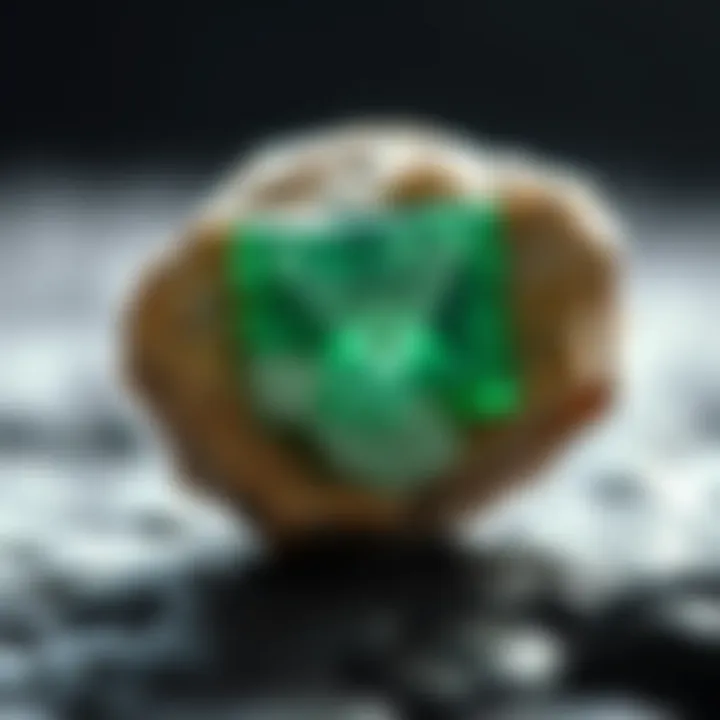
Next up is grandidierite, a mineral that has recently drawn attention from adventurous collectors. Known for its bluish-green tint, it's often described as mesmerizing. The key feature of this mineral is its extreme scarcity, making it an appealing treasure for those in the know. Grandidierite primarily originates from Madagascar, where mining operations yield only small quantities.
While beautiful, the rarity of grandidierite can lead to a hefty price tag. The distinctiveness, however, offers its own perks—having a piece in a collection can serve not just as a conversation starter but as a symbol of engagement in a niche, passionate community of collectors. Though grandidierite can be pricey, its uniqueness often justifies the investment.
Red Beryl
Red beryl, sometimes dubbed "bixbite," stands out for its vibrant crimson hue. The fascinating aspect of red beryl is its rarity, being found predominantly in Utah's Wah Wah Mountains. With finding only a few designated sources, its limited availability adds to the mystique surrounding this mineral. Those who possess red beryl found they have a gem unlike any other, making them stand apart in the eyes of collectors.
This stone typically commands high prices due to its saturation and quality; a collecting community thrives around sourcing and showcasing this captivating mineral. However, the downside lies in its vulnerability; due to the limited locales from which it can be gathered, along with the inherent fragility of its crystal structure, red beryl can be hard to find. This hinders widespread appreciation, positioning it firmly within the upper echelons of valuable mineral collecting.
Historical Context of Device Pricing
Exploring the significance of the historical context in gemstone pricing serves not just as a journey through time, but also as a lens into the shifting dynamics of value in the realm of precious rocks. The history of gemstones and their perceived value is shaped by various factors, including cultural beliefs, trade routes, and historical events that have largely influenced the demand and supply equation. Understanding these elements not only demystifies why certain stones fetch extravagant prices but also places their current market values into a wider narrative of human history and economic development.
Historical Significance of Gemstones
Gemstones have held a place of reverence and desirability across cultures for thousands of years. Historically, they served practical purposes—from being used as talismans believed to ward off evil to adornments signifying wealth and power. For instance, the ancient Egyptians regarded lapis lazuli as precious, using it in jewelry for the royalty. Similarly, in medieval Europe, precious stones were often attributed with spiritual significance, believed to bring protection and fortune to those who possessed them.
As empires rose and fell, gemstones found their way into the coffers of monarchs, often becoming symbols of divine right or even celestial connection. The crown jewels of England and the Koh-i-Noor Diamond—taken and acquired through conquest—demonstrate how the history of gem ownership intertwines with that of power and financial influence. The stories attached to these stones only add to their exclusivity and, consequently, to their financial worth.
Cultural Impact on Value
Cultural perceptions play a key role in how gemstones are valued. In some societies, specific stones are seen as symbols of luck, prosperity, or even love. Take rubies, they are often regarded as a symbol of passion in many Asian cultures, where giving a ruby signifies a deep devotion. This cultural lens elevates the price point of such stones significantly. Even the marketing strategies of gemstone traders exploit these sentiments, crafting narratives that align with cultural beliefs to enhance the desirability of their products.
In addition, the rising global interconnectedness of markets has shaped cultural attitudes towards various gemstones. As trade expanded, so did the appreciation for unique and rare gems. Globalization made once-localized stones like the deep blue Tanzanite from Tanzania sought after worldwide. Now, it holds a prestigious place alongside long-standing favorites such as diamonds in the jewelry industry.
“The price of a gemstone is often more than a reflection of its physical attributes; it's a measure of history, culture, and human emotion woven into its very essence.”
Both history and culture converge to influence rock pricing significantly. As collectors and investors look to unique stones, understanding the heritage attached to these precious items is vital. Not merely a matter of aesthetics, the connections rooted in historical context lend gemstones their true essence and market value. It becomes clear that the value is not just calculated in carats or clarity but is steeped in a rich tapestry of narratives and beliefs.
The Role of Demand and Supply
In the fascinating world of rock collecting, the dynamics of demand and supply are crucial, shaping how prices fluctuate in the market. Understanding these dynamics not only helps collectors make informed decisions but also reveals broader economic principles at play. The value of rocks, including gemstones and rare minerals, does not solely arise from their intrinsic characteristics; rather, it is intertwined with market forces that dictate availability and buyer interest.
Collector Demand Patterns
Collector behavior often drives the market for valuable rocks, and these patterns can shift for numerous reasons. One key factor influencing demand is the rise of social media and online platforms, which have democratized information about rock collecting. Enthusiasts can now share their collections, auction items, and engage with global communities, significantly increasing interest in certain types of rocks. For instance, the phenomenon of limited vintage collections can spark a surge in demand. A sudden spotlight on a specific gemstone can cause prices to skyrocket, as seen when an auction featuring rare pink diamonds suddenly captivated collectors worldwide.
Additionally, trends prevalent in other areas, such as fashion or interior design, can bleed into the world of rock collectors. For instance, if a particular stone gains popularity in a designer's collection, it might trigger a buying frenzy among collectors eager to own a piece of that trend.
However, demand isn't solely founded on aesthetics or the appeal of social trends; investment potential also plays a substantial role. Many collectors view rare rocks and minerals as tangible assets, akin to stocks or real estate. They often seek out pieces that are not only beautiful but also likely to appreciate in value over time. This investment mentality can create intense demand surges, particularly during economic uncertainties when collectors seek 'safe-haven' assets.
Mining and Its Impact
Mining practices significantly impact the supply of rocks, directly influencing their market value. The methods employed in mining can determine the quantity and quality of gemstones that find their way into the market. For example, the extraction methods used for sapphires in Thailand is markedly different from those in Australia, affecting both the quality of the stones and their commercial availability. As mining becomes more sophisticated, so too does the quality of rocks available for collectors.
Moreover, ethical considerations surrounding mining operations can affect supply and, subsequently, prices. Consumers are increasingly aware of sustainability issues, leading to heightened scrutiny of mining practices. Whether it’s the environmental impact or labor conditions, ethical sources can command premium pricing. Mine closures due to environmental regulations further tighten supply, contributing to higher prices for already scarce items.
The significance of demand and supply in the market for valuable rocks can't be overstated. Without a robust understanding of these forces, collectors may find themselves caught off guard by fluctuations in value or the availability of desired specimens.
"The interplay of market demand and mining supply forms the backbone of rock valuation; a nuanced understanding is foundational for any serious collector."
Investment Perspectives on Rock Collecting
Investing in rock collecting is more than just a hobby; it’s a financial venture that can yield significant returns if approached wisely. In the realm of geology and mineralogy, rocks, especially rare gems and minerals, hold value that fluctuates based on various market dynamics, making them a unique asset class. Unlike traditional stocks or bonds, the emotional connection collectors have with their specimens often enhances their willingness to invest. Here, we explore specific elements that underscore the importance of understanding investment perspectives in rock collecting.
Firstly, knowing the collectible margins can guide collectors in making informed decisions about which specimens to invest in. The difference between the buying price and the selling price can be influenced by a multitude of factors like quality, historical significance, and rarity. For instance, while a common gemstone may fetch a modest price, a well-preserved diamond with an interesting provenance can dramatically increase its collectible margin.
Moreover, with the growing popularity of rock collecting, many investors are turning their focus toward market trends and forecasts in the gemstone and mineral sectors. Keeping an eye on what is trending can be beneficial. Are collectors leaning towards traditional gems like diamonds, or are they fascinated by unconventional options like Painite or Grandidierite? By understanding these patterns, collectors can capitalize on what might be the next big hit in the market, rather than getting caught holding onto specimens that hold less appeal.
"Knowledge is the best tool for any investment. In rock collecting, as in other investments, the more informed you are, the better decisions you can make."
In particular, prospective buyers should keep a keen eye on appraisal values influenced by various factors. The rarity of a specimen might see price surges; that’s not just a guessing game but is rooted in observable market behaviors. Keeping abreast of shift in demand and supply dynamics is equally vital. The effect of mining operations, for example, can dramatically alter availability, thus affecting prices in the market.
Ethics in Collecting Valuable Rocks
The field of rock collecting often dances on a fine line between passion and responsibility. As the allure of rare gemstones and minerals captivates enthusiasts, it's crucial to understand the ethical implications surrounding their acquisition. The choices made by collectors can have lasting impacts on the environment, local communities, and the integrity of the industry.
Sustainability Concerns
When we talk about collecting valuable rocks, sustainability takes center stage. It’s not just about snagging that elusive diamond or breathtaking sapphire; it’s about doing so without trampling on the very ecosystems that produce them. Mining can be an invasive process, leading to habitat destruction, biodiversity loss, and soil degradation. Think about it: every time a gemstone is unearthed, potential harm comes to the land.
To ensure responsible collection, consider the following:
- Ethical sourcing: Seek out suppliers and dealers who adhere to sustainable practices. This means using environmentally friendly methods and ensuring that the workforce is treated fairly.
- Recycled materials: Favor gems that have been recycled or repurposed rather than new finds. Older stones can possess unique histories and often help reduce the overall environmental footprint of the collecting industry.
- Educating fellow collectors: Share knowledge about sustainability with other enthusiasts. A knowledgeable community can advocate for healthier practices and support sustainable mining initiatives.
Advancing sustainability in the world of rock collecting isn't just a nice-to-have; it’s a need that requires urgency. As collectors, we hold the power to contribute positively to our planet's wellbeing.
Legality of Acquisition
Understanding the legal landscape surrounding gemstone and mineral collection is paramount. There’s a murky world of regulations, and ambiguity can easily lead collectors astray, either accidentally or intentionally. The legality of acquisition can fluctuate drastically based on several factors: location, the mineral in question, and whether it’s derived from public or private land.
Here are important points to consider:
- Know the laws: Each country—and sometimes individual regions—have specific laws governing the collection of natural resources. Familiarize yourself with local regulations. For example, removing rocks from national parks is generally prohibited, while private land might require permissions.
- Cultural heritage: Some minerals and gems hold significant cultural value to indigenous populations; collecting these without consent can lead to accusations of cultural appropriation. Respecting local customs and rights is not just ethical, it’s essential.
- Fakes and Fraud: The market for imitations is booming. Ensure you're buying from reputable sources to avoid legal repercussions over counterfeit items or unethically sourced goods. A little diligence can go a long way in safeguarding your collection and integrity.
"An ethical collector is one who doesn’t just accumulate rocks; they foster understanding and respect for nature and those who inhabit it."
Future of Rock Collecting
The future of rock collecting holds an intoxicating blend of promise and challenge. With increasing global interest in geology, sustainability, and investment, the landscape of collecting is ever-evolving. More than just a hobby, collecting valuable rocks is becoming a sophisticated pursuit, appealing to a growing number of enthusiasts from all walks of life. As we explore the forthcoming trends, innovation, and ethical considerations, we understand the layers that make this field a compelling aspect of our cultural and economic sphere.
Emerging Trends in Valuation
When discussing the future of rock collecting, it is crucial to identify how valuation methods are shifting, much like the tectonic plates beneath us. Historically, value was determined largely by rarity and aesthetic appeal, but now other factors come into play:
- Sustainability: Collectors are increasingly prioritizing ethically sourced stones. The demand for stones that comply with environmental regulations marks a shift towards responsible consumption.
- Digital Verification: As technology advances, the importance of certification through blockchain and AI for gemstone valuation is on the rise. These techniques ensure authenticity and ownership—providing peace of mind for both collectors and investors alike.
- Cultural Interpretation: The narratives surrounding gemstones often elevate their perceived value. With the growing prominence of storytelling in marketing, how a stone is presented can significantly change its market worth.
“Collecting valuable rocks is as much about the story they tell as the stone itself.”
This focus on comprehensive valuation criteria promises to diversify the assets in a collector's portfolio.
Technological Innovations in Gemology
Technological innovations are at the forefront of the rock collecting revolution, fundamentally changing how gemstones and minerals are evaluated and appreciated. Some notable advancements include:
- High-Resolution Imaging: Tools like scanning electron microscopes and 3D imaging have enhanced our ability to observe and study rocks at a microscopic level. This not only aids in determining the quality and characteristics but also educates potential buyers about their investments.
- Artificial Intelligence: AI is rapidly transforming gemology, enabling more accurate identification and grading of stones. Rare finds can be cross-referenced against extensive databases, assisting gemologists in determining authenticity and valuation in real-time.
- Augmented Reality: As a growing trend, augmented reality applications allow collectors to visualize stones in various settings or conditions. This technology provides a unique experience, augmenting the buyer’s understanding and appreciation of the mineral.
Collectively, these innovations enrich the experience of rock collecting and enable collectors to make more informed investment decisions. As technology blends seamlessly with geology, the future of rock collecting promises a deeper connection between enthusiasts and their fascinating treasures.