Exploring the Depths of Purple Minerals
Intro
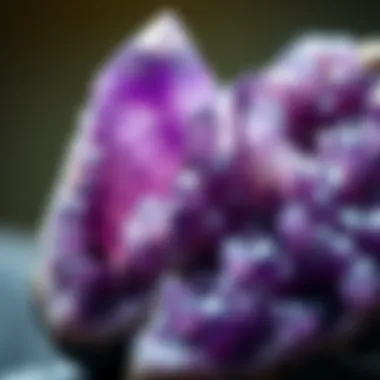
Purple minerals have long captivated the attention of collectors, geologists, and jewelry enthusiasts alike. Their alluring hues range from soft lilacs to deep violets, evoking a sense of mystery and intrigue. But beyond aesthetic appeal, these mineral marvels possess unique properties and fascinating histories that unveil their significance in both the natural world and various industries. To truly appreciate purple minerals, it's vital to understand not only what they are but also the intricate processes of their formation, their roles throughout history, and their contributions to numerous fields.
Overview of the Topic
In geology, purple minerals refer to those that exhibit a predominantly purple coloration due to their composition and the presence of certain elements. Key terms include:
- Mineralogy: The study of minerals, including their chemical composition, crystal structure, and physical properties.
- Gemology: Focuses on the science and appraisal of gemstones, including those that are purple in color, such as amethyst and tanzanite.
Historical significance
Throughout history, purple minerals have held considerable value. In ancient cultures, the color purple was often associated with royalty and wealth due to the rarity of purple dye. This significance extended to the minerals themselves, as they were often used in decorative arts and jewelry. For instance, ancient Egyptians prized lapis lazuli, which contains purple-blue hues, and used it in burial artifacts, signifying status in the afterlife. Similarly, the rich purple tones of amethyst were historically worn by nobility in Europe and were even believed to possess protective properties against intoxication and harm, marking a unique blend of beauty and belief.
Types of Collectibles
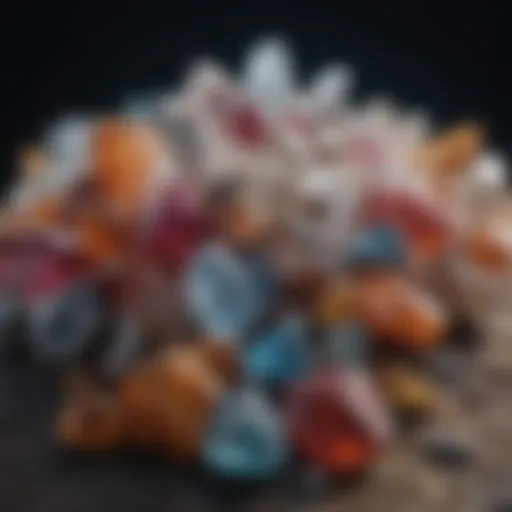
Collecting purple minerals can range from casual interest to serious investment, with many collectors specifically seeking certain types that stand out due to rarity or other unique characteristics. The market is rich with options, each telling its own story.
Classification of different collectibles
Different purple minerals can be classified into distinct categories based on their geological formation, chemical composition, and aesthetic appeal:
- Gemstones: High-value minerals often used in jewelry. Examples include amethyst and tanzanite.
- Specimens: Display pieces that might be utilized in educational contexts. Minerals like fluorphlogopite can be both beautiful and informative.
- Tumbled stones: Polished and smooth stones that are commonly collected for their tactile appeal and variety.
Notable categories
When considering favorites among collectors, certain minerals consistently rise to the top:
- Amethyst: A variety of quartz, prized for its vivid purple color and popularity in adornments.
- Tanzanite: A relatively recent discovery, this striking blue-violet stone is indigenous to Tanzania and highly sought after.
- Sugilite: Notable for its vibrant purple hues, it’s often carved into intricate shapes for artistic showcase.
"Purple minerals not only beautify spaces but also enrich the knowledge and appreciation of Earth's natural wonders."
Collectors often find that learning about these minerals extends beyond mere aesthetics, leading to deeper insights into their geological origins and unique characteristics. By diving into the specifics of these captivating geological specimens, enthusiasts can cultivate both a personal connection to their collections and a broader understanding of the Earth’s crust.
Prolusion to Purple Minerals
Purple minerals have long captivated human interest. Their eye-catching hues signal not just aesthetic beauty, but also geological processes and cultural significance. Understanding these minerals helps us appreciate their role in nature as well as their importance in various human endeavors—be it jewelry, art, or industry.
Defining Purple Minerals
Purple minerals are defined by their distinct coloration, which ranges from soft lavender to deep violet. This unique shade usually arises from the presence of specific elements like manganese, iron, or chromium. For instance, amethyst, a popular purple mineral, gets its color from iron impurities and natural irradiation within the quartz structure.
In the world of geology, purple minerals are not merely about the appearance; they also serve as indicators of the specific geological environments where they are found. Their formation can be a clue to understanding past volcanic activity, metamorphic processes, or even the conditions of sedimentary deposits.
The Spectrum of Purple in Nature
Nature paints in a spectrum of colors, and purple is a particularly fascinating one. From the delicate shade of lavender fields to the vibrant plumage of certain birds, the color purple emerges through a variety of natural processes. In minerals, this spectrum is often associated with the types of crystals and the specific environmental conditions that facilitated their growth.
The various shades of purple can hint at the mineral's origin. For example, the intense purple of fluorite can signify its formation in hydrothermal conditions, while lighter shades may indicate a different setting. The interplay of light within these minerals can create stunning optical effects, known as pleochroism in some cases, where the color appears to shift as the angle of view changes.
In summary, understanding purple minerals gives us a window into both geological history and the aesthetic values driven by nature. Collectors and enthusiasts alike find joy in exploring these facets, making purple minerals a subject of vast interest.
Geological Formation of Purple Minerals

Understanding the geological formation of purple minerals is paramount for those who seek to appreciate their beauty and value beyond mere aesthetics. This section aims to shed light on the intricate processes that govern how these minerals come into being, the unique characteristics they acquire during formation, and their subsequent impact on collectors and industries alike. Each mineral’s story begins at the molecular level, and it is here where chemistry and geology intertwine to create some of the most sought-after specimens in the world.
Mineral Composition and Chemistry
Mineral composition serves as the backbone of purple minerals, dictating their appearance and properties. The chemistry involved in their formation is often tied closely to specific element combinations. For instance, the presence of iron or manganese may impart a purplish hue to minerals like amethyst, a popular variant of quartz. The intricate balance between these elements influences not just color, but also the clarity and overall quality of the mineral.
Additionally, understanding the crystal lattice structure is crucial. This structure determines how light interacts with the mineral, ultimately affecting its brilliance and desirability. For example, the cubic structure of fluorite can present vibrant shades of purple owing to how it refracts light, making it a favorite among collectors.
Environmental Conditions for Formation
The environmental conditions in which purple minerals form are complex and multi-faceted. Two of the most dominant factors include temperature and pressure, along with the presence of metal ions.
Temperature and Pressure
Temperature and pressure play vital roles in the formation of purple minerals. The earth's crust operates under specific conditions that can dramatically alter mineral composition. High temperatures can facilitate the crystallization process, allowing minerals to grow in their ideal forms. Higher pressure, on the other hand, compacts the crystal structures, creating dense and often more stable formations.
One significant aspect is the temperature range commonly found in geothermal settings where amethyst forms. This temperature can range between 200°C to 400°C, making it favorable for quartz families, while others may require conditions found in igneous or metamorphic environments. The ability of these minerals to withstand such changes is key to their endurance as collectors’ items.
Presence of Metal Ions
The presence of metal ions is equally crucial in shaping the characteristics of purple minerals. Elements like iron and titanium often seep into the crystalline structure during formation, introducing color variations that may define the mineral’s identity. In amethyst, for instance, the iron serves to create the appealing purple hue, but the oxidation state of iron can shift under changing environmental conditions, leading to differing shades.
Furthermore, the source and nature of these metal ions can also impact rarity and value. Minerals enriched in certain ions become more desirable in the collectors’ market due to their unique visual attributes and scarcity in nature. Understanding this aspect can provide insight into why some purple minerals might command a higher price than others, thus informing purchasing decisions for collectors.
"A mineral’s essence is revealed not merely by its hue, but by the rich geological tapestry that surrounds its formation."
Notable Purple Minerals
When discussing purple minerals, we delve into a fascinating world known for its vibrant hues and striking beauty. Each mineral in this category possesses unique characteristics that make it a centerpiece in collections. The importance of notable purple minerals transcends their aesthetic appeal; they embody geological history, cultural significance, and present-day utility. Understanding these minerals can illuminate paths in jewelry design, industrial applications, and collector pursuits.
In this section, we will explore some of the most sought-after purple minerals, emphasizing their distinct features, historical relevance, and practical uses.
Amethyst: The Quintessential Purple Gem
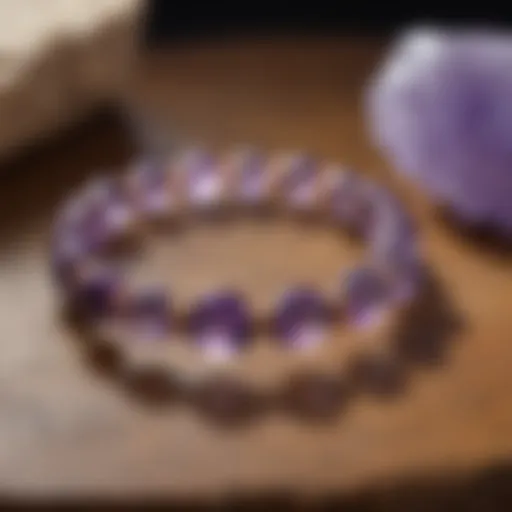
Amethyst stands out as the most recognized purple mineral. Its deep violet color arises from iron impurities and radiation exposure. This gemstone has a rich history, often associated with royalty and luxury. In ancient civilizations, such as Rome and Egypt, amethyst was believed to possess protective qualities and was commonly used in adornments by the elite. Its affordability, coupled with its striking color and clarity, has resulted in widespread popularity. Amethyst has found its way into a multitude of jewelry pieces, from intricate rings to stunning necklaces.
Amethyst is not only visually appealing but is also said to hold metaphysical properties. Collectors often regard it as a stone of balance, promoting calmness and clarity. Many use it during meditation, reinforcing its significance beyond mere decoration.
Fluorite: Color Varieties and Uses
Fluorite, often known for its wide-ranging colors, can appear in shades from pale lavender to deep purple. This mineral exhibits fluorescence, which means it can glow under ultraviolet light. Fluorite's versatility does not end with its color; it is extensively employed in numerous industries, particularly in manufacturing glass and ceramics.
Among collectors, fluorite specimens are celebrated for their cubic formations, creating a geometric appeal unmatched by many other minerals. Beyond practical applications, many believe fluorite aids in clarity of thought and focus, making it popular within metaphysical circles. Exhibitions showcasing fluorite often garner interest for its aesthetic appeal and diverse applications.
Purple Spinel: A Rare Gemstone
Less commonly known than amethyst or fluorite, purple spinel deserves attention for its rarity and brilliance. Found in shades ranging from lilac to deep purple, this gemstone has gained traction among collectors due to its durability and exceptional hardness. Spinel can often be confused with sapphires, but its unique characteristics and scarcity make it highly desirable in the gemstone market.
Historically, spinel was mistakenly categorized as ruby or sapphire, which adds an intriguing twist to its narrative in the annals of gemology. Purple spinel also carries a depth of cultural significance; it has been used in royal regalia and is sometimes referred to as the "noble gem". Collectors highly treasure this gemstone for its beauty and investment potential.
Lapis Lazuli: Beyond the Purple Hue
Although lapis lazuli is primarily known for its striking blue color, it often contains flecks of a purple hue, typically due to the presence of lazurite or calcite. This complex mineral has captivated civilizations for millennia. In ancient Egypt, it was ground into powder to create vibrant blue pigments for art and cosmetics. Lapis lazuli holds a unique place in art history, often used by the likes of Michelangelo.
For collectors, lapis represents a connection to history, culture, and artistry. Its vibrant colors and historical significance make it a desirable specimen. The exploration of this mineral's variances and uses can unlock understandings of aesthetic value and cultural narrative that have persevered through ages.

"The allure of purple minerals lies not only in their color but also in the stories they tell and the worlds they represent."
Collectively, notable purple minerals symbolize an intersection of beauty, history, and science. They serve as windows into the geological processes of our planet while reinforcing the connections that disparate cultures have forged with the earth's treasures.
Historical Significance of Purple Minerals
The historical significance of purple minerals speaks volumes about human culture and craft. From their portrayal in ancient artifacts to modern-day jewelry, purple minerals have influenced various aspects of civilization. People have cherished these gems not just for their beauty but also for the prestige associated with them. They often held a place of honor in royal regalia, symbolizing power and wealth. For instance, in ancient Rome, only emperors could don the color purple, thanks to the rarity of the purple dye obtained from mollusks. This association between the color purple and nobility endures, shaping perceptions of value even in contemporary contexts.
Cultural Symbols of Power and Wealth
Purple minerals have been deeply intertwined with the cultural fabric of societies across the globe. In ancient Egypt, lapis lazuli was not merely a stone but a symbol of the heavens, correlated with the blue sky and worn exclusively by royalty. It was believed to help in spiritual awakening and protection in the afterlife. As such, its use was not limited to adornment but played a vital role in burial artifacts and tomb artwork.
Moreover, amethyst has been historically viewed as a stone that could help in keeping its wearers clear-headed and sober. Ancient Greeks etymologically traced amethystos, meaning "not drunken," inferring that its power extended beyond physical beauty. In medieval Europe, bishops wore amethyst rings as a symbol of their authority and virtue. Its connection to the divine often made it a sort of talisman, used for spiritual safeguarding.
- Royal Significance: Throughout history, royalty adorned themselves with purple stones to emphasize their status. The color purple itself became synonymous with wealth. In various cultures, possessing purple minerals meant wielding influence and affluence.
- Religious Associations: Beyond aesthetics, purple stones held religious significance. Many drove spiritual practices, thus forming a connection between the wearer and higher energies or deities.
Collectively, these aspects underscore how purple minerals aren't merely geological specimens but encapsulate a narrative of human aspiration, spirituality, and cultural development.
Mythology and Folklore Associated with Purple Minerals
Mythology surrounding purple minerals is plentiful, serving as an emblem of allure woven into the stories of ancient tales. For example, in Hindu mythology, the god Krishna is often associated with lapis lazuli, suggesting that the stone's rich blue and purple tones echo divine beauty. Likewise, folklore tells stories of amethyst being created from the tears of Dionysus, the god of wine, after he cried for a mortal who had wronged him. This myth positioned amethyst as a stone of clarity, perfect for both heartbreak and healing.
- Dionysus's Gift: In this myth, the transformation of a mortal victim to a beautiful stone conveys a broader theme of redemption and purity, making amethyst sacred to those who sought forgiveness.
- Cultural Tales: Different cultures have unique anecdotes about purple minerals—some regard them as protective stones, while others believe they enhance wisdom or intuition.
Purple minerals, therefore, exist in a delicate balance between art, nature, and mystical lore, keeping alive the richness of human creativity and belief systems. These stones remind us that cultural perspectives shape our understanding—valuing beauty while narrating deeper stories that resonate with the human experience.
Industrial Applications of Purple Minerals
Purple minerals are not only captivating due to their aesthetic beauty but they also play significant roles in various industries. From electronics to artistic endeavors, their unique properties often make them indispensable in modern applications. This section delves into the importance of purple minerals in industrial contexts, highlighting specific elements, benefits, and considerations surrounding their utilization.
Utilization in Electronics and Technology
In the rapidly advancing field of electronics, purple minerals find intriguing applications due primarily to their distinctive electrical properties. For instance, amethyst, with its quartz structure, is used as a semiconductor in various electronic devices. It serves as an insulator or a piezoelectric material, which is crucial for the function of microphones, speakers, and even quartz watches.
Another noteworthy mineral is fluorite, which exhibits remarkable optical properties. This mineral is often used in the manufacturing of lenses and optical fibers. The clarity and color of fluorite enhance visual performance in high-tech devices, making it a valuable component in fiber optic technologies.
Moreover, the use of lilac-colored sapphire in laser technology cannot be overlooked. These sapphires aid in producing precise laser signals, further emphasizing the integral role of purple minerals in enhancing technological capabilities.
"Purple minerals are not just for adornment; they form the backbone of many innovative technologies, reflecting a fusion of beauty and functionality."
Applications in Art and Craftsmanship
The intriguing hues of purple minerals have inspired artists and craftsmen for centuries. Beyond their use in jewelry, these minerals add depth and character to various forms of art. Amethyst, for instance, is a favorite among jewelers and artisans. Its deep violet color and shimmering facets make designs alluring and timeless. Artists use it in both traditional jewelry and modern art pieces to convey sophistication.
In craftsmanship, adding powdered purple lapis lazuli to paint has historical significance. The vibrant blue and purple tones can invigorate canvases, reflecting the elegance of bygone eras while resonating with contemporary aesthetics. When incorporated into frescoes or sculptures, these minerals create visual stories that captivate viewers.
Additionally, many artisans utilize purple fluorite in their creations, especially in glass making. By adding fluorite to glass, they can achieve vibrant colors and enhanced clarity, making the finished products remarkably vibrant.
Collecting and Valuing Purple Minerals
Collecting purple minerals serves as not only a passionate hobby for many but also a serious investment for some seasoned collectors. The intricate blend of aesthetics, rarity, and the stories behind each specimen contributes to the collectible appeal of these minerals. Understanding the precise criteria for valuation helps both new and seasoned collectors make informed decisions while also nurturing their appreciation for the beauty of these geological wonders.
Criteria for Valuation

Color and Clarity
Color stands out as one of the most distinctive aspects of purple minerals, influencing not just their appeal but also their market value. A vibrant hue of purple can suggest high quality, while variations in shades can determine desirability. For instance, a deep, rich violet might command a higher price compared to a lighter lavender hue. Clarity, too, plays a crucial role; clearer stones are typically more sought after in the realm of collectible minerals. Those who collect purple amethyst often seek out specimens that are nearly flawless, as even minor inclusions may significantly affect the stone’s value.
An important feature of color and clarity is the so-called ‘zoning,’ which can show different shades in one crystal. This adds a layer of complexity and beauty, making it even more desirable. However, collectors should be cautious; overly deep colors without clarity can sometimes indicate treatment or enhancement, which may detract from the mineral’s natural value.
Rarity and Source
Rarity is another pivotal element in determining the value of purple minerals. Different regions produce different qualities and types of minerals, with rarer sources often yielding higher value. For example, purple spinel found in Sri Lanka is known for its unique qualities and is comparatively rare compared to similar hues found in other parts of the world. The significance of the mineral’s source can't be overstated; certain locations are famed for specific purple minerals, which adds to their lore and desirability.
A unique characteristic of evaluating rarity is the idea of provenance, which refers to the documented history of a mineral. Those with a well-documented lineage, such as belonging to a notable collection or having been part of a significant historic find, often fetch greater prices. However, not everything tied to folklore adds to worth; some minerals might be rarer but lack the aesthetic or clarity needed to captivate buyers. Thus, a delicate balance exists in appraising these factors.
Care and Maintenance of Collectibles
Maintaining the quality of collected purple minerals is essential to protect their value. Regular cleaning and appropriate storage play a vital role in preserving their beauty and structural integrity. Ideally, just a gentle wipe with a soft cloth, free from chemicals, can keep these minerals sparkling.
Humidity and temperature are critical aspects to monitor as well. Extreme fluctuations can lead to damage over time, especially for minerals with lower hardness ratings. Using display cases with constant climate control is advisable, as this minimizes risks and prolongs the lifespan of your collection.
In summary, by focusing on color, clarity, rarity, and proper care of purple minerals, collectors can not only cultivate a deeper appreciation for these treasures but also make wise investments in their collecting pursuits. Keeping abreast of market trends and being part of collector communities, such as those on reddit.com, can be highly beneficial for sharing tips and insights.
The Future of Purple Minerals in Collecting
The landscape of gem and mineral collecting keeps shifting with time, much like the geological processes that shape the minerals themselves. The spotlight is now firmly on purple minerals, which have gained traction among collectors both seasoned and novice. Understanding the trajectory of purple minerals in the collectible sphere not only enhances appreciation but also highlights the potential investment and aesthetic value these unique specimens hold.
Emerging Trends in Gemstone Collecting
In recent years, the world has seen a burgeoning interest in purple minerals, largely spurred by social media and online communities. Gamers and artists alike have dabbled in collecting these stunning geological masterpieces, often showcasing them in personalized displays or digital models. The trend is gradually evolving into a crossover between traditional collecting and modern technology. Here are some of the trends unfolding:
- Increased Digital Presence: Sites like Instagram and Reddit have become platforms for collectors to share insights, trade, and gather advice on purples such as Amethyst or Fluorite.
- Augmented Reality (AR): Some collectors are now employing AR to project their collections, enabling prospective buyers to visualize pieces in their space before committing to a purchase. This adds an interesting layer to how one experiences the beauty of purple minerals.
- Sustainability-driven Choices: Collectors are paying more attention to the source of their minerals, often opting for those harvested through ethical practices that prioritize environmental conservation.
Such trends not only modernize the collecting experience but also contribute to a deeper appreciation for purple minerals.
Environmental and Ethical Considerations
As collectors navigate the vibrant world of purple minerals, it’s critical to confront the environmental and ethical issues tied to these gems. Here are some considerations that every conscientious collector should mull over:
- Sourcing Practices: Collectors should strive to understand where their minerals originate. Mines that practice responsible extraction and adhere to regulations often yield higher-quality specimens. This awareness directly impacts environmental sustainability.
- Carbon Footprint: The journey of minerals from mine to collector can leave a significant ecological trail. Opting for sellers who emphasize local sourcing helps diminish this footprint. Many mineral enthusiasts now seek out local shows or reputable online dealers who emphasize shared values on sustainability.
- Support for Local Communities: Engaging with sources that empower local communities is becoming a priority. Collecting ethically often involves choosing minerals from regions that benefit economically from their sales, ensuring that the profits support the people who mine these breathtaking stones.
"Collecting purple minerals is more than just a hobby; it's an opportunity to support sustainable practices and local communities while adorning your collection with stunning beauty." - Unknown
As the realm of purple minerals continues to evolve, understanding these emerging trends and corresponding ethical implications can lead collectors to navigate the future of their endeavors with awareness and responsibility. Collecting is not merely about ownership; it can be an enriching journey that respects both the earth and its inhabitants.
In summary, as purple minerals claim their space in the spotlight, both emerging trends and ethical considerations play pivotal roles in shaping the practices of modern collectors.
Epilogue: The Allure of Purple Minerals
The journey through the world of purple minerals has illuminated various facets beyond their mesmerizing appearance. This article sheds light on their unique geological complexities, historical significance, and multifaceted applications. Purple minerals, with their rich hues, do more than just adorn jewelry or decorative pieces; they symbolize cultural heritage and science's role in extraction and valuation.
Summarizing the Importance of Purple Minerals
Purple minerals such as amethyst, fluorite, and others serve as a reminder of nature's artistry. These minerals are not uniform; their formation and characteristics differ due to geographical and chemical influences. For collectors, possessing a piece of purple mineral is like holding history, as these geological marvels often find their way into ancient folklore and modern mythologies alike.
Key points include:
- Cultural Significance: Different civilizations have associated specific purple minerals with power, wealth, and spirituality. For instance, amethyst was believed to protect against intoxication in ancient Greece, while in some cultures, purple signifies royalty and nobility.
- Scientific Interest: Geologists study purple minerals to gain insights into the conditions of Earth’s interior and the processes involved in their formation. Purple minerals often indicate specific metal ions in their structure and even their formation conditions such as temperature and pressure.
- Collecting Value: The rarity and beauty of purple minerals make them highly sought after in collections. Factors like clarity, color saturation, and origin can drastically affect their market value. Each piece tells its own story, whether in the context of geology, culture, or economics.
These minerals bear witness to our earth’s vibrant history, dominating not just in beauty but also in the rich narratives associated with them.
Encouragement for Further Exploration
As we close this exploration of purple minerals, there remains a vast world to uncover. Collectors, enthusiasts, and even casual observers should delve deeper into the intricate details these specimens offer. While the allure of their colors catches our attention, the stories behind their formation and cultural significance can truly captivate the curious mind.
Exploring the world of purple minerals can be taken further with:
- Field Trips: Visiting mineral sites and gem shows can provide firsthand experiences with these breathtaking specimens. Consider checking out locations known for thriving gem mining like Amethyst Mine Panorama in Canada or exploring local mineral shows.
- Joining Communities: Engaging in online forums such as Reddit or specialized Facebook groups provides opportunities to learn from experienced collectors and share findings. Each tale can provide insights into valuation and uncover lesser-known facts about various minerals.
- Books and Publications: Numerous resources, ranging from geology textbooks to collector magazines, offer deeper knowledge about the specific characteristics of purple minerals and the science behind them.