The Most Powerful UV Flashlight: An In-Depth Exploration


Overview of the Topic
When it comes to illumination, UV flashlights stand as a pinnacle of utility, particularly for enthusiasts of unique collectibles like rocks and fossils. A UV flashlight emits ultraviolet light, which is invisible to the naked eye. This light has the power to reveal characteristics that ordinary lighting simply cannot. But what makes these devices particularly valuable and compelling? Let’s delve into the particulars.
Definition of Key Terms
- Ultraviolet Light: A form of electromagnetic radiation with wavelengths shorter than visible light. It can cause fluorescence in some materials, allowing collectors to see features that are otherwise hidden.
- Fluorescence: The property of certain minerals or substances to emit visible light when they are exposed to UV radiation. This is what makes UV flashlights compelling for identifying unique traits in minerals and fossils.
Historical Significance
The use of UV light dates back to the late 19th century when scientists first began exploring its effects on various materials. From medical applications to the inspection of artifacts, its range of uses expanded significantly over the decades. In the realm of collecting, the ability to detect authenticity in minerals and fossils has been particularly noteworthy, giving collectors an edge in verifying their prized pieces. With the advancements in technology, modern UV flashlights boast enhanced intensity and resilience, making them essential tools for any serious collector.
Applications in Collecting
The functionalities of UV flashlights extend far beyond mere illumination. Here’s how they are crucial for collectors:
- Identification: Certain minerals reveal their true colors under UV light, helping enthusiasts verify the authenticity and nature of their findings.
- Research: Scientific studies often employ UV flashlights to observe the fluorescence patterns in various specimens.
- Restoration: Professionals in restoration can utilize UV flashlights to assess and encapsulate materials that need treatment.
Safety Considerations
Before using a UV flashlight, it's essential to be aware of safety measures to avoid potential harm. UV light can damage skin and eyes, so protective eyewear is a must. Always handle UV radiation with care, avoiding direct exposure.
A well-informed collector equips themselves with the knowledge of UV flashlight functionality and safety measures, ensuring both protection and enhancement of their unique artifacts.
In summary, the allure of UV flashlights lies not merely in their ability to illuminate but in the unique insights they afford to those who seek to understand the hidden nature of their collectibles. By enhancing visibility, these powerful tools help reveal the stories locked within minerals and fossils, making every expedition a little more enlightening.
Prolusion to UV Flashlights
In the world of illumination, UV flashlights hold a unique and pivotal role. While common flashlights emit visible light, UV flashlights tap into the ultraviolet spectrum, allowing users to see things hidden to the naked eye. This distinctive capability is particularly important for niche audiences, such as rock and fossil collectors. These enthusiasts often utilize UV light to reveal the inherent qualities of various minerals and fossils, making the understanding of UV flashlights not just beneficial but essential.
The importance of this introduction lies in highlighting not only the uniqueness of UV flashlights but also the vast potential they hold for varied applications. From detecting counterfeit items to monitoring biological specimens, their usage proves invaluable. For collectors, the ability to scrutinize and appreciate the hidden beauty of geological specimens can significantly enhance their experience and knowledge.
In a broader view, one must consider the technological advancements in UV flashlight design, which have frequently led to improvements in efficiency, intensity, and user-friendliness. As these devices have evolved, they have become increasingly integral to various scientific explorations and practical applications. Consequently, this article aims to unpack these ideas, showcasing the interplay between UV technology and its practical implications for everyday users.
Defining Ultraviolet Light
Ultraviolet light is a form of electromagnetic radiation with wavelengths shorter than visible light but longer than X-rays. Generally divided into three categories—UVA, UVB, and UVC—each type of ultraviolet light serves distinct purposes.
UVA: Characterized by its longer wavelengths, UVA is commonly associated with skin aging and the fading of certain materials. Its penetrative capability makes it valuable in various applications.
UVB: Slightly shorter in wavelength, UVB is essential for synthesizing vitamin D in the skin, but overexposure can lead to sunburn and other skin damage. Its role in sun exposure highlights the need for moderation.
UVC: This type has the shortest wavelengths and is often relegated for use in germicidal applications due to its effectiveness at destroying pathogens.
Understanding these wavelengths is critical for anyone using UV flashlights, especially collectors, who must be aware of the specific types of UV light they encounter.
Purpose and Utilization of UV Flashlights
UV flashlights are not just technological novelties; they serve practical purposes across various fields. Their applications stretch widely, making them useful tools in different contexts. Here are some salient points upon their utilization:
- Verification of Authenticity: Many collectors use UV light to identify and differentiate between genuine and counterfeit items, especially in the realms of art, currency, and collectibles.
- Scientific Research: In laboratories, UV flashlights assist in examining biological materials, as some specimens exhibit fluorescence under UV light, making this technology invaluable.
- Mineral Inspection: Rock and fossil collectors often employ UV flashlights to observe the fluorescence of minerals. This can lead to discovering notable features that are otherwise invisible during daylight.
- Environmental Monitoring: UV flashlights can also have a role in assessing certain ecological indicators, such as identifying certain species of plant life or detecting pollution in water sources.
Understanding the Technology Behind UV Flashlights
Understanding the technology behind UV flashlights is crucial for anyone venturing into this realm—be it an amateur rock collector or an avid fossil enthusiast. The efficacy and suitability of any flashlight largely depend on its internal workings and the types of emitters used.
Given the unique applications of UV light, grasping how these devices function will help users maximize their potential. The use of different types of emitters, variations in wavelength, and considerations concerning performance collectively inform the choices consumers will face. Probing deeper into these elements reveals a wealth of insights, guiding buyers to make informed decisions.
Types of UV Emitters
LED Technology
LED technology is often hailed as the gold standard in the world of UV flashlights. This is mainly due to its efficiency in power consumption and its longevity. Unlike traditional options, LED bulbs can last tens of thousands of hours. They provide intense beams of UV light with minimal heat generated, making them safer to handle.
A standout feature of LED technology in UV flashlights is its compact size. This minuscule design allows for versatile use in various applications, from mineral inspections to validating currency or documents. However, potential drawbacks include a higher initial cost and the necessity for precise optics to ensure optimal performance.
Incandescent Bulbs
Once the darling of the flashlight world, incandescent bulbs have seen a decline in use with the rise of more efficient technologies. They produce light by heating a filament, which gives off UV rays, but they fall short in terms of energy efficiency. Incandescent bulbs typically have a shorter lifespan and burn out faster, making them less desirable for long-term use in UV applications.
On the plus side, they offer a warm light that some may prefer for specific uses. Additionally, due to their simplicity and cost-effectiveness, they remain a viable option for casual users who might not rely heavily on UV for specialized tasks.
Fluorescent Tubes
Fluorescent tubes bring a unique aura to the UV flashlight game. Commonly used in labs, these tubes are known for their ability to cover larger areas, like in forensic investigations or expansive mineral hunts. They emit UV light through the excitation of mercury vapor, trapped in the glass tube, making them somewhat effective in specific settings.
One of the key strengths of fluorescent tubes is their strong output, creating significant illumination, which can be integral in fields needing wide coverage. However, their size and fragility often make them cumbersome compared to LED alternatives. Additionally, frequent use may require replacement since their intensity tends to diminish over time.
Wavelengths and Their Implications
Longwave UV - UVA
Longwave UV, more commonly referred to as UVA, sits at the lower end of the UV spectrum. These wavelengths are often utilized for various purposes, including detecting certain minerals or even enhancing the beauty of some crystals.
A key aspect of UVA is its relative safety compared to other UV types, with lower risks of damage to skin and eyes. It’s frequently employed in applications ranging from nightlife to studying phosphorescence in rocks and gems. However, while its safety makes it appealing, it possesses limited penetration abilities compared to its higher-energy counterparts.
Mediumwave UV - UVB
Mediumwave UV, dubbed as UVB, occupies a middle ground in the UV spectrum and boasts specific applications in scientific research and even therapeutic practices. It has enough energy to produce a tanning effect, which can be beneficial when exploring geological formations under optimal conditions.
UVB's key characteristic lies in its ability to permeate deeper into biological materials, making it advantageous for microbiological studies. However, its potential for harm—causing burns or skin damage—highlights the need for caution and adequate protection.
Shortwave UV - UVC
Finally, shortwave UV, or UVC, is a powerful game-changer in the world of UV technology. Often used in sterilization and disinfection applications, it operates on a wavelength that can effectively eliminate bacteria and viruses. The implications of such a feature are monumental in various fields, including environmental assessments and biological applications.
While UVC's potency is a major asset, it’s important to note that this type of UV can pose considerable health risks; exposure can lead to serious eye and skin injuries. As a result, protective equipment is essential when using UVC flashlights, making this technology suitable for trained professionals rather than casual collectors.
Key Features of Powerful UV Flashlights
When seeking out the most effective UV flashlights, understanding their key features becomes paramount. These characteristics not only dictate the performance of the flashlight but also determine its suitability for various tasks, especially for rock and fossil collectors. Powerful UV flashlights can unveil hidden details in minerals, aid in the examination of fluorescing specimens, and bolster inspection processes for authenticity. Knowing what features to look for can make all the difference in maximizing your flashlight's potential.
Light Output and Intensity
The light output and intensity of a UV flashlight are critical metrics for users. Measured in lumens, the light output indicates how brightly the flashlight can illuminate its surroundings. The intensity of UV light is measured in nanometers, typically falling within the UVA, UVB, or UVC ranges, which each have distinct usages. For example, UVA is crucial for detecting certain minerals and fossils, while UVC can be used for sanitizing surfaces.
A flashlight with adjustable intensity allows users to tailor brightness levels to their specific needs, whether they're inspecting rocks in a dimly lit cave or checking for fluorescence outdoors. The ability to switch between different intensities is not just a feature—it’s a necessity for anyone seriously engaged in collecting or inspecting materials.
Durability and Build Quality
A solid flashlight would be a liability if it cannot withstand the rigors of outdoor use or frequent handling. Durability and build quality are fundamental aspects of a powerful UV flashlight. Many flashlights are made from aluminum alloys or high-impact plastics that can endure drops and extreme conditions.
Consider flashlights with features like weather resistance or IP ratings to gauge their ability to function in adverse weather. A rubberized grip can also aid in ensuring that the flashlight remains secure while being used in the field. For collectors, a flashlight capable of enduring frequent use can prevent the need for premature replacements, thus offering better long-term value.
Battery Life and Power Sources
When evaluating battery life and power sources, it's important to distinguish between rechargeable versus non-rechargeable batteries. This comparison plays a significant role in the effectiveness and reliability of powerful UV flashlights.
Rechargeable vs Non-Rechargeable
Rechargeable batteries have become increasingly popular due to their convenience and cost-effectiveness. Opting for a flashlight that utilizes rechargeable batteries can significantly reduce the overall expense and waste associated with disposable batteries. Plus, many are designed to offer a longer lifespan, making them eco-friendly. However, it’s crucial to check how long the flashlight lasts on a full charge compared to a non-rechargeable option. Some users might prefer non-rechargeable batteries for specific use cases where immediate replacement is paramount, such as during lengthy field trips.
"Navigating through rugged terrains with a flashlight that fails due to battery fatigue is a nightmare many collectors want to avoid."
Battery Capacity Specifications
Battery capacity, defined in milliampere-hours (mAh), is a key specification that impacts how long a flashlight will operate before needing a recharge or replacement. Higher mAh ratings suggest longer usage before downtime, which is essential during exhaustive fieldwork.
It's not just about capacity though; understanding the compatibility with different power sources adds another layer of insight for potential users. Some powerful UV flashlights may offer the flexibility to use both rechargeable and non-rechargeable batteries, giving collectors the option to choose based on their circumstances. It's wise to investigate models that offer this flexibility to enjoy uninterrupted performance in varying situations.
In summary, highlighting these key features—light output and intensity, durability and build quality, as well as battery life and power sources—enables users to make informed decisions when choosing powerful UV flashlights, bridging the gap between tool and necessity in the field of rock and fossil collection.
Applications of Powerful UV Flashlights
The applications of powerful UV flashlights span a wide array of fields, revealing their invaluable nature in both professional and recreational contexts. These devices are not merely tools but rather instruments that enhance our ability to see and understand the unseen world around us. From verifying the authenticity of items to conducting critical scientific research, the versatility of UV flashlights is commendable. Understanding these applications can aid users in selecting the right flashlight for their needs.
For Inspection and Verification
Identifying Counterfeits
One of the standout uses of UV flashlights is their effectiveness in identifying counterfeits. This particular application taps into the unique markings present on genuine items, such as banknotes and certain luxury goods. When you shine a UV light on these objects, it often reveals hidden features like watermarks or fluorescent inks that are invisible under normal lighting.
This becomes particularly important in today’s world where counterfeit products flood the market. High-quality UV flashlights can quickly reveal the truth, saving consumers from getting duped. The ability of UV light to pinpoint discrepancies makes it a popular choice among collectors and retailers alike. However, potential users should be aware that not all UV flashlights have the same intensity, which could impact their effectiveness during verification processes.
Inspecting Minerals and Fossils
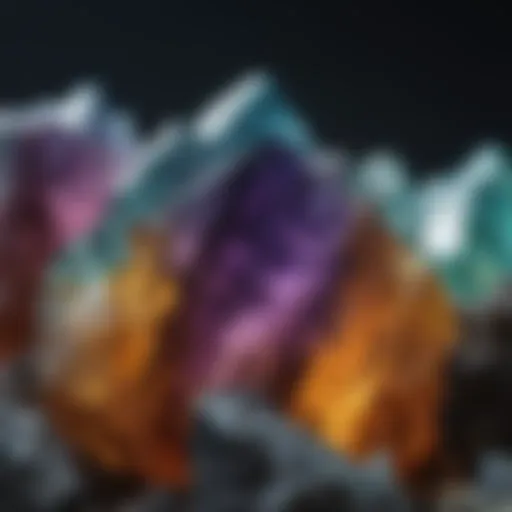
Another significant aspect of using UV flashlights is in the inspection of minerals and fossils. When exposed to ultraviolet light, many minerals fluoresce in vibrant colors, adding a fascinating dimension to the analysis of geological specimens. This fluorescence can help mineral enthusiasts identify minerals that otherwise look similar in standard light conditions.
For fossil collectors, examining fossils under UV light can reveal preservation characteristics that are not visible otherwise. This layer of detail is critical for accurate classification and valuation. Nevertheless, it’s essential to note that while many fossils will exhibit fluorescence under UV light, not all will, which can lead to varying levels of satisfaction among users.
In the Field of Science and Research
Biological Applications
In scientific research, powerful UV flashlights hold significant importance, particularly in the field of biology. For instance, microbiologists utilize UV light to identify bacteria and other organisms that emit natural fluorescence. This application is crucial in various research settings including ecology, genetics, and even diagnostic laboratories.
Moreover, the nature of UV light aligns well with techniques such as fluorescence microscopy, which can enhance the visualization of cellular components. Researchers often rely on this interaction to monitor biological processes, evaluate cell health, and perform various experiments. The downside, however, is that prolonged exposure to UV light can be harmful to both the biological specimens and the researchers, necessitating proper safety measures.
Environmental Assessments
On the environmental front, UV flashlights are relied upon for assessments of water and soil quality. They can detect contaminants like certain chemicals and pollutants, which may fluoresce under UV light. This property is invaluable for environmental scientists working on pollution monitoring or assessing the impact of industrial activities on natural habitats.
The advantage of using these tools is their ability to provide immediate results without the need for collecting samples and sending them for laboratory testing. However, the reliance on UV light means that users must be skilled in interpreting results and understanding the limitations of the technology. Clear knowledge of the parameters and conditions under which UV assessments are effective can greatly enhance the reliability of these applications.
Leisure Activities and Collections
Nighttime Exploration
When it comes to leisure, many outdoor enthusiasts use powerful UV flashlights for nighttime exploration. Camping or hiking under the stars become enriched experiences when one can search for nocturnal wildlife or spot minerals that reflect UV light. This exploration can uncover an entirely new world – for instance, certain scorpions glow under UV rays, offering a thrilling adventure for nature lovers.
The ability to highlight unique aspects of nature not only enhances recreational activities but also deepens one’s understanding of environmental interaction. Despite the fun, however, the potential drawbacks include the need for proper navigation in dark spaces where visibility may be compromised.
Enhancing Geological Collections
Finally, for geological collectors, UV flashlights play a monumental role in enhancing collections. These flashlights can reveal hidden colors and patterns in rocks and minerals, helping collectors appreciate their specimens in ways they might not have previously imagined. This revelation adds greater value to the collection, both emotionally and financially.
Collectors also find that showcasing their UV-sensitive items under black light creates visually stunning displays. While this may seem like a simple enhancement, the drawback lies in the need for a UV flashlight powerful enough to create noticeable effects. Collectors must select carefully to balance quality and their specific needs.
Considerations When Choosing a UV Flashlight
Choosing the right UV flashlight is no small potato, especially when it comes to ensuring you’re equipped for effective use whether you're a hobbyist or a pro. Taking time to evaluate specific elements can make the difference between a tool that merely illuminates and one that truly serves its purpose.
Understanding UV Exposure Risks
First off, recognizing the risks associated with UV light exposure is crucial. Not all UV lights are created equal; some emit wavelengths that can potentially harm your skin and eyes. This makes understanding the wavelengths emitted by different flashlights — particularly in the UVA, UVB, and UVC ranges — extremely important.
- Longwave UV (UVA): Generally considered safer, but prolonged exposure can still lead to skin aging and potentially skin cancers.
- Mediumwave UV (UVB): Offers fewer benefits and more risks, mainly linked to sunburn.
- Shortwave UV (UVC): While it's the most effective for disinfection and other applications, it can cause serious damage to skin and eyes even with brief exposure.
When using a UV flashlight, dumbing down the intensity and opting for ones with protective features is wise. Look for products that mention built-in safety features such as timers or automatic shut-offs.
Evaluating Product Reviews and Specifications
When you're in the weeds of product reviews, not everything you read is gospel. Sifting through user experiences can give real insights into performance. Begin by checking the product specifications, focusing on:
- Lumens: Higher lumens usually mean a brighter light, but consider the type of UV light too.
- Wavelength: Ensure the flashlight states its UV wavelength range clearly.
- Battery life: A flashlight with a short battery life can be a dealbreaker, especially if you rely on it for long periods.
It may be a good idea to combine quantitative specs with qualitative feedback. Look for patterns in user reviews regarding usability and durability. Did multiple reviewers praise its effectiveness in finding scams in currency notes or spots on gem stones? Tuning into such details can guide your decision.
Comparative Analysis of Leading Brands
Diving headfirst into a comparative analysis can save you some headaches down the line. Brands like Surefire, Streamlight, and Fenix are known players in the game for producing potent UV flashlights. Each of these brands offer unique advantages, but you should consider:
- Pricing: Sometimes you get what you pay for, but high price tags don’t always guarantee the best features.
- Warranty: A longer warranty often implies the manufacturer’s confidence in their product.
- User Support: Investigate forums and communities; a brand with strong user support might offer peace of mind.
"Evaluating the brand’s reputation and reading between the lines of reviews can provide invaluable insights that help steer you toward a flashlight that meets your needs effectively."
Safety Precautions and Best Practices
When delving into the world of UV flashlights, ensuring safety is of paramount importance. While these devices can be incredibly handy and beneficial for various activities, they also come with certain risks tied to UV exposure. Understanding and implementing safety precautions not only safeguards users but also enhances the overall experience with these tools. In this article, practical safety tips and practices are delineated to arm collectors, researchers, and hobbyists with essential knowledge.
Protective Gear and Attire
UV-Blocking Glasses
UV-blocking glasses stand as a front line defense against the potential hazards of ultraviolet light exposure. These specially designed eyewear pieces are crucial because they can filter out harmful wavelengths, ensuring that your eyes remain intact while you engage in your activities. A key characteristic of these glasses is their ability to block UV rays effectively while maintaining clarity in vision, which is indispensable for examining specimens in detail without straining your sight.
One unique feature of top-of-the-line UV-blocking glasses is the anti-reflective coating, which minimizes glare and improves comfort during extended use. However, users must remain cognizant that not all UV-blocking glasses provide equal protection levels, making it wise to opt for those specifically tested for UV radiation. Such glasses enhance safety by offering peace of mind that comes with knowing you’re protected.
Skin Protection
When it comes to safeguarding your skin from UV exposure, proper skin protection is, without a doubt, a must. Utilizing sunscreens specifically formulated to block UV rays, especially when engaging in outdoor activities under sunlight, becomes imperative. The broad-spectrum sunscreens not only shield from UVA and UVB but also maintain skin health while participating in prolonged exposure
A defining characteristic of effective skin protection is its ability to provide water resistance and a long-lasting effect, encouraging collectors to safely enjoy their pursuits without worrying about harmful sun effects. A unique feature here lies in choosing a sunscreen with a higher SPF rating, which is beneficial in minimizing cellular damage. Consideration also extends to protective clothing, such as long sleeves or hats, which acts as a physical barrier against UV rays. Each of these elements plays a crucial role in ensuring that skin remains protected and healthy.
Environmentally Friendly Use
Ensuring responsible use of UV flashlights speaks volumes about one's dedication to the environment. Many users may not realize that prolonged exposure to UV light can have externalities both for themselves and their surroundings. Therefore, adopting environmentally friendly habits, such as minimizing unnecessary exposure and properly disposing of batteries and devices, becomes essential.
Users can also opt for rechargeable UV flashlights, which significantly reduce waste and conserve energy compared to non-rechargeable counterparts. Furthermore, practicing energy-efficient behavior, such as using UV flashlights only when necessary, contributes positively to reducing one’s carbon footprint. This conscious approach enhances the overall experience while appealing to environmentally aware users.
By integrating these safety precautions and best practices into your routine, not only do you prioritize your well-being, but you also enrich your connection with nature and respect the tools that help illuminate the darker corners of exploration.
"The best practice is often the simplest one—protect yourself first to ensure every adventure is a safe and enjoyable one."
In summary, committing to proper gear, understanding personal safety, and adopting eco-friendly practices allows for a fulfilling experience while using powerful UV flashlights. This foundational knowledge reduces risks and elevates your exploration into realms of discovery.
Finale: Harnessing the Power of UV Flashlights
UV flashlights are more than just handy tools; they represent a unique intersection of science and practical application. Their role in various fields like geology, forensics, and even pest control cannot be understated. In this article, we have explored the multifaceted nature of these devices, bringing to light their essential features, applications, and the safety considerations that should guide their usage.
Integrating UV Light into Collecting Practices
For rock and fossil collectors, understanding the utilization of UV light can significantly enhance their collecting practices. Integrating UV light allows enthusiasts to discover hidden properties in minerals, such as fluorescence. For instance, minerals like calcite and willemite boast stunning displays under UV exposure, revealing colors that are otherwise invisible to the naked eye. This can greatly aid in identifying specimens, potentially impacting their value and appeal.
Using a UV flashlight during field trips can also help collectors spot rare mineral specimens that exhibit fluorescence. Keeping a reliable UV flashlight handy during excursions could be the key to uncovering hidden gems. Moreover, the ability to check for authenticity and the structural integrity of specimens before adding them to a collection can enrich the collector's experience dramatically. The precision offered by UV flashlights transforms collecting from a simple hobby into a rigorous scientific pursuit that can yield unexpected rewards.
Future Trends in UV Flashlight Technology
As technology progresses, the future of UV flashlights looks promising with several emerging trends poised to shape the market. Manufacturers are increasingly focused on enhancing LED technology, leading to brighter, more energy-efficient flashlights that last longer between charges. Integration of smart technology is on the horizon, which could allow users to adjust wavelengths for specific applications, making these devices even more versatile.
Furthermore, advancements in safety features, such as automatic shut-offs and built-in UV exposure sensors, are becoming more common. This ensures that users can operate these devices with increased confidence. Portable power sources, combined with improving designs that facilitate easier handling, are also likely to become standard fare in the upcoming generation of UV flashlights. These advances don’t just promise better performance; they also cater to the expanding needs of users—from casual hobbyists to serious professional collectors searching for an edge in their pursuits.
In summary, the importance of harnessing the power of UV flashlights cannot be overstated. Whether it is about improving collecting practices or staying abreast of technological advancements, these devices hold vast potential for an array of applications, continuing to illuminate the path for both novices and experts alike.