A Comprehensive Guide to Natural Geodes for Sale

Intro
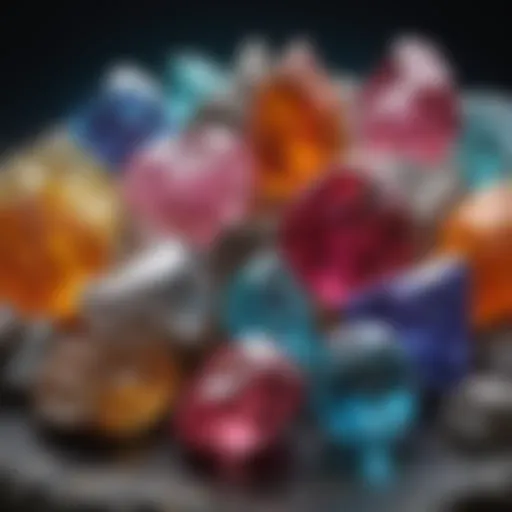
Natural geodes have long captivated the imagination of collectors and geology enthusiasts alike. These hollow formations, often encased in rugged rock, can hold a treasure trove of stunning crystals, providing endless appeal to those with an eye for beauty and a penchant for the unique. The art of collecting these geological wonders goes beyond mere aesthetics; it delves into the fascinating history, the science behind their formation, and the nuances of acquiring authentic specimens. In this guide, we will embark on a detailed exploration of natural geodes for sale, breaking down key aspects that any prospective buyer or collector should consider.
Overview of the Topic
Natural geodes, formations that typically take shape within volcanic and sedimentary rocks, are more than just visually stunning objects. They emerge over thousands, sometimes millions, of years, when minerals seep into cavities in rock and crystallize. Their uniqueness lies not only in their external rugged appearance but also in the myriad of crystal varieties hidden within. The term ‘geode’ stems from the Greek word for ‘earth,’ signifying just how much these formations are tied to our planet's geological processes.
Definition of Key Terms
To fully appreciate geodes, it’s useful to understand a few key terms. Firstly, crystallization refers to the process that forms the shiny, solid substances within the geodes when mineral-laden fluids fill the cavity and cool. Another term to note is nodular, which describes rounded mineral clusters often found within rocks. Lastly, manganese and quartz are common materials in these formations; manganese gives geodes a unique pinkish hue, while quartz is essential for the dazzling displays collectors often seek.
Historical Significance
The history of geodes stretches back into ancient cultures. In many societies, they were often considered sacred or protective objects. For instance, ancient Romans utilized amethyst geodes in jewelry, believing these stones offered both aesthetic charm and spiritual benefits. More recently, the geological study of geodes has provided insight into Earth's past environments and mineralogy, influencing both scientific study and the burgeoning market of rock collections.
Types of Collectibles
Natural geodes are not one-size-fits-all. The collectible market is vast, with different types appealing to various tastes and interests.
Classification of Different Collectibles
Geodes can be primarily classified based on their mineral content, size, and origin. For instance, those with amethyst crystals are sought after for their vibrant purple hues, while calcite geodes often feature clear or cloudy crystal formations. Additionally, collectors might look for geodes based on their size—ranging from small pocket-sized pieces to larger, statement specimens that can become conversational centerpieces in homes.
Notable Categories
- Quartz Geodes - These are perhaps the most common type, celebrated for their stunning clear or smoky quartz crystals.
- Amethyst Geodes - Loved for their vibrant colors, often considered among the crown jewels of geode collecting.
- Calcite Geodes - Found in various hues, from clear to shades of yellow and orange, they add a unique aesthetic to any collection.
- Agate Geodes - These beautiful formations often have striking banded patterns, captivating collectors' hearts with their artistic designs.
"The charm of geodes lies not just in their beauty; it's the story behind each one that makes them truly special."
As we dive deeper into the realm of natural geodes for sale, we will address market trends, the importance of authenticity, and practical tips for caring for and displaying these geological marvels. This journey promises to enlighten both novices and seasoned collectors, unveiling the layers of intrigue surrounding these natural wonders.
Understanding Natural Geodes
Grasping the essence of natural geodes is the cornerstone of any discussion about these fascinating geological treasures. At their core, geodes represent a blend of nature's beauty and complexity, offering insights into geological processes that have unfolded over eons. By understanding geodes—how they form, their inherent characteristics, and the minerals that can be found within—collectors and enthusiasts can appreciate not only their aesthetic appeal but also their scientific significance.
Definition and Characteristics
Geodes are typically spherical or oblong rock formations containing a cavity lined with mineral matter. Their exterior is usually drab and unassuming, often resembling the rough, rocky surroundings. However, the true marvel lies within. When cracked open, one might find sparkling crystals or vibrant mineral formations, often making geodes a sought-after specimen for collectors.
The characteristics of geodes can vary widely. For instance, some geodes contain stunning quartz crystals, while others may host vibrant amethyst or calcite. The size of geodes can range from mere pebbles to large boulders. An important feature to note is that no two geodes are alike; each piece tells a unique story determined by its formation process and the particular minerals that have precipitated inside.
Formation Process
The creation of a geode is a natural masterpiece, involving several geological processes over millions of years. It starts when mineral-rich water seeps into a cavity within sedimentary or volcanic rock. As the solution fills these cavities, various minerals begin to crystallize around the walls of the cavity. Over time, the continued deposition of minerals leads to the formation of the crystalline structures that make geodes so captivating.
Interestingly, the conditions influencing their formation can include volcanic activity, chemical processes, and even changes in temperature and pressure within the earth. The end product is not just a rock but a fascinating window into the planet's geological history.
Common Minerals Found Inside Geodes
Inside these geological wonders, one can find a dizzying variety of minerals. Here’s a glimpse of what may lie within:
- Amethyst: A stunning purple variety of quartz, popular among collectors for its vibrant color and clarity.
- Quartz: Clear or smoky, quartz is the most common mineral in geodes, forming brilliant crystals that shimmer with light.
- Calcite: Often found in crystal formations, calcite can exhibit various colors, from clear to deep orange or even vivid blue.
- Celestite: Known for its light blue crystals, celestite can create a striking visual effect when found in geodes.
- Agate: This beautiful banded stone often makes its way into geodes, showcasing a spectrum of colors and patterns.
Understanding these minerals and their unique properties not only enhances the appreciation of geodes but also serves as a guide for collectors when assessing potential purchases. As one dives into the fascinating world of natural geodes, every specimen not only offers aesthetic pleasure but also encapsulates a piece of Earth's history.
The Appeal of Collecting Natural Geodes
The allure of collecting natural geodes extends far beyond simply acquiring beautiful rocks. For enthusiasts, these geological wonders represent a tangible connection to the Earth’s history and processes that shaped our planet. Whether one is a novice collector just dipping their toes or a seasoned aficionado, the appeal of natural geodes lies in their unique blend of beauty, scientific interest, and cultural resonance.
Natural geodes are highly coveted for several reasons—each contributing to their charm and significance in the world of collectors. Beauty remains the major draw; the intricate, sparkly crystals nestled inside can be awe-inspiring. Educational value also plays a significant role for those who appreciate geology. Beyond aesthetics, they carry historical narratives, connecting individuals to ancient geological events. Collecting geodes becomes more than a hobby; it's a journey into the earth’s past, a way to understand the natural world more deeply.
Cultural and Historical Significance
Natural geodes have long held cultural importance across various societies. In ancient times, these rock formations were often seen as vessels containing magical elements. Many cultures believed that geodes had protective powers and could enhance healing or spiritual practices. For instance, the Native American tribes often used crystals found inside geodes in rituals, believing they could harness energy.
Today, geodes serve as fascinating items of study in geology and history classes. Fossilized geodes can tell us much about past climates, volcanic activity, and sediment formation. Some collectors even turn to geodes as conversation starters at social gatherings, showcasing the rock's fascinating backstory, whether it be stories of their origins or the journey they took to their current location. This blend of education and culture enriches the experience for collectors, reinforcing the idea that they are not just gathering rocks, but holding pieces of our planet's history.
Geodes in Art and Decor
In recent years, the use of natural geodes in art and home decor has skyrocketed. Interior designers are incorporating geodes into various spaces, elevating rooms with sophisticated elegance. Bookends made from polished geodes, tabletops adorned with geode slices, and statement pieces such as coffee tables inlaid with geode designs are becoming commonplace in modern decor.
Using geodes in art is about more than just aesthetics; it’s a way to celebrate the natural world. Artists and designers can take advantage of the unique color combinations and textures that geodes offer, often resulting in striking visual masterpieces.
Moreover, these geological formations are considered conversation pieces; showcasing a geode in your home can reveal a collector's passion for earth sciences, transforming any setting into an engaging atmosphere for discussions about nature and craftsmanship.
Educational Uses in Geology
Natural geodes are not only attractive collectibles but also serve as fantastic educational tools in geology. They can help illustrate processes like crystal formation, mineral deposition, and geological time scales. For students and budding geologists, examining geodes can unveil insights into how different minerals form and displace throughout geological history.
Additionally, hands-on experiences with geodes can make abstract geological concepts more accessible. Workshops that include cutting open geodes or inspecting them under magnification can spark interest in earth sciences among students. Schools and educational institutions often utilize geodes in curriculums, enabling learners to connect theory with the tangible, enhancing their engagement and understanding of the Earth’s processes.
"The most interesting thing about collecting geodes is that each one tells a unique story that links us to ancient Earth, making it an enriching experience on multiple levels."
In sum, the appeal of collecting natural geodes lies in their multifaceted nature—embracing beauty, history, and educational significance. For rock hounds and collectors alike, they offer unparalleled insights into the natural world while also standing as artistic and cultural artifacts. This confluence ensures their status as coveted items, cherished not just for their physical properties, but for their deep-rooted connections to our planet's narrative.
Where to Find Natural Geodes for Sale
Finding natural geodes for sale can be a thrilling quest for mineral enthusiasts and casual collectors alike. The journey to acquire these geological wonders involves more than just a simple transaction. It also allows collectors to engage with a community that values the beauty and complexity of Earth's hidden treasures. In this section, we will delve into various avenues for sourcing natural geodes, examining the distinct advantages and considerations associated with each.
Local Rock Shops and Mineral Shows
Rock shops and mineral shows are often the bread and butter of the geode hunting experience. These local establishments create a welcoming atmosphere for both newcomers and seasoned collectors.
When you step into a rock shop, you are likely to be greeted by a diverse array of minerals, fossils, and, of course, an assortment of vibrant geodes. Local shop owners typically take pride in sourcing their geodes from reputable suppliers, often providing authenticity certificates. Engaging with these owners can be particularly enlightening; they often have stories to share about the origins and characteristics of their specimens, introducing you to the fascinating history behind each piece.
Mineral shows, on the other hand, offer a unique opportunity to explore a wider selection under one roof. Vendors from various regions come together, showcasing their finest finds. Visiting a mineral show can potentially save time and broaden your exposure to geodes, as you’ll encounter different styles, sizes, and prices.
- Benefits of Local Rock Shops and Mineral Shows:
- Immediate Inspection: You can physically inspect the geodes before purchasing, checking for quality and authenticity.
- Expert Guidance: Stores often have knowledgeable staff who can provide advice and answer questions.
- Community: These venues are perfect for networking with other collectors and sharing insights.
Online Marketplaces and Auctions
In an age where everything is just a click away, online marketplaces and auction sites have become significant platforms for purchasing natural geodes. Websites like eBay and Etsy offer a wide variety of options that local shops may not carry.
However, buying geodes online comes with its own set of challenges. Unlike physical inspection, you're reliant on the seller's descriptions and photographs to gauge a geode's quality and authenticity. It’s crucial to check the ratings and reviews of sellers, as negative feedback can indicate poor practices or misleading representations.
An often-overlooked feature of online shopping for geodes is the auction aspect. Auction sites allow collectors to potentially snag valuable pieces at competitive prices, but it requires diligence and timing. Bidding wars can drive prices up, which adds a layer of excitement to the buying process.
- Advantages of Online Marketplaces:
- Convenience: Shop from the comfort of your home at any time.
- Broader Selection: Access a larger variety of geodes than you might find locally.
- Competitive Pricing: You may find better deals, especially in auction settings.
Fossil and Gem Shows
Fossil and gem shows are often thrilling experiences for collectors. At these events, geodes are just one part of a larger story about Earth's history, showcasing the connection between fossils, minerals, and various earth science topics.
These shows can be advantageous for serious collectors due to the breadth of knowledge available. Many exhibitors are experts in their field and can provide valuable insights into not just geodes, but the geological processes that formed them. Engaging in conversation can yield tips on restoration, enhancing appreciation for these natural wonders.
Moreover, fossil and gem shows frequently feature workshops and educational sessions, making them not simply marketplaces but rich learning experiences.
- Key Benefits of Fossil and Gem Shows:
- Interaction with Experts: Gain knowledge about specimens from knowledgeable exhibitors.
- Workshops: Participate in educational sessions, enhancing your understanding of geological formations.
- Community: Network with fellow collectors who share your passion.
Finding natural geodes for sale can be an exhilarating journey filled with learning and connection. Whether you choose the intimacy of local shops, the convenience of online platforms, or the vibrancy of shows, each avenue presents its unique opportunities and experiences.
Evaluating Quality and Authenticity
When it comes to natural geodes, a discerning collector understands that quality and authenticity play a pivotal role in selecting the right pieces. Not only do these factors influence the intrinsic value of the geodes, but they also affect how they can be appreciated in collections and displays. This section will delve into the nuances of recognizing genuine specimens, identifying potential repairs or enhancements, and understanding their market value, arming collectors with critical knowledge to make informed decisions.
Recognizing Genuine Geodes
To the untrained eye, a geode might look fairly uniform, but there’s much more lurking beneath the surface – literally. Genuine geodes display distinctive features, such as irregularities in shape and surface textures. If you see a perfect sphere, that should set off alarms. Remember, nature rarely crafts perfection. Look closely at the external characteristics. Authentic geodes often have a rough exterior, arising from their formation in volcanic or sedimentary environments.
Here are some key markers to help you spot a real gem:
- Weight and Density: Genuine geodes are heavier than they appear. The crystal formations inside contribute significantly to the overall weight.
- Natural Inclusions: Look out for natural imperfections and inclusions within the crystals. They tell a story of how the geode formed over millions of years.
- Crystallization Patterns: Each type of mineral creates particular patterns. Amethyst geodes, for instance, have a characteristic deep violet hue, while quartz shows clear, transparent formations.
Armed with these observations, collectors can start distinguishing the real from the fakes.
Identifying Repairs or Enhancements
In the world of geology, the line between natural and enhanced can often be pretty blurry. Many geodes undergo restoration or enhancements, which can affect their market value. Buyers should be vigilant. Here are some pointers:
- Glue Residues: Be wary of visible glue marks or uneven alignments if the geode has been repaired.
- Enhanced Color: Some dealers may use dyes to enhance the color of crystals, particularly with quartz. If the colors appear unnaturally vivid, trust your instincts to question the authenticity.
- Check for Internal Damage: Sometimes, a geode may appear repaired from the outside but harbor chips or cracks inside. Look through the openings to check the quality of the interior.
Understanding these aspects will empower collectors to avoid pieces that may end up being disappointments down the line.
Understanding Market Value
Appraising the market value of natural geodes is anything but straightforward, yet it’s essential knowledge for anyone involved in the collecting scene. Various factors come into play, including:
- Rarity: Unique forms and color patterns can drive prices up. A particularly rare mineral present in the geode can make it a prized possession.
- Condition: As mentioned, repairs can diminish value. Buyers often prefer fully intact specimens, and any signs of handiwork can lead to devaluation.
- Market Trends: The demand for specific types of minerals oscillates based on trends within the geological community. For instance, amethyst geodes might see a surge in popularity due to their aesthetic appeal at a given time.
"Market value is not just about what looks good – it’s also about what collectors want and what nature has provided."
By keeping an eye on market movements, collectors can better position themselves when buying or selling geodes, securing the best deals possible.
Care and Maintenance of Natural Geodes
When it comes to cherishing your natural geodes, care and maintenance play a critical role in preserving their beauty and integrity. These geologic wonders can be delicate, and understanding the right ways to protect them can mean the difference between a radiant piece of art and a dull, damaged stone. For collectors, maintaining the luster and structure of geodes is not just about aesthetics; it’s also about honoring the natural processes that created them.
Cleaning Techniques
Keeping your geodes clean is essential for showcasing their inner sparkle. Dust and residue can build up easily on their surfaces, which can dull their appearance. Here are some effective cleaning techniques:
- Gentle Dusting: Use a soft, dry cloth or a feather duster to gently brush off dust. This simple step can revive the visual appeal without risking scratches.
- Water Wash: For more stubborn dirt, a lukewarm water rinse works well. Avoid using soap, as it might leave residues that can tarnish the geode. Use a soft brush if necessary but keep it gentle to preserve the structure.
- Vinegar Solution: If you're dealing with mineral deposits, a mixture of equal parts vinegar and water can help. Dip a cloth in this solution and lightly wipe the surface, but be careful with porous minerals—test a small area first.
Remember, never submerge geodes in water for extended periods. Their natural formations can be altered by prolonged exposure to moisture.
Proper Storage Solutions
How you store your geodes significantly impacts their longevity. Improper storage can lead to chipping, scratching, or even breakage. Consider the following tips for effective storage:
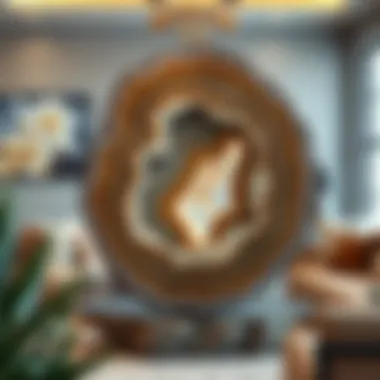
- Use Soft Linings: Keep your geodes on soft surfaces like felt or velvet which can prevent scratches.
- Containers: Whenever possible, store them in clear display boxes to keep them dust-free yet visible. This way, you can admire them without the risks that come with handling.
- Avoid Stacking: If you have multiple geodes, avoid stacking them atop one another; the weight can crush delicate formations over time.
Preventing Damage from Environmental Factors
Geodes can be susceptible to various environmental elements, and understanding how to protect them is crucial for maintaining their beauty over the years. Here are some points to consider:
- Sunlight Exposure: Direct sunlight can fade colors in your geodes. Place them in a spot where they can be enjoyed but kept away from harsh sunlight.
- Humidity Control: Excess moisture is a no-go for these geological gems. If you live in a humid area, consider keeping your geodes in a climate-controlled environment to avoid any potential deterioration.
- Temperature Fluctuations: Rapid changes in temperature can cause stress fractures. Keeping your geodes in stable conditions is paramount.
"Geodes are not just stones; they're stories of nature. By caring for them, we keep those stories alive."
By adhering to these care techniques, collectors can ensure that their natural geodes not only remain visually stunning but also withstand the test of time. Paying attention to these aspects enriches both the individual piece and the overall collection, creating a lasting legacy of the Earth's hidden treasures.
Display Options for Natural Geodes
Natural geodes are not only fascinating to collect, but they also serve as remarkable pieces of art when displayed properly. Finding the right way to showcase these geological wonders not only elevates their aesthetic appeal but also promotes appreciation of their unique structures. Whether you are a die-hard collector or a casual enthusiast, how you display your geodes can enhance the viewing experience. In this section, we will explore the various creative methods for showcasing natural geodes, integrating them into your home decor, and using them for educational purposes.
Creative Ways to Showcase Geodes
The creativity in displaying geodes knows no bounds. From simple tabletop arrangements to elaborate wall displays, the possibilities are as diverse as the geodes themselves. Here are some innovative ideas:
- Episodic Displays: Use a rotating display stand to feature various geodes in sequence. This not only saves space but keeps the exhibits fresh and engaging.
- Shadow Boxes: A shadow box can provide depth to the display. Arranging smaller geodes along with natural elements like sand or pebbles can create an intriguing visual effect.
- Floating Shelves: These allow you to highlight individual pieces without the clutter of traditional shelving. Layering different sizes can attract the eye and create a beautiful composition.
- Natural Light: Position geodes near a window or under LED displays to enhance their colors and translucence. Natural light can bring out crystals' facets in a way that artificial light often cannot.
These options not just serve decorative purposes but also preserve the integrity of the geodes, ensuring they remain in pristine condition.
Integration into Home Decor
Integrating geodes into your home decor can seamlessly transition your space from mundane to magnificent. Geodes can act as a centerpiece, a conversation starter, or simply a means of expressing your personal style. Here’s how you can do it:
- Entryway Accent: Display a large geode at your entryway table to greet guests with an impressive natural sculpture, setting the tone for the rest of the home.
- Coffee Table Centerpiece: Pair a stunning geode with coordinating natural elements—books, plants, or candles. This juxtaposition of materials and textures emphasizes the unique beauty of the geode.
- Wall Art: Incorporate smaller geodes directly into wall art installations. Mount them creatively against canvas or wood to craft a one-of-a-kind art piece that draws attention.
- Affordability in Decor: For those on a tight budget, mixing lower-cost geodes with more expensive decor is a smart way to elevate the overall look subtly.
Using these methods helps in blending the natural elegance of geodes with various styles, whether modern, rustic, or eclectic.
Educational Displays for Teaching
Displaying natural geodes also serves an educational purpose, particularly for teachers and educators. They can unlock a world of geological knowledge. Here’s how you can incorporate them into educational settings:
- Classroom Demonstrations: Utilize geodes in geology lessons, showcasing their formation and the minerals they contain. This hands-on experience can excite students and enhance their understanding of geological processes.
- Science Fairs: Create exhibits that can show students how to correctly identify different minerals within geodes, making the learning process interactive and fun.
- Museum Displays: Collaborate with local museums to display personal collections. This not only invites community engagement but also fosters a love for geological sciences.
Proper display of geodes can significantly enhance their educational value, allowing learners to connect with the beauty of geology in a meaningful way.
The Future of Geode Collecting
The future of geode collecting is not just a fizzling trend; it presents a realm of opportunities that resonates deeply with enthusiasts and collectors alike. As technology advances and society grows more environmentally conscious, the landscape of geode collection is undergoing transformation. This section will explore the shifts in market dynamics, the digitization of enthusiasts' networks, and the increasing importance of sustainability in sourcing.
Emerging Trends in the Market
It's impossible to ignore the buzz around natural geodes, particularly as collectors seek not just beauty but also an investment in natural history. One emerging trend is the rising interest in unique geode varieties, such as amethyst and calcite, that are becoming increasingly sought after. Marketplaces are also seeing a shift towards rarer specimens, with a noticeable spike in prices for those that stand out due to their atypical formations or vibrant colors.
Moreover, the fascination with geodes has extended beyond traditional collectors. Younger generations, often influenced by social media and online content, are beginning to engage with geology in ways that were not common in the past. Perhaps this interest can be attributed to the Instagram effect, where visuals drive excitement around these geological wonders.
"A rock may not seem alive, but when it opens up, it reveals a world inside. That's what makes collecting geodes exciting."
Role of Digital Platforms
Digital platforms are revolutionizing how collectors find and purchase geodes. The rise of e-commerce has made it possible for enthusiasts to access a vast range of geodes from around the globe without ever stepping foot outside their door. Online marketplaces like Etsy and eBay are bustling with unique and sometimes hard-to-find specimens. Additionally, social media platforms allow for community building among collectors, where they can share finds, tips, and even trade geodes directly, breaking down geographical barriers.
Non-profits and educational organizations are also setting up digital databases and forums, encouraging collaboration and communication among budding geologists and seasoned collectors. This online exchange creates a supportive environment where people share knowledge that enhances appreciation for natural formations.
Sustainable Sourcing Practices
Sustainability has emerged as a pressing concern across nearly all areas of collecting, and geodes are no exception. With environmental awareness on the rise, collectors are becoming more informed about the sources from which their geodes are derived. There’s increasing pressure on sellers to provide transparency regarding their mining practices. Collectors are now considering the ecological impact of extraction methods, focusing on responsibly sourced geodes that ensure preservation of natural habitats.
Adopting sustainable practices not only benefits the environment; it also fosters a new level of trust between collectors and suppliers. Ethical sourcing ensures that collectors can enjoy their passion while contributing to responsible environmental stewardship. A growing number of sellers are now highlighting their use of sustainable practices, tapping into a customer base that values ecological integrity.
As we explore the future of geode collecting, it becomes clear that trends in the market, the emergence of digital platforms, and a concentrated effort on sustainability are intricately linked to the evolution of this fascinating hobby. Engaging deeply with these aspects will ensure that the passion for geodes can be passed down through generations to come.