Identifying Stones in Jewelry: A Comprehensive Guide


Overview of the Topic
Identifying the stones in jewelry isn't just a pursuit for professionals or enthusiasts; it’s a passion that bridges history, art, and science. At the heart of this process is understanding the inherent properties of gemstones, recognizing both their beauty and their individuality.
Definition of Key Terms
To begin with, let’s clarify some terms:
- Gemstone: Generally recognized as a precious or semi-precious stone that has been cut and polished for use in jewelry. Examples include diamonds, rubies, and emeralds.
- Synthetic Stone: A created material that mimics the properties of a natural gemstone. It’s important to note that these synthetic versions may often share physical characteristics but are fundamentally different in origin.
- Inclusions: Refers to materials trapped inside a gemstone during its formation. These can provide clues about the stone's authenticity, age, and geographical origin.
Historical Significance
The journey of gemstones has been long and storied indeed. From ancient times, stones have played a vital role in cultures around the world. Kings and queens adorned themselves with jewels not merely for aesthetic appeal but also for their perceived powers and protection.
In the realm of ancient Egypt, lapis lazuli was valued for its deep blue hue, corresponding with the night sky, and it was said to symbolize heaven and the divine. Similarly, the Roman Empire revered certain stones like jade and garnet, associating them with status and wealth—something that remains true to this day.
Fast-forward to our modern era, where technology and scientific methods offer newer avenues for the analysis and identification of gemstones. Many collectors now rely on advanced equipment and techniques. Despite this shift, the allure of feeling the cool surface of a gem, examining its sparkle under light, and appreciating its individual characteristics still holds sway.
Importance of Identification
Understanding how to differentiate between natural and synthetic stones holds significant importance. For collectors, it's essential to ascertain the authenticity of a gemstone. Misidentification can lead to paying premium prices for what could be mere replicas. Moreover, it's vital for the preservation of the art and culture surrounding jewelry making.
Learning these identification methods enlivens the experience of gem collecting. It transitions one from merely being a passive admirer, to an informed collector who appreciates the intricacies and narratives behind each stone.
By dissecting these complexities, individuals can cultivate greater appreciation not just for the stones themselves, but for the craft of jewelry-making that binds them to culture and history.
Preface to Stone Identification
Identifying stones in jewelry is more than a mere hobby; it’s an art form that marries science with aesthetic appreciation. Often, the novice collector or casual jewelry enthusiast may glance at a gemstone and see beauty reflecting in flickers of light. However, a deeper dive reveals a world of complexities and nuances. Through this article, we will explore the many facets that make stone identification a vital skill, whether for value assessment, authenticity verification, or simply for the joy of collecting.
Importance of Stone Identification
The significance of stone identification cannot be overstated. Each gemstone carries its own story, steeped in history, rarity, and value. Knowing the specifics about a stone can influence both its market price and emotional worth to collectors. For example, a natural emerald exudes a different allure from a synthetic variant that might look similar to an untrained eye. Recognizing the differences can lead collectors not only to treasure more intensely but also ensure they avoid potential pitfalls. Furthermore, understanding details like hardness, luster, and origin of a stone fosters greater appreciation among enthusiasts.
In essence, good stone identification techniques enable jewelers and collectors alike to:
- Confirm authenticity, ensuring they are buying what they think they are.
- Evaluate and establish proper value in the marketplace.
- Develop a profound appreciation for the art and science of gemology.
Overview of Jewelry Stones
Gemstones can be categorized in numerous ways, but the two major groups are precious and semi-precious stones. Precious stones, such as diamonds, rubies, sapphires, and emeralds, are generally considered to have higher market value due to their rarity and desirability. On the other hand, semi-precious stones are plentiful yet often equally beautiful and have their own unique properties that delight collectors. Examples include amethyst, citrine, and garnet, each holding particular significance in different cultures.
The jewelry industry often highlights stones based on their absorption of light, color, and internal characteristics, which requires a comprehensive understanding and keen observation skills. It's a world where the beauty of a stone is matched by the story it tells; from the journey it undertook from earth to adornment, to the hands that shaped it into wearable art.
Knowledge about different stones enhances a collector’s ability to engage with their collections meaningfully. It's not just about ownership; it’s about storytelling and connecting to history. As we journey deeper into this guide, we will uncover various stones, their traits, and identification techniques that will enrich your knowledge and help you appreciate the stones in your collection.
Physical Properties of Stones
Understanding the physical properties of stones is crucial for anyone involved in jewelry identification. These properties provide insight into the characteristics of gemstones, assisting collectors, jewelers, and enthusiasts in making informed decisions. By recognizing factors such as color, hardness, and luster, one can differentiate between various stones and understand their value and applicability in jewelry design.
Color and Transparency
Color is often the first attribute that draws one's attention to a gemstone. Each stone has a distinct hue that can be influenced by various trace elements contained within.
- Hue: This is the base color of the stone, which can vary widely. For example, sapphires can be blue, pink, or yellow depending on the presence of iron or titanium.
- Saturation: The intensity of the color is another layer of assessment. A deeply saturated red ruby can fetch a higher price than a washed-out version of the same stone.
- Transparency: This refers to how light interacts with the stone. Some stones, like diamonds, are known for their clarity, while others may be opaque. Transparency can affect how a stone appears in jewelry and its perceived cost.
Importantly, when inspecting a stone, one should also consider lighting conditions. A stone may appear different under natural light compared to artificial sources. Observing the effects of light on a gemstone is key to identifying its true colors and qualities.
Hardness and Mohs Scale
The hardness of a stone plays a significant role in its durability and suitability for different types of jewelry. The Mohs scale, a comparative scale ranging from 1 (talc) to 10 (diamond), serves as a benchmark for this measurement.
- Understanding Hardness: A harder stone will generally withstand scratches and impacts better than a softer one. This means that jewelry made from harder stones, like sapphires ranked 9 on the Mohs scale, is more suitable for daily wear.
- Practical Application: When determining the right gemstone for an engagement ring, for instance, choosing one with a higher ranking on the Mohs scale can ensure longevity in the piece's appearance.
Here is a brief list of some common gemstones and their Mohs hardness:
- Diamond: 10
- Sapphire: 9
- Ruby: 9
- Emerald: 7.5-8
These values help you assess not just the aesthetics of a stone, but also its practicality in everyday scenarios.
Luster and Texture
Luster and texture can significantly influence the final appearance of a gemstone in jewelry. While hardness ensures durability, luster dictates how light reflects off the stone.
- Luster Types: Most gems display either a vitreous (glass-like) luster or a metallic one. A pearl, for instance, showcases a unique luster characterized by a soft glow, known as orient. It’s essential to recognize these variations as they can complicate identification.
- Texture: This involves the smoothness or roughness of a stone's surface. A polished gemstone will appear more radiant and enticing compared to a rough, natural form.
By understanding these properties, jewelers and collectors can better appreciate the nuances that each gemstone brings to a piece of jewelry.
"The beauty of a gemstone lies not only in its appearance but also in the properties that give it life and character."


In summary, the physical properties of stones are foundational to the world of gemology. They aid in identifying, valuing, and appreciating the role gemstones play in jewelry. For a deeper dive into mineral properties, you can refer to resources such as Mineralogy.com or Gemological Institute of America.
Through careful observation and analysis of these properties, individuals can refine their skills in identifying various stones, ensuring they can distinguish genuine gems from imitations.
Gemstone Types and Their Characteristics
Understanding the different types of gemstones is crucial for anyone delving into the domain of jewelry. An appreciation for the varieties of stones, along with their unique properties and market values, can significantly influence a collector's choices and investments. When one glances at a sparkling piece, it’s not merely about aesthetics; the type of gemstone can determine its durability, rarity, and, ultimately, its worth.
Precious vs. Semi-Precious Stones
The classification of stones into precious and semi-precious categories is often the first distinction a collector encounters. Precious stones typically include diamonds, rubies, sapphires, and emeralds. These are gemstones that command high prices due to their rarity, brilliance, and historical significance. For instance, the allure of a diamond is not just in its sparkle; it carries a cultural weight as a symbol of love and commitment.
In contrast, semi-precious stones, such as garnets, amethysts, and opals, while still beautiful, do not generally have the same market value. However, they offer diverse colors and patterns that can captivate collectors looking for unique pieces. One might say that while a ruby may shine bright, an amethyst can tell a story all its own.
Natural vs. Synthetic Stones
The rise of synthetic stones has changed the landscape of gemstone identification. Natural stones are formed through geological processes over millions of years, making them unique by nature. Conversely, synthetic stones are lab-created and can mimic the appearance of natural stones with remarkable accuracy. Understanding the differences between the two is vital for collectors, especially when valuing a piece.
Rubies made from natural sources often command prices in the thousands, while synthetic alternatives are available at a fraction of that cost. Identifying whether a stone is natural or synthetic influences not just the monetary value, but also the emotional connection one may have with the gem.
Common Gemstones and Their Traits
Diamonds
When it comes to diamonds, clarity is king. This gemstone is renowned for its ability to reflect light and create an impressive sparkle. The hardness of diamonds, rated at 10 on the Mohs scale, makes them the most durable stone, which is why they are often the first choice for engagement rings. However, one key characteristic is the quality of cut, which can significantly affect the stone's brilliance. A well-cut diamond can appear to have greater value compared to a poorly cut stone with the same weight. The unmatched fire and scintillation of diamonds make them consistently sought after in jewelry design.
Emeralds
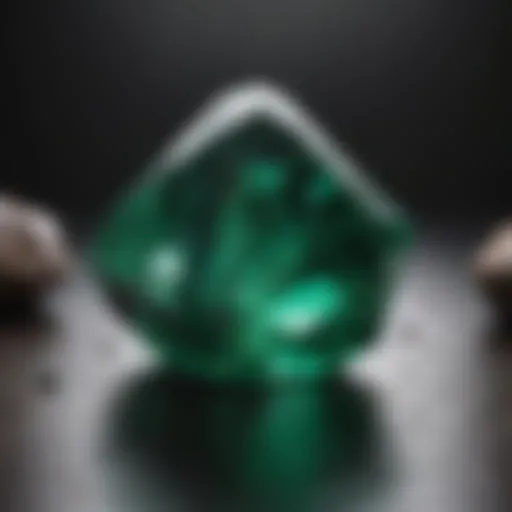
Emeralds are a green marvel, set apart by their lush hue. What makes them particularly special is their rarity, as quality emeralds with few inclusions can be hard to find. The deep, vibrant green comes from trace amounts of chromium and vanadium. However, collectors must be wary of synthetic emeralds, which can duplicate the color at a lower cost. Emeralds carry a unique characteristic: their inclusions, sometimes referred to as the stone's "jardin," add character, but can also affect the clarity and value.
Sapphires
Sapphires are more than just a pretty blue. While blue sapphires are the most recognized, they can come in a rainbow of colors, each telling a different story. They boast a hardness of 9 on the Mohs scale, making them a durable choice for everyday wear. The quality of a sapphire is often assessed through its color saturation and clarity. A stunning, richly colored sapphire can command a high price tag, making them an appealing option for collectors looking to diversify their collections.
Rubies
Rubies hold a special place in the heart of gemstone enthusiasts for their intense red hue and historical significance. The term "pigeon blood" is often used to describe the most desirable shade of ruby, which can fetch incredible prices. The clarity and size of rubies can greatly affect their value; larger, clearer stones are rarer and therefore more sought after. Furthermore, rubies are also durable, with a Mohs hardness of 9, ideal for various jewelry applications. Collectors appreciate rubies not only for their beauty but also for their representation of love and passion.
"In the realm of gemstones, every piece holds a story waiting to be told. Understanding the type of stone in your collection allows you to appreciate not just its beauty, but also its heritage."
These key distinctions about gemstone types and their characteristics shed light on why each gem has its place in the jewelry industry. Collectors and enthusiasts alike benefit from recognizing the specific attributes tied to each category. In doing so, they become better equipped to make informed decisions about their purchases, investments, and appreciation of their collections.
Techniques for Identifying Stones
Understanding how to accurately identify stones in jewelry goes beyond mere aesthetics; it involves a careful examination of various techniques that reveal a stone's composition and characteristics. These techniques serve as foundational skills for both aspiring jewelers and seasoned collectors. Knowledge of these methods not only enhances appreciation for the intricacies of gemstone design but also ensures authenticity and value in the jewelry market. By honing these skills, collectors can confidently discern real stones from imitations, safeguarding their investments.
Visual Inspection
The first step in identifying any gemstone often begins with a visual inspection. This method capitalizes on what the eye can see: color saturation, clarity, and type of cut. For instance, a diamond's brilliance stands out against others, making it relatively easier to identify. Factors such as the stone's shape and setting can also provide hints about its type and quality. A keen eye can pick up on nuances—like a slight color variation in an emerald that may suggest treatment.
Nevertheless, while visual examination is important, it is essential not to rely solely on this technique. It serves best as a preliminary method, before deeper technical analysis is employed.
Use of Magnification Tools
Gem Loupes
Gem loupes are small, hand-held magnifiers that are indispensable in gemstone identification. Typically offering magnification ranging from 10x to 20x, they give an enhanced view of a stone's surface and inclusions, the tiny imperfections that can reveal much about a stone’s origin. One significant characteristic of gem loupes is their portability— you can easily carry one in your pocket and whip it out at a moment’s notice.
They are especially popular among gemologists for their practicality and effectiveness in quickly assessing clarity and color grading. However, while they provide a good level of detail, they may not be able to identify certain microscopic features that are crucial for full analysis.
Microscopes
On the other hand, microscopes offer a far more detailed view, typically providing anywhere from 40x to 1000x magnification. This tool allows for an in-depth examination of inclusions, growth patterns, and even chemical properties of gemstones. The primary strength of using a microscope lies in its ability to reveal intricate details invisible to the naked eye or a basic loupe.
However, microscopes can be cumbersome and often require a certain level of skill to use effectively. They are better suited for professional gemologists who regularly need to analyze stones with precision.
Conducting Scratch Tests
A time-tested method of identifying hardness is the scratch test. This technique, steeped in the principles of the Mohs scale, allows collectors to discern between different types of stones based on their resistance to scratching. For example, if a stone can scratch quartz, it is likely a topaz, given that topaz is rated higher on the Mohs scale than quartz. This method, though simple, requires a careful hand and understanding of the relative hardness of materials.
Utilizing everyday items—like a nail or common mineral samples— a collector can conduct this test with relative ease. However, one must handle this technique with caution, as testing on a valuable stone could potentially damage it.
Identifying Inclusions and Bubbles
Inclusions and bubbles can provide insightful details about a gemstone. Inclusions may be natural—formed during the stone's creation—or they might indicate the stone has been subjected to treatments or enhancements. Understanding the nature, type, and position of inclusions helps in identifying stones, and recognizing whether they are natural or synthetic. For instance, bubbles within the material typically point towards glass or synthetic gemstones.
Moreover, a trained eye can determine the origin of certain inclusions, revealing whether the gemstone is from a specific mine or location, further adding value and historical context to the identification process. Picking up on such details can separate a thoughtful connoisseur from the run-of-the-mill collector.
The Role of Certifications


In the intricate world of gemstones, certifications stand as a vital pillar. They usher in a level of trust that is often necessary, especially for collectors and investors who deal with substantial sums. Understanding the role certifications play in identifying stones provides an essential framework for making informed decisions. Certifying bodies assess gemstones through various tests, measuring attributes such as clarity, cut, carat weight, and color. With this, a certificate adds credibility to the claims made about a stone's quality.
Benefits of Certification
- Assurance of Quality: A certification ensures that the gemstone possesses the characteristics that the seller claims. Without it, the likelihood of misrepresentation increases, which can be a hefty cost for the buyer.
- Deterrent to Fraud: The presence of a certification can deter unscrupulous sellers from peddling fake or treated stones as the real deal.
- Value Preservation: Proper documentation supports valuations and can be crucial during resale. Buyers often prefer certificates that confirm their purchases, and prices typically reflect this added value.
Thus, certifications don’t just serve as a seal of authenticity; they are also a resource for education about the stone itself.
Understanding Gemstone Certifications
Gemstone certifications are documents prepared by accredited gemological institutions that provide detailed information about the stone's specific characteristics. Common attributes outlined include color, clarity, cut, carat weight, and sometimes treatment listings. Knowledge of these can dramatically influence the market price that certain stones command.
When a stone is evaluated, a gemologist examines it under controlled conditions using professional tools. The resulting report highlights properties of the stone, which aids buyers in making informed judgments about authenticity and value.
"A certification acts like a star rating on a hotel, informing potential visitors about what quality they can expect."
Notably, several organizations exist to issue gemstone certifications. It’s important for buyers to understand how these certifications align with their goals and expertise levels.
Recognizing Reliable Certifying Bodies
Navigating the myriad of certifying bodies can feel like traversing a maze, but not all entities are created equal. Reliable certifications come from respected institutions known for their rigorous standards. Look for certifications from organizations such as the Gemological Institute of America (GIA), International Gemological Institute (IGI), or American Gem Society (AGS). These institutions have established reputations worldwide, providing confidence in their assessments.
A few criteria to keep in mind when selecting certification bodies include:
- Accreditation: Check whether the institution is recognized by national or international standards.
- Expertise: Look at the educational background and experience of the gemologists conducting appraisals.
- Transparency: Reliable certifying bodies should provide clear, understandable reports without any hidden jargon.
Implications of Certification on Value
The influence of gemstone certification extends far beyond just authenticity; it directly correlates to a stone's market value. Stones that come with a certificate generally command higher prices due to the assurance they provide. This factor is especially critical in the gemstone market, where the landscape is rife with treatments and synthetics that can affect a stone's integrity.
For instance, a naturally derived diamond with a GIA certificate will typically hold more value than a similar stone without certification. Some important factors to consider:
- Market Demand: The presence of certification can boost demand among discerning buyers, reflecting in the stone's price.
- Collector Appeal: Stones with respected certificates attract collectors, often sealing their fate as future heirlooms.
- Resale Opportunities: A certified stone is easier to sell, because potential buyers can trust the certification.
The Impact of Lighting on Stone Appearance
When it comes to gemstones and jewelry, light plays a vital role in bringing out the true essence of a stone. The way a gemstone looks can drastically change depending on whether it is viewed in natural sunlight or under artificial lighting, such as fluorescent or incandescent bulbs. This section delves into the impact of lighting on the appearance of stones, highlighting how these elements can enhance or diminish the beauty of various gemstones.
Natural Light vs. Artificial Light
Natural light, particularly daylight, is often considered the best way to view gemstones. The full spectrum of sunlight reveals the vibrant colors and intricate details of a stone, allowing hobbyists and professionals alike to appreciate its true beauty. The subtle hues, inclusions, and clarity of a gemstone can shine through, making it easy to identify the stone and notice any imperfections that might otherwise be hidden.
On the flip side, artificial light can vary significantly in quality and color temperature. For instance, fluorescent lights tend to cast a bluish tone, which may wash out warmer colors in a stone. Incandescent bulbs, with their warmer glow, can enhance these colors, making certain stones appear richer and more appealing.
Here are some points to consider when viewing gemstones in different lighting:
- Natural Light: Offers a full spectrum that exhibits true colors and luster. Best for accurate identification.
- Fluorescent Light: Can distort colors and may create a cooler tone, affecting the perception of clarity and quality.
- Incandescent Light: A warmer glow enhances warm-toned stones, but might misrepresent cooler hues.
Understanding how lighting affects the appearance of stones is crucial for anyone involved with jewelry, from collectors to sellers. This knowledge assists in making more informed decisions and ensures maximum appreciation of each piece's beauty.
Fluorescence and Its Effects
Fluorescence is a fascinating property that certain stones exhibit when exposed to UV light. This phenomenon can alter how stones appear under everyday circumstances. For example, some diamonds and rubies may show an otherworldly glow under ultraviolet light, which can greatly enhance their visual appeal.
However, it's not all roses. Some stones may fluoresce in ways that detract from their value. For example, certain diamonds might appear milky or oily when fluorescing under UV light, which can reduce their perceived quality in natural light conditions.
When assessing gemstones, consider the following regarding fluorescence:
- Enhancement: For some stones, fluorescence can enhance appearance, making them more desirable.
- Detriment: In other cases, it may reveal issues that weren't visible in regular lighting.
- Detection Method: Using a UV light source can help gemologists and collectors see how a stone behaves under different lighting conditions, assisting in more accurate identification.
Ultimately, understanding the effects of fluorescence and the differences between natural and artificial light is integral to appreciating the true value and beauty of gemstones. Each environment can either enhance or obscure the qualities of a stone, making awareness of these factors pivotal for effective stone identification.
“A gem's beauty is a dance of light and color. One must know the right stage to truly appreciate it.”
For further reading on lighting effects in gemology, check out resources from Gemological Institute of America or explore discussions on Gemstone Identification on Reddit.
Cultural and Historical Context of Gemstones
Understanding the cultural and historical context of gemstones is crucial for appreciating their value and significance beyond mere aesthetics. The stones we admire in jewelry are often steeped in tradition and lore, which provides insight into human creativity and civilization development. Such context can influence not only a gem's market value but also its personal significance to collectors and enthusiasts.
Symbolism of Different Stones
Stones have carried meanings across different cultures, and this symbolism often shapes how they are perceived in jewelry. For instance, diamonds, regarded as symbols of eternal love, are a staple in engagement rings. The phrase "Diamonds are forever" has cemented this belief, encapsulating the idea of lasting commitment. Yet it’s not just diamonds.
Similarly, emeralds are associated with rebirth and love. Ancient Egyptians prized them for their vibrant green hue, believing they could bestow fertility and harmony. In contrast, sapphires often symbolize nobility and wisdom – they were historically worn by royals, both signifying status and believed to bring divine favor.
Interestingly, each stone holds different meanings across various cultures. For example:
- Ruby represents passion and power in many Asian cultures, often worn by emperors for favor and protection.
- Amethyst, with its purple shades, symbolizes tranquility and is frequently linked to spirituality and protection from intoxication.
- Citrine, with its sunny color, is thought to bring prosperity and abundance.


These meanings may seem mystical, yet they influence buying decisions for consumers seeking more than mere sparkle in their jewelry.
Historical Significance of Gemstones
The past of gemstones is as varied and rich as the stones themselves. Throughout history, gemstones have been used as symbols of power, protection, and prestige. In ancient Rome, only the elite could afford to wear certain stones, like emerald or amethyst, often accompanying gold in their jewelry designs.
In addition to their use in adornment, gemstones have also played roles in rituals and beliefs across civilizations. The ancient Greeks, for instance, believed that sapphires could ward off evil and bring peace, while the Buddhists consider certain stones to hold karmic significance, reinforcing ethical values and compassion.
The craftsmanship surrounding gemstones has evolved with technology and taste. Once, cut and polished gems were exclusives of skilled artisans, but now, techniques have advanced. These developments have allowed for modern reinterpretations of ancient styles, keeping the historical significance alive while adapting to contemporary aesthetics.
The importance attached to gemstones over time reflects the changing values and beliefs of societies, showcasing aspects of cultural identity and heritage. Jewelers and collectors today often consider the history behind stones as part of their appeal, understanding that it enriches the story told through their jewelry.
"Gemstones are not merely pretty objects; they are repositories of culture and history, linking our present to the past and telling stories of human expression."
In particular, the research of specific types of stones and their historical narratives can add depth to a collector's knowledge. Several resources, including Wikipedia and Britannica, offer extensive information about the lineage and relevance of gemstones through time.
Through conscious exploration of the cultural and historical elements, collectors gain a profound appreciation for their treasures, making each piece of jewelry not just an accessory, but a narrative woven into our shared human experience.
Practical Applications in Jewelry Design
Jewelry design is not just an art; it's a nuanced practice where the choice of materials, particularly stones, can elevate a piece from ordinary to extraordinary. Understanding the practical applications of stones in jewelry design is crucial. Each stone has its unique properties, influences the aesthetics, and can communicate a different message or emotion.
Choosing the right stone isn’t simply about appearance; it extends to understanding the wearer’s needs, lifestyle, and message they wish to convey. For instance, an active individual might prefer a stone with superior durability, while someone looking for elegance may prioritize gemstones with exceptional clarity and color.
Selecting Stones for Specific Designs
When selecting stones, various factors come into play, including the type of jewelry being designed, the intended use of that jewelry, and, importantly, the style quirks of the wearer. Each scenario often requires different considerations:
- Engagement Rings: Often crafted for a lifetime, stones such as diamonds are popular due to their unmatched hardness and brilliance. However, some individuals may select less traditional options like sapphires or emeralds, whose unique colors can align with personal stories or preferences.
- Earrings: Here, the weight and size of stones matter significantly. Larger stones can be eye-catching but may cause discomfort if they are too heavy. Light options like topaz or even lab-created opals can strike a balance between size and comfort.
- Brooches and Necklaces: These pieces often become conversation starters. Designers might opt for stones like garnets or tourmalines, which can offer stunning colors and depths that enhance visual effects.
Moreover, it’s essential to remain aware of the trends in jewelry. Using stones that resonate with current fashion trends can heighten a piece's appeal. However, timeless pieces often highlight classic stones, ensuring that certain designs remain beloved across generations.
Balancing Aesthetics and Durability
A significant concern while choosing stones is balancing aesthetics with durability. An eye-catching stone won't serve well if its beauty quickly diminishes due to scratches or environmental damage. Here are a few considerations to keep in mind:
- Mohs Hardness: Knowing the hardness of a stone on the Mohs scale informs decisions for strength and longevity. Stones like sapphires, which sit at 9 on the scale, are incredibly resilient, while softer stones such as pearls or opals may require more careful handling.
- Daily Wear vs. Occasional Use: If designing for everyday wear, consider stones that are less susceptible to wear. Conversely, exquisite pieces intended for special occasions may incorporate delicate gems that provide beauty but require extra care.
- Setting Styles: The setting of a stone can protect it while enhancing its beauty. For example, bezel settings can guard against chipping but may not offer the same sparkle as prong settings for diamonds. Choosing the right combination can help ensure that your design remains as beautiful as it is durable.
Emerging Trends in Gemstone Identification
As the world of gemstones evolves, so too does the way we identify them. Advancements in technology and changing consumer values are reshaping how collectors and gemologists approach gemstone identification. Staying in tune with these emerging trends is vital for both hobbyists and seasoned professionals. Let's explore what these trends entail and how they impact the future of gemology.
Technological Advances in Analysis
The intersection of technology and gemology has introduced innovative methods for analyzing stones that were unimaginable just a few decades ago. From laser spectroscopy to X-ray fluorescence, these high-tech solutions allow for more precise identifications. One notable example is the use of Raman spectroscopy, which analyzes molecular vibrations to help identify stone types with remarkable accuracy.
Moreover, imaging technologies like infrared and ultraviolet photography provide invaluable insight into the internal characteristics of gemstones. These methods reveal hidden flaws and inclusions that are often undetectable to the naked eye. In essence, technological advancements enable gemologists to make informed assessments more efficiently, thereby enhancing their understanding and evaluation of gemstones.
"With tools becoming increasingly sophisticated, even novice collectors can now discern the authenticity of their treasures with relative ease."
Eco-Friendly Practices in Gemstone Evaluation
In today's environmentally conscious society, sustainable practices are taking precedence across many sectors, including gemology. Eco-friendly gemstone evaluation is not merely a trend but a necessary shift in how stones are sourced and verified. The rise of ethical sourcing has prompted laboratories to implement environmentally friendly analysis techniques that minimize waste and energy consumption.
For instance, many labs are now using recycled materials in their processes or opting for non-toxic substances during gemstone tests. Furthermore, companies like the International Gemological Institute (IGI) are leading the way in promoting conflict-free gemstones. They prioritize transparency in the supply chain, ensuring that stones are legally and sustainably sourced. Collectors increasingly seek certified stones that adhere to these eco-friendly practices, elevating not only the quality of their collections but also their moral standing in the gemology community.
As we continue to witness these shifts, emerging trends in gemstone identification promise to foster a more responsible approach to collecting. Understanding these trends empowers collectors and gemologists alike to navigate the complex world of gemstones with greater integrity and skill.
Ending: The Art of Stone Identification
Understanding how to identify stones in jewelry is not merely a hobby; it’s an essential skill for collectors and enthusiasts alike. As we draw this guide to a close, it’s vital to reflect on the various aspects we've discussed and how they interconnect to enhance one’s knowledge and appreciation of gemstones.
At the core of stone identification lies the significance of practicality and knowledge. Knowing the physical properties, characteristics, and certification processes inform the choices one makes when purchasing or evaluating gemstones. Collectors benefit greatly from comprehending the contrasting features of natural versus synthetic stones. This knowledge helps prevent missteps and enhances the overall jewelry experience.
By developing a strong foundation in the techniques for identifying stones—such as visual inspection, using magnification tools, and performing scratch tests—individuals increase their confidence and competence in making informed decisions in both purchase and design.
Furthermore, recognizing the impact of lighting, along with the cultural context of each stone, adds layers to the appreciation of gemstones. Fluctuating hues and patterns might be unnoticeable in poor lighting, but a well-lit environment reveals the full character of a stone.
Overall, stone identification allows us to navigate the intricate and exquisite world of gemstones with assurance and poise. This art encompasses both science and sensibility, weaving a rich tapestry of history, culture, and craftsmanship.
Summary of Key Insights
- Identifying stones is essential for collectors, preventing errors in purchasing.
- Understanding the properties like hardness, color, and clarity offers a clearer picture of each stone's uniqueness.
- Techniques such as scratch tests and magnification prove invaluable for accurate identification.
- Lighting can dramatically change the appearance of stones, which is crucial for evaluation.
- The cultural and historical significance of each gemstone enriches its value beyond monetary metrics.
Future Directions in Gemology
The field of gemology is rapidly evolving, with technology paving new paths for identification. Advances in spectrometry and imaging techniques are enabling gemologists to gain deeper insights into the materials composition of stones, thereby enhancing accuracy in their assessments.
Additionally, eco-friendly practices are becoming prevalent within the industry, providing a sustainable approach to gemstone sourcing and evaluation. As consumers grow more conscientious about their choices, transparency in sourcing will likely become a standard expectation rather than an exception.
With these changes on the horizon, gemology stands to undergo a significant transformation, offering collectors a more enriched experience while promoting sustainable practices globally. The journey of stone identification continues, encouraging enthusiasts to stay curious and engaged with the art.
"The real voyage of discovery consists not in seeking new landscapes, but in having new eyes." - Marcel Proust
For further reading on stones and their properties, one might look into:
- Gemstone Information on Wikipedia
- Gemological Institute of America for certification insights.