Identifying Raw Opal: A Complete Guide for Enthusiasts


Intro
Raw opal, a stone that captivates many with its unique play of colors and mesmerizing visual effects, stands as one of the most sought-after gemstones in the world of collectors. Despite its beauty, identifying authentic raw opal can be a daunting task, particularly for those who are new to the gemology field. In this guide, we aim to demystify the journey of recognizing genuine opal, exploring not only its distinctive characteristics but also the rich history that underpins its allure. By diving deeper into the mineral's complexities, enthusiasts will be better equipped to navigate the gem markets and avoid falling for imitations that share only a fleeting resemblance to this incredible mineral.
Overview of the Topic
Definition of key terms
To embark on this exploration, it helps to clarify key terms related to opal:
- Opal: A mineraloid that consists of silica and water, known for its vibrant color play called opalescence.
- Play-of-color: The shifting flashes of color that can be observed in opal when it is viewed from different angles.
- Raw opal: Opal that has not yet been cut or polished, typically found in its natural state.
Historical significance
Opal has a storied past that rivals its beauty. The ancient Egyptians revered this gem, believing it held the power of foresight. They often adorned themselves with opal jewelry, setting it as a treasured stone among their relics. Similarly, the Romans deemed opal as a symbol of hope and purity, associating it with the goddess of love, Venus. The stone's fascinating historical narrative, coupled with its geological uniqueness, contributes to the ongoing obsession that collectors and enthusiasts share today.
Characteristics of Raw Opal
Raw opal's identity is defined by an array of features that set it apart from other minerals. It exhibits a variety of colors, textures, and forms, making each specimen a unique piece of art fashioned by nature. Here are some vital characteristics to look for when identifying raw opal:
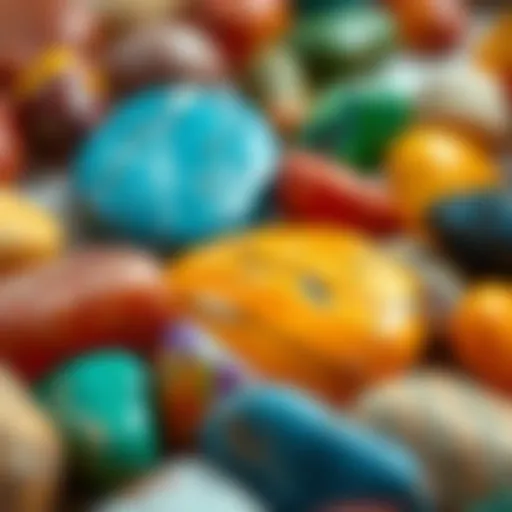
- Color: Ranging from milky white to deep black, but often showcasing flashes of green, yellow, orange, or blue in its natural kaleidoscope.
- Transparency: While some specimens are opaque, others may be semi-translucent, allowing light modulation that enhances their visual appeal.
- Texture: The surface can be smooth, rough, or even bumpy, depending on its natural occurrence and the matrix bed from which it was extracted.
- Weight: Opal is relatively lighter than many gemstones, which can be helpful in distinguishing it from heavier impostors.
There are many opals that mimic raw opal. Being vigilant about these characteristics can help collectors avoid disappointment.
"The story of opal is like no other, where nature writes a tale filled with color and intrigue on every stone."
Ending
The ability to identify raw opal effectively incorporates a mix of scientific understanding, keen observation, and a bit of intuition. Whether you are a novice or a seasoned collector, incorporating the knowledge from this guide into your journey can enrich your experience and enhance your appreciation for these remarkable gems. By delving into the intricate world of raw opal, collectors can make informed choices that lead to valuable acquisitions and a deeper discussion into the art and science of gemology.
For additional resources, consider exploring:
Arming yourself with this information goes a long way toward solidifying your expertise and enjoyment in the fascinating realm of opal collecting.
Understanding Opal
In the realm of gemology, understanding opal is like deciphering a colorful tapestry woven by nature. Opal is not just another gemstone; it’s a phenomenon rich in history, lore, and intricate beauty. Its unique optical characteristics and variety of types make it a subject of fascination not just for gem enthusiasts but also for collectors and jewelers alike. Recognizing the fundamental aspects of opal can significantly assist in identifying raw specimens—beyond the basics, it builds a solid foundation for any collector looking to deepen their knowledge.
Definition and Composition
Opal is a mineraloid, which means it lacks a truly crystalline structure, distinguishing it from many other gemstones. This peculiar characteristic results from its hydration of silica, typically composed of 5 to 10% water content interspersed within silica, forming what can be viewed as a three-dimensional structure. This unique formation leads to opal’s enchanting play-of-color effect, where flashes of red, blue, green, and yellow dance across the surface when light hits it. The light diffraction, thanks to the silica spheres, gives opal its distinct optical properties. With a varying hardness of 5.5 to 6.5 on the Mohs scale, opal is reasonably durable, although care should still be taken to avoid scratches or damage.
Types of Opal
Opal can be categorized into distinct types, each possessing its own charm and characteristics. Understanding these types is crucial not only for identification but also for appreciating the stone’s diverse beauty. Let's explore a few common types of opal:
Black Opal
Black opal is often regarded as the most sought-after variety, known for its dark body tone which accentuates the vibrant colors within. This stark contrast makes the play-of-color appear even more pronounced. Found primarily in Australia, black opal is a favored choice among collectors due to its rarity and aesthetic appeal. However, potential buyers should be wary of imitations, as the market is rife with synthetic alternatives. Black opal is not just beautiful; its depth of color can express emotions and stories, making it a popular query among collectors themselves.
White Opal
White opal, unlike its darker cousin, offers a softer appearance. Its light body tone allows for a range of colors to emerge, which can appear milky or translucent. Many gem lovers appreciate white opal for its easy availability and affordability compared to black opal. While its brilliance can rival other types, it’s vital to be cautious about clarity. White opal can sometimes showcase imperfections or cloudiness, which can affect its visual appeal.
Boulder Opal
Boulder opal stands out due to its unique matrix formation, as it is mined from ironstone or sandstone rock. The opal often forms in pockets of the boulder, displaying an incredible range of color and pattern along with its host rock. This type is particularly appealing for those who prefer an organic or natural look in their gemstones. Boulder opal can be a conversational starter, capturing the attention of onlookers with its intriguing backstory.
Crystal Opal
Crystal opal is celebrated for its remarkable transparency, unlike many of its opaque counterparts. The gem's clarity allows for a more vibrant play-of-color, offering a striking visual experience. While crystal opals can be quite stunning, they also tend to be more fragile than other varieties, requiring careful handling. They embody the ethereal quality of opals, drawing collectors who appreciate their delicate beauty. Their capacity to refract light beautifully makes them a dazzling addition to any collection, capturing the hearts of both jewelers and enthusiasts alike.


Understanding these types of opal not only enriches your vocabulary in the gemology world but also helps in distinguishing between genuine and imitation stones. Each type brings forth its unique set of characteristics that contribute to their desirability and valuation in the market.
Formation of Opal
Understanding how opal forms is foundational for anyone looking to identify and appreciate this unique gemstone. The intricate balance of geological processes and environmental conditions gives rise to the remarkable opal that collectors cherish. The formation of opal involves various steps in a complex journey that transforms silica-rich solutions into the vibrant stone known for its mesmerizing play of color.
Geological Processes
The formation of opal begins in environments rich with silica. These silica-rich solutions, formed from weathering and erosion, seep into cavities in rock. Over eons, minerals within these solutions begin to crystalize, adhering to one another and slowly creating opal deposits. One can find opal primarily where volcanic activity either increased the silica content in the soil or where sedimentary processes concentrated it.
Opal does not occur everywhere; its formation is intimately tied to very specific geological conditions that not everyone knows about. For instance, Australia is renowned for exquisite opal mines, largely due to its unique geological history and structure.
- Volcanic Activity: Regions with ancient volcanic activity are prime locations for opal formation. The heat from lava helps dissolve silica, allowing it to seep into rock formations.
- Sediment Deposition: As sediments wash down, silica may enrich the deposits. Over time, water movements can deposit silica-rich matter which eventually transitions into opal.
Understanding these processes can help collectors recognize promising areas for searching raw opal. Every rock tells a story, and the geological narrative behind opal is no exception.
Hydration and Silica Gel
Once formed, opal is not a static entity. Rather, it exists in a state that can change based on environmental conditions, particularly humidity and water content. That’s where hydration and the presence of silica gel come into play.
Opal is composed primarily of hydrated silica, which means water is a significant component in its structure. This hydration affects numerous properties of opal, including its color and transparency. As the silica gel loses or gains moisture over time, the stone can show significant shifts in appearance. For example, some opals might appear brighter in a humid environment, while they could seem dull in a dry one.
- Increased Humidity: Enhances the vibrancy and brightness of colors, causing the opal's play of color to become more pronounced.
- Dry Conditions: Can lead to crazing or cracking due to the loss of water inside the opal.
This diaphanous dance of hydration and silica gel emphasizes how alive opals are, consistently shaped and reshaped by their surroundings. Collectors must pay heed to these factors since even slight changes can indicate authenticity and value.
In summary, recognizing the processes involved in opal formation equips enthusiasts not just with knowledge, but also with a stronger intuition when making purchases or excavating their own specimens. Armed with this understanding, one can dive deeper into the world of opal with greater appreciation and insight.
Physical Characteristics of Raw Opal
Understanding the physical characteristics of raw opal is a crucial step for collectors and enthusiasts alike. These attributes not only help in identifying genuine opal but also enhance the appreciation of this unique gemstone. Opal's appearance can dramatically fluctuate due to its composition and the geological processes it undergoes. Here, we delve into three significant aspects: color and play of color, transparency levels, and clarity with inclusions that all contribute to the stunning visual story opals tell.
Color and Play of Color
When it comes to opal, its color is often the first feature that captures attention. Unlike many gemstones that sport a consistent hue, opal can display a mesmerizing array of colors depending on the angle from which it is viewed. This phenomenon, known as the "play of color," is a defining characteristic of opal and varies significantly among types.
- Color Spectrum: The range of colors seen in opal can be vast, including reds, greens, blues, and yellows. Each hue corresponds to the size of the silica spheres within the stone. Larger spheres generally yield reds, while smaller ones produce blues and greens.
- Quality of Display: Not all opals are created equal. The richness and brightness of the colors, alongside the vibrancy of the play of color, will influence the opal's value. For instance, vibrant flashes of red or green on a dark background will usually fetch a higher price than those on a pale background.
Collectively, appreciating the interplay of colors within opal not only satisfies the eye but also enhances its market value. The quality of this phenomenon is essential for both identification and evaluation.
Transparency Levels
The transparency of opal is another distinguishing feature that plays a pivotal role in identifying and assessing raw specimens. Raw opal can range from completely opaque to transparent, with various shades of translucence in between.
- Opaque Opal: Opaque varieties can be rich in color but may miss out on the famed shimmer that lighter varieties possess. These are typically easier to find and less expensive.
- Translucent Opal: Translucent specimens allow light to penetrate, revealing the vivid colors beneath. This type often exhibits a more dynamic play of color and is more sought after.
- Transparent Opal: These allow for maximum light interaction, often resulting in breathtaking visual displays. Not surprisingly, transparent opals command the highest prices in the market.
In summary, transparency not only affects aesthetic appeal but also the market demand for raw opal.
Clarity and Inclusion Features
Clarity in opal refers to the absence of internal flaws, known as inclusions. Raw opal can sometimes contain various impurities or even natural materials trapped within, impacting its overall value and desirability.
- Types of Inclusions: Inclusions can range from tiny bubbles to larger mineral fragments and may even include other gemstones. While some collectors appreciate inclusions for the character they lend, others prefer stones with maximum clarity that showcases the vivid colors unimpeded.
- Evaluating Clarity: When assessing opal for clarity, it's essential to inspect these inclusions under magnification. The tool used can significantly influence how these internal features are perceived.
Consideration of clarity and inclusions is vital for any serious collector, as these factors can significantly affect the gemstone's overall value.
Authentic raw opal is not just a stone; it's a work of art shaped by nature. Understanding its physical characteristics will enable you to appreciate and identify this beautiful piece of the earth.
By recognizing these physical attributes, rock and fossil collectors can avoid common pitfalls and better navigate their journey in the world of opals. For further understanding and more comprehensive insights, you might find resources like Wikipedia or Britannica useful. For discussions and queries, platforms like Reddit provide a vibrant community ready to share experiences and advice.
Identifying Authentic Raw Opal
Recognizing authentic raw opal is crucial for anyone who wants to dive into the opal world. Misidentifying a fake can lead to financial loss and disappointment. Knowing how to authenticate raw opal not only ensures confidence in purchases but enhances appreciation of this beautiful stone. Authentic opal boasts unique visual and physical characteristics that set it apart from imitations. By focusing on those details, enthusiasts can make informed choices when adding to their collection. This section outlines methods to identify genuine opal, helping you become more knowledgeable in your endeavors.
Using Visual Inspection


Visual inspection is the first step in determining whether a piece of raw opal is genuine. It allows collectors to spot distinctive features while observing the sample closely.
Surface Texture
The surface texture of raw opal can tell you a lot about its authenticity. Genuine opal typically features a somewhat uneven texture, with natural bumps and grooves formed during its geological journey. This is unlike synthetic counterparts that tend to exhibit smooth, flawless surfaces. When you run your fingers across an authentic piece, expect a slight roughness. This characteristic contributes to the stone's individual charm, giving each specimen a unique touch.
One key aspect of surface texture is the presence of tiny imperfections or inclusions. These are not flaws but rather signs of authenticity. They are reminders that the opal has been formed over ages, through natural processes, rather than being manufactured. While assessing surface texture, it's essential to scrutinize the piece carefully, as some imitations may try to replicate these imperfections but often lack the depth and variety apparent in true raw opal.
In summary, the uneven surface texture of genuine opal is a beneficial factor to note. This natural characteristic adds to its value and illustrative story.
Color Variations
Color variations in opal are another defining attribute for identifying genuine pieces. Authentic opal displays a myriad of colors, often appearing to shift and change when viewed from different angles—this phenomenon known as the "play of color." Color variations can range from deep blues and fiery reds to soft greens and golden yellows.
The unique feature of color variations in real opal is the unpredictability in patterns and hues. Each stone is a masterpiece, making it vital to pay careful attention to these aspects during identification. A commonly available fake will generally show more uniform color with limited complexity.
Recognizing genuine color variations offers not only an aesthetic pleasure but also assists in determining the stone's value. Often, more diverse and robust color shifts indicate higher quality. However, beware of overly saturated colors that appear counterfeit. This can be a red flag and may warrant further investigation of the piece.
Testing for Hardness
Testing the hardness of the opal is another effective method to confirm its authenticity. Opal has a hardness rating of about 5.5 to 6.5 on the Mohs scale, meaning it can be scratched by materials with a higher rating. One way to test this is by using a simple tool like a metal file or glass; authentic opal should show some resistance to scratches, while fake materials might succumb easily.
Evaluating Weight and Density
Lastly, the weight and density of raw opal are important elements for identification. Authentic opal is relatively heavy compared to many imitations, even those crafted from glass or synthetic materials. A genuine piece carries a certain heft to it, which can make a difference in the hand. Using a precise scale can aid collectors in their evaluation, helping gauge if the weight aligns with the expected density for different types of opal, especially if it’s a valuable specimen.
By understanding and applying these key techniques, you’ll enhance your ability to identify raw opal accurately. Each method discussed here not only aids in authentication but deepens your overall appreciation for this unique gemstone.
Common Imitations of Opal
Understanding the common imitations of opal is crucial for any gem enthusiast. As opal gains popularity among collectors and jewelry makers, the market sees an influx of imitation and synthetic materials that resemble authentic opals. These imitations can mislead even experienced collectors, making it essential to discern genuine opal from its doppelgangers.
Key points to consider about opal imitations include:
- Recognition of Differences: Knowing the characteristics of true opal allows collectors to make informed decisions and avoids unintentional purchases of fakes.
- Impact on Value: The presence of imitations can influence the market value of opal, making it necessary to develop skills to differentiate the authentic from the artificial.
- Ethical Sourcing: Understanding the landscape of imitation materials also highlights ethical considerations in sourcing genuine opal. This awareness helps promote responsible collecting among enthusiasts.
Synthetic Opal
Synthetic opals are lab-created stones that mimic the properties of natural opals closely. They often feature the unique play of color seen in genuine opals, making them attractive options for those seeking a similar look without the higher price tag. However, there are marked differences:
- Creation Process: Synthetic opals are created using advanced techniques, such as hydrothermal processes, which allow for rapid formation of opal-like materials in controlled environments.
- Uniformity: A notable characteristic of synthetic opals is their consistent patterns and colors. In contrast, natural opals possess varied and often unpredictable color play due to their formation process. This can serve as a significant clue when identifying synthetic stones.
- Market Presence: While synthetic opals are usually marketed as such, the line can blur when people sell them as natural. Therefore, it’s vital for collectors to verify any claims made about the provenance of the stone.
A careful examination, along with tools like magnifying glasses and refractometers, can help identify synthetic opals and their specific features.
Glass Imitations
Glass imitations of opal have been around for years, often crafted to imitate the appearance of genuine opals at a fraction of the cost. Here are some notable aspects about glass imitations:
- Appearance: Glass can be infused with various materials to replicate the colors and patterns of opal. However, the depth and complexity of a genuine opal's play of color are often missing.
- Weight and Feel: Typically, glass imitations feel smoother and may have a more pronounced weight than natural opal, which can sometimes feel lighter. Observing the heft of the stone can give clues about its authenticity.
- Bubbles: A telltale sign of glass imitation is the presence of small bubbles trapped within the material. Real opal does not contain such imperfections. If you see bubbles during inspection, that’s a red flag indicating the stone is likely glass.
Always question the origin and any claims concerning the opal. If something seems too good to be true—especially in terms of price—there's a good chance it might be an imitation.
Tools Necessary for Identification
When it comes to identifying raw opal, having the right tools at your disposal is crucial. These instruments not only enhance the accuracy of your observations but also provide you with the confidence to distinguish between authentic specimens and imitations. Investing in quality tools can save you time and effort, ensuring that your collection remains genuine and valuable. Let's take a look at some essential tools necessary for the identification process.
Magnifying Glass
One of the simplest yet most effective tools for opal identification is a magnifying glass. This handheld device allows you to closely examine the surface of the opal, revealing details that are invisible to the naked eye. For instance, the intricate play of color within an opal can often be discerned only when magnified. Additionally, you can spot inclusions or surface blemishes that might indicate synthetic origins.
Benefits of using a magnifying glass include:
- Enhanced Detail: It reveals the finer points of opal's color patterns and internal features.
- Portability: Easy to carry around, making it handy for fieldwork or displays.
- Cost-Effective: An affordable tool that provides significant value for collectors.
When choosing a magnifying glass, look for one with at least 10x magnification for optimal clarity.


Gem Tester
A gem tester is a vital device for any serious gemologist, particularly those interested in opal. This tool provides the ability to measure the thermal and electrical conductivity of gemstones. Opal's unique properties will often reflect differently when measured with a gem tester compared to synthetic or imitation opal.
Consider the following points about gem testers:
- Versatility: Suitable for various types of gemstones, not just opals.
- Accurate Results: It enables you to differentiate between natural and synthetic stones based on conductivity readings.
- User-Friendly: Most modern gem testers are fairly straightforward to operate, making them accessible to both beginners and experts.
A good quality gem tester can be an invaluable asset during the identification process, offering peace of mind about the authenticity of your specimens.
Refractometer Usage
A refractometer is a more advanced tool that measures the refractive index of gemstones. For opal, this can be particularly telling. The refractive index helps identify whether the stone is a genuine opal or an imitation, as different materials will exhibit varying refractive properties.
Here’s how refractometers contribute to the identification of raw opal:
- Precise Measurement: This instrument provides accurate refractive index readings, which are fundamental for determining the authenticity of the gemstone.
- Scientific Basis: Understanding the light refraction properties of opal can also reveal insights about its quality and whether it has been treated or altered in some way.
The use of a refractometer is essential for those who want a rigorous analytical approach to opal identification. While it may require a bit of practice to master its usage, the insights gained are worthwhile.
Tip: Learning to use these tools effectively can make the difference between a valuable find and a costly mistake.
Employing these tools not only streamlines the identification process but also enriches your experience as a collector. Each piece of equipment serves a unique purpose and together, they create a comprehensive toolkit for anyone seeking to understand and identify raw opal in a meticulous and informed manner.
Market Value and Ethical Considerations
Understanding the market value and ethical considerations surrounding raw opal is crucial, especially for enthusiasts who are keen to make informed decisions. The world of gems often teeters between artistry and commerce, and opal is no different. The beauty of this gemstone can tempt both seasoned collectors and newcomers, but knowing how to navigate its market value can aid in ensuring that one is making a sound investment.
Opal's value can fluctuate based on various characteristics, and its appeal can be altered by ethical sourcing practices. A collector who is aware of these factors will not only enhance their collection but also support sustainable practices within the industry.
Valuing Raw Opal
One of the primary steps in understanding opal's market value is recognizing the factors that contribute to its worth. Each piece of raw opal possesses unique features that influence its price and desirability.
Factors Affecting Value
Raw opal's value is not determined by a single aspect; rather, it’s a blend of factors that come together to create a valuable specimen. Key characteristics include:
- Color: The vibrant hues and patterns can significantly sway the market value. Opals with richer colors generally fetch higher prices.
- Transparency: Clear stones that exhibit a play of color tend to be more valuable than opaque varieties.
- Origin: Where the opal is sourced from could affect its desirability. For instance, Australian Black Opals are often seen as highly prized in the market.
Understanding how these factors contribute is beneficial. An opal's vibrant color and clarity make it a sought-after choice, while opals lacking in these traits may struggle to attract buyers. Knowing how to assess these aspects ensures that collectors can invest wisely.
Market Trends
Keeping an eye on current market trends is equally significant for collectors. Opal prices can mirror changes in consumer demand, fashion trends, and even economic conditions. Recently, there has been an uptick in popularity for natural stones, reflecting a growing appreciation for handcrafted and unique gems over mass-produced varieties.
- Emerging Market Preferences: As more people become eco-conscious, unique sources and sustainable practices draw attention, increasing the value of ethically sourced opals.
- Demand Fluctuation: Understanding which types of opal are trending can provide insight for collectors on potential investments.
Awareness of these trends aids one in making timely purchasing decisions. It’s important to recognize, however, that trends can shift; what is in demand today might not hold the same value tomorrow.
Sourcing Responsibly
Sourcing raw opal responsibly cannot be overstated. As demand rises, it’s crucial for collectors and investors alike to ensure that the opals they acquire are sourced ethically. This not only helps preserve opal deposits but also supports local communities involved in gem mining.
- Ethical Considerations: Prioritizing suppliers who adhere to fair trade practices ensures that the profits reach the communities and workers who labor to extract these gemstones.
- Environmental Impact: Opting for responsibly sourced opals also means considering the environmental implications of mining practices. Many collectors seek out suppliers who employ methods that minimize ecological disruption.
By understanding the importance of market value and ethical considerations, collectors not only enhance their own collections but also contribute to a more sustainable gem trade.
Epilogue
Identifying raw opal requires a keen eye and an understanding of various factors surrounding this unique gemstone. Throughout this guide, we have explored how the intricate formation processes, physical characteristics, and market dynamics play significant roles in identifying authentic opal specimens. For both novice rock collectors and seasoned gem enthusiasts, grasping these elements is crucial, as it directly influences one's ability to distinguish genuine stones from imitations.
One of the key benefits of understanding opal's properties lies in the potential to make informed purchasing decisions. Knowing what to look for in terms of color, transparency, and play of color enables collectors to evaluate opal with confidence. Furthermore, being aware of the ethical considerations surrounding sourcing helps collectors play a part in promoting sustainability within the gemstone market.
In sum, recognizing raw opal transcends beyond just the physical attributes. It encompasses a broader spectrum including market trends and responsible collecting practices that can ensure the longevity of this precious gem's allure. With this knowledge in hand, the journey into the world of opal becomes not just about collecting, but also about valuing the heritage and significance of this remarkable stone.
Key Takeaways
- Understanding Characteristics: Learning about the distinct qualities of opal, such as its hydration processes and play of color, is essential for proper identification.
- Tools and Techniques: Utilizing tools like a magnifying glass or gem tester can enhance your identifying abilities and validate your findings.
- Market Awareness: Being aware of market values and trends can help you make astute decisions when buying or selling opal.
- Ethical Sourcing: Committing to responsible sourcing practices strengthens the gemology community and promotes sustainable collection habits.
In the world of gemstones, knowledge truly is power. With each piece of raw opal you encounter, remember that it holds not only beauty but also a story of its own.