Effective Techniques for Hand-Polishing Rocks


Overview of the Topic
Polishing rocks without a tumbler is a fascinating endeavor that invites rock collectors and enthusiasts to tap into their creativity and manual skills. Unlike the automated processes some may rely on, hand-polishing provides an intimate experience with each stone, allowing collectors to appreciate nuances in texture and shine that automated tumblers might not reveal. Here, we explore key terms in this art, and look back to its roots.
Definition of Key Terms
- Polishing: The process of smoothing and enhancing the surface of a rock to improve its aesthetic appeal.
- Tumbler: An electronic device that polishes rocks by placing them in a rotating drum with abrasive material and water. This article discusses its absence in our techniques.
- Abrasive: Any material used to grind or wear down the surface of the rocks to achieve a polished finish.
Historical Significance
The craft of rock polishing dates back centuries, intertwined with human fascination for natural beauty. In ancient cultures, polished stones were often used as ornamental items or for tools—showing that the desire to enhance rocks has always been present. Its contemporary iteration sees not just collectors reveling in the shine of their specimens but also artists and crafters finding unique uses for polished stones.
Types of Collectibles
In the world of rock polishing, categorizing your collection can vastly enhance the process and enjoyment.
Classification of Different Collectibles
- Semi-precious stones: Includes agate, jasper, and quartz, which often present vibrant colors.
- Minerals: Such as calcite and pyrite, these can reveal intricate patterns when polished.
- Fossils: Historic treasures that can also benefit from careful polishing, bringing out their details.
Notable Categories
- Geodes: Hollow rocks lined with crystals that can shine brilliantly once polished.
- Crystals: Naturally occurring solid substances that can be polished to enhance their inherent beauty.
- Pebbles: Small stones that can be easily collected and polished to create a sense of serenity in any setting.
Prologue
Polishing rocks might seem like a niche hobby, yet it holds immense significance for rock and fossil collectors. Whether you're scouring the shores for smooth stones or excavating ancient treasures from the earth, the art of enhancing a rock's appearance is both satisfying and rewarding. Many enthusiasts might lean towards using a tumbler, but polishing by hand, or without machinery, offers a deeper connection to each specimen.
There’s an intricate beauty in manually polishing rocks. First off, it provides you with greater control over the polishing process. With careful attention, you can emphasize certain features like colors and textures that machinery might overlook. Moreover, the tools and materials employed in manual polishing are easy to find, making this technique accessible to anyone with a keen interest.
The benefits extend beyond aesthetics—polishing can reveal the rock's qualities that define its character. For example, the intricacies within a piece of agate or the shimmering quality of quartz crystals become more pronounced when polished correctly. This transformation can elevate a simple stone into a striking piece of art, enhancing your collection significantly.
However, it’s important to approach rock polishing with consideration. Understanding the type of rock, its hardness, and what method works best for it is crucial. It’s not simply about the final shine; each stone demands different care and attention, making this more of a craft than a task.
"Polishing rocks by hand isn't just about creating a shiny surface; it's about uncovering the stories hidden within them."
In this article, we’ll dive deep into the techniques for polishing rocks manually, explore the materials needed, and discuss safety considerations. You’ll find a thorough guide that includes essential tips and tricks, equipping you to achieve a beautiful finish on your rocks without a tumbler. So grab your materials, roll up your sleeves, and let’s uncover the beauty that lies beneath the surface.
Understanding Rock Polishing
Polishing rocks sans a tumbler can seem daunting, yet it’s a fulfilling creative endeavor. Gaining an understanding of rock polishing is pivotal for anyone who wishes to enhance the aesthetic qualities of their finds. It’s about more than just making dusty stones shine; it’s a way of connecting with nature’s artistry.
What Is Rock Polishing?
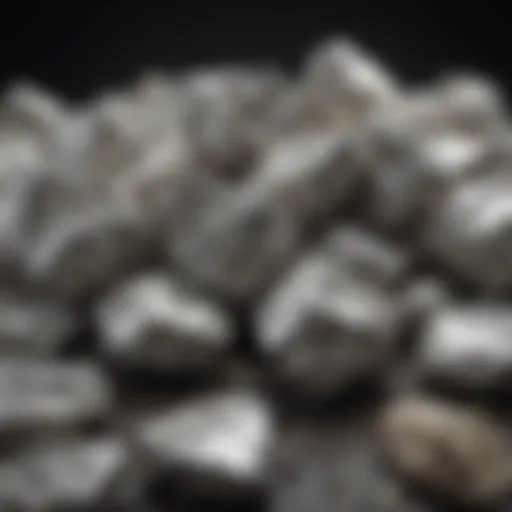
Rock polishing is the art of smoothing out the rough edges of rocks to bring out their natural beauty. The process involves several stages, starting from cleaning to grinding, then to polishing and buffing. By removing dirt and revealing exotic finishes, enthusiasts can showcase rare minerals or eye-catching patterns that might have gone unnoticed in their natural state. More than just a hobby, it allows individuals to appreciate geological diversity while breathing new life into otherwise forgotten stones.
The Benefits of Polishing Rocks
The benefits derived from polishing rocks extend well beyond mere aesthetics. This practice fosters a deeper appreciation for geology and nature. When people delve into the details, they often learn about the mineral compositions, formations, and history of the rocks they are handling. Polished rocks oftentimes make for excellent decorative pieces, serving as conversation starters in homes or offices. Furthermore, well-polished rocks can be fashioned into jewelry, adding a personal flair to one’s collection.
Types of Rocks Suitable for Polishing
Common Rocks
Common rocks such as agate, jasper, and quartzite are favorites among rock collectors. The reason for this popularity lies in their unique patterns and color variations, which are well-highlighted through polishing. For example, agate can display intricate banding and a glass-like finish once polished correctly. Their abundance in nature makes them accessible for collectors of all skill levels, allowing almost anyone to engage in this rewarding hobby.
Soft vs Hard Rocks
In the realm of rock polishing, it’s essential to differentiate between soft and hard rocks. Soft rocks, such as soapstone, can be easier to polish, requiring less abrasive materials while providing a smooth surface quickly. Meanwhile, hard rocks like granite might take more effort and time, as they demand more robust grinding techniques. However, the effort often pays off; polished granite can exhibit stunning natural veining and colors, making it exceedingly desirable.
Unique Features of Polished Rocks
Polished rocks not only shine but also can reveal unique features that might be hidden in their raw form. The smooth surface can enhance the color depth and visibility of inclusions or patterns that contribute to a rock's character. Some polished stones, for instance, can showcase fossils or ancient mineral deposits, inviting curiosity and interest from onlookers. Making these features pop enhances both their aesthetic appeal and educational value, enriching the experience of rock collecting and presenting.
Polishing transforms ordinary stones into remarkable pieces of art that tell nature's story.
Materials Needed for Manual Rock Polishing
When taking on the rewarding task of polishing rocks without a tumbler, it’s crucial to gather the right materials first. The variety of tools and substances available can significantly influence both the quality of the finished product and the efficiency of the process. Understanding what’s necessary not only enhances your polishing efforts but also ensures a pleasant experience.
Abrasive Powders


Different Types of Abrasives
Choosing the right abrasive can make or break your rock polishing experience. Abrasive powders come in various forms, including silicon carbide, aluminum oxide, and garnet. Each type holds its own unique properties. Silicon carbide, known for its hardness, is a top choice, especially for stones such as quartz. It effectively removes imperfections but may create a more rough surface initially. On the contrary, aluminum oxide is gentler, ideal for softer stones with delicate surfaces.
One of the standout features of these abrasives is their grit level, which ranges widely. Most enthusiasts lean towards silicon carbide when beginning because it’s both effective and approachable.
Selecting the Right Grit
Once you have your abrasives, picking the correct grit is essential. Grit is the measure of the size of abrasive particles in the powder. A higher grit number signals finer particles. Starting with a coarse grit, like 60 or 80, prepares the rock's surface by removing scratches and flaws. Progressing to a finer grit, such as 400 or even 2000, allows for a polished finish. This progression is vital as it prevents deeper scratches from remnaining on the rock’s surface.
A significant advantage of distinguishing grit sizes is that it helps control the desired smoothness of the final product. But be wary; using a grit too fine initially could prolong the process, and you might be left with an unsatisfactory result early on.
Polishing Compounds
Polishing compounds serve as the finishing touch in the rock polishing journey. These are pastes or powders that enhance the luster of polished rocks while simultaneously protecting their surfaces. Products such as cerium oxide and rouge are popular in the rock polishing community. They work by filling minute scratches and creating a reflective surface. Besides, they are easy to use, making them suitable for both beginners and skilled hobbyists.
Using these compounds correctly can be the difference between a passable piece and a show-stopper. The reflective quality they bring adds depth to the rock’s natural hues, which can be particularly striking in specimens like jasper or agate.
Tools for Manual Polishing
Sandpaper
Using sandpaper in rock polishing allows for detailed control over the smoothing process. It is accessible, affordable, and available in different grits. Starting with coarse sandpaper, you can effectively cut down rough edges and establish a basic shape. It's important to move gradually to finer grits, which assist in achieving that brilliant shine. The best feature about sandpaper is its versatility; it can be used on virtually any rock type without significant risk of damage.
However, sandpaper does degrade quickly, especially when used on harder stones, requiring frequent replacement, which can add to the overall cost over time.
Cloth Buffing Wheels
Cloth buffing wheels can make a major impact in your attempt at achieving a high shine. They attach easily to drills and can handle polishing compounds effectively. As they rotate, they spread the polishing compound evenly across the surface, enhancing the polishing effect. Their unique multi-layed design allows them to tackle complex shapes, perfect for rounded stones.
Although buffing wheels are handy, their use requires some practice. If applied with excessive force, they can lead to uneven finishes or even scratches, spoiling the work done previously.
Handheld Drill Attachments
An alternative to traditional manual polishing is the use of handheld drill attachments. These can range from buffing wheels to grinding bits designed specifically for rock polishing. This technique can save you time and energy, especially when dealing with larger specimens. The ability to set variable speeds on most drills allows you to tailor the polishing process to match the rock's hardness and your preferred level of detail.
The downside, however, is that using a power tool means you need to have a steady hand. Overzealous drilling can quickly ruin delicate rocks. In addition, obtaining the right attachment compatible with your drill may take a bit of research, depending on the type of polishing you plan to do.
In summary, investing time and effort into understanding the materials and tools can significantly elevate your rock polishing endeavors. Remember, each tool and compound has its own unique contributions to the process, and combining them wisely will ultimately yield stunning, polished rocks.
Step-by-Step Guide to Polishing Rocks by Hand
Polishing rocks manually is an art that combines skill, patience, and the right techniques. For enthusiasts and collectors, this process not only enhances the aesthetic appeal of specimens but also offers a deep connection to the stones they cherish. Understanding the step-by-step guide to polishing rocks becomes crucial as it allows one to maintain consistency in results while ensuring that each step contributes to achieving a glossy finish.
Preparation of Rocks
Cleaning the Rocks
Cleaning the rocks is an essential first step that sets the foundation for successful polishing. A clean rock allows the abrasive materials to work effectively by removing dirt and any surface contaminants. This process typically involves rinsing the rocks under running water and, if needed, using a brush to scrub them gently. The key characteristic of cleaning lies in its thoroughness; skipping this step can lead to subpar polishing outcomes because residue can cause scratches during grinding.
Moreover, a clean surface reveals flaws that might otherwise go unnoticed. In this context, cleaning the rocks acts like a magnifying glass, helping you identify pits or fissures that will need attention during the polishing process. The unique feature of this step is its simplicity and accessibility, making it a popular choice amongst hobbyists wanting to preserve the integrity of their rocks while enhancing their visual appeal.
Assessing the Surface for Flaws
After cleaning, assessing the surface for flaws becomes paramount. This evaluation helps to identify chips, scratches, or uneven areas that may impede the polishing process. It’s beneficial for collectors because paying attention to these imperfections can make a significant difference in the final appearance of the polished rock.
A critical part of this assessment is the eye for detail; you’ll want a keen awareness of the material’s natural characteristics. Each rock may tell a story of its journey, and recognizing these stories will aid in making appropriate decisions for polishing. The advantage here is that addressing flaws early on can prevent greater issues later, enhancing the overall finishing touch.
Initial Grinding
Choosing the Right Grit Sandpaper
Choosing the right grit sandpaper is crucial in the initial grinding phase. Grit sizes range widely; lower numbers signify coarser paper, whereas higher numbers indicate finer textures. Selecting the appropriate grit for your specific rock type helps to effectively smooth out imperfections without causing damage.
Using a coarse grit initially is often a good strategy for removing larger flaws, while gradually progressing to finer grits polishes the surface to a gleam. The unique feature of this process tags along with the versatility of grit selection—adjusting to the characteristics of the rock enhances efficiency. However, using too fine of grit too early can lead to insufficient removal of deeper imperfections, making it a careful balancing act.
Grinding Techniques
Mastering grinding techniques holds importance for achieving the desired finish. Employing a circular motion or consistent back-and-forth strokes can enhance the effectiveness of the initial grinding. It’s essential to apply even pressure throughout the process. Varying your technique based on the rock's shape will yield more uniform results.
This aspect can be a double-edged sword; while consistent technique promotes clarity in applying pressure, variations can lead to uneven surfaces if not watched closely. Therefore, it’s vital to exercise patience and presence when engaging in this aspect of rock polishing.

Using Polishing Powders
Applying the Powder
Once the initial grinding is accomplished, applying the polishing powder takes center stage. This powder—made from various materials depending on the rock type—works by filling in scratch patterns left by coarser grits, crafting a shiny surface. The role of the powder cannot be underrated; it acts as the perfect bridge between rough and refined, ensuring a smoother finish.
Using a small amount and gradually increasing as needed allows for better control, thus making this step an integral part of creating a polished look. The distinct feature of applying powder is that it can often bring back luster even on the most stubborn of surfaces, reinforcing its value in the polishing process.
Timing and Pressure Techniques
When working with polishing powders, understanding timing and pressure techniques greatly influences the end result. Generally, you want to apply the powder with gentle, consistent pressure, allowing it time to work its magic. Too much pressure could lead to burnout or uneven distribution of the polishing agent.
The balance of these techniques can be the fine line between brilliance and a botched job; thus, developing a feel for what works best with a particular rock will deepen your connection to the craft.
Final Buffing Process
Using Buffing Wheels
The final buffing process can make or break your polished rock. Using buffing wheels, whether attached to a drill or manually operated, can elevate your efforts dramatically. At this stage, it’s about finesse; a soft cloth wheel can produce that final shine you’ve worked hard to achieve.
Choosing the right buffing wheel can align perfectly with the granularity of the polishing powder previously used, thereby enhancing the outcome. The unique element here is the dramatic difference buffing can make; it’s often the fun part of the entire process, as you watch your hard work culminate into something visually stunning.
Inspecting the Final Finish
At this juncture, inspecting the final finish is critical and is often best done under a good light source. You’re essentially evaluating the fruits of your labor: does it shine? Are there still imperfections? Taking a moment to reflect on this stage allows you to determine whether additional polishing or adjustments are necessary.
The attentive eye and the critical inspection here are what separate an average polish from an exceptional one. It’s both outcome and experience wrapped in one—a meditative moment for many rock enthusiasts as they conclude their endeavor towards achieving perfection.
In essence, following this step-by-step guide not only provides detailed instruction but also nurtures a deeper appreciation for the intricate world of rock polishing. Each phase serves a purpose, leading you closer to that shiny finish you desire.
Safety Considerations
When embarking on the endeavor of polishing rocks manually, it's crucial to place safety at the forefront. Not only does this ensure a more pleasant experience, but it also safeguards against potential hazards that can arise from the various materials and tools involved in the process. Being aware of safety precautions can prevent injuries and promote a more effective workflow. Whether you're a novice or a seasoned rock enthusiast, being informed about the risks lets you enjoy the craft without a hitch.
Protective Gear and Equipment
Goggles and Masks
Goggles and masks are essential gear that plays a significant role in protecting your eyes and respiratory system during rock polishing. As you grind and polish, fine dust and particles can become airborne, creating an unsafe environment if inhaled or if they come in contact with the eyes. The key characteristic of goggles is their ability to provide a snug fit that shields your eyes from debris; this is particularly crucial when dealing with abrasive materials that can scratch or damage your corneas. Similarly, masks, especially those designed to filter out fine particulate matter, help mitigate the risks associated with inhaling dust.
A compelling advantage of using goggles and masks is that they offer a layer of comfort, allowing you to focus entirely on your rock polishing without the distraction of irritation or worry about safety. However, it’s wise to choose a mask that is rated for silica dust if you are working with harder stones.
Working in a Ventilated Area
Another paramount consideration is the importance of working in a ventilated area. This aspect might seem trivial, but it contributes significantly to reducing the concentration of harmful dust and fumes that can accumulate during rock polishing. Adequate ventilation allows for the dissipation of particles that can potentially harm your respiratory health.
The key feature of working in a ventilated space is that it helps keep the air fresh and reduces health risks. Whether you’re stationed outdoors or in a well-ventilated garage, the airflow helps dilute the particles you may inadvertently breathe in. The benefits include a cleaner working environment and prolonged safety during your rock polishing activities.
It’s advisable to keep windows open or use fans to enhance airflow while you polish. On the flip side, working in a cramped or stuffy space increases exposure to those harmful substances, so it’s best to plan accordingly when choosing your work area.
Proper Handling of Tools
The way you handle your tools during the rock polishing process can influence not only the quality of your results but also the safety of your workspace. Each tool has its intended use, and mishandling them can lead to accidents or inefficient polishing. Understanding the tools' function and features will enhance your control over them, which is vital in achieving a polished finish.
Use grips to secure your hand on tools like handheld drills or buffing wheels is a practical approach. Keeping a clean and organized workspace can help you avoid reaching for tools that are misplaced, minimizing distractions and potential hazards.
Alternative Methods of Polishing Rocks
When we think about polishing rocks, the image of a tumbler often comes to mind. Yet, for those who enjoy taking a hands-on approach, there are several alternative methods to achieve stunning finishes. Exploring these alternatives not only broadens your skill set but also lets you tap into everyday materials and techniques that might already be in your home or easily accessible. This section dives into household items and natural methods, emphasizing simple yet effective alternatives that can yield fantastic results.
Using Household Items
Baking Soda Paste
Baking soda is often seen as just a leavening agent in recipes, but its usefulness extends far beyond the kitchen. Making a paste from baking soda offers a gentle yet efficient method of polishing rocks. This paste works due to the mild abrasiveness of the baking soda, which can buff away imperfections on the rock surface.
The beauty of using baking soda lies in its availability and versatility. Almost everyone has some stashed in their pantry, making it an accessible choice for hobbyists. To create the paste, simply mix a couple of tablespoons with a small amount of water until it reaches a thick consistency. The process is straightforward: apply the paste to your rock, scrub gently with a cloth, and rinse.
Key Feature: Baking soda is non-toxic and eco-friendly, making it a top choice for environmentally-conscious collectors.
However, it’s important to note that while baking soda is effective on softer stones, it's not ideal for harder varieties, as it might not deliver the profound shine that more abrasive materials would.


Using Vinegar and Oil
The dynamic duo of vinegar and oil serves not just culinary purposes but also shines brilliantly in rock polishing. This combination can lift grime and enhance the natural luster of your stones. Vinegar's acidic nature helps in etching away any tarnished surface while oil, often mineral or olive, acts as a finishing touch to add shine.
The charm of this method lies in its simplicity; most folks will find vinegar and oil in their kitchens. A mix of equal parts vinegar and oil can be applied using a soft cloth, ensuring a thorough coating on the rock surface. Let it sit for a few minutes before buffing to a gleaming finish.
Key Characteristic: This method is particularly beneficial for rocks with a dull finish, as the oil can rejuvenate colors and patterns.
Nevertheless, caution is advisable. The acid in vinegar can potentially damage some more sensitive stones, so a little test patch is wise before committing to full treatment.
Natural Methods
Natural methods tap into the resources that the earth generously provides, perfectly aligning with the sentiments of rock collectors who admire nature's work.
Using Pebbles and Other Rocks
Using other rocks as polishers might seem unconventional, but it’s an age-old method that demonstrates the resourcefulness of rock enthusiasts. This technique involves taking small, smoother pebbles and rubbing them against your rock specimen. This hands-on approach provides a unique, textural interplay, allowing larger rocks to contribute to the rounding and smoothing of their peers.
What’s notable about this method is that not only does it require no special tools, but it also creates a dynamic feedback loop between rocks. Harder rocks can take off rough edges while imparting a sheen to softer ones. However, keep in mind that this method is time-consuming and may require patience.
Water as a Polishing Agent
Water often remains underestimated in its role within the polishing process. It acts as an effective lubricant, enabling smooth abrasion while reducing dust and debris created from grinding or polishing actions. This technique can be as simple as wetting your rock with water before polishing it with any abrasive method, whether using sandpaper or another natural stone.
The primary benefit of using water is its ability to help avoid over-heating the rock, which can sometimes lead to cracks or discoloration.
Key Characteristic: The addition of water increases the efficiency of abrasive materials, minimizing direct contact that could damage the rock’s surface.
However, it's vital to ensure that your work area is well set up to prevent slips or a mess, particularly if you’re using finer powders that can become gritty when wet.
Ultimately, employing these alternative methods not only diversifies your skills but also keeps polishing accessible and enjoyable. Whether you choose household items or natural elements, the key is to experiment and find what works best for your specific rocks.
Maintaining Polished Rocks
Maintaining polished rocks is crucial not only for their appearance but also for preserving their structural integrity. Once you’ve invested time and effort into polishing rocks, the last thing you want is for them to fall victim to tarnish or damage over time. Proper maintenance ensures that these beautiful specimens remain in pristine condition, allowing their natural beauty to shine through for years to come.
Cleaning and Care
Regular cleaning of your polished rocks is paramount in keeping them looking their best. Dust, dirt, and oils from handling can quickly mar their glossy finish. A simple solution is to wash them gently with warm water and mild soap. Avoid abrasive cleaners or sponges, as they can scratch the smooth surface. Instead, a soft cloth or a gentle brush works wonders. Use a toothbrush to reach small crevices where grime might linger.
After washing, always rinse thoroughly to ensure no soap residue remains, which could dull the shine over time. For a bit of extra care, consider letting them air dry naturally instead of wiping them down with a towel, as this prevents lint from sticking to the surface. Remember, your polished rocks deserve the same kind of TLC you’d give to any treasured possession.
"A little care today means decades of beauty tomorrow."
Storage Techniques
Where and how you store your polished rocks plays a vital role in their longevity. It's best to keep them in a cool, dry environment away from direct sunlight, which can fade or alter their color. Many collectors opt for display cases or cabinets with glass doors to limit their exposure to dust while showcasing their collection.
Here are a few effective techniques to ensure your rocks are stored securely:
- Use Soft Packaging: Wrap individual stones in soft cloth or bubble wrap to prevent scratches or breakage while stored.
- Avoid Plastics: Plastic containers can trap moisture, potentially leading to mold or tarnish. Opt for breathable materials.
- Organize by Type or Color: This not only keeps things neat but also allows you to admire and enjoy your collection easier.
- Labeling: Consider labeling your storage with details about the rock’s origin, characteristics, and any special care instructions. This way, whether you’re showcasing them or doing some spring cleaning, you’ll always know what you have.
In summary, keeping polished rocks in top shape is a mix of regular cleaning and smart storage techniques. By following these guidelines, you’ll enhance the lifespan and beauty of your collection, ensuring it remains a source of pride for a long time.
Finale
In the realm of rock polishing, the ultimate goal transcends merely achieving a shiny surface; it embodies a journey of patience, skill, and artistry. This article has offered a thorough overview of the various techniques applicable for polishing rocks without the reliance on tumblers. Understanding the core of rock polishing starts with recognizing the potential of the raw material—how each unique specimen has its tale, waiting for the right hand and method to reveal its beauty.
The Importance of Manual Techniques
Manual methods stand out for several reasons. Firstly, hands-on polishing fosters a stronger connection with the rocks themselves. Enthusiasts find themselves honing their skills and developing their unique touch that machine processes simply can’t replicate. Whether it’s selecting the proper grit or determining the right pressure, the nuances of manual techniques add a layer of craft that reflects personal investment in the project.
When you forge your path in the world of rock collecting, there’s satisfaction derived from transforming a rough stone into a dazzling gem through sheer effort. The depth of understanding gained from the polishing process—assessing flaws, choosing materials, and applying techniques—enhances the collector’s appreciation for the medium in a profound way.
Considerations for Polishing
Safety and care are pivotal elements of rock polishing that deserve mention in the conclusion. As discussed in earlier sections, protecting oneself from dust and abrasives is paramount. The right equipment, such as goggles and masks, can prevent unnecessary harm. Additionally, the workspace environment should promote safety, whether it’s ensuring good ventilation or having organized tools to avoid mishaps.
Moreover, the natural methods explored provide alternative avenues for those looking to incorporate eco-friendly practices into their polishing. By embracing techniques that utilize household items or water, collectors can find joy in the resources already at their disposal, further connecting with the natural world.
The Aesthetic Reward
At the end of the day, completing the polishing process provides a gratifying visual feast. Each polished rock can act as a testament to your skill, patience, and understanding of materials. The vibrant colors and smooth surfaces reflect both nature's artistry and the effort you’ve invested.
"The beauty of polished rocks lies not only in their appearance but in the journey to their reveal."
Ultimately, the insights gathered from this article equip enthusiasts and collectors alike with the tools to appreciate their specimens fully. By practicing the techniques outlined throughout, individuals can elevate their collections while deepening their connection to the art of rock polishing. In doing so, they join a community that values craftsmanship, creativity, and the treasures nature has to offer.