Discovering the Allure of Sea Glass on Beaches
Intro
When one strolls along the seashore, it's easy to overlook the small gems scattered among the sand and pebbles. Sea glass, often found wedged between shells and driftwood, captivates collectors with its unique beauty and compelling story. This natural treasure carries not just an aesthetic allure but also an intricate narrative about its journey from bottled confinement to the soothing embrace of ocean waves. Understanding sea glass requires a dive into its origins, how it forms, and why it holds such value for many enthusiasts.
Overview of the Topic
Definition of Key Terms
First, let’s clarify what sea glass really is. Essentially, sea glass are pieces of glass that have been weathered and smoothed by the relentless action of waves and sand. Typically, these fragments originate from discarded bottles, jars, and other glass objects that once belonged to human civilization. Unlike the pristine, factory-made glass seen on store shelves, sea glass carries tales of both nature and humanity.
Historical Significance
Historically, sea glass takes us back to coastal communities where marine dumping was once common. Before recycling became a widespread concept, glass was often tossed into the ocean, leading to its transformation over time. This intricately shaped glass tells a story of cultural interactions and societal evolution, mirroring shifts in environmental awareness and consumer behaviors. In many ways, each piece of sea glass represents a snapshot of history, entwined with human habits and the oceans that have absorbed them.
"Every piece of sea glass is a message in a bottle from the past, weathered and shaped by time and tides."
Types of Collectibles
As the fascination with sea glass blooms, collectors have developed a keen eye for different types. Understanding the categories of these collectibles not only enhances the hunting experience but also teaches about their background.
Classification of Different Collectibles
Sea glass can be classified based on several criteria:
- Color: Common colors like green, brown, and clear remain prevalent, but rarer hues such as cobalt blue or amber are much sought after.
- Texture: The smoothness and clarity can indicate how long a piece has been in the ocean and its journey through time.
- Size and Shape: From tiny shards to larger, more rounded pieces, their shape can impact value as well.
Notable Categories
Some notable categories collectors often seek include:
- Rare Colors: Teal, lavender, and milk glass are particularly prized among enthusiasts.
- Decorative Items: This includes pieces shaped by oceanic forces into more aesthetically pleasing forms, often resembling art.
- Historical Fragments: Vintage glass from specific time periods or locations can fetch a pretty penny, appealing to history buffs and collectors alike.
Understanding these categories not only deepens one’s appreciation for sea glass but also adds to the joy of finding that perfect piece during a beach walk. Whether as a hobby or a more serious pursuit, collecting sea glass presents a journey filled with discovery and insight into both the natural world and human history.
The Definition of Sea Glass
Understanding what exactly qualifies as sea glass is crucial for anyone eager to dive into the topic. Sea glass is not just any piece of broken glass; it undergoes a transformation that makes it unique and collectible. It is the result of discarded glass bottles, jars, and other glass items that have been weathered and smoothed by the relentless embrace of ocean waves and the sand of the shore. The charm of sea glass lies in its journey from waste to treasure, reflecting both human impact on the environment and nature's capacity for rejuvenation.
What Constitutes Sea Glass
When we talk about sea glass, it’s important to recognize the distinctive qualities that set it apart from regular glass shards. True sea glass is typically defined as glass that has been naturally tumbled in the ocean for a period of time. It emerges polished, frosted, and often with rounded edges. Just finding a piece of broken glass on the beach won’t cut it—real sea glass displays a character forged by years of interaction with saltwater and other elements.
What’s more, the color of sea glass can say a lot about its origins. Often, vibrant colors are remnants of older glass manufacturing techniques and specific products that have since disappeared from the marketplace—think of those rare blues and greens that evoke nostalgia. Ultimately, genuine sea glass provides insight into both history and the effects of human activity on coastal environments.
Types of Sea Glass
Not all sea glass is created equal. It comes in a delightful variety of forms, each with its own story to tell.
Colored Glass
Colored glass is a favorite among collectors, and for a good reason. The hues range from deep cobalt blues to soft aquamarines, with a dazzling spread of greens and ambers thrown in. Some colors are more common, while others, like red or gold, are perceived as rare treasures. Their vibrancy often stems from the original products they were a part of. This vibrancy not only makes them visually appealing but can also drive their market value. However, finding colored glass can feel like searching for a needle in a haystack, given how limited these pieces can be.
Clear Glass
Clear glass may not be as flashy, but it has its own appeal. Many collectors find beauty in its simplicity and the delicate sparkle it brings when light refracts through it. Clear glass typically represents a well-used bottle or jar, smoothed over time yet not as rare or valuable as its colored counterparts. Nevertheless, it holds its charm and can be used creatively in crafts and displays. Its abundance may lead some to overlook its subtle beauty, but savvy collectors know that wooden and other materials will shine with clear glass accents.
Milk Glass
Milk glass is a distinctive type characterized by its opaque, white appearance. This glass often carries a vintage aesthetic, reminiscent of earlier domestic items. Milk glass can be found in various forms, from dishware to decorative objects. In terms of collecting, it appeals to those who appreciate nostalgic artifacts. However, the challenge lies in authenticating quality pieces, as reproductions exist. Exploring milk glass can add depth to a collection, particularly for anyone keen on themed displays or historical context.
Frosted Sea Glass
The frosted variety stands out for its distinct, matte finish and softer lines, a testament to its prolonged erosion in the natural elements. It's often the most coveted among collectors due to its aesthetic qualities, lending an ethereal beauty to arrangements and art pieces. Frosted glass puts forth a gentle elegance that can enhance almost any setting. The challenge here is distinguishing between genuine frosted glass and artificially treated pieces. Knowing how to identify authentic examples can be a game changer for serious collectors.
"Sea glass is not simply discarded debris; it is nature's art, beautifully crafted by time and tide."
The Journey of Glass to the Beach
Understanding the journey that glass takes to end up on our beaches is vital for comprehending its transformation into sea glass. This journey highlights not just the environmental tale of waste and erosion, but also frames a larger narrative about human behavior and nature’s processes. Key elements worth pondering include the sources of glass waste and the natural forces that shape it. By exploring these facets, we can gain insight into how our actions lead to the creation of something beautiful out of what was once unwanted debris. It’s almost poetic, really.
Source of Glass Waste
Human Consumption Patterns
Human consumption patterns are at the heart of the glass waste issue. The way we use glass products has evolved, but a significant portion still ends up discarded, ultimately making its way into oceans. Think about the bottles tossed aside after a picnic or the broken glass that isn’t cleaned up properly. These actions contribute to an ever-increasing volume of glass being available to become sea glass. A fascinating aspect here is how the societal trend towards convenience has led to an increase in single-use products, often made from glass.
What's more, the trend generates a unique feature wherein consumers often overlook bottle recycling. A lot of people might think, "Out of sight, out of mind," and that’s exactly the cycle that perpetuates glass pollution in marine environments. While this pattern shows a clear disadvantage in terms of environmental impact, it also emphasizes a beneficial focus on education regarding recycling practices. It's a call to action; raising awareness about responsible consumer habits can help mitigate future waste.
Barrels and Shipwrecks
Another important source contributing to glass waste includes barrels and shipwrecks. Historically, many ships carried barrels filled with goods, including various liquids in glass containers. When these vessels foundered or barrels were discarded, they often added to the underwater glass stockpile that can later get washed ashore by ocean currents. This unique facet illustrates how seafaring trade practices from centuries ago still influence contemporary beachcombing.
Barrels left behind often break apart over years, leading to fragments that, with time, turn into those smooth, beach-ready gems we now cherish. The advantages of this practice reflect not just the stories of history holding significance, but how the detritus of human innovation can transform over the years. These remnants connect us with the past; they become touchstones of bygone journeys.
Natural Processes of Erosion
Lastly, the natural processes of erosion play a crucial role in shaping glass into sea glass. The relentless waves of the ocean crash against sharp shards, smoothing out rough edges and giving them that unique frosted appearance cherished by collectors. Over time—often spanning years, or even decades—this gradual transformation takes place.
Factors such as the type of wave, speed of water currents, and the mineral compositions in the area also influence the erosion process. It's a complex interplay of nature that underscores how something seemingly insignificant can become cherished through persistent elemental forces.
The final picture of sea glass, reflecting both history and natural beauty, is a testament to both human and environmental narratives. Those bits of colored glass we find today tell stories of both creativity and waste. In revisiting this journey, we reframe our understanding of consumption and appreciate the ocean’s artistry.
The Science Behind Sea Glass Formation
Understanding the formation of sea glass offers a glimpse into the intricate processes that shape this unique treasure. Sea glass does not just appear overnight; it is born from a journey influenced by natural forces and human activity. Delving into the science behind sea glass formation helps collectors appreciate not just the beauty of this material, but also the time and conditions it takes to transform everyday glass into these sought-after gems.
Impact of Ocean Waves
The relentless motion of ocean waves plays a crucial role in the formation of sea glass. When glass waste finds its way into the ocean, whether from discarded bottles or lost items at sea, it becomes subject to the powerful forces of nature. Waves crash against sharp edges, smoothing and rounding them over time. This process can be likened to Mother Nature’s slow tour de force, where clusters of glass tumble and collage together, being hit and reshaped in a grand dance with the tides.
It’s not merely about abrasion; the salinity of seawater and the rocky shores where the glass often lands contribute to this metamorphosis. Saltwater acts as a natural abrasives, while sand and pebbles further break down the sharpness of the edges. Most notable is the glossiness that develops on the surface of the glass, creating that characteristic frosted finish admired by collectors. While glass may initially be a stark reflection of what it was, it gradually becomes softer, smoother, and more appealing — a silent testament to its transformative journey.
"The beauty of sea glass lies in its imperfections, each piece a fragment of time and story, shaped by the ocean's embrace."
Role of Time in Transformation
Time, perhaps the most significant factor in the transformation of glass, intertwines with the natural elements to shape sea glass. A piece of glass doesn’t just occasionally wash ashore; it might spend years submerged under waves, rolling along sandy bottoms, or caught in rocky clefts. This prolonged period, often ranging from a decade to several decades, allows it to absorb the effects of both the ocean's current and the surrounding environment.
More than just a mechanical process of smoothing occurs; chemical reactions can also play their part. Over time, minerals from the water may leach in and alter the glass's color. Every faded hue and unique tone tells a story of its exposure to sunlight, water, and time. Collectors often find satisfaction in tracking these changes, clarifying the significance behind colors — whether amber, emerald, or cobalt blue, each reflecting a past that’s as rich as the pieces themselves. As such, time becomes an artist, sculpting the glass with precision and patience, gifting it the allure that makes sea glass so fascinating.
To sum it up, the science behind sea glass formation paints a compelling picture of the intersection between nature's variables and human impact. An understanding of this process enhances appreciation for what each collector holds in their hands — not just pieces of glass but stories carved by the waves and years of evolution in their very essence.
Cultural Significance of Sea Glass
The cultural significance of sea glass transcends its physical beauty, weaving rich narratives into the fabric of communities and individual lives alike. For many, collecting sea glass is not just a hobby; it’s a pursuit filled with nostalgia, connection, and artistic expression. Each piece carries with it a subtle history, echoing stories of its former life and the journey it has undertaken, much like the collectors who search for these treasures along the shore.
Historical Context
Historically, sea glass was often a byproduct of human activity. People discarded glass bottles, plates, and other items along coastlines long before the retreat of modern concepts around waste disposal. Over time, these shards found themselves in the embrace of the ocean's tides, which would wear them down until they emerged as smooth, glossy gems on the beach. The transition of these everyday materials into decorative objects reflects our evolving understanding of value and beauty. In coastal towns, old fishermen would often tell tales of how sea glass became markers of time, reminding communities of the lives once led and the tides that have transformed them.
Modern Symbolism
Sea glass has become a symbol of resilience and transformation in the modern age. It represents beauty emerging from chaos, encapsulating a narrative of second chances. This symbolism translates into various forms of art and crafts, where artisans draw upon the aesthetics and stories of sea glass to create meaningful pieces.
Crafts and Art
Crafts involving sea glass might include everything from mosaics to home decor. The unique quality of each piece, with its varying colors and textures, allows artists to express individuality and creativity. One of the key characteristics that make crafts from sea glass appealing is their sustainable aspect — repurposing waste into coveted art contributes to a movement that values eco-friendliness. Additionally, the creative process itself becomes meditative, as artists find joy in hunting for, cleaning, and assembling these found objects into something new. However, one must consider the availability of quality materials; as sea glass becomes more sought after, its supply can dwindle, influencing both price and accessibility.
Jewelry Making
Jewelry making with sea glass has gained significant popularity. Each piece crafted often symbolizes a personal story or connection to nature, making it not just an accessory but a form of self-expression. One key aspect of sea glass jewelry is its organic look, which appeals to many who prefer natural, bohemian styles. Often, artisans choose to showcase their found gems in minimalist designs to highlight their beauty without unnecessary embellishment. However, the challenge lies in sourcing genuine pieces, as the market is inundated with imitation products that detract from the authentic experience. Authentic sea glass jewelry connects wearers to the environment and reminds them of the beauty that can arise even from man-made debris.
Collecting sea glass nurtures a relationship with the past while encouraging sustainability, bridging a gap between what was once discarded and what is celebrated today.
Ultimately, the cultural significance of sea glass lies in its ability to foster connection—between individuals, communities, and the earth. Whether through crafting beautiful items or creating meaningful jewelry, each shard represents more than just fragments of glass; they embody the journey of transformation, reminding us of the beauty in resilience.
Collecting Sea Glass
Collecting sea glass is more than just a pastime; it’s a gateway to connecting with nature and embracing the stories that the ocean whispers through its treasures. Delving into this hobby allows individuals to engage with both the adventure of exploration and the aesthetic pleasure that comes from gathering these unique, weathered pieces of glass.
This collection is not only about the thrill but also the education it provides. Collectors learn about different glass types, their history, and the environmental context of their origins. As beaches across the world bear witness to changing tides and evolving landscapes, the collection of sea glass encapsulates a moment in time—reflecting where human craftsmanship intersects with the unyielding natural world.
Moreover, the process of collecting sea glass fosters mindfulness. It transforms a day at the beach into a treasure hunt, urging collectors to pay attention to the nuances of the shore. Each shard found has a story, providing opportunities for creativity and crafting that lead to a deeper appreciation of both nature and the artistry involved in upcycling these materials.
Tips for Prospective Collectors
For those interested in diving into the world of sea glass collecting, a few key tips can enhance the experience significantly.
- Timing is Everything: Early mornings right after a storm can yield the best finds. The tumultuous waves stir up the shore, revealing hidden gems.
- Know Your Beaches: Certain beaches may be more fruitful than others. Research locales that are known for sea glass availability.
- Patience is Key: Collecting involves a lot of walking and sifting through sand. It’s often a case of ‘the early bird gets the worm’—taking time pays off.
- Tools of the Trade: Having a mesh bag to carry glass and a few small tools like a scoop or trowel can make the hunt easier without damaging fragile pieces.
- Join a Community: Engage with fellow collectors through online forums or local clubs. You’d be surprised at the shared knowledge you can gain.
Popular Locations for Sea Glass Hunting
Notable Beaches Worldwide
Around the globe, several beaches stand out as prime spots for sea glass enthusiasts. Glass Beach in Fort Bragg, California, is among the most iconic. The beach, once used as a dump, has transformed into a haven for collectors, its shores now glittering with colorful shards—each piece narrating the tale of its prior life.
The characteristic appeal of Glass Beach lies in its abundant glass in various colors, created by years of wave action on discarded materials. What makes it a popular choice for collectors is not just its vast array of glass, but its engaging history and landscape. However, one must keep in mind that the local community has started to impose some restrictions, ensuring that the natural beauty remains unharmed.
Hidden Gems
For those willing to wander off the beaten path, some lesser-known beaches offer delightful surprises. Locations such as Eastney Beach in Portsmouth, UK, may not have the widespread acclaim but provide a peaceful collecting experience. The area boasts smooth, frosted sea glass in pastel hues reflective of the sky and sea. This characteristic tranquility makes it a beneficial choice for collectors looking to escape the hustle and bustle of tourist hotspots.
What differentiates hidden gems like Eastney Beach is the sense of discovery. Here, finding a rare piece feels like uncovering a lost artifact rather than simply sifting through the remnants of consumerism. The challenge lies in the lesser crowd but often brings forth unique finds, all while preserving the story of each shard under the sun.
Environmental Considerations
Understanding the environmental considerations surrounding sea glass is key. This topic not only highlights the impact of human activities but also stresses the significance of sustainable practices. As we explore this subject, we shed light on how our behaviors influence marine ecosystems and the steps we can take to mitigate these effects and promote responsible collecting.
Human Impact on Marine Environments
The oceans have always been impacted by human actions, often in ways that are harmful. Marine environments face numerous challenges, including pollution from plastic and glass waste. It’s a harsh reality that a simple bottle, once discarded, can contribute to the larger problem of ocean pollution and subsequently transform into sea glass after years spent in oceanic conditions.
The fact remains that human consumption patterns often lead to excessive waste. Outdoor gatherings, beach parties, and other recreational activities tend to leave a long-lasting mark on natural landscapes.
"To walk on the beach is to witness the remnants of society mingling with nature, a complex dance of destruction and creation."
Moreover, shipwrecks along various coastlines release not only glass but many other materials that contribute to environmental changes. Over time, as these remnants mingle and break down, they create pieces of sea glass that enthusiasts adore—yet one must consider the cost at which these treasures are formed.
It's crucial to acknowledge that beach-combing without awareness can create more harm than good. Taking too much without regard for the environment can wreak havoc on local ecosystems, disturbing wildlife and disrupting habitats.
The Importance of Sustainability
Sustainability in collecting sea glass is vital. It's not just about gathering beautiful pieces; it's about ensuring that the beach remains a healthy environment for generations to come. Sustainable practices include respecting collecting limits, engaging in clean-up initiatives, and educational outreach.
Here are a few ways collectors can adopt sustainable practices:
- Leave some behind: Rather than taking everything you find, consider leaving some glass for others to appreciate.
- Participate in clean-ups: Engaging with local beach-cleaning efforts not only helps the environment but also fosters community engagement.
- Educate others: Share knowledge about sustainable collecting practices to raise awareness. You’d be surprised how many people want to help but simply don’t know how.
By understanding the environmental implications and acting with foresight, collectors can contribute positively to marine ecosystems while enjoying their hobby. One piece of glass can tell a story of nature’s resilience in reclaiming what humans leave behind, reinforcing the importance of our role in this ongoing narrative.
Collectively, we have the power to transform how we interact with these fascinating fragments of history. In doing so, we not only enhance our collections but also preserve the environment that gives rise to these treasures.
The Aesthetic Appeal of Sea Glass
The aesthetic charm of sea glass is undoubtedly one of the key factors that make it a sought-after treasure for collectors and enthusiasts alike. Its visual appeal, born from a natural process of erosion, attracts not just those who collect but also artisans, designers, and everyday admirers. From the vibrant hues to the unique textures, sea glass carries an inherent beauty that tells a story of its journey through time and tide.
The colors of sea glass, shaped by both human history and natural forces, offer a delightful treat for the eyes. Each shade found along the shore reflects a tale of its own, rooted in the origins of the glass itself. Think about it: a piece of cobalt blue glass might once have been part of a stylish bottle, while a milky white shard could have belonged to a vintage milk jar. The interplay of colors can evoke emotions, making collectors feel a connection to this beautiful material.
"The beauty of sea glass lies not just in its appearance, but in the stories it carries with it, creating a mosaic of history and nostalgia."
Moreover, the tactile qualities of sea glass add to its allure. Many pieces exhibit a smoothness that invites touch, a quality obtained from being tumbled by waves. This transformation results in pebbles that are pleasing to hold, their edges softened by relentless water currents. When you grip these pieces, it’s as if you’re holding a fragment of the ocean’s artistry, carefully crafted over years.
Color Variations
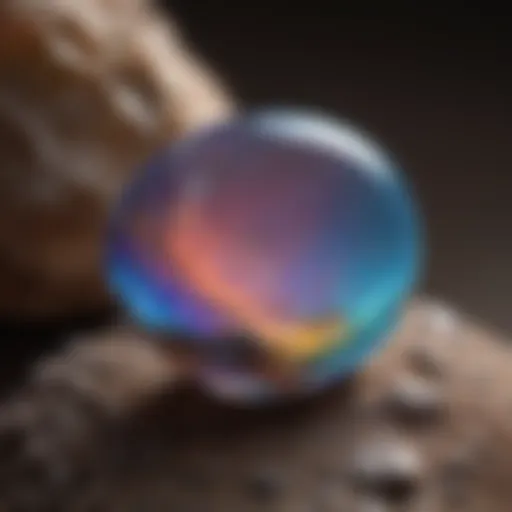
Color variations in sea glass are as diverse as they are captivating. The sea is selective, but it can be generous, yielding hues ranging from deep emerald greens to translucent whites and rich ambers.
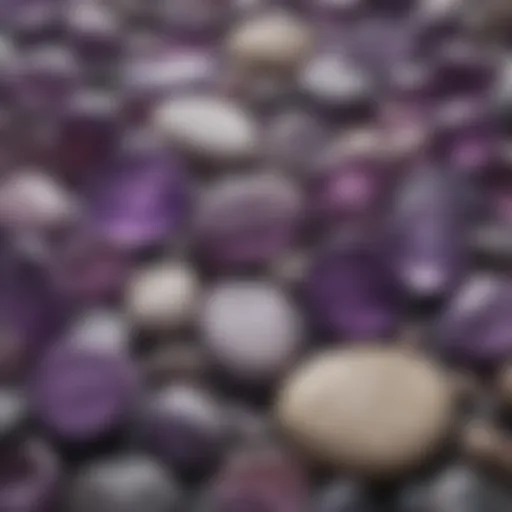
- Natural Colors: Sea glass comes in various hues driven by the original glass source. Some colors, like green and clear, are common, while rarer hues such as lavender and cobalt can turn a routine find into a prized catch. Collectors often covet these rarer pieces due to their striking appearance.
- Cultural Significance: Different colors might also hold symbolic meanings. For instance, green, being abundant, is often associated with healing and tranquility, while blue is connected to calmness and serenity.
- Seasonal Changes: It is interesting to note that colors may appear differently depending on the time of year or the region you’re collecting in. Coastal conditions can impact how sunlight affects the perception of color, leading to fascinating variations across different locations.
Textural Qualities
The textural qualities of sea glass are just as important as its visual appearance. Each piece is unique, shaped not only by the elements but also by the myriad of interactions it experiences in its aquatic journey.
- Smooth Surfaces: After years of washing ashore, many pieces exhibit a polished finish that feels satisfying against the fingertips. This smoothness is not only visually appealing but also highlights the transformation from sharp glass to a collector's treasure.
- Frosted Finish: Frequent, gentle tumbling through the surf often leads to a frosted surface. This texture can create a mesmerizing appearance; the frosty surface diffuses light and lends a soft glow that captivates the observer. Collectors often seek frosted pieces for their enchanting aesthetic appeal.
- Irregular Edges: Some sea glass might still retain a bit of sharpness or jaggedness, giving it a raw, authentic character. These pieces often provide a reminder of their past, speaking to the experience they underwent as they traveled across the ocean.
The aesthetic appeal of sea glass is a tapestry woven from color, texture, and history. Each piece is more than just a beautiful fragment; it’s a reminder of the vast ocean and the tales each shard once told. Collectors who appreciate these elements often find themselves drawn not only to the treasure itself but to the beautiful, natural world from which it originates.
Preserving Sea Glass Collections
Preserving collections of sea glass is an essential practice for any enthusiast, whether for personal satisfaction or future use in crafts. The beauty of sea glass, shaped by time and nature, can fade if not properly cared for. Think of your collection like an investment in memories—every piece tells a story, and preserving those stories is crucial.
One of the biggest benefits of preserving your sea glass collection is its visual appeal. Displayed pieces can become focal points in your home or workshop, sparking conversations and admiration from guests. Additionally, maintaining these treasures can help protect them from the elements that may degrade their quality.
There are several things to consider when it comes to preserving a sea glass collection. For starters, it’s important to choose the right storage and display methods. Let's delve into those options.
Display Options
When it comes to showcasing your sea glass collection, creativity is key. Here are a few ideas on how to display your prized finds:
- Shadow Boxes: Utilizing shadow boxes allows you to create an artistic arrangement without jeopardizing the glass’s integrity.
- Glass Jars: A classic and appealing way to display sea glass is through clear glass jars. This option not only keeps the glass safe but also offers a lovely view of the different colors and textures.
- Shelves or Wall Displays: If you have the wall space, consider installing shelves specifically for your sea glass. Grouping similar pieces or arranging them by color can create a striking visual.
It’s worth highlighting the importance of using UV-resistant materials when crafting displays, as direct sunlight can fade the vivid colors of the glass over time.
"A well-preserved collection speaks volumes about the collector's appreciation for art found in nature."
Care and Maintenance
Once your sea glass is displayed, the next step is ensuring proper care and maintenance. Here are some key considerations:
- Regular Cleaning: Dust can gather on the surface of your sea glass. A gentle wipe with a damp cloth will keep your pieces sparkling without causing any damage.
- Avoiding Abrasives: When cleaning, be sure to use non-abrasive materials. Scrubbing with anything rough can scratch the surface of your glass, diminishing its beauty.
- Storing Safely: For collectors who might prefer to store their sea glass, choose padded containers that will minimize movement and protect from impact.
Taking even a few minutes regularly can help prolong the life of your collection. Just like any valuable item, tender love and care will enhance both the longevity and the beauty of your sea glass.
In summary, preserving sea glass collections requires intentionality and creativity. By utilizing effective display methods and practicing good maintenance habits, you can ensure that your sea glass continues to enchant you for years to come.
Sea Glass in Literature and Media
Sea glass has captured the imaginations of many writers and artists throughout history. Its presence in literature and visual arts highlights not only the aesthetic qualities of the glass but also its deeper meanings and symbolism. Specifically, the importance of sea glass in literature and media stems from its ability to evoke emotions and narratives tied to nature, loss, and transformation.
Representation in Poetry
In poetry, sea glass often symbolizes beauty born from hardship. Poets draw parallels between the process of natural erosion of sharp glass into smooth, beautiful pieces and the human experience of overcoming struggles or traumas. For instance, a poet may describe a piece of sea glass, observing how it has traveled through tumultuous waters, much like the human spirit navigating the complexities of life.
The imagery associated with sea glass lends itself to reflections on resilience. A common theme is that of regeneration—how something once discarded can become something beautiful. A stanza could read:
"In the depths where storms have raged, Pieces of life, once lost, now staged, Shimmering softly under the sun, A quiet proof that we too can run."
In this way, sea glass encapsulates the transformative journey that many poems explore, allowing readers to connect on a personal level. The tactile nature of the glass serves as a metaphor for the smoothness that we might seek after rough experiences.
Influence on Visual Arts
Sea glass has also influenced visual arts, where its vibrant colors and unique forms inspire artists across various mediums. From glass sculptures to mixed-media installations, artists integrate sea glass to convey their themes. The interplay of light and color in sea glass creates a dynamic aspect in artwork, making each piece unique and evocative.
Artists may use these fragments to represent nostalgia or lost civilizations. The mere presence of a well-placed piece of sea glass can evoke memories of the beach, sea breezes, and the simple joys of childhood. For example, a mixed-media artist might create a canvas featuring ocean waves using painted textures and layering sea glass to mimic the glistening surf.
Moreover, some contemporary artists are now using sea glass to shed light on environmental issues, reflecting on waste and sustainability. By crafting art from the remnants of human consumption, they remind audiences of the importance of caring for our oceans and beaches. One such artist, Virginia Wright-Frierson, combines sea glass with other natural elements to create captivating pieces that spark discussion about ecological stewardship.
In summary, sea glass's impact on literature and visual arts extends beyond mere aesthetic appeal. Whether portrayed in a thought-provoking poem or incorporated into a striking visual piece, it serves as a powerful medium for expression. The next time you pick up a colorful shard on the beach, recognize that it may hold stories both personal and universal, reflecting the complex relationship between humanity and nature.

For further exploration of sea glass in artistic contexts, visitors might find interest in resources like Britannica, which details various artistic interpretations and environmental considerations. Social platforms such as Reddit also provide community insights into how sea glass dialogue fosters creativity and reflection.
Community Engagement Around Sea Glass
Engaging with the sea glass community enriches the experience of collecting and appreciating these ocean-worn treasures. Community engagement isn't just about sharing finds; it fosters a deeper connection with nature and helps raise awareness about environmental conservation. When people come together, they learn from each other, share tips, and build friendships that extend beyond their love for sea glass. Events and online platforms for sea glass enthusiasts serve as both educational hubs and social gatherings, making them significant for seasoned collectors and novices alike.
Local Collecting Events
Local events focused on sea glass collecting provide an outstanding opportunity for enthusiasts to connect. Beach clean-ups often coincide with these gatherings, where participants not only search for beautiful pieces but also contribute to preserving the marine environment. Such events enable collectors to share their expertise on where to find the best sea glass and discuss collection techniques. Engaging with the local community provides an avenue not just for discovery but also for creating awareness about how glass pollution affects ocean life. Whether it's a planned festival or an informal meetup, these events breathe life into the art of sea glass collecting.
Online Forums and Groups
Social Media Communities
Social media communities have become a cornerstone for many sea glass enthusiasts, allowing for easy sharing of finds, questions, and techniques. Platforms like Facebook have dedicated groups where members frequently post pictures of their finds, often tagging locations or asking for identification of pieces. This aspect of social media serves as an invaluable resource for both new and seasoned collectors. It fosters camaraderie in a shared passion, allowing members to celebrate each other's accomplishments, whether that's scoring an unusual piece or mastering a unique crafting technique. On the flip side, the sheer volume of posts can be overwhelming, making it challenging to find actionable advice amid the noise.
Dedicated Websites
Dedicated websites centered on sea glass offer a more structured approach to sharing knowledge and finding community. Many of these sites host guides, forums, and articles that delve into various facets of sea glass collecting. For enthusiasts seeking in-depth information, these websites become treasure troves of resources, linking to research studies, local history, and collecting strategies. One key feature is the collection database, where enthusiasts catalog their finds, fostering a spirit of collaboration. However, navigating these sites requires a bit more initiation, as not all user-generated content is thoroughly vetted. Nonetheless, the well-curated content makes such platforms worthwhile for a solid understanding of sea glass in both local and global contexts.
Through collective engagement, enthusiasts can witness how their passion for sea glass morphs into a deeper commitment to ocean health and community spirit.
Scientific Research on Sea Glass
The exploration of sea glass extends beyond simple collection or appreciation of its aesthetic beauty. It captures a rich intersection of scientific fields, revealing insights into environmental and geological dynamics. Understanding these aspects shapes our approach to conservation efforts and enhances the appreciation for this natural art.
Environmental Studies
Research surrounding sea glass often centers on its role within environmental frameworks. The presence of sea glass along coastlines can indicate levels of marine pollution, serving as a tangible artifact of human consumption. Studies have explored how various types of glass contribute differentially to ocean ecosystems, analyzing the impacts of color, chemical composition, and size on aquatic life.
Conducting thorough environmental studies allows for:
- Assessment of Pollution Sources: By understanding where specific types of glass originate, researchers can more accurately track pollution related to product consumption and disposal practices.
- Impact on Marine Life: Examining sea glass can help ascertain how shards may inadvertently affect marine fauna, from ingestion risks to habitat disruption.
- Sustainable Practices: Through the lens of these studies, recommendations for more sustainable manufacturing and recycling practices can be developed, fostering better waste management solutions.
"Scientific investigations into marine litter, including sea glass, are not just about identifying litter; they can guide us toward practical environmental improvements."
Geological Investigations
In geological terms, sea glass represents a fascinating facet of the natural transformation processes that materials undergo in marine environments. Geological investigations scrutinize how glass fragments break down over time, influenced by weathering, wave action, and sediment interactions. Different coastal areas, with their unique geological features, significantly affect the size, shape, and texture of the glass found on beaches.
Key considerations in geological investigations of sea glass include:
- Erosion Processes: Understanding the minutia of how physical forces shape glass formations helps researchers predict where sea glass might emerge in the future.
- Material Composition: Analyzing the chemical properties of sea glass provides insights into the types of original materials, offering windows into historical human activity and material culture.
- Stratigraphic Records: Collecting and studying sea glass can create a stratigraphic record of coastal change, contributing to the larger narratives of earth's geological history.
In closing, scientific research on sea glass is a vital arena that fosters a deeper understanding of both environmental conditions and anthropogenic impacts, marrying the beauty of the glass with the realities of its origin and influence. Acts of collecting become not just hobbies but forms of environmental stewardship and geological exploration.
Future Trends in Sea Glass Collection
The world of sea glass collection is not just a hobby; it is an evolving passion that resonates with nature lovers and collectors alike. As we navigate through changing environmental conditions and shifting social values, it's important to recognize how these future trends will shape the practices of collectors in the years to come. Understanding these trends offers several benefits: it enhances the collector's experience, promotes sustainable practices, and increases the appreciation of sea glass's unique history and identity.
Emerging Collecting Techniques
Recently, collectors have adopted innovative techniques that reflect both technological advancements and ecological consciousness. Tools such as metal detectors and advanced smartphone applications are becoming popular among those venturing onto the beaches. While many enthusiasts traditionally relied on their hands and eyes to sift through sand and debris, emerging methods allow for greater efficiency and success in locating rare finds.
- Metal Detectors: These gadgets have opened up new possibilities, allowing collectors to seek hidden treasures beneath the surface. While sea glass is often visible, some pieces may lie buried just out of sight.
- Field Guides and Apps: With the rise of technology, apps that help identify types or colors of sea glass have become increasingly useful. These tools also connect collectors in a community that shares knowledge and tips, thus fostering a sense of belonging in a global interest group.
"Collecting sea glass is like finding pieces of history along the shore—a treasure hunt grounded in nature's beauty and resilience."
Additionally, guided beach tours have sprung up, offering new collectors an opportunity to learn from seasoned veterans. This mentorship aspect not only enhances the educational experience but also strengthens community ties among collectors.
Shifts in Appreciation and Value
The appreciation for sea glass is witnessing a renaissance, as the aesthetic and historical dimensions are being reevaluated. More individuals are beginning to realize that sea glass is not just a colorful beach find but a symbol of resilience and transformation. Factors contributing to this shift include:
- Cultural Workshops: As interest in crafts using sea glass grows, workshops and classes are emerging. They teach not only how to craft jewelry or art using sea glass but also highlight its origins and environmental importance. This cultural shift enhances the perceived value of collected pieces.
- Increased Online Presence: Social media platforms like Instagram and Pinterest have made it easier to showcase unique finds, share crafting techniques, and connect with fellow collectors. The sharing culture has stimulated a wider interest in particular pieces, thus influencing their market value. Certain hues, such as cobalt blue or vintage shades, are now often met with higher demand.
This elevation in value isn't solely about monetary worth; it also reflects a deeper understanding of sea glass's role in the environment and community. As collectors share stories and hunt for rare pieces, they contribute to a narrative that honors both nature and humankind's interaction with it.
In summary, the future of sea glass collection holds promise as techniques become more sophisticated and appreciation for these artifacts deepens. Collectors today are not merely gathering items from the beach; they are fostering a movement that values sustainability, history, and art.
Summary and Culmination
In this article, we embarked on a thorough exploration of the world of sea glass, tracing its roots from discarded glass waste to glittering treasures washed upon the shores. Understanding the journey of glass, its transformation through natural processes, and the cultural significance allows collectors and enthusiasts to appreciate more than just physical beauty. It merges art, history, and environmental awareness, rekindling our connection to nature.
Key Takeaways from the Exploration:
- Environmental Impact: The glass that ultimately becomes sea glass originates from various human activities. Awareness of our consumption patterns not only illuminates the problem but also emphasizes the responsibility of collectors to contribute towards sustainability efforts.
- Engaging with History: Each piece of sea glass carries a story, a fragment of our past. Finding these pieces can feel like a scavenger hunt through time, tying us to historical contexts and our shared heritage.
- Enhancing Aesthetic Appreciation: The hues, shapes, and textures of sea glass offer endless possibilities for crafts and art, showcasing the creativity that can arise from nature’s recycling process.
- Community and Connection: The act of collecting fosters a sense of community among enthusiasts. Shared experiences in local events or forums can enhance the appreciation for this hobby and promote collective efforts in protecting coastal ecosystems.
This journey through the fascinating world of sea glass reveals its multifaceted charm and underlines the importance of a responsible approach toward its collection and preservation. As collectors and admirers, reflecting on our experiences with sea glass allows us to engage deeply with not just the objects themselves, but with the stories and ecological systems they represent.
Reflecting on the Sea Glass Experience
When contemplating the sea glass experience, there’s a profound sense of connection not only to the item itself but also to the act of collecting. Each stroll along the shoreline can feel like a quiet meditation, where thoughts drift as softly as the waves. Uncovering a piece of sea glass can evoke a rush of nostalgia and excitement—what shore did it travel from? Who handled it before it was worn smooth?
The diversity found in sea glass reflects a world that is ever-changing. Color variations—from the bright blues of soda bottles to the deep greens of beer bottles—tell story of consumption patterns over generations, showcasing materials that were once commonplace. Each texture, from frosted to shiny, speaks to the time spent tumbling in the ocean’s embrace.
To participate fully in this experience can shift one’s perspective. It encourages mindfulness about the environmental footprint of our daily lives. By collecting responsibly, enthusiasts can help promote the conservation efforts crucial to sustaining coastal areas. This simple act of collecting sea glass can ripple outwards, enhancing awareness and sparking discussions about marine health and sustainability.
In summary, the joy found in sea glass collecting goes far beyond the act itself; it invites deeper reflection on historical, cultural, and environmental themes. With each piece, you’re not merely acquiring a decorative object—you're engaging with a narrative that ties you to nature, history, and community.
"Every shard of sea glass holds a history waiting to be discovered."
For more information on environmental efforts and glass recycling, you can visit EPA.gov or check out community initiatives on platforms like Facebook and Reddit.
Exploring sea glass is not just a hobby; it’s a journey that embodies respect for nature and the stories we share.