Exploring the Beauty and Value of Sea Glass
Intro
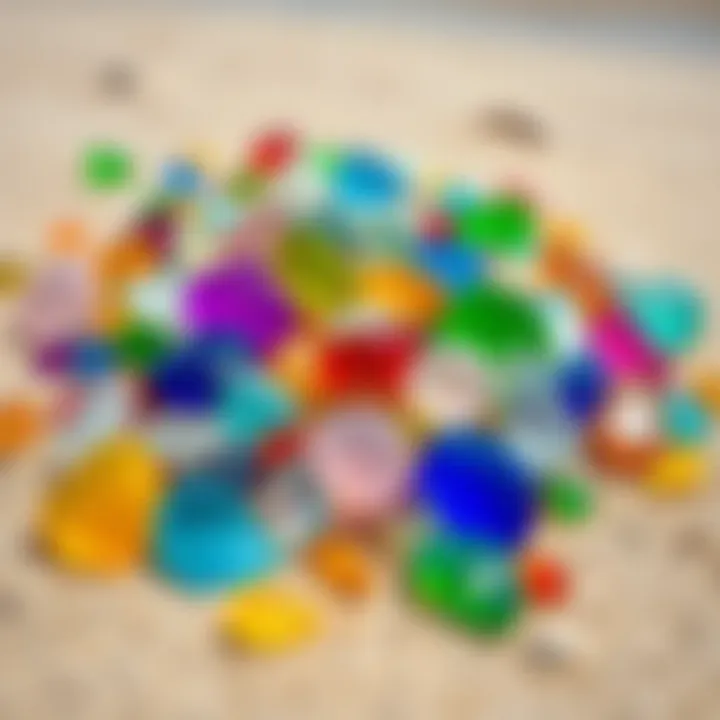
The beach can be a treasure trove for those who know what to look for. Among seashells, driftwood, and various stones, one finds something particularly enchanting: sea glass. This colorful yet simple substance carries with it a story as deep as the ocean. As ancient fragments of glass get smoothly transformed by the relentless power of waves, they become not just collectibles but also symbols of our relationship with the environment. To understand the allure of sea glass, we must first delve into its origins and uncover what makes it so unique.
Overview of the Topic
Definition of Key Terms
Sea glass, in its simplest terms, refers to pieces of glass that have been worn smooth by the ocean, often found glistening on shorelines. The recycling process of glass has led to its designation as a collectible, with enthusiasts searching for pieces in specific colors or shapes.
Historical Significance
Historically, sea glass is linked to coastal communities that have relied on the ocean for their livelihood. Before recycling became common, glass bottles and jars would often end up in the sea, where they would break apart and be transformed by natural forces. This unique transformation adds depth to the narrative of sea glass, allowing collectors not only to enjoy its beauty but also to appreciate its historical context—each piece is a remnant of human activity now entwined with nature’s artistry.
Types of Collectibles
Classification of Different Collectibles
Not all sea glass pieces are created equal. Collectors often categorize them based on factors like color, shape, and age.
- Color: Some colors are rarer than others—amber, green, and clear are among the more common hues found, while shades like cobalt blue or orange can be real gems.
- Shape: The wear and tear from ocean waves result in myriad shapes and sizes, from smooth shards to rounded pieces resembling polished pebbles.
- Age: Older pieces often have a distinct character, saying something about the time in which they were discarded. Glass from vintage soda bottles can sometimes be dated back decades.
Notable Categories
Certain categories of sea glass are notable, often attracting collectors due to their unique characteristics.
- Bottle glass: Fragments from old bottles have a place in many collections. Their shapes and colors vary widely, creating a rainbow of possibilities for enthusiasts.
- Tableware glass: Pieces from dinnerware are less common but often sought after. These bits might feature more intricate designs or softer hues.
- Unique finds: Occasionally, you may come across pieces that have unusual markings or colors, elevating them to collectible status. These items create excitement among collectors, each piece with its own distinct story.
As one sifts through the sand, the search for sea glass morphs into a captivating adventure that connects us with nature while also reminding us of human impacts. Through responsible collecting practices, a deeper appreciation for our surroundings can be fostered, encouraging sustainable habits for generations to come.
Understanding Sea Glass
The significance of understanding sea glass cannot be overstated, especially for enthusiasts who collect it or simply admire its beauty. Sea glass tells a story; it captures the history of human interaction with the oceans. As we delve into its unique characteristics and formation process, it becomes clear that each piece of sea glass is not just a shiny trinket but a remnant of a discarded object transformed by nature.
Definition and Characteristics of Sea Glass
Sea glass, at its core, is simply glass that has been weathered by the sea. Its surface is often frosted, which comes from years of intense physical processes. The glass pieces can range widely in size, from tiny nuggets to sizable shards. Collectors often look for pieces that are smooth to the touch, with interesting shapes and colors.
There are a few key characteristics that set sea glass apart:
- Color Variety: Sea glass is primarily found in colors such as green, brown, and clear, but rarer hues like blue and red can be incredibly valuable. The color often indicates the original bottle or object the glass came from.
- Surface Texture: The distinct frosted appearance is due to constant tumbling in waves, which smooths sharp edges and gives it a matte finish.
- Shape: Over time, pieces may become oval, round, or irregular as they are battered by the tide.
In practical terms, knowing these characteristics helps collectors not only to identify genuine sea glass but also to distinguish it from artificially made pieces.
How Sea Glass Forms
The journey from discarded glass to sea glass is an intricate process that highlights the transformative power of nature. The formation occurs through a combination of human action and environmental forces.
Initially, glass items, whether from bottles, plates, or other containers, are carelessly discarded into oceans or rivers. The elements then take over. Over many years, tides and waves carry these shards back and forth along the shore, subjected to constant friction against sand and rocks.
Several stages can be identified in this natural polishing journey:
- Initial Erosion: Sharp glass edges get chipped away, gradually smoothing them out.
- Long-Term Tumbling: As glass continues to tumble, the pieces get rounded and become more refined.
- Environmental Influence: Saltwater, along with microorganisms, plays a crucial role in the final look of the glass. It can create the frosted effect that is so sought after.

Understanding this process can deepen one’s appreciation for each piece and its place in a larger ecological narrative.
"Every piece of sea glass is a reminder of the intricate relationship between human activity and the marine environment. It reflects how something discarded can find a new life."
In summary, comprehending sea glass is more than just an aesthetic pursuit. It's a window into ecological changes, human behavior, and the passage of time itself. For collectors and nature enthusiasts alike, each shard they gather symbolizes a connection to both the earth and to history.
The Journey of Glass to Sea Glass
As we stand on sandy shores, the glimmering remnants of glass shards often catch our eye, inviting us to explore their story. The journey from discarded glass to the smooth, colorful pieces we cherish as sea glass is a remarkable transformation intertwined with nature's forces. Understanding how this metamorphosis occurs not only deepens our appreciation for sea glass but also highlights important environmental considerations.
Sources of Glass Waste
The genesis of sea glass is firmly rooted in human activity. Glass, once seen as a valuable commodity, is often discarded in coastal areas. Here are some key sources of glass waste:
- Bottles and Jars: Countless glass bottles and jars end up on beaches, remnants of picnics or celebrations long forgotten.
- Shattered Products: Broken glass from items such as lamps, windows, or glassware can be washed into the sea.
- Industrial Waste: In some cases, glass waste from industrial processes may find its way into oceans or rivers, contributing to the glass that eventually becomes sea glass.
The initial step in this journey is the unceremonious rejection of glass by society. How this waste interacts with nature profoundly impacts its final form as sea glass. As we venture onto beaches, recognizing these sources can enhance our sense of responsibility towards reducing glass waste.
The Role of Tides and Waves
The ocean is a relentless artist, using its incredible power to sculpt raw glass into sea glass. Tides and waves are crucial players in this process. They continuously push and pull, abrading sharp edges and rough surfaces. Here are some elements to consider:
- Wave Action: Strong waves, especially during storms, can transport glass debris, moving it over sand and rocks, which gradually polishes the shards.
- Tidal Forces: Rising and falling tides contribute to how glass interacts with other geological components, allowing for varying abrasion and smoothing.
- Water Movement: The constant motion of water creates a unique environment where glass can tumble and collide, facilitating its transformation.
Each visit to the beach proves that nature doesn't just dispose of, but reshapes what we leave behind. When we collect sea glass, we hold in our hands a subtle testament to the synergy of water and time—every piece a unique story of its journey.
Time and Abrasion: The Natural Polishing Process
This transformative journey is not instantaneous. It is a gentle dance of time and natural forces that leads to the significant change in the appearance of glass. The polishing of sea glass is a meticulous process:
- Duration: Over the years, glass immersed in the ocean undergoes continuous tumbling and polishing, often taking a decade or more to achieve that velvety finish.
- Interaction with Sand and Salt: The abrasive nature of sand combined with the corrosive qualities of saltwater contribute to the smoothing process, resulting in the rounded edges and frosty surface of sea glass.
- Natural Selection: Not all glass transformed into sea glass—only the bits that withstand the test of time emerge polished and ready for collection. This natural selection enhances the allure of sea glass, driving collectors to seek these rare gems among the rocky shores.
The slow and deliberate journey from glass to sea glass serves as a poignant reminder of the passage of time and nature's delicate balance. As stewards of the environment, our awareness of this process can inspire us to recognize the significance of every fragment we discover.
"Each piece of sea glass is like a petal from nature’s floral arrangement, telling a tale of resilience and transformation."
In the grand tapestry of life, the journey of glass to sea glass is not merely about discarded materials; rather, it speaks of change and the importance of respecting our environment. It challenges us to rethink waste and celebrate the beauty forged over time.
Types of Sea Glass
The allure of sea glass extends far beyond its vibrant colors and smooth textures. Understanding the different types of sea glass is crucial for collectors and enthusiasts alike, as it provides insight into the history, rarity, and cultural significance of each piece. From the common finds to the rare treasures, the types of sea glass can influence not only a collector's strategy but also their appreciation for each unique shard that has journeyed through the waves.
Identifying Common Colors
One of the first things a collector notices is the beautiful array of colors that sea glass can present. Common shades include green, brown, and clear glass. These colors often originate from everyday bottles and jars that were discarded into the ocean.
- Green glass is commonly produced from beer bottles and soda containers.
- Brown fits the bill with old medicine bottles and root beer bottles.
- Clear glass often comes from any variety of household items, be it jars or light bulbs.
Understanding these common colors gives collectors a foundation. Many people find joy in filling a jar with these hues, which symbolize the past lives of the glass. Not to mention, knowing the source of these colors adds a layer of narrative to each piece, making collecting more meaningful.
Rare Finds: The Most Sought-After Colors
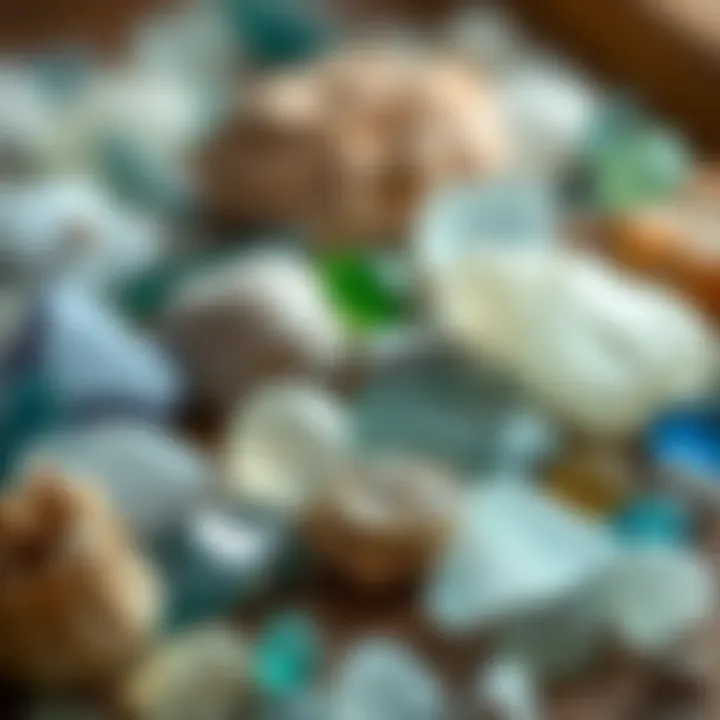
While common colors abound, there are specific shades that are particularly sought after. Rare finds can make a collector's heart race. Items like cobalt blue, turquoise, and amber are often considered the Holy Grail of sea glass collecting.
- Cobalt Blue is likely from vintage soda bottles and can fetch high prices due to its scarcity.
- Turquoise is often more elusive, sometimes originating from older glass manufacturing processes.
- Red and Pink glasses have origins that can be traced to special occasion items or vintage containers, making them even more precious.
Collectors need to keep an eye out for these rare beauties, as they can transform a modest collection into something noteworthy. Not only do they hold aesthetic value, but they can also represent a connection to a past era.
Differences Between Natural and Artificial Sea Glass
As the sea glass market has grown, so too has the emergence of artificial sea glass. Collectors must be savvy, as the market is filled with both natural finds and crafted items. The distinction is pivotal.
- Natural Sea Glass is created through years of natural weathering by the ocean. Each piece tells its own story of travel and time. These pieces are often uneven and irregular in shape, reflecting the journey they have taken.
- Artificial Sea Glass, on the other hand, is manufactured to mimic the look of true sea glass. Often created for jewelry, these pieces may be uniform in shape and color and are smoother than natural findings.
Understanding the difference not only protects the integrity of a collector's collection but also fosters appreciation for the stories told by genuine pieces. Making informed choices when collecting enhances the overall experience and aligns with responsible stewardship of coastal environments.
"The joy of finding a piece of sea glass is akin to discovering a small slice of history washed ashore."
In the understanding of sea glass types, collectors gather more than just beautiful items; they develop a deeper connection to the environment and history. With this knowledge, each beach stroll could lead to a new story waiting to be uncovered.
Cultural Significance of Sea Glass
The cultural significance of sea glass extends beyond its simple beauty. For coastal communities around the world, sea glass is more than a mere collectible; it embodies history, nostalgia, and resilience. From local artisans to global collectors, this colorful debris of our past captures the imagination, telling stories not just of ocean waves but also of human existence and interaction with nature.
Historical Uses of Glass in Coastal Communities
Historically, glass was often discarded with little regard for its environmental impact, ending up in coastal waters where it would gradually evolve into sea glass. In numerous coastal communities, particularly during the early 20th century, broken glass items were a common sight. Bottles from ships, glassware from local households, and even industrial waste filled the shorelines.
In these communities, glass had various utilitarian uses. Fishermen would repurpose shards as tools or weights, while local artisans began to transform discarded glass into functional art pieces by creating decorative objects, jewelry, and even wind chimes. The coastal shorelines acted as both dumping grounds and workshops for innovation. The practice of collecting glass shards became a shared activity, fostering a sense of community and collaboration. These glassy remnants became an integral part of local culture, often passed down through generations. Collectors and artists today often seek not just to find beautiful pieces but to connect with the historical context behind them.
Sea Glass in Contemporary Art and Craft
In the modern-day art scene, the appeal of sea glass has surged, with artists incorporating it into an array of creative forms. Its unique textures and hues serve as a canvas for contemporary expression. Artists utilize sea glass in mosaics, jewelry design, and sculpture, creating pieces that reflect the beauty of the ocean and highlight environmental themes. These works often evoke a sense of nostalgia, drawing from the elemental connection between people and the sea. Moreover, workshops and craft fairs dedicated to sea glass collecting have sprouted up, drawing enthusiasts eager to learn and share their knowledge.
As a result, sea glass is emerging not only as a physical product but also as a metaphor for regeneration and environmental awareness. By transforming this waste into art, artists are not just highlighting its beauty but also raising awareness about ocean pollution and environmental stewardship. Collectors and artists alike take pride in their contributions to sustainable practices, ensuring that future generations will continue to enjoy the charm of sea glass.
"Each piece of sea glass tells a story—of the sea, the past, and the hands that shaped it."
In essence, sea glass represents a unique convergence of nature, history, and creativity. It beckons individuals to look closer, to appreciate the beauty that emerges from brokenness, and to recognize their role in fostering a sustainable future, making it a treasured part of the coastal cultural mosaic.
Collecting Sea Glass Responsibly
When it comes to the practice of collecting sea glass, responsible collecting holds immense significance. Not only does it safeguard the environmental integrity of coastal areas, but it also ensures the sustainability of this beautiful, collectible art form. Collectors must recognize that each piece of sea glass represents months, if not years, of natural processes, and its removal should come with careful consideration of both ecological balance and community standards.
In the rush to gather these vibrant treasures, one can easily overlook the broader impacts on marine ecosystems, especially when large quantities are collected indiscriminately. Thus, responsible collectors adopt a mindset that intertwines passion with respect for nature. Ensuring that the environment remains unscathed and vibrant for future generations to appreciate is as crucial as the thrill of finding that perfect piece of sea glass.
Best Practices for Collectors
Engaging in the delightful pursuit of collecting sea glass can be greatly enhanced by adhering to a few simple best practices:
- Leave Nature Untouched: Always leave the beach cleaner than you found it. If you see litter or debris, don’t hesitate to remove it.
- Limit Your Take: Aim to collect only what you can consider 'a small handful'. Over-collecting can deplete local supplies and disrupt the area’s natural beauty.
- Be Mindful of Wildlife: Observe local wildlife and ensure that your presence doesn’t interfere with their habitat. Respect nesting areas and don’t disturb any sea creatures you come across.
- Educate Yourself: Learn about the specific areas you visit. Each beach has its own rules and conditions that dictate what is sustainable and acceptable.
Taking these steps reflects a collector's commitment to preserving the charm of the beach while enjoying the hunt for sea glass.
Understanding Local Regulations
Before setting out on a sea glass collecting adventure, it’s imperative to understand any local regulations that might be in place. Many beaches are subject to specific laws that govern the collection of marine materials, including sea glass. Here are some points to bear in mind:
- Check for Permits: Some regions require a collection permit, especially in protected areas or parks. Always inquire beforehand to avoid any fines.
- Local Restrictions: Certain beaches may limit the quantity of sea glass a person can collect in a day. Respect these limitations to foster a spirit of cooperation within your community.
- Environmental Protection: Some habitats are protected due to the endemic species that inhabit them. In these areas, any removal of natural materials can have profound effects on local biodiversity.
- Community Guidelines: Local groups, such as conservation societies or beach clean-up organizations, often have their own guidelines for collectors. Engaging with them can provide insights and information that facilitates responsible collecting while building a sense of community.

Understanding these regulations can offer a clearer pathway to responsible harvesting of sea glass while promoting the health of coastal ecosystems.
The Impact of Pollution on Sea Glass Availability
The allure of sea glass is profoundly tied to its journey from discarded glass waste to a gem found on the shoreline. However, this journey is increasingly threatened by pollution, making an exploration of this topic crucial. Understanding the impact of pollution helps cast light on not just the availability of sea glass but also the overall health of our oceans. Pollution introduces various elements that can hinder the natural process of glass transformation while simultaneously affecting marine life and ecosystems. By diving deeper into the sources and consequences of ocean pollution, we can appreciate the pressing need to protect our precious coastlines and the treasures they may hold.
Sources of Ocean Pollution
The ocean, often viewed as a vast, unending blue, is sadly not as pristine as one might hope. Pollution comes in many flavors and from varying sources, revealing a complex web of human activity that contributes to the degradation of marine environments. A few of these sources include:
- Plastic Waste: The ubiquitous presence of plastics in the ocean cannot be overstated. Everything from water bottles to fishing gear eventually makes its way into the sea, creating a toxic soup that threatens marine creatures and ecosystems alike.
- Chemical Runoff: Agriculture and urban areas alike often see fertilizers, pesticides, and other hazardous materials washing into waterways, leading to vast dead zones where marine life cannot thrive.
- Industrial Discharge: Factories may release harmful chemicals directly into the ocean, causing irreversible harm not only to sea creatures but also to the glass debris that could eventually transform into beautiful sea glass.
- Wastewater: Backdoor drainage from sewage systems can overflow into coastal water bodies, introducing pathogens and other pollutants that disrupt the delicate balance needed for glass to be naturally polished and cherished.
Understanding these pollution sources is not just interesting; it’s essential for those who treasure sea glass. As collectors, we need to be aware of how our actions and the actions of others impact our coastal treasures.
Effects on Sea Life and Glass Formation
The implications of ocean pollution stretch far beyond aesthetics. When it comes to sea life, the consequences can be devastating. As pollution ravages habitats, it impacts the organisms involved in the glass formation process, making it nearly impossible for glass to undergo the gentle sculpting of the waves and sands that once shaped them.
- Declining Biodiversity: Pollutants often lead to a decline in marine biodiversity. This decline means fewer organisms can interact with and contribute to the transformation of glass in the ocean.
- Altered Ecosystems: The presence of detrimental chemicals can disrupt marine ecosystems, leading to changes in species survival rates and reproduction, which in turn affects the very environment that creates sea glass.
- Toxic Interactions: Marine life consuming plastic and other pollutants can introduce harmful chemicals into the food chain, ultimately impacting human health. Collectors should be aware that the very waters that produce sea glass may also harbor significant dangers.
"The health of the ocean influences what types of sea glass you may find along the shore, making every piece a reflection of our environmental stewardship."
As collectors, the responsibility falls on us; we must promote awareness and action. The preservation of our coastline will not only enrich our collection experiences but also protect the ocean for future generations. Recognizing the connection between pollution and the availability of sea glass doesn’t simply heighten our understanding; it enhances our appreciation of this beautiful collectible.
The Future of Sea Glass
The future of sea glass is a topic steeped in both nostalgia and environmental concern. As more people become aware of the beauty and significance of sea glass, it plays a key role in shaping our perspectives on recycling, ocean health, and conservation efforts. This section will explore upcoming trends in collecting sea glass and the advancements in environmental awareness that might influence its availability.
Trends in Sea Glass Collecting
One can hardly ignore how the world of sea glass collecting is ever-evolving. Collectors are increasingly drawn to the hunt, inspired by unique beachscapes and the thrill of discovering rare pieces hidden amongst pebbles and shells. The appeal of social media cannot be underestimated in this quest; platforms such as Instagram and Pinterest are buzzing with stunning visuals of sea glass jewelry and art crafted from these pieces. It's become a visual narrative that sparks interest, encouraging collectors to seek out local beaches that may yield gems waiting to be found.
Moreover, communities and clubs dedicated to sea glass collecting are sprouting up like wildflowers, bringing enthusiasts together. They organize events and clean-ups, fostering camaraderie and dedication to preserving coastal ecosystems. Collectors are also becoming more knowledgeable, aware of the nuances in color rarity, and the significance of the pieces they find. For instance, a piece of cobalt blue sea glass can be likened to finding gold in a world of green and brown shards.
"The very act of collecting sea glass is reminiscent of a treasure hunt that unfolds against the backdrop of nature's fluid artistry."
Advancements in Environmental Awareness
The conversation about the future of sea glass cannot ignore recent advancements in environmental awareness. With growing consciousness around pollution, folks are increasingly recognizing sea glass as a testament to both beauty and the consequences of waste. Educational campaigns and grassroots movements focused on ocean conservation are emphasizing the importance of reducing single-use plastic and the impacts that littering can have on our beaches.
Environmental advocates are pushing for the adoption of policies that encourage responsible waste management and marine protection. Efforts to clean our oceans, like initiatives organized by non-profits and community volunteers, directly affect the availability of sea glass. As litter decreases, so too will the raw materials that create new sea glass. This sparks a fascinating paradox: a cleaner ocean stifles the abundance of new sea glass but bolsters the value of existing collections. The art world is also taking notice, with artists using sea glass to make statements about sustainability and environmental longevity.
Epilogue
The conclusion of this article draws together the threads of our exploration of sea glass, emphasizing its enchanting beauty and the diverse roles it plays in our lives. Sea glass isn't merely a collectible; it embodies a connection to the ocean, a history of usage, and a narrative of environmental change. As we've seen, each piece carries an individual story, molded by time and tides, rendering it a treasure that reflects both nature's artistry and human impact.
Reflections on the Beauty and Value of Sea Glass
When one gazes upon a piece of sea glass, it's hard not to feel a sense of wonder. Those colors and smooth edges, honed by the relentless dance of the waves, whisper of journeys taken from once vibrant bottles to shores untraveled. There is beauty not just in its aesthetic appeal but also in its symbolism. Every shard of sea glass tells a story—of lives lived, of environments transformed, of humanity's mark on the world. It's fascinating to think that something discarded, something perceived as waste, can be transformed into a coveted natural artifact. For rock and fossil collectors, sea glass stands as a testament to nature’s ability to repurpose. Including it in collections elevates their display of earthly wonders, showcasing pieces that reflect both modern human lifestyles and ancient geological processes.
Furthermore, sea glass serves as a reminder of the ecological footprint humanity leaves behind. In its fragmented form, it calls attention to the importance of sustainability, making it a conversation starter about our relationship with the oceans. This gives it value beyond the mere physical—it's a bridge between art, nature, and environmental consciousness.
Encouraging Stewardship for Coastal Environments
With the rising awareness of environmental issues, it becomes imperative for collectors and enthusiasts alike to practice responsible stewardship when it comes to collecting sea glass. Coastal environments are delicate ecosystems, and actions taken today will resonate for generations. By advocating for ethical collecting, enthusiasts not only preserve the natural beauty of beaches but also contribute to the health of marine habitats.
For instance, when collecting sea glass, one should adhere to local regulations, ensuring that they respect community guidelines and restrictions. It’s essential to collect only in areas designated for such activity and to never take from marine protected areas. Collectors should also advocate for clean-up efforts; participating in beach clean-ups not only aids in the removal of pollution but also enhances the chances of finding fresh sea glass along the shores.
Further, educational initiatives can be crucial in spreading the word about the importance of maintaining coastal ecosystems. Collaborating with organizations dedicated to marine conservation can help to create programs that enlighten both collectors and the public on how their actions impact the environment. By leading by example and sharing knowledge, collectors can inspire a generation that values and respects the ocean—a collective effort that protects our precious resources.
In summary, while the beauty of sea glass captivates, the responsibility that comes with its collection and appreciation cannot be overlooked. By fostering a culture of respect and stewardship for coastal environments, collectors contribute not only to their own enjoyment but also to the protection of the natural world they cherish.