Exploring Raw Obsidian Crystal: Nature's Intriguing Gift
Intro
Raw obsidian crystal captivates with its glossy, glass-like appearance and intriguing origins. As a volcanic glass formed from rapidly cooled lava, it stands out not just in its aesthetic appeal, but also in its historical and cultural importance across various civilizations. The depths of its dark beauty have lured many collectors and enthusiasts into a world rich with stories, myths, and practical applications. In this article, we will take an in-depth look at what makes obsidian so fascinating, from its geological formation to its uses in art and spirituality.
Overview of the Topic
Definition of Key Terms
To fully appreciate the allure of raw obsidian, it helps to dissect a couple of foundational terms. Obsidian itself refers to a naturally occurring volcanic glass, created when lava cools quickly without crystallizing. It is primarily composed of silicon dioxide, making it a unique handwritten in nature's book. Furthermore, terms like volcanic glass, igneous rock, and minerals often accompany discussions about obsidian, but understanding its specific properties brings clarity to why it has found a place in both history and modern society.
Historical Significance
Historically, obsidian has been no small player. Ancient cultures, such as the Aztecs and the Maya, utilized this mineral for tools and weapons due to its sharp edges when fractured. This created not only practical uses but also a symbol of power and ritual. For example, obsidian blades were often used in ceremonial offerings, emphasizing its revered status within those societies. Today, archaelogical sites reflect these historical uses, revealing artifacts that continue to dazzle historians and collectors alike.
"Obsidian was more than just a tool; it represented life and death in some of the most profound rituals of ancient times."
Types of Collectibles
Classification of Different Collectibles
In the realm of rock and mineral collecting, obsidian holds a special place. Collectors often categorize this crystal based on its color, patterns, and locality. Here are some notable categories:
- Snowflake Obsidian: Characterized by white or gray patches resembling snowflakes, this variety adds a touch of elegance to any collection.
- Mahogany Obsidian: Rich in reddish-brown hues, it is thought to promote strength and grounding properties.
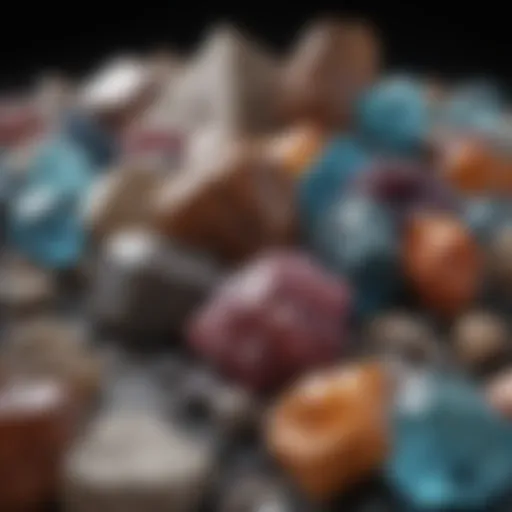
- Rainbow Obsidian: Displaying a spectrum of dazzling colors, this type intrigues both the eye and the spirit.
As one dives deeper, some enthusiasts may focus on local varieties that are unique to specific regions. This highlights the importance of geological context when collecting. Many avid collectors don’t just seek beauty; they frame their collections around the story each piece tells.
End
In this initial exploration of raw obsidian crystal, we've laid the groundwork for a thorough understanding of its complexities. Covering its definition, historical significance, and various collectibles, we embark on a journey that promises to deepen our appreciation of this natural wonder. As we delve deeper into the mesmerizing world of obsidian, it’s clear there’s much more than meets the eye.
Prelude to Raw Obsidian Crystal
Understanding raw obsidian crystal is essential for anyone with an interest in geology, history, or even spirituality. This volcanic glass has been a subject of fascination for millennia. It possesses unique qualities that make it not only striking in appearance but also significant across various fields. People's curiosity about its formation, historical usage, and metaphysical properties draws attention from rock collectors, artists, and spiritual seekers alike.
What is Obsidian?
Obsidian is a natural glass that forms from the rapid cooling of volcanic lava. Unlike other minerals, it does not have a crystalline structure, making it an interesting anomaly in the mineral world. This lack of crystalline form contributes to its smooth surface and shiny finish, often making it look almost mirror-like. Historically, obsidian has been utilized for tools and weapons because of its sharp edges. Ancient cultures recognized its utility, and that knowledge has transcended time.
Its distinct characteristics set it apart. For instance, obsidian can be formed in a variety of volcanic environments and possesses different variations, leading to several types, such as snowflake obsidian and rainbow obsidian. These distinctions can affect its appeal, market value, and the interest it garners among collectors.
Basic Properties of Raw Obsidian
Raw obsidian holds a treasure trove of fascinating properties. Here are some key attributes that define this intriguing material:
- Color: Obsidian is generally black but can also appear in hues of brown, green, or even red. The presence of other minerals during formation influences its color.
- Luster: Its glassy surface captures light beautifully, offering a captivating sheen that appeals to enthusiasts.
- Hardness: On the Mohs scale, raw obsidian scores around 5.5, so it is relatively hard yet can be managed with appropriate care during handling.
- Fracture: When broken, it does not have the typical cleavage seen in many minerals. Instead, it exhibits a conchoidal fracture, which results in smooth, curved surfaces.
- Weight: Obsidian is dense, and its weight can make it feel more substantial when held, adding to the tactile experience of this natural material.
"The unique qualities of obsidian open the door to a deeper understanding of geological processes and human history."
These properties not only define raw obsidian's physical characteristics but also underline its cultural significance and diverse applications. Thus, it is vital to approach the topic of raw obsidian with an appreciation for its complexities, paving the way for a deeper exploration of both its geological formation and historical importance.
Geological Formation
Understanding the geological formation of raw obsidian is essential for anyone interested in this unique volcanic glass. It gives insight into not just where these fascinating stones come from but also why they possess their characteristics. When discussing geologic processes, it's important to consider the variety of conditions that contribute to the creation of obsidian, which can enhance a collector's appreciation of these beautiful samples.
The Origin of Obsidian
Obsidian is formed from rapidly cooling lava that is rich in silica. This cooling process prevents crystal formation and instead results in the formation of a glassy texture. One can think of it as lava that cools so quickly that it doesn’t have time to set into a solid rock; it remains a fluid until it solidifies into this shiny black substance.
Some key characteristics of obsidian’s formation include:
- High Silica Content: This is crucial as it differentiates obsidian from other volcanic rocks, which may have lower silica levels and thus crystallize into pumice or basalt.
- Volcanic Activity: This is the backbone of obsidian’s existence. Areas with recent volcanic activity are most likely to yield new deposits. Notable locations around the world include the Mount St. Helens region in the United States and Iceland, where obsidian is quite prevalent.
Collectors interested in the origins of their specimens might also want to consider the geological age of the deposits. Older deposits may display unique qualities compared to those from recent eruptions due to weathering and environmental exposure over time.

Environmental Conditions and Volcanoes
The environment where obsidian is formed plays a big role in its uniqueness. To create obsidian, volcanic eruptions must produce lava flows that cool quickly—typically, this occurs in explosive eruptions where the material is ejected high into the air and cools before it hits the ground. Thus, the environmental conditions are quite specific.
Here are a few significant factors that influence obsidian formation:
- Lava Composition: The chemical makeup of the lava can influence the color and texture of the obsidian produced. For instance, a higher amount of iron may lead to red or green hues rather than the common black.
- Area of Eruption: The location, such as the presence of nearby bodies of water, can affect how rapidly the lava cools. Cool lava meeting water can form obsidian almost instantly.
- Atmospheric Conditions: Eruptions occurring under different weather can yield varying traits. Ash and other particulates in the air can subtly alter the glass's appearance.
Historical Significance
Understanding the historical significance of raw obsidian crystal is crucial for grasping its multifaceted role in human civilization. From ancient cultures employing it for practical uses to its esteemed status in spiritual and artistic realms, obsidian's impact resonates profoundly through time.
Obsidian in Ancient Civilizations
Obsidian has been a cherished material throughout history, notably in ancient civilizations where its utility and aesthetic appeal was recognized. The Aztecs, for instance, revered obsidian as a vital component for tools and weaponry. They crafted blades and arrowheads with this volcanic glass, taking full advantage of its sharp edges, which were superior to those made from flint. The Teotihuacan culture, too, mastered obsidian crafting, using this resource to create intricately designed artifacts, often imbued with symbolic meaning, representing power or spirituality.
In addition to its practical applications, obsidian was woven into the fabric of various religious practices. The ancient Egyptians, for instance, used obsidian in funerary contexts, believing it helped facilitate the journey of the departed into the afterlife. Such uses underscore how deeply intertwined obsidian was with the beliefs and daily life of these civilizations, functioning as more than just a practical tool but also as a medium of spiritual expression.
Cultural Artifacts and Tools
Artifacts made from obsidian tell stories of creativity, survival, and spirituality. These cultural relics serve as a testament to human ingenuity and adaptation. For instance, in the Americas, Native American tribes used obsidian to produce a wide range of tools that were essential for hunting and daily tasks. Its unique properties allowed for the manufacture of surprisingly sharp tools which were critical for survival.
Moreover, many ancient artifacts made of obsidian are now considered works of art. Masks, figurines, and ceremonial blades exhibit not only functionality but elaborate designs that exhibit the artisans’ skills. Consider the Inca, whose obsidian artifacts have been found in sacred sites, signifying their importance in both practical use and ceremonial relevance.
Today, these artifacts are valuable not just for their material worth but as cultural treasures that reflect the histories and identities of those who crafted them. Collectors and enthusiasts alike find themselves captivated by the stories behind these historical pieces, leading to a richer appreciation for the natural beauty and cultural laden significance of raw obsidian.
The relevance of obsidian is not merely bound to its physical attributes; it embodies layers of history, technology, and spiritual significance that continue to intrigue and inspire us today. The knowledge and understanding of its use in various ancient cultures highlight how interconnected we are with our past and the natural world.
"In every piece of obsidian lies a story waiting to be uncovered, connecting us to ancient artisans who shaped its form into tools, art, and sacred symbols."
For further exploration, you might want to check resources like Wikipedia on Obsidian or articles from Britannica that delve deeper into its historical aspects. These insights can expand your understanding and appreciation of this marvelous mineral.
Characteristics of Raw Obsidian
Understanding the characteristics of raw obsidian is central to appreciating this unique volcanic glass. These attributes can influence everything from its utility in various applications to its appeal among collectors and enthusiasts. The importance of raw obsidian stretches beyond its physical looks; it encapsulates the essence of what makes this material a topic of interest not only in geology but also in cultural and spiritual realms.
Physical Attributes
Raw obsidian is notably smooth and glassy in appearance. Its texture provides a notable tactile experience, and this can vary from sharp-edged fragments to polished pieces. The sharp edges arise from the rapid cooling process of lava, which solidifies quickly, preventing the formation of crystals and resulting in an amorphous structure.
In terms of hardness, obsidian ranks around 5.5 on the Mohs scale, indicating that while it can be scratched by harder materials, it's still sufficiently durable for various uses. When light interacts with its surface, raw obsidian can produce a shiny, reflective sheen. This captivating quality is often what draws artisans and jewelers to incorporate it into their craft. Here are some key physical attributes:
- Density: Raw obsidian is relatively light compared to other stones, making it easy to handle.
- Fracture Pattern: It exhibits a conchoidal fracture, which is smooth and curved, contributing to its sharpness.
- Translucency: Depending on the thickness, one can observe varying degrees of transparency.
Overall, these physical characteristics not only dictate how obsidian can be shaped and used but also contribute to its allure for collectors seeking a glimpse of nature’s artistry.
Color Variations and Types
One of the remarkable aspects of raw obsidian is its variety of colors and forms. While the classic image of obsidian may evoke the notion of an all-black stone, the reality is much more vibrant. The color can be influenced by the presence of impurities or the cooling process, resulting in an array of options:
- Black Obsidian: The most recognized type, often formed by lava flow cooled rapidly.
- Snowflake Obsidian: Characterized by white or greyish speckles that resemble snowflakes, formed due to crystallization of the material.
- Mahogany Obsidian: A reddish-brown form that exhibits beautiful marbled patterns.
- Rainbow Obsidian: Displays a captivating mix of colors caused by inclusions within the volcanic glass, often seen as iridescent hues upon close inspection.
The diversity in color and type not only amplifies the stone’s aesthetic value but also attracts collectors eager to curate a unique collection. Each piece tells its own story, representing elements from its geological journey, and thus, adds depth to any collection.
Metaphysical Properties
The topic of metaphysical properties is essential in this article, as it allows us to explore the deeper implications and significance associated with raw obsidian. This extraordinary volcanic glass is often linked to transformation, protection, and grounding energy in various spiritual traditions. The multifaceted nature of obsidian has captured the imagination of those who seek not only to appreciate its aesthetic appeal but also to understand its energetic properties.
Spiritual Significance

Obsidian is indisputably woven into the fabric of numerous cultures. Many believe it acts as a powerful tool for introspection. By encouraging one to face unresolved issues or emotional traumas, obsidian often aids in self-reflection. Its dark, reflective surface is likened to a mirror that reveals hidden truths. For those in spiritual circles, using obsidian for meditation can create a channel for deeper awareness, helping individuals connect with their innermost selves, laying bare fears while generating courage to confront them.
There’s also a protective aspect to obsidian. It is seen as a shield against negativity, both from external sources and one’s own thoughts. People may carry obsidian talismans or wear it as jewelry to harness this protective energy, purporting to create a barrier that absorbs harmful vibrations. Conversely, it’s said to ground the user, allowing them to stay centered amidst chaos.
Healing Beliefs Associated with Obsidian
The healing beliefs connected to obsidian delve into both psychological and physical realms. Many proponents claim that its energy can help detoxify one’s emotional landscape. For instance, people experiencing emotional turbulence may find solace by holding or meditating with obsidian, facilitating relief and clarity. It’s often noted that obsidian can aid in the release of negative energy and stagnant emotions, fostering a sense of liberation.
In terms of physical health, some believe that obsidian aids in digestion and supports the body's ability to eliminate toxins. This aligns well with its reputation as a grounding stone—reminding one to take care of their physical vessel just as they navigate their spiritual journey. Holistic practitioners might incorporate obsidian in healing practices, employing its energy during rituals aimed at holistic well-being.
"Obsidian serves not just as a powerful tool for protection, but also as a mirror reflecting the darkness we may face within ourselves."
For collectors, understanding these metaphysical attributes provides a deeper insight into why obsidian holds sway over so many. Whether viewing it merely as an aesthetically pleasing stone or recognizing its rich tapestry of meanings, there’s no denying that the metaphysical properties of obsidian offer a compelling avenue for exploration. The enchanting energy of this crystal continues to fascinate those drawn to its mystery.
Useful Resources:
- Wikipedia on Obsidian
- Britannica - Obsidian
- Cool Discussions on Reddit about Obsidian
- USGS on Volcanic Glass
Modern Applications
Raw obsidian crystal, an exquisite product of volcanic activity, finds itself woven intricately into various aspects of modern life. Its importance in contemporary contexts cannot be understated as it serves multiple functions ranging from artistic endeavors to practical applications. By exploring these dimensions, we can appreciate not just the beauty of obsidian but its versatility and relevance in today's society.
Artistic Use in Jewelry and Decor
Obsidian’s striking appearance, with its glossy, black surface and the potential for color variations, makes it a prime candidate for artistic uses. Jewelers and artisans alike take advantage of the unique properties of obsidian to create stunning pieces of jewelry that captivate the eye. From polished pendants to intricate earrings, each piece often tells a story, connecting the wearer to the Earth’s elemental forces.
Moreover, in home decor, raw obsidian is carved into sculptures, vases, and decorative pieces. These artifacts not only enrich the aesthetic of a space but serve as conversation starters, inviting appreciation for this volcanic masterpiece. The allure of obsidian isn't just in its form; it also carries a sense of history and a connection to ancient craftsmanship. Many artists infuse their work with symbolic meanings derived from the crystal's metaphysical properties, which resonate deeply with buyers who value intention behind their acquisitions.
Practical Uses in Today’s Society
Beyond its artistic allure, raw obsidian has tangible practical applications. Some industries utilize this unique volcanic glass as a cutting material, where it excels due to its sharp edges when fractured. In fact, obsidian blades can achieve an edge much finer than that of steel, making them very effective for certain medical or surgical uses.
Similarly, in the realm of technology, obsidian is increasingly recognized for its potential utility. Certain scientists are experimenting with obsidian fibers for their insulation properties in high-tech applications. This shift signifies a growing recognition of the material’s capabilities beyond traditional art forms.
Benefits of Using Obsidian:
- Durability: Obsidian's inherent toughness makes it suitable for various applications.
- Aesthetics: Its unique visual characteristics lend themselves beautifully to artistic expressions.
- Cultural resonance: Incorporating obsidian into modern applications links back to its historical significance.
Collecting Raw Obsidian
Collecting raw obsidian offers enthusiasts an opportunity to engage with a unique segment of natural history, turning them into custodians of a material that has fascinated humans for millennia. For rock and fossil collectors, obsidian is not just another mineral; it's a testament to the power of volcanic activity and a symbol of ancient craftsmanship. This alluring glass-like substance provides a tangible connection to our planet's geological processes while also holding spiritual significance for many.
The act of collecting raw obsidian carries benefits beyond just aesthetic enjoyment. It presents a chance to appreciate exquisite craftsmanship found in ancient artifacts and modern artistic expressions. Additionally, understanding how to identify and source high-quality specimens is invaluable, both for personal collection and for resale. As demand for unique geological specimens rises, collecting raw obsidian can also be a gateway to a lucrative side venture.
Identifying Authentic Obsidian
In the world of mineral collecting, authenticity is king. Genuine obsidian boasts distinctive characteristics that set it apart from look-alikes like glass. Recognizing these features is crucial to ensuring that you're adding a true piece of geological art to your collection.
Here are a few key attributes to help identify authentic obsidian:
- Appearance: Real obsidian is typically smooth and shiny, with a glassy luster. It can display color variations from deep black to greenish or reddish hues, often influenced by impurities within the crystal.
- Texture: Unlike polished glass, obsidian has a unique conchoidal fracture pattern, resembling ripples or concentric circles when broken.
- Weight: Because obsidian is denser than glass, it feels heavier in hand. If it feels light, you might be holding an imitation.
- Translucence: When held up to light, genuine obsidian may show a degree of translucence, especially around the edges, revealing its glassy nature.
"Knowing how to identify genuine obsidian not only enhances your collection but also enriches your appreciation for this geological wonder."
By maintaining a keen eye and training yourself to recognize these characteristics, you can safeguard your collection from fakes and ensure that every piece you own has its own story to tell.
Best Practices for Collectors


Once you've embarked on the journey of collecting raw obsidian, it's essential to adopt best practices to enhance your experience while supporting ethical collecting. Here are several recommendations:
- Buy from Reputable Sources: Choose to purchase from established dealers or well-reviewed online platforms. Look for transparency in their sourcing methods to ensure ethical practices.
- Join Collector Groups: Becoming part of communities, whether online or local, can provide invaluable knowledge. Platforms like Reddit and Facebook often have dedicated groups for mineral enthusiasts.
- Document Your Finds: Keep a detailed record of each piece in your collection, including where and when it was sourced. This not only adds value but also creates a historical narrative.
- Respect Natural Sites: If you venture out to collect in natural habitats, ensure you're following local regulations. Avoid overharvesting and respect the environment.
- Educate Yourself: Knowledge is power. Read books, visit museums, and attend mineral shows to deepen your understanding of raw obsidian's characteristics and geological background.
Engaging in these best practices can elevate your collecting experience, providing a richer understanding of the historical and geological significance of obsidian. In an era where ethical considerations are increasingly important, mindful collecting practices demonstrate respect for both the materials and the environment.
Sourcing Raw Obsidian
Sourcing raw obsidian is a crucial aspect of appreciating this striking volcanic glass. It entails not only identifying where to find it but also understanding the complexities behind responsible collecting. Obsidian can be found in a handful of places across the globe, but each source offers something unique in terms of color, composition, and geological history. For collectors, knowing the right geographic locations is essential, but so too is grasping the ethical implications of their sourcing choices.
Geographic Locations of Interest
When discussing the sources of raw obsidian, a few locations stand out due to their rich deposits and significant geological activities. Here are some noteworthy areas:
- Mexico: Renowned for its black obsidian, especially from areas like Izucar de Matamoros and Oaxaca. This locale produces some of the most visually striking specimens, ranging from deep black to translucent with vibrant sheen.
- United States: The state of Oregon is home to the famous Glass Buttes, where collectors can find obsidian in various shades including mahogany and snowflake types. California also hosts active obsidian deposits, particularly around Mount Shasta and the Mono Basin.
- Iceland: The island’s volcanic terrain creates a perfect habitat for obsidian formation. Collectors here can explore sites such as the volcanic fields surrounding the Snæfellsnes Peninsula.
- Japan: In the Aso region, volcanic activity has birthed obsidian widely used historically for tool-making. Collectors may find pieces with distinct cultural significance here.
These regions are not only vital for sourcing raw obsidian but also serve as living labs of geological history and processes. Each location tells a story, etched into the very surfaces of the obsidian found there.
Ethical Considerations for Collectors
As appealing as it is to collect raw obsidian, being conscientious about how and where to source it cannot be overstated. Ethical collecting is paramount to preserving not just the mineral, but also the environments and communities associated with it. Here are some considerations:
- Legal Sourcing: Ensure that any obsidian gathered is done so legally. Certain areas may have restrictions on collection to protect the natural environment and cultural heritage. Familiarizing oneself with local laws is a must.
- Respecting Tribal Lands: In places like the United States, many obsidian deposits are located on or near Native American lands. Collectors should tread carefully and seek permission to gather materials from these areas, honoring the rights and traditions of indigenous peoples.
- Environmental Impact: Collecting should be done mindfully—removing too much material from one area could lead to ecological disruption. It’s wise to limit the quantities taken and avoid disturbing the habitats surrounding obsidian deposits.
- Sustainable Practices: Joining organizations or forums focused on ethical collecting practices can help in making better choices. Engaging with communities can also provide valuable insights regarding sustainable methods of sourcing.
"When sourcing raw obsidian, remember: each piece carries a story of nature's volcanic forces and the hands that shaped it. Respect every facet, not just the glossy finish."
By being intentional about sourcing, collectors not only enhance their personal collections but also contribute to the preservation of this fascinating mineral and its rich heritage.
Caring for Raw Obsidian
Caring for raw obsidian is of utmost importance for collectors and enthusiasts alike. This distinctive volcanic glass, recognized for its beauty and unique properties, requires tailored maintenance to preserve its allure and integrity over time. Understanding the nuances of caring for obsidian ensures not only the longevity of the specimens but also enhances their aesthetic and metaphysical attributes. Proper care can help prevent unnecessary damage and maintain the crystal’s spiritual use.
Cleaning and Maintenance
When it comes to cleaning obsidian, the approach one takes can significantly affect its appearance. Here’s a straightforward method for keeping your obsidian crystal in top shape:
- Use a Soft Cloth: Begin with a dry, soft cloth. Rubbing the surface gently can remove accumulated dust and restore its shine without scratching.
- Mild Soap Solution: For deeper cleaning, a solution of lukewarm water and a few drops of mild soap works well. Dip the cloth in this solution, wring it out thoroughly, and wipe the surface clean. Make sure not to immerse the crystal in water, as prolonged exposure can cause moisture absorption and lead to cracks.
- Avoid Abrasives: Always steer clear of abrasive materials or harsh chemicals, as these can ruin the surface and interfere with its inherent qualities.
After cleaning, it’s important to dry the crystal completely to prevent moisture-related issues. Keep in mind, the way you handle obsidian reflects its character. Touching it with dirty or oily hands can leave marks, so it's good practice to wash your hands before handling.
Preservation Techniques
In order to preserve raw obsidian, consider the environment in which it is kept. Here are some valuable techniques designed to protect and maintain the quality of your obsidian:
- Storage Environment: Store your obsidian in a cool, dry place, away from direct sunlight. Bright light can fade the dark rich colors and lead to eventual deterioration.
- Soft Pouch or Box: Use a soft pouch or a lined box, ideally made of natural materials like cotton or felt. This helps to prevent scratches while preserving the crystal’s natural energy.
- Regular Inspection: Make it a habit to inspect your obsidian every now and then. Look for any signs of chips, cracks, or changes in texture, as early detection can prevent further damage.
Remember, proper care not only safeguards the physical attributes of obsidian but also respects its metaphysical properties.
Every collector should take the time to learn and apply these preservation techniques. The relationship between the collector and obsidian can be deepened through respectful handling and maintenance. By keeping its vibrant luster and protecting its unique essence, you contribute to the legacy of this fascinating material that has captivated humanity for ages.
Closure
When considering the myriad aspects of raw obsidian and its journey through history, the significance of this striking volcanic glass comes into sharp focus. The article has dived into several essential elements, breaking down its formation, historical value, and modern applications. These facets weave a rich tapestry that highlights why raw obsidian is not just a relic of the past, but a contemporary gemstone of considerable worth.
The Enduring Allure of Raw Obsidian
The allure of raw obsidian isn't only found in its physical properties, like its glassy luster or sharp edges; it goes beyond the surface. You can dig deep into geological history and see how this mineral formed from the molten lava that cooled rapidly. This rapid cooling inhibits the crystallization process that typically occurs in other minerals, resulting in the unique, smooth surface we admire. When you hold a piece of obsidian, you are literally holding a piece of the Earth’s fiery interior.
In addition to its geological significance, obsidian carries historical weight. Ancient cultures revered it, often using its sharp edges to create tools, weapons, and decorative items. These artifacts tell stories of survival, innovation, and creativity throughout the ages. In societies from the Aztecs to the Native Americans, obsidian was not merely a tool or a bauble; it was an essential part of their daily lives, intricately woven into their cultural fabric.
Furthermore, its metaphysical properties have added to obsidian's mystique. Many believe this stone can ground energy, providing protection and aiding in emotional healing. People often find solace in tools made from obsidian, such as crystal pendulums or spheres, which add an impalpable sense of spirituality to their practices. The beliefs surrounding these properties underscore the connection humans have with nature and the elements—each piece of obsidian is, in a way, a connection to past and future.
In essence, the enduring allure of raw obsidian draws from its rich history, tangible beauty, and ethereal properties. Collectors and enthusiasts alike continue to seek it out, not only for its aesthetic appeal but also for what it represents: a timeless bond between humanity and the natural world.
The intricate dance of land and lava creates wonders like obsidian, reminding us that treasures lie beneath the surface, waiting for those willing to explore.