Exploring the Fascinating World of Moldavite Rock


Overview of the Topic
Moldavite has garnered attention from gemstone enthusiasts and collectors alike, largely due to its unique origin. Formed about fifteen million years ago as a result of a meteorite impact in the Moravian region of what is now the Czech Republic, it is one of the few gemstones claimed to have an extraterrestrial origin. This fascinating backstory is just scratching the surface. Beyond its celestial beginnings, moldavite’s distinct characteristics and rare qualities make it a coveted item for collectors.
Definition of Key Terms
Before diving deeper, it helps to clarify certain terms related to moldavite and its context within the broader scope of gemstone collection.
- Moldavite: A green tektite formed from the rapid cooling of molten material produced by a meteorite impact.
- Tektite: Glassy objects formed from terrestrial debris that has been melted and solidified as a result of a meteorite strike.
- Extraterrestrial origin: Refers to materials that come from space – in this case, the meteorite that created moldavite.
Historical Significance
Historically, moldavite holds a prominent place in folklore and mythology, particularly among the people in the regions surrounding its discovery. Ancient civilizations believed it to be a piece of the universe, holding metaphysical properties to those who sought its help. It is said that moldavite was used to create tools and weapons; such assertions, while not scientifically validated, underscore its importance in early societies. Its use often symbolized connection to the cosmos, lending a deeper spiritual significance that persists to this day.
In modern times, moldavite's interesting history has fueled interest in a related area — crystal healing practices. Many contemporary practitioners within the holistic realm embrace moldavite for its believed energetic properties, including transformation and enhanced intuition.
Types of Collectibles
Moldavite is not merely a single entity but rather a fascinating spectrum of collectibles, each with its own uniqueness.
Classification of Different Collectibles
- Gem-quality moldavite: These pieces are well-formed, often transparent, and free of impurities. Generally sought for jewelry-making.
- Rough moldavite: Natural, uncut pieces that maintain their original character. Each piece tells its own ‘story’ in how it formed during the meteoric collision.
- Specimens with inclusions: Certain specimens contain air bubbles or other types of inclusions, each adding to their individual charm and story.
Such classifications help to better understand what collectors might look for when acquiring moldavite. Each type is appreciated for its uniqueness, capturing individual collector preferences.
Notable Categories
Within the realm of moldavite collectibles, it's crucial to recognize notable categories that have emerged:
- Sculptural Pieces: Some collectors focus on moldavite pieces carved into intricate designs or shapes. These often combine artistry with natural beauty.
- Vintage Moldavite: Older moldavite, particularly from specific periods, can wield a historical value, commanding higher prices due to rarity.
- Moldavite Jewelry: As mentioned earlier, moldavite set in jewelry transforms the stone into a wearable art piece, enjoyed both for aesthetics and perceived energy benefits.
Moldavite continues to captivate both seasoned collectors and newcomers to the world of gemstones. Understanding its history, classifications, and significance enriches appreciation and guides collectors in their journeys.
"The allure of moldavite is deep, its stories and mysteries are woven into the very fabric from which it comes, transcending mere aesthetics to connect us to the vast cosmos."
In this journey through moldavite, we uncover not just a gemstone but a chapter in the narrative of both earth and the heavens.
Understanding Moldavite
Moldavite is no ordinary gemstone; it resonates at a profound level, stirring both the hearts of collectors and the minds of researchers alike. This section delves into the importance of understanding moldavite by exploring its definition, origins, and its distinct physical characteristics—elements that not only enhance the appreciation of this unique rock but offer insightful revelations about its place in both geological and metaphysical discussions.
Definition and Origins
Formation from Meteorite Impact
Moldavite's very existence stems from a dramatic event—a meteorite impact. Around 15 million years ago, a meteorite collided with Earth in what is now the Nördlinger Ries crater in Germany, creating the conditions for moldavite to form. This collision released immense heat, which melted the surrounding silica-rich sediments. The subsequent cooling created glassy, green stones known as moldavite. This formation process contributes to its allure and rarity, distinguishing it from other stones in the market. The key characteristic of this process is that moldavite can be considered a link to another world—extraterrestrial in nature. For those interested in the celestial or cosmic elements of geology, understanding this formation provides depth to the appreciation of moldavite, making it a popular choice for enthusiasts who seek a connection beyond Earth.
Understanding the formation from the meteorite impact not only highlights the stone's unique heritage but also enhances its desirability among collectors who crave a narrative as potent as the stone itself.
Geological Context of Moldavite
When discussing moldavite, one must consider its geological context. Found primarily in the regions of the Czech Republic, its presence is limited, which adds to its rarity. Moldavite is typically associated with the sedimentary deposits that formed after the meteorite's impact. As a result, the geological context enriches its story—existing solely in specific locations makes it a treasure of the Earth that is not easily found elsewhere.
The uniqueness of this context is dual-edged; while it is advantageous for creating a limited supply, it poses challenges for both collectors and researchers. Some seek to collect this lithological wonder, often facing hurdles such as ethical mining practices and sourcing authenticity. On the flip side, this limited geographical occurrence becomes a significant draw for the stone, fostering a community of collectors dedicated to seeking out authentic moldavite specimens.
Physical Characteristics
Moldavite's physical properties add stature to its already fascinating background. The variations in its characteristics set it apart within the realm of gemstones; a deeper understanding of these can vastly enhance a collector's valuation process.
Color Variation
Moldavite presents a captivating spectrum of colors, primarily varying from deep olive to lighter green shades. This color palette can shift based on the mineral composition during the formation phase and the specific locality from which a piece is sourced. The most valued pieces are typically those with a rich, dark green hue, as these are often perceived as more striking.
The range of colors not only attracts collectors but also elevates its status in jewelry making and crystal healing practices. The distinctiveness, however, comes with caution; collectors must be wary of imitation or treatment, as the authenticity of color can, at times, be exaggerated in sales pitches. Thus, understanding the color variations aids aficionados in discerning quality and ensuring they invest in genuine moldavite.
Transparency and Clarity
Transparency and clarity are other pivotal characteristics of moldavite. Typically, moldavite can range from opaque to transparent. Clarity not only affects the visual appeal but also speaks volumes about the specimen’s quality. Clearer pieces, with fewer inclusions and bubbles, are frequently more sought after in the market. However, this clarity can be misleading; some inclusions can add to the stone's uniqueness, enhancing its story rather than detracting from its appeal.
Collectors need to approach transparency with an informed eye, keeping in mind that imperfections might lead to a more historic stone. Understanding these aspects of clarity can shape purchasing decisions, providing insight into how natural processes can create beauty amid flaws.
Unique Textures

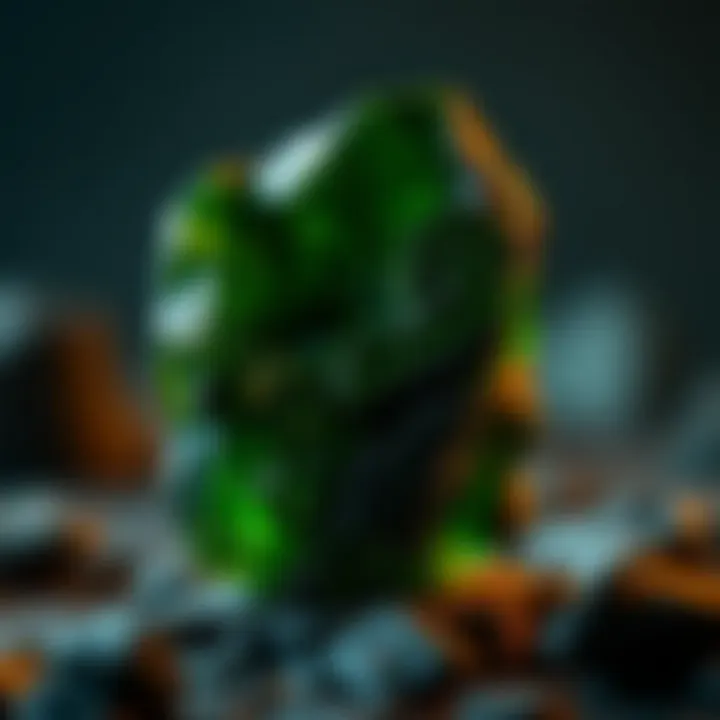
Moldavite is known for its pitted and wrinkled surface, giving each piece a unique texture unlike that of traditional gemstones. This texture is a direct result of the rapid cooling and the unique conditions that molded the stone. These natural features not only serve as identifiers for authenticity but also add an elemental beauty that draws collectors.
The tactile sensation of moldavite evokes curiosity; it breaks the norm of smooth, polished gems, offering a more rustic feel. However, care must be taken to protect these surfaces from damage. The dimensional texture invites deeper examination and appreciation among collectors, proving it is not just a product of geologic phenomena but a piece of art forged by nature.
Understanding the unique physical characteristics of moldavite, including its textures, colors, and clarity, can arm collectors with knowledge, ensuring they appreciate, recognize, and correctly value these treasures from the cosmos.
Historical Significance
The historical significance of moldavite spans both cultural dimensions and archaeological insights. Understanding its importance provides a richer perspective into how this unique gemstone has intertwined with human society across eras and geographical boundaries. Both ancient civilizations' practices and more recent archaeological discoveries illuminate the multifaceted roles that moldavite has played throughout history, making it not just a gem but a witness to human evolution and cultural exchange.
Cultural Perspectives
Moldavite in Ancient Civilizations
Moldavite holds a prominent place in the lore of many ancient civilizations, particularly in regions such as Central Europe. The gemstone’s extraterrestrial origins caught the attention of numerous cultures, where it was often thought to be a gift from celestial beings. This belief imbued moldavite with mystical attributes, making it a popular choice for amulets and ritualistic items.
Key characteristics of moldavite in ancient cultures include its distinct green hue and the theory that it arrived on Earth after a meteorite impact. This seemingly otherworldly quality made it a sought-after material for the creation of talismans believed to possess protective properties. The charm of moldavite lies in its dual identity; it symbolizes earthly existence while being shrouded in cosmic mystique. By examining its historical use, one can appreciate how ancient societies engaged with the natural world and sought to connect with forces beyond their understanding.
Historical Uses in Jewelry
Moldavite’s unique formation and aesthetic appeal have made it a favored choice for artisans through the ages, particularly in jewelry-making. Its striking color variations, ranging from olive green to deep forest shades, make individual pieces distinct and noteworthy. In historical contexts, moldavite was not merely ornamental; it served as a marker of wealth and status.
The craftsmanship involved in creating moldavite jewelry showcases an artistic devotion to the material. Jewelry made from moldavite often includes intricate designs that enhance its natural beauty. The transmutation of a rough stone into something functional and beautiful highlights human creativity and our relationship with natural resources. However, the extraction of moldavite also raises ethical considerations regarding sustainability and the environment, aspects that modern collectors should reflect upon amidst their admiration for such unique pieces.
Archaeological Findings
Moldavite Artifacts
Archaeology has revealed various moldavite artifacts that underscore its significance. These findings illustrate its historical utility not just as a gemstone but as a focal point in cultural practices. Numerous archaeological sites in Europe have yielded objects such as tools and ornaments fashioned from moldavite, all of which encapsulate the human experience across millennia.
The unique attribute of moldavite artifacts is their limited geographical origin, mainly traced back to the Bohemian region. This restricted supply underscores the rarity of the stone, making each piece a potential conversation starter about ancient trade routes and cultural exchanges. Additionally, the status of moldavite artifacts as relics adds a layer of intrigue for collectors, who value the historical narratives these items embody.
Excavations in Central Europe
Excavations in Central Europe have played a vital role in uncovering the historical significance of moldavite. Famous sites, primarily in the Czech Republic, have unearthed evidence of its use dating back thousands of years. These excavations not only reveal the physical presence of moldavite in ancient life but also promote questions regarding the trade systems and social structures of the time.
One distinctive feature of these excavations is the condition of moldavite artifacts when found. Many items have either been preserved remarkably well or altered through use, offering insight into the craftsmanship and societal values of past cultures. The impact of these excavations goes beyond their immediate findings, shedding light on the broader implications surrounding human interaction with their environment and materials.
Moldavite in Modern Times
The relevance of moldavite in contemporary society encompasses multifaceted aspects ranging from its financial value to its spiritual significance. As a gemstone with extraterrestrial origins, this unique stone draws the fascination of individuals from various walks of life. Its unique qualities do not just serve aesthetic purposes but also resonate with metaphysical properties, making it a topic of intense interest among collectors, enthusiasts, and spiritual seekers.
Current Market Trends
Market Valuation
The market valuation of moldavite dramatically reflects its poise in today’s gemstone market. Unlike standard gemstones, whose values can sometimes be dictated solely by clarity, cut, and color, moldavite's extraterrestrial origin and rarity imbue it with a distinct character. Currently, high-quality pieces can fetch prices significantly higher than conventional minerals. A key characteristic of moldavite's market valuation lies in its perceived connection to cosmic energies, coupled with collector interest fueled by social media and online forums. Moldavite is not just a stone; it’s often regarded as a cosmic talisman, which adds to its desirability for those curious about the universe.
The unique feature of market valuation lies in fluctuating supply due to dwindling deposits. As more collectors enter the fray, the demand continues to rise, potentially leading to significant increases in value. However, this also leads to a risk – counterfeit pieces saturating the market can misguide uninformed buyers. Thus, understanding the valuation landscape becomes paramount in this article for anyone looking to engage meaningfully with moldavite.
Rarity and Demand
The aspect of rarity and demand poses significant influence on the allure of moldavite. Classified as a tektite, its formation process, linked to a meteorite impact millions of years ago, lends the stone a uniqueness hard to parallel in today’s market. As the sources of genuine moldavite diminish, the key characteristic of rarity augments its market value. Enthusiasts and collectors flock to acquire pieces of this striking green stone, driven by both their aesthetic charm and association with mystical properties.
A pivotal component of rarity and demand is the ongoing hunt for moldavite in existing geological sites. Such sites are becoming less fruitful with each passing year, leading to a noticeable surge in prices. While the appeal is evident, one should also consider the disadvantage: with rising prices and heightened demand, the likelihood of encountering fake specimens becomes distressingly high. As such, navigating the moldavite market requires diligence and knowledge.
Collecting Moldavite
The realm of collecting moldavite is both alluring and intricate. A collector's journey with moldavite involves not only the thrill of finding unique specimens but also preserving the integrity of their collection.
Identifying Authentic Pieces
Delving into the nuances of identifying authentic pieces is critical for collectors hoping to build a credible and valuable collection. The uniqueness of moldavite’s formation gives it certain characteristics that can help distinguish genuine specimens from imitators. Authentic moldavite typically features a distinctive green hue, often possessing a glass-like texture, with inclusions or bubbles not found in fakes. The key characteristic is the stone's weight; genuine moldavite is denser than most common stones.
The unique feature in identifying authenticity lies in examining the stone's surface and inclusions, which are hallmarks of moldavite's fiery birth. However, collectors must approach this task diligently, given that imitations can be visually similar. Thus, using a loupe for inspection or consulting with experts becomes integral.
Guidelines for Safe Procurement
When venturing into the intricacies of moldavite, following established guidelines for safe procurement is crucial. The market can be a minefield filled with dubious sellers and counterfeit stones. One primary guideline is to procure pieces from reputable dealers who conduct thorough authenticity testing and transparently share their acquisition sources.
Another practical tip is conducting research before making any purchase. Relying on platforms that have established standards and community feedback can greatly minimize risks associated with purchasing moldavite. Most importantly, seek out specialist forums and groups where information and stories about reputable sources can be shared. Among gem enthusiasts, knowledge is power.
Scientific Analysis of Moldavite


The scientific exploration of moldavite sheds light on its extraordinary composition and formation, both of which contribute to its allure and significance. Analyzing the material properties and geological context of moldavite gives crucial insights, enriching understanding for collectors and enthusiasts alike. This section delves into the mineralogical composition and geological studies to unravel the mystery behind this stunning gemstone.
Mineralogical Composition
Silica Content
Silica plays a pivotal role in the structure of moldavite, primarily contributing to its glassy texture and characteristics. The high silica content is what makes moldavite stand out amongst other gemstones. Being predominantly composed of silicon dioxide, it lends a certain strength and resilience to the stone. This is also why moldavite’s overall appearance can vary greatly depending on the silica concentration. Moreover, a higher silica concentration typically leads to greater transparency, allowing the light to dance through its form, enhancing its visual appeal and making it more desirable among collectors.
"Moldavite’s notably high silica content gives it a resilient quality, making it a precious find for collectors."
However, a caveat exists; excessive variation in silica can lead to inconsistencies in quality. While collectors adore pieces with high-quality silica, those that may have fallouts in this regard might not be as sought after. Nevertheless, silica remains a fundamental aspect, setting the stage for the geological wonders contained within moldavite.
Trace Elements and Their Implications
Trace elements found within moldavite add another layer of fascination. These tiny quantities of materials like iron, magnesium, and calcium not only influence the stone’s color but also its metaphysical properties. They each contribute unique characteristics that enthusiasts value, such as a diverse color range from deep greens to subtle browns, which can drastically affect market trends.
The presence of these elements can bridge the gap between scientific fidelity and metaphysical beliefs. For instance, the unique feature of iron traces not only impacts the durability of the moldavite but also aligns with some spiritual practices, enhancing its significance in the metaphysical community. Yet, it’s important to tread carefully, as these very elements can occasionally introduce weaknesses in the structure of the stone, posing a risk during display or handling.
Geological Studies
Petrological Examination
Petrological examination of moldavite is not just about looking under a microscope. It involves a detailed study of its mineralogy and textures. Understanding the petrological attributes helps in the classification and valuation of these stones, revealing if they hold any unique historical significance or scientific curiosity.
One key characteristic of petrological examination involves observing how moldavite interacts with light and its surroundings under different conditions. This knowledge affords collectors and researchers alike a peek into its environmental journey and potential transformations over millennia. However, a disadvantage sometimes arises; intricate analysis requires specialized knowledge and equipment that might not be accessible to every enthusiast.
Geographical Distribution
The geographical distribution of moldavite reflects its rarity and collectible nature. Originating exclusively from the Czech Republic, this unique gemstone's limited locations can significantly impact its desirability and market price. This exclusivity is a double-edged sword. On one hand, it cements moldavite's status as a collector's gem; folks are drawn to its alien origins. On the flip side, the limited mining sites mean potential supply issues, which could lead to fluctuations in market availability.
This geographical uniqueness also means that eco-conscious collectors ponder about the sourcing practices around these stones. Knowing the natural habitat is vital not just for geological understanding but also for maintaining an ethical approach in collecting.
Understanding moldavite through a scientific lens not only appeals to our curiosity but also reinforces its standing as a coveted gem within the geological sphere and beyond.
Moldavite in Metaphysical Practices
Moldavite has carved out a notable niche in the realm of metaphysics, opening doors to cosmic connections and spiritual insights. This unique gemstone, born from a meteorite impact, is often attributed with properties that allow individuals to expand their consciousness. Engaging with moldavite can lead to transformative experiences, serving both as a tool for healing and a catalyst for spiritual growth. Its reputation within various practices makes it not just a collector's item, but a significant part of one’s personal development.
Healing Properties
Chakra Associations
Moldavite is most commonly associated with the Heart Chakra, which is crucial for emotional healing. It is said to resonate with this energy center, promoting love and compassion. The stone’s deep green hue aligns closely with this chakra, facilitating emotional openness. Many people believe that harnessing moldavite can help them heal from past traumas, enabling a release of pent-up emotions. This helps create room for new relationships and emotional stability.
- Key Characteristic: The energetic qualities of moldavite are distinctive; it is seen as a bridge between earthly and celestial energies. This duality is particularly appealing for those seeking deeper emotional balance.
- Unique Feature: The stone often creates a strong sense of connection, making it an excellent choice for individuals exploring heart-centred practices. However, its intensity might be overwhelming for some, especially those new to such spiritual approaches.
Spiritual Significance
From a spiritual standpoint, moldavite is revered for its ability to enhance metaphysical abilities and increase intuition. Many practitioners utilize it to facilitate communication with higher realms and to receive guidance. Given its extraterrestrial origin, it symbolizes transformation and enlightenment, pushing the boundaries of the physical realm.
- Key Characteristic: Moldavite encourages users to let go of negative patterns, paving the way for personal evolution. This transformation is often sought after by those who are feeling stagnant in their spiritual journeys.
- Unique Feature: Its ability to open up new pathways to understanding is awe-inspiring. Yet, this might not always come easily—some users feel they must confront discomfort and previous barriers before reaping the full benefits.
Adoption in Practices
Meditation and Energy Work
Moldavite finds its place in meditation practices for its capability to accelerate the process of self-discovery. When held or placed on the body during meditation, it is said to amplify energy and consciousness, leading to revelations about one’s life path. Its intense vibrations can amplify one’s intentions, which many find beneficial for deepening their practice.
- Key Characteristic: It acts as an energetic amplifier, fostering alignment between the mind and spirit. This characteristic makes it highly sought after for individuals who feel stuck in their meditative practices.
- Unique Feature: Some users report sudden bursts of insight when meditating with moldavite. However, this heightened awareness can also be disorienting, leading to feelings of chaos if one is not prepared to handle such energy shifts.
Usage in Crystal Grids
In crystal grids, moldavite is often employed to enhance the power of other stones. By integrating it into grids, practitioners believe it can help focus intentions and magnify the healing properties of surrounding crystals. This synergistic approach allows for a more profound impact on various intentions—be it love, protection, or abundance.
- Key Characteristic: Its ability to work harmoniously with other stones makes it invaluable for those constructing grids aimed at particular outcomes.
- Unique Feature: While its power is undeniable, newcomers may find it challenging to balance moldavite’s energies with those of other crystals, which can lead to inconsistent results in grid applications.
Moldavite invites users into a realm of higher understanding, urging them to embrace both the light and shadows of their spiritual journeys.
Care and Maintenance of Moldavite
Maintaining moldavite is crucial for preserving its beauty and unique characteristics. Given its origin from a meteorite impact, moldavite is not just a mineral, but a piece of history. Proper care ensures that its vibrant color and delicate textures remain intact while it is housed in collections or worn as jewelry. Failing to treat moldavite with respect can lead to irreversible damage, diminishing its value and allure. In this section, we’ll explore essential cleaning techniques and storage solutions that every collector should consider.
Cleaning Techniques


Recommended Cleaners
When it comes to cleaning moldavite, the choice of a cleaner can be the difference between preserving the gem and causing harm. Natural cleaners, like a mild soap mixed with water, are often the safest bets. They effectively remove dirt and oils without harsh chemicals that could potentially scratch or dull the surface.
Key Characteristics:
A mild soap solution is gentle, making it an excellent choice for moldavite. It doesn’t contain abrasive substances that might harm the stone.
Unique Features:
Using a soft cloth to wipe the moldavite after applying the solution helps maintain its clarity and shine. The advantage of this method is that it minimizes the risk of scratches or damage, keeping the moldavite in optimal condition for years to come.
Caution Against Damage
When handling moldavite, it's essential to keep in mind how delicate this stone can be. Its unique textures can be compromised if not cared for properly. For instance, avoiding contact with jewelry polishers or harsh scrubbers is vital.
Key Characteristics:
The fragility of moldavite calls for extra caution during cleaning.
Unique Features:
While some collectors may want their moldavite to shine brightly, it's more critical to protect the stone from potential damage. One must be cautious and gentle in their approach, which ensures that the stone retains its natural beauty without the risk of wear and tear.
Storage Solutions
Safeguarding Against Scratches
To keep moldavite safe from scratches, proper storage is a must. Using soft pouches or designated compartments in a jewelry box can shield the gem from coming into contact with harder materials, which can cause fine scratches or chips.
Key Characteristics:
The right storage solution acts as a buffer, keeping moldavite secure and well-protected.
Unique Features:
Opting for individual soft cloth pouches not only prevents scratches but also offers ease of carry, making it simple for collectors to transport them without worry. This approach is both practical and effective, ensuring your investment is safeguarded.
Ideal Environmental Conditions
Understanding the environmental conditions suitable for moldavite is vital for its preservation. Ideally, moldavite should be stored in a cool, dry place, away from direct sunlight, which can fade its vibrant hues over time.
Key Characteristics:
Keeping moldavite in a stable climate without sudden fluctuations in temperature or humidity enhances its longevity.
Unique Features:
Using silica gel packets in the storage area can help control moisture levels, providing an extra layer of protection. This simple yet effective measure creates an environment conducive to the stone’s preservation, thereby enhancing its durability and aesthetic appeal.
"Moldavite is fragile yet precious; treat it with the gentle touch it deserves to maintain its cosmic beauty."
By implementing these care techniques, collectors guarantee that their moldavite remains a striking and valuable piece of both geological and personal history.
Environmental and Ethical Considerations
The topic of environmental and ethical considerations surrounding moldavite is not just a sidebar; it’s a core component that shapes the entire narrative of this unique gemstone. Moldavite, known for its cosmic origins, is increasingly sought after in today’s market. As demand grows, the implications of its mining and collection practices become critical. The choices made in these areas can influence not only the gem's availability but also the local ecosystems and communities involved in its extraction.
Impact of Mining Practices
The mining practices associated with moldavite extraction greatly influence both the environment and the ethical dimension of its collection. With rising awareness about environmental issues, many stakeholders are pushing for more sustainable initiatives in mining.
Sustainable Mining Initiatives
Sustainable mining initiatives are designed to minimize the impact on ecosystems while maintaining economic viability. This approach actively seeks to balance the extraction of moldavite with environmental preservation. One key characteristic of sustainable practices is reduced land disruption, which helps maintain local biodiversity. By employing advanced techniques and stricter regulations, companies can less harmfully extract moldavite, allowing communities to thrive, and keep the land habitable.
For example, extraction methods that focus on precision rather than large-scale disruption address the negative consequences of mining while also enhancing the image of the industry.
A unique feature of these initiatives is the emphasis on social responsibility, as they often involve local communities in decision-making processes. This can lead to greater community benefits, albeit they may slightly raise the cost of obtaining moldavite. Ultimately, a more sustainable approach can have long-term advantages for both the planet and the collector community.
Ethical Sourcing of Moldavite
Ethical sourcing of moldavite entails ensuring that the gem is obtained without exploitation of workers or the environment. This practice yields several benefits, fostering trust among collectors who are becoming increasingly selective about the origins of their stones. One major characteristic of ethical sourcing is transparency in the supply chain, allowing collectors to understand where their moldavite comes from and the context of its extraction.
The focus on ethical practices not only protects local communities but also enhances the overall value of the gem in the eyes of informed buyers. Unique to ethical sourcing are the certifications many suppliers pursue, which vouch for their compliance with these principles, assuring buyers they are making conscientious decisions. However, obtaining such certification can be cumbersome and may limit options in the marketplace, presenting advantages and disadvantages that must be weighed carefully.
Conservation Efforts
Conservation efforts go hand in hand with discussions about moldavite extraction. They aim to safeguard the environmental aspects of the areas where moldavite is found while promoting sustainable practices in the industry.
Preserving Natural Resources
The preservation of natural resources addresses the need for responsible management of gem-bearing land. It encapsulates principles of eco-friendliness that benefit the industry and ensure its longevity. The key characteristic here is the proactive measures taken to protect habitats and ecosystems that bolster the overall health of the environment.
Collecting moldavite without harming its natural habitat is paramount. Conservation efforts lead to improved relations between mining companies and local communities, emphasizing collaboration over conflict.
A unique feature of these efforts is the integration of local knowledge, as many communities possess valuable insights into how best to manage their resources. While effective, successful conservation is often contingent on significant investment in education and long-term planning that can be challenging to secure.
Legislative Impact on Collection
Legislation plays a crucial role in the shaping and regulation of moldavite collection practices. It can enforce standards that dictate how collectors must operate, aiming to prevent over-extraction and protect natural resources. One of the key ideals behind such legislation is to harmonize the interests of collectors, miners, and conservationists.
Legislative frameworks often encourage responsible practices but can be seen as burdensome by those who depend on the trade for their livelihood. The unique feature of these laws is their dynamic nature; they can adapt based on findings in environmental studies, thus continually evolving to support effective resource management.
While regulations can limit access to moldavite, they ensure that collection is sustainable in the long run, securing the gem’s availability for future generations of enthusiasts and collectors alike.
As we delve into the fascinating world of moldavite, understanding the importance of environmental and ethical considerations becomes crucial. By supporting sustainable and ethical practices, collectors contribute to the longevity of this extraordinary gem.