Exploring Melanite Garnet: Properties and Significance
Overview of the Topic
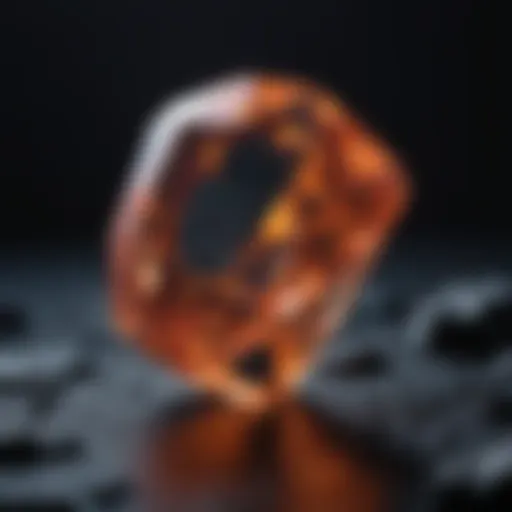
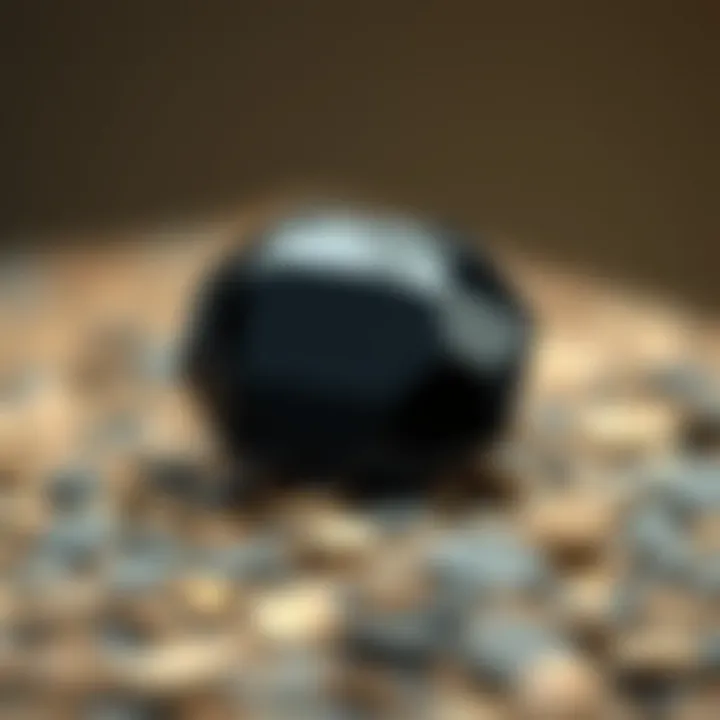
Melanite garnet is a captivating variation of garnet that calls to mind the rich, deep hues of onyx. It is characterized by its jet-black coloration, which can occasionally reveal a subtle sheen under the right light conditions. The term "melanite" draws its roots from the Greek word "melas," meaning black, which is fitting given the stone’s profound darkness. This gem is more than just a visually arresting mineral; it also embodies an interesting geological history and cultural significance.
Historically, garnets have been used since ancient times, often valued not only for their beauty but also for their purported protective properties. Melanite, in particular, was first recognized as a distinctive variety in the 19th century, making it a relatively recent addition to the world of gemstones. Early mineralogists documented its formation in metamorphic rocks, linking it to volcanic activity in certain regions.
Definition of Key Terms
- Garnet: A group of silicate minerals that share similar crystal forms but vary in chemical composition, often used as gemstones.
- Metamorphic Rock: Rock that has undergone transformation from its original state due to heat, pressure, and chemically active fluids.
- Mineral: Naturally occurring, inorganic solids with a specific chemical composition and crystalline structure.
Historical Significance
The allure of melanite garnet stretches back centuries, with its use observed in various cultures for decorative and spiritual purposes. In ancient Egypt, for example, black stones were often placed in tombs as offerings to ensure protection in the afterlife. Likewise, medieval Europe saw garnets—melanite included—being mounted in ornate jewelry, reflecting the wearer’s status and wealth. This history shines a light on the cultural relevancy of melanite garnet, which reflects not just aesthetic beauty but also deep-rooted traditions and beliefs.
Types of Collectibles
While discussing melanite garnet, it is essential to understand the broader categories of garnets and collectible gemstones. Collectors often seek after unique specimens that carry their own narrative.
Classification of Different Collectibles
The vast family of garnets is categorized by their distinct chemical compositions, resulting in varied appearances and properties. It's worth noting some notable types include:
- Almandine: Typically reddish in color, this garnet is common in jewelry.
- Pyrope: Deep red and associated with the word "garnet" itself, Pyrope is also quite popular.
- Spessartine: This orange garnet has gained traction for its bright color.
Notable Categories
When it comes to melanite specifically, collectors often look for certain criteria, such as:
- Color Quality: The intensity and depth of black can set a specimen apart.
- Clarity: Flawless pieces are rarer and, thus, highly sought after.
- Origin: Knowing the geographical source can increase the piece's desirability; for instance, melanite from specific regions may carry more prestige among collectors.
"Garnet is the stone of friendship making it a perfect gift, often known to strengthen ties over time."
For more in-depth information about garnets and their varieties, you may explore resources like Wikipedia on Garnet or read articles on reputable geological websites.
Prologue to Melanite Garnet
Melanite garnet stands out in the mineral realm, known for its rich black hue and captivating properties. This introductory section aims to lay the groundwork for understanding this intriguing variety of garnet. By diving into the unique characteristics of melanite, as well as its formation, historical significance, and wider implications, readers can gain a keen insight into why this mineral garners attention from collectors and enthusiasts alike.
Defining Melanite Garnet
At its core, melanite garnet is a member of the garnet group of minerals, featuring a striking black coloration. Unlike other garnets that may flaunt vibrant hues like reds or greens, melanite adopts a somber yet intriguing aesthetic. Chemically, it is characterized primarily by its composition of titanium and iron, making it a distinct species within the broader garnet family. What sets melanite apart is not simply its hue but the way it interacts with light; its deep, glossy surface can captivate onlookers. To sum it up, melanite garnet serves as a compelling example of how mineralogy can blend beauty with geological identity.
Historical Background
Interestingly, the story of melanite garnet is woven into the fabric of Earth’s geological evolution. First identified in the mid-19th century, the mineral's name is derived from the Greek word "melas," meaning black. This hints at its complex and often tumultuous geological origins. For centuries, garnets, including melanite, have been part of human history. Ancient civilizations revered garnets, believing they possessed protective properties and could enhance one’s vitality. The discovery of melanite garnet brought about new interpretations and uses within these ancient cultures. From adornments to talismans, its historical significance as a gemstone cannot be understated. Today, the mineral continues to pique the interest of collectors who appreciate not only its aesthetic but also its multifaceted storyline.
"Understanding melanite garnet is not just about its physical attributes; it’s about appreciating the lengthy journey it takes from formation to being in someone’s collection."
In summary, embracing the knowledge offered in this introduction provides a solid foundation before we embark on a deeper exploration of melanite garnet’s chemical composition, geological context, and its myriad uses across industries and cultures.
Chemical Composition and Structure
Understanding the chemical composition and structure of melanite garnet is crucial for grasping its unique characteristics and variations across different specimens. Melanite garnet, with its striking black color, is a member of the garnet group, which encompasses a wide range of minerals possessing similar crystal structures but varying in their chemical makeup. The variations in composition can influence not only the appearance but also the physical and optical properties of the mineral itself. Therefore, diving into the minutiae of its mineralogical aspects allows collectors and enthusiasts to appreciate the gemstone’s complexity and allure.
Mineralogical Composition
Melanite garnet is primarily characterized by its iron-rich composition. The most common formula can be represented as Ca3(Fe^2+)(Fe^3+)2Si3O12. The presence of iron is what gives melanite its distinctive dark hue, often described as deep black or very dark brown.
- Key constituents:
- Calcium
- Iron (in two oxidation states)
- Silica
These elements combine to create a robust mineral that not only looks stunning when polished but also holds significant value in various applications, from jewelry to abrasives. Variations in the composition can occur due to the conditions under which the garnet forms, leading to different sub-species within the garnet family. For instance, altering levels of iron can produce variations with different shades or intensities of color.
Due to the high iron content, melanite garnet is more dense compared to its lighter counterparts like almandine or pyrope garnet. This density can make it appealing to collectors who appreciate the heft and solidity of a gemstone. Understanding these differences in mineralogical composition can help in identifying and categorizing specimens for collectors.
Crystalline Structure


The crystalline structure of melanite garnet is another aspect that plays a vital role in its properties. Melanite crystallizes in the isometric system, which means it possesses a symmetrical structure forming cubes or dodecahedra. This structure contributes to its durability and makes it suitable for various uses.
- Characteristic features:
- High hardness rating (approximately 6.5 to 7.5 on the Mohs scale)
- Good cleavage in specific directions, though not prominent
The arrangement of its atoms in a compact framework translates to its impressive physical resilience, which is something rock and mineral collectors should take into consideration. A well-formed crystal can be quite striking, showcasing how the internal arrangement can influence the visual aspects of grown minerals.
Understanding these structural attributes offers insight into the mineral's reaction to environmental changes, such as pressure and temperature, during its formation. It also helps in better assessing the mineral's quality when engaging in collecting.
Certainly, the beauty in melanite garnet lies not only in its appearance but in the intricate dance of elements and crystals that come together to form this magnificent mineral.
In summary, the details around melanite garnet's chemical composition and structure reveal a complex interaction of minerals that contribute to its physical properties and allure. As collectors dive into these aspects, they can better appreciate why this garnet variety holds a significant place in both geological studies and the gemological landscape.
Formation and Geological Context
Understanding the formation and geological context of melanite garnet is critical to comprehending its unique properties and how it integrates into the earth's intricate systems. This section elucidates the processes that give rise to this alluring mineral as well as the varied geological environments in which it can be found. Knowing these factors can greatly inform those interested in studying or collecting melanite garnet, enhancing their appreciation of its beauty and rarity.
Formation Processes
Melanite garnet is primarily formed through the metamorphism of organic-rich sedimentary rocks, resulting in a mineral that is a product of high temperature and pressure conditions. The primary components of melanite include iron and titanium, which contribute to its deep black coloration. This garnet group mineral stands out from its relatives not only in color but in its formation dynamics.
- Metamorphic Conditions: The environment required for melanite's formation typically involves temperatures above 600 degrees Celsius coupled with significant pressure variations. This process can take place over millions of years, slowly transforming simpler minerals into the more complex structure of melanite.
- Role of Parent Rocks: Common parent rocks include schists and gneisses, which are subjected to metamorphic changes. The organic materials, particularly carbon compounds, play a crucial role as they are enriched with iron and titanium during metamorphism. This chemical interplay is essential for producing the melanitic composition.
- Influence of Fluids: Sometimes, hydrothermal fluids can facilitate the formation of melanite. These mineral-rich fluids penetrate into the rock formations, altering the chemical environment to promote integrated growth.
This unique formation process elevates melanite beyond mere aesthetic value, grounding it in a rich geological narrative. Each piece carries a tale of its creation, adding to its appeal for collectors.
Geological Settings
Melanite garnet is not just a curiosity; it exists in a variety of geological settings that add depth to its understanding. Its occurrence is typically linked to specific environments where the right conditions for metamorphism are met.
- Subduction Zones: Regions where tectonic plates collide often create the pressures necessary for the formation of minerals like melanite. The intense heat and stress in subduction zones favor high-grade metamorphic environments.
- Regional Metamorphic Terrains: Areas that have experienced significant geological activity offer fertile ground for melanite. Settings such as the Appalachian Mountains in the eastern U.S. and the Himalayas are known for hosting this mineral.
- Volcanic Activity: Interestingly, melanite can sometimes be found in volcanic regions. The interplay between volcanic activity and tectonics may result in localized formations of iron-rich garnets.
The intricate journey of melanite garnet from formation to discovery connects collectors with the earth's storied past.
Geographic Distribution
Understanding the geographic distribution of melanite garnet is essential for both collectors and geologists alike. This section unveils where this unique mineral can be found, its significance in the larger geological landscape, and how the geographical context contributes to the allure of melanite garnet. Knowing its sources can elevate a collector's journey and help them appreciate the story behind each piece.
Primary Sources of Melanite Garnet
When it comes to gathering melanite garnet, several areas around the globe serve as notable sources. Its most prominent deposits can be traced to:
- The United States: Particularly, volcanic regions such as California have yielded significant amounts of melanite, often associated with complex rock formations.
- Italy: The Italian Alps are not to be overlooked. Here, melanite garnet is often found alongside other mineral varieties. The interplay between different minerals enhances its unique qualities.
- Russia: Certain areas in the Ural Mountains contain rich deposits, giving collectors a glimpse into how regional geology can affect mineral properties.
- Mexico: This country hosts several active mining sites that extract high-quality melanite garnet. Local enthusiasts often take pride in the unique specimens sourced from their homeland.
These locations not only highlight the mineral's diverse presence but can help collectors gauge where they might find the best quality stones. For those considering their first foray into collecting, these primary sources are invaluable starting points.
Global Significance
The global significance of melanite garnet goes beyond mere aesthetics; its distribution reflects geological processes and economic factors that influence supply and demand. Regions rich in this mineral tell an intricate story of earth’s history at play. For instance:
- Gem Trade Influence: As collectors become eager for dark-hued garnets, areas with rich deposits often see fluctuating prices. This directly impacts the gem trade and thus the economic stability of these regions.
- Cultural Connections: Some indigenous cultures regard melanite garnet as a symbol of protection and strength. The geographical origins of their stones often hold cultural symbolism, tying the identity of the mineral to the land.
- Educational Value: The geographic spread of melanite serves as an educational tool in geology, helping students learn about metamorphic processes and how different minerals form under unique environmental conditions.
Knowing where melanite garnet is found enables collectors to not just acquire pieces, but also understand the broader narrative of geology, culture, and commerce tied to these stones.
Properties of Melanite Garnet
When discussing melanite garnet, understanding its properties is crucial for anyone interested in this mineral. Ancient civilizations often valued gemstones based on their physical and optical attributes, as these traits often dictated their use in jewelry, tools, and even cultural rituals. Knowing what sets melanite garnet apart aids both collectors and enthusiasts in making informed decisions. This section highlights the physical and optical properties that provide insight into the stability, durability, and aesthetic appeal of melanite garnet.
Physical Properties
Melanite garnet possesses a unique blend of attributes that contribute to its robustness and aesthetic. Below are some key physical properties that define this striking mineral:
- Color: The most defining feature of melanite garnet is its rich black hue, which can sometimes display hints of brown or even green under certain lighting conditions. This depth of color makes it a preferred choice for those who appreciate darker stones.
- Hardness: On the Mohs scale, melanite garnet typically measures between 6.5 and 7.5. This level of hardness indicates that it is resilient against scratches, making it suitable for everyday wear in jewelry. Its durability also places it favorably against other gemstones, often ensuring a longer lifespan.
- Density: With a specific gravity ranging from 3.5 to 4.3, melanite garnet has a significant heft which can give it a luxurious feel. Collectors often note its weight when deciding on pieces for their collection.
- Cleavage and Fracture: Unlike many minerals, melanite garnet does not exhibit perfect cleavage, instead displaying an irregular fracture pattern. This characteristic means it is less likely to break along predictable lines, adding to its overall durability.
"The unique combination of hardness and color in melanite garnet makes it not just a beautiful addition to any collection but also a practical one."
Understanding these physical properties helps collectors evaluate potential purchases, as knowing how a garnet will resist wear and tear is essential for longevity.
Optical Properties
The visual allure of a gemstone often takes center stage, and melanite garnet is no exception. Its optical properties not only enhance its beauty but are also key indicators of quality and authenticity:
- Luster: Melanite garnet can exhibit a vitreous to resinous luster. This shine can amplify the appearance of depth in its color, which makes it a standout in jewelry pieces.
- Transparency: Typically opaque, higher-quality specimens may display transparency at thin edges. This feature attracts collectors looking for unique pieces that display various qualities under light.
- Refractive Index: The refractive index of melanite garnet generally ranges from 1.72 to 1.75, impacting how light interacts with the stone. This property plays a significant role in how vibrant the mineral appears when cut and polished.
- Pleochroism: Although less pronounced than in some other garnets, under certain lighting conditions, melanite garnet can show subtle changes in shade. This phenomenon can lead to interesting variations in appearance as the stone is viewed from different angles.
By understanding these qualities, a collector can appreciate not just the beauty of melanite garnet but also its unique attributes that set it apart from other gemstones. Whether it's for personal enjoyment or as an investment, knowledge of these properties is fundamental to navigating the world of gemstones.
For more information on garnets and their properties, you can refer to these sources: Wikipedia, Britannica, and Gem Society.
Uses of Melanite Garnet
Melanite garnet, known for its striking black hue and unique properties, finds itself in a variety of applications, with its usage spanning from dazzling jewelry to important industrial roles. This section aims to illuminate the importance of melanite garnet, highlighting specific elements, benefits, and considerations surrounding its uses.
Jewelry Applications
In the realm of jewelry, melanite garnet holds a distinctive place. Jewelers often favor it for its captivating color and versatility. The bold black shade provides a striking contrast to other gemstones, making it a favored choice for those seeking a dramatic flair.
One of the perks of using melanite garnet in jewelry is its ability to blend with various metals, such as gold and silver. The stark contrast against a silvery surface or a warm gold setting can truly elevate a design. High-quality pieces featuring melanite garnet can fetch impressive prices, particularly when they are designed with precision.
When it comes to durability, melanite garnet is rather tough, scoring around 7.5 to 8 on the Mohs scale. This makes it suitable for various types of jewelry, including rings and bracelets, that can sustain everyday wear without significant damage. Nevertheless, while it is robust, care should still be taken to avoid sharp impacts that may scratch its surface.
In the collectible jewelry market, melanite garnet pieces are not just beautiful; they also serve as a conversation starter. Collectors often appreciate the unique characteristics that distinguish this garnet from other stones, making it a sought-after addition to many collections.
"Melanite's rich, dark tones bring both elegance and a sense of mystery to contemporary jewelry designs."
Industrial Applications
Beyond the realm of aesthetics, melanite garnet serves noteworthy roles in industrial applications. Its hardness and abrasive qualities make it an ideal candidate for use in sanding and polishing materials. Industries involved in manufacturing glass and ceramics utilize melanite garnet for its effective grinding properties.
Additionally, in the field of water filtration, garnet is applied in various filtration systems. The mineral's density allows it to act as an effective filter media, promoting the removal of impurities in water treatment processes. This application underscores the environmental importance of melanite garnet in contributing to cleaner water sources.
With advancements in technology, melanite garnet is also making its mark in the field of abrasive blasting. The material's durability allows it to be used in applications where a fine finish is crucial, such as surface preparation in automotive painting and steel surface cleaning. This not only opens avenues for its use but also supports sustainability in industrial practices.
Cultural and Historical Significance
The cultural and historical importance of melanite garnet is significant, intertwining with ancient practices and modern interpretations. This section unveils the mineral's multifaceted role throughout history and its impact on contemporary society, crafting a story that enriches our understanding of this unique gem.
Use in Ancient Civilizations
Melanite garnet has roots that dig deep into the annals of history. Various ancient civilizations embraced this mineral, often attributing mystical and protective properties to it. The Egyptians, for example, weren’t just enamored by its striking black hue; they believed that melanite garnet could guard its wearer against misfortune. Artifacts adorned with this gemstone have surfaced in tombs, signifying its use in burial practices meant to ensure a safe passage to the afterlife.
Similarly, the Romans utilized melanite garnet in signet rings and jewelry. These adorned pieces not only displayed status but also invoked a sense of security—melanite was thought to provide clarity and control. This connection between the mineral and status is reflected in crafting techniques, often showcasing intricate designs that enhanced the garnet’s allure.
"In the weave of history, melanite garnet signifies both beauty and strength, echoing the values held dear by those who wielded it."
The lore surrounding melanite garnet was rich in symbolism. For native cultures in the Americas, the stone acted as a connection to the Earth, representing stability in tumultuous times. Such interpretations underscore the mineral's importance as more than just an ornament; it was a beacon of hope and resilience.
Modern Cultural Interpretations
Fast-forward to today, melanite garnet holds a position that reflects contemporary values and interests. It has transitioned from a relic of ancient wisdom to a modern emblem of sophistication and luxury. In this current age, the black gemstone is often chosen for its unique aesthetic that can lend a touch of elegance to jewelry designs.
The rise of the wellness movement has also seen melanite garnet invited into its fold, celebrated for its purported metaphysical properties. Modern practitioners believe that this gemstone can enhance grounding energies and foster emotional balance; a stark contrast to its historical use primarily for protection.
This duality of purpose denotes how our cultural understanding has evolved. Collectors today not only seek melanite garnet for its beauty but also for its narrative—pieces often carry stories that resonate with personal journeys and aspirations.
In terms of the arts, artists and designers draw inspiration from melanite garnet’s depth and character, integrating it into various forms of expression that mirror modern ideals. Exhibits in galleries and online platforms frequently showcase this mineral as part of a dialogue on nature’s artistry and human craftsmanship, creating a bridge between the past and the present.
In essence, both the ancient and modern views of melanite garnet emphasize its significant cultural and historical relevance. From ancient civilizations to contemporary interpretations, this unique garnet continues to inspire awe and respect globally.
Collecting Melanite Garnet
Collecting melanite garnet can be an exhilarating pursuit. This unique variety of garnet often draws the attention of enthusiasts and collectors alike due to its captivating black hue and distinct characteristics. In this section, we will dive into the essential aspects to consider when starting your own collection of this intriguing mineral.
Tips for Collectors
- Do Your Research: Before you dive headfirst into collecting, it's crucial to educate yourself about melanite garnet. Understanding its properties, varieties, and sources can empower you to make informed decisions. There are numerous online resources and books dedicated to gems and minerals. Websites such as Wikipedia can provide a solid foundational knowledge.
- Visit Mineral Shows and Gem Fairs: These events are treasure troves for collectors, offering a wide array of specimens. They also present an excellent opportunity to speak with other collectors and experts who can share their insights and tips.
- Join Collector Communities: Participate in online forums, like Reddit or social media groups dedicated to rock and mineral collecting. Engaging with like-minded individuals can expand your knowledge and perhaps even lead to potential trading opportunities.
- Select a Suitable Display Case: Protecting and displaying your melanite garnet is equally important. A display case can enhance the beauty of your garnets while keeping them safe from damage and dust accumulation.
- Document Your Collection: Keep track of your specimens, including their origins, purchase dates, and any notable characteristics. This can be valuable for future reference and can also add depth to your collecting experience.
- Explore Local Deposits: If you’re adventurous, consider collecting specimens directly from local geological sites. Ensure to follow regulations and obtain any necessary permissions to avoid potential legal issues.

Evaluating Authenticity
When you find a melanite garnet, authenticity is paramount. As with any collectible item, the market unfortunately presents its share of fakes and imitations. Here are some key pointers to help you assess authenticity:
- Examine the Color and Luster: Natural melanite garnet exhibits a deep black color with slight variations and inclusions. If the stone looks too perfect, it may have been treated or synthetic.
- Seek Professional Appraisal: If you're dubious of a specimen's authenticity, consider consulting with a qualified gemologist. They can offer insight into the mineral's origins and verify its authenticity.
- Testing with Instruments: Employ specific testing equipment if you have access to it. Professional gem labs often utilize tools like refractometers or spectrometers to examine a gem's properties.
- Ask for Certifications: Reputable dealers should be able to provide provenance or certification documents. These can include details about the gem's origin and any treatments it may have undergone.
- Research the Dealer's Reputation: Always buy from trusted sources, such as well-known gem fairs or established dealers with positive customer feedback. If a deal seems too good to be true, it probably is.
Understanding the nuances of collecting melanite garnet can make all the difference in building a meaningful collection.
Through careful consideration of where and how to buy melanite garnet, collectors can ensure they add not just any stone, but a genuine and valuable piece of geological history to their collection.
Market Trends and Value
The market for melanite garnet is evolving, reflecting broader trends in the gemstones and collectibles sectors. Understanding these market trends and the value dynamics is essential for enthusiasts and collectors. This section delves into the current state of the market and what elevates the value of melanite garnet, offering insight that is both practical and thought-provoking.
Current Market Overview
As of late 2023, the demand for melanite garnet has seen a steady uptick, primarily driven by the growing interest in colored gemstones and unique minerals among collectors. Many buyers appreciate melanite garnet's rich black hue, which is often perceived as sophisticated and versatile for both jewelry and decorative applications. This increasing fascination is juxtaposed with an unpredictable market for gemstones, where economic fluctuations can quickly sway prices.
- Key insights into the market include:
- The increase in online platforms dedicated to gemstone sales, providing easier accessibility for collectors across the globe.
- A noticeable trend toward ethically sourced and sustainable stones, which has prompted dealers to focus on transparency in sourcing melanite garnet.
- The influence of social media, where enthusiasts share findings and appreciation for rare stones, amplifying the visibility of melanite garnet.
In contrast, there remain challenges in the market. Oversaturation in certain gemstone categories sometimes leaves less popular varieties, like melanite garnet, behind. Nonetheless, engaging marketing strategies and a clear narrative can attract niche collectors who are often on the lookout for something different.
Factors Affecting Valuation
Several factors play a significant role in determining the evaluation of melanite garnet. Collectors should be well-versed in these elements to make informed purchasing decisions. Understanding what influences the value of this unique gemstone can provide a competitive edge in acquiring these stones. Here are a few critical considerations:
- Quality of the Stone: The clarity, cut, and overall appearance directly impact value. A well-faceted stone that reflects light beautifully will command a higher price than one with inclusions or a poor cut.
- Size and Carat Weight: While smaller stones are more common, larger, high-quality specimens are rare, leading to elevated prices.
- Market Demand: As previously mentioned, the enthusiasm for unique minerals and the rising interest among collectors can boost prices significantly.
- Provenance: Stones with verified origins or a documented history often hold higher value. Collectors increasingly appreciate knowing the story behind their gems.
- Condition and Wear: For those looking at jewelry, the state of the piece can affect desirability. Vintage pieces in good condition may fetch more due to their craftsmanship.
Collecting melanite garnet serves not only as a hobby but also as an investment opportunity, considering the careful selection of stones based on these valuation factors.
Overall, the market for melanite garnet is marked by both potential and challenge. Understanding these dynamics is crucial for both new and seasoned collectors aiming to navigate the vibrant world of gemstones effectively.
Care and Maintenance
Maintaining melanite garnet is essential for preserving its allure and distinct characteristics. Given its unique properties, proper care ensures that these stones can shine in jewelry or remain a cherished addition to collections. Melanite garnet isn't just another pretty face; it requires specific considerations to keep it looking its best.
Cleaning Techniques
Cleaning your melanite garnet can greatly enhance its visual appeal over time.
- Gentle Soap and Water
A simple mixture of lukewarm water with a few drops of mild dish soap is often the way to go. Use a soft cloth or a brush with soft bristles to gently scrub the surface, ensuring you reach all the nooks and crannies. Always avoid abrasive cleaners. They can scratch the surface and ruin the deep luster of the stone. - Ultrasonic Cleaners
Though this method may tempt some collectors, it is crucial to use caution. Not all stones can handle the vibrations an ultrasonic cleaner produces. For melanite garnet, it's usually best to stick with manual cleaning methods, especially since its brittle nature can be detrimental when subjected to excessive shock. - Avoid Harsh Chemicals
Never use bleach, acetone, or other strong solvents. These can damage the garnet's surface and alter its intrinsic properties.
"A little care goes a long way; you wouldn't scrub a baby's face with steel wool, so treat your gems right too!"
Storage Recommendations
When it comes to storing melanite garnet, the goal is to keep your gems safe from physical damage and environmental factors.
- Individual Slots
It’s wise to store each piece separately. A padded jewelry box with individual compartments works wonders. This stops your garnets from chipping each other. Velvet pouches or soft cloths can also come in handy. - Avoiding Direct Sunlight
Even though melanite garnet is notoriously resistant, prolonged exposure to harsh light can alter its sheen over time. Store them in a cool, dark place. - Humidity Control
Keeping your collection under control regarding humidity is essential. Too much moisture can lead to unwanted residues or compromise the stone’s structure. Consider silica gel packets in your storage space to absorb excess humidity.
By giving the right attention to cleaning and storage, you're not only prolonging the life of your melanite garnet but also ensuring it retains its captivating charm. Whether displayed proudly or tucked away safely, these practices will keep your pieces looking as stellar as the day you acquired them.
Culmination
In this article, we have taken a journey through the intricate world of melanite garnet, a mineral that often flies under the radar yet possesses an array of significant attributes and uses. The concluding section highlights the essence of the discussions held throughout various chapters, emphasizing the importance of understanding this unique garnet variety for enthusiasts, collectors, and anyone drawn to geological phenomena.
Melanite garnet's distinct properties—such as its striking black coloration and diverse applications—serve as a springboard into broader topics related to gemstone collecting, mineralogy, and cultural significance. By diving into its chemical composition, geological context, and uses, we've drawn attention to the multifaceted nature of this mineral, revealing how it bridges ancient civilizations to modern aesthetics.
Summary of Key Points
- Defining Features: Melanite garnet is a black variety known for its unique luster and hardness, making it particularly suitable for both decorative and practical applications.
- Geological Origins: The formation process of melanite garnet is tied closely to its mineralogical context, found extensively in metamorphic rocks and the volcanic formations that provide its rich color.
- Widespread Applications: This mineral finds itself in various uses ranging from jewelry design to industrial applications, proving its versatility beyond mere aesthetics.
- Cultural Context: Historically, melanite garnet has been cherished not just for its beauty but also for its purported metaphysical properties and historical lineage.
Final Thoughts on Melanite Garnet
As we conclude our exploration, it is clear that melanite garnet is more than just a pretty rock. It encapsulates a story worthy of curiosity and appreciation. For rock and fossil collectors, recognizing its value enhances the overall appreciation of one's collection. By understanding the attributes and contexts of melanite garnet, collectors are better equipped to make informed decisions about their acquisitions. This gem, with all of its complexities, does not merely sit idly in display; it prompts questions, enriches discussions, and beckons for exploration.
In the end, whether it's the allure of its dark hue or the historical significance it carries, the fascination with melanite garnet is a reminder of the beauty inherent in our planet's geology.
"Every stone holds a story, and melanite garnet whispers tales of Earth’s history through its very form."
For further reading, explore resources such as Wikipedia or visit discussion forums like Reddit to connect with fellow enthusiasts.