Exploring Azurite, Malachite, and Chrysocolla's Wonders

Intro
In the realm of mineralogy, few stones elicit as much wonder and admiration as azurite, malachite, and chrysocolla. These vibrant minerals not only stand out due to their stunning colors but also offer a glimpse into geological processes that have unfolded over millions of years. Their allure extends beyond aesthetics, interweaving with human culture, art, and science. Each mineral tells its own unique story, shaped by its origin and the diverse roles it has played throughout history. This article aims to unpack those narratives, shining a light on the fascinating world of these three captivating stones.
This exploration will traverse their physical characteristics, chemical compositions, and the multifaceted ways in which they have influenced various aspects of life and culture. From their geologic formations to their contemporary applications in art and holistic healing, the goal is to provide a rich tapestry of information to enhance the understanding of rock and fossil collectors alike.
Intro to Azurite, Malachite, and Chrysocolla
Understanding azurite, malachite, and chrysocolla is akin to unlocking a treasure chest filled with vibrant colors, each piece representing a unique story from the earth's past. These minerals not only captivate collectors and enthusiasts but also hold significant value in various fields, from art to alternative healing practices. The intricate relationships between their geological formations, cultural histories, and contemporary utility create a fascinating tapestry worth exploring.
Defining the Three Minerals
Before diving deeper, let’s clearly outline what each mineral is:
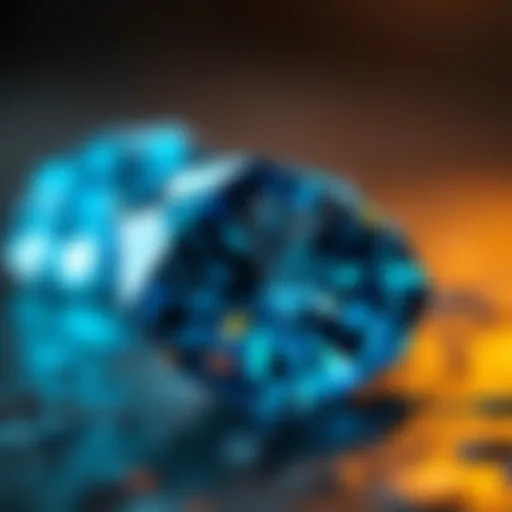
- Azurite is a deep blue carbonate mineral often found in copper deposits. Its rich color is due to the copper content, which, when polished, provides a striking aesthetic appeal.
- Malachite, contrastingly, is a vibrant green copper carbonate mineral. This stone is characterized by its swirling patterns, making it a favorite among jewelers and interior decorators alike.
- Chrysocolla, with its captivating turquoise hues, is a hydrous copper silicate. It is not just beautiful but also forms in the presence of copper-rich deposits, displaying variations that are both elegant and eye-catching.
Identifying these minerals is often straightforward for seasoned collectors but can be daunting for newcomers. However, with a good understanding of their physical characteristics, anyone can appreciate their beauty and significance.
Why They Matter
These minerals matter for several reasons:
- Cultural Significance: Each of these stones has played a pivotal role in various cultures throughout history. For instance, the ancient Egyptians revered malachite, using it in cosmetics and amulets, while azurite was known to be used in pigments for frescoes.
- Artistic Applications: Azurite and malachite were once ground into powder to create vibrant paints. Artists have cherished these raw materials for centuries, contributing to their lasting legacy in the art world.
- Geological Interest: The formation of each mineral is a geological marvel. Understanding how they form provides insight into the movements of the Earth’s crust and the conditions that led to their creation. These processes reveal more than just rocks; they narrate the planet's history.
- Metaphysical Beliefs: Many believe in the healing properties of these minerals. They are often associated with emotional healing and clarity, attracting a dedicated following in various holistic circles.
"The vibrant colors of azurite, malachite, and chrysocolla tell stories of their origins, much like the intricate patterns that adorn them."
As we dive deeper into the characteristics and applications of these minerals, it becomes clear they are not just pretty rocks but are woven into the very fabric of human culture and the natural world. Understanding these stones not only enhances one's appreciation but also fosters a connection to the past and a vision for their role in our future.
Azurite: The Deep Blue Wonder
Azurite, often referred to as the deep blue wonder, is a mineral that captures both the eye and the imagination. Its rich, vibrant hues and intricate formations make it a sought-after specimen among collectors and geologists alike. But beyond its beauty lies a wealth of geological history and significance. This section aims to illuminate why azurite merits a deeper exploration, focusing on its physical characteristics, formation, historical importance, and modern applications.
Physical Characteristics
Azurite stands out not just for its striking blue color but also for its variety of physical traits that enhance its allure. The mineral typically forms brilliant, deep blue formations, sometimes displaying shades that run from pastel to vibrant cerulean. This broad spectrum of color often includes distinctive black or greenish veins, which arise from its association with other copper minerals like malachite or chrysocolla. Azurite crystals are commonly found in prismatic or tabular forms, sometimes displaying a glassy luster that catches light in fascinating ways.
Another key aspect is its relative softness, with a Mohs hardness of around 3.5 to 4. While this can make it less durable than other gemstones, it does mean that azurite is easy to carve and manipulate, making it ideal for artists and craftsmen.
Formation and Geology
The story of azurite begins deep within the Earth's crust. Formed primarily in the oxidation zones of copper deposits, azurite crystallizes when copper ions react with carbonate-rich waters. This process often occurs in arid or semi-arid environments, where evaporation leads to higher concentrations of minerals.
In terms of geological frameworks, azurite is often found alongside minerals like malachite and tenorite, forming part of the broader family of secondary copper minerals. Deposits of azurite are typically located in all corners of the world—from the famous copper mines of Bisbee in Arizona to remote sites in the Democratic Republic of Congo. Each deposit's unique geological conditions can produce variations in the size and quality of the crystals.
Historical Significance and Use
Historically, azurite has held not just aesthetic value but also practical importance. Ancient Egyptians used azurite as a pigment in their artwork, creating stunning blue hues that survive to this day in temples and tombs. In medieval Europe, azurite was ground into powder and used in illuminated manuscripts, a testament to its long-standing appeal.
In addition to its artistic uses, azurite played a role in the alchemical traditions of the Renaissance, where it was associated with the transformation of materials. This connection gave the mineral a cultural weight that persists to this day.
Azurite in Modern Applications
Today, azurite continues to find its place in modern applications beyond the collector's cabinet. Its captivating blue color, coupled with its ease of manipulation, makes it a popular choice for artisans creating jewelry or decorative items. When polished, azurite exhibits an undeniable charm, often being combined with other gemstones to create eye-catching pieces.
Additionally, there is a growing interest in the metaphysical properties attributed to azurite. Many believe it to be a stone of awareness, often associated with enhancing intuition and facilitating deeper meditation. While such views should be taken with a grain of salt, they highlight the continued cultural relevance of azurite in today's spiritual and holistic communities.


In summary, azurite serves as a rich topic for exploration, bridging the gap between natural beauty, historical intrigue, and contemporary significance. The deeper one delves into this spectacular mineral, the more one appreciates its role in both our past and future.
Malachite: The Green Gemstone
Malachite, often referred to as the green gemstone, is not just another pretty rock; it’s a mineral steeped in history and cultural significance. This section will dig into malachite's physical properties, geological formation, and its journey from ancient adornment to contemporary craftsmanship. Comprehending how malachite stood the test of time and evolved can offer enthusiasts insights into collecting and valuing this stunning stone.
Physical Properties of Malachite
Malachite's vibrant green hues are its most distinguishing feature, captivating the eye with shades ranging from light green to almost blackish-green. There’s a certain depth in its appearance, similar to lush greenery after a rainstorm. It's a soft mineral, registering around 3.5 to 4 on the Mohs hardness scale, making it relatively easy to carve. However, this softness also requires a bit of caution. Collectors should be mindful of chipping or scratching if improperly handled.
Another fascinating aspect is its banded appearance, with swirling patterns that are unique to each piece. When polished, malachite takes on a glassy, reflective quality, enhancing its allure. Beyond aesthetics, the mineral primarily consists of copper carbonate, which is important to note, especially for those interested in its chemical properties. Collectively, these attributes make malachite not just appealing visually, but also intriguing for geology enthusiasts.
Geological Formation Processes
Malachite is typically formed in the upper oxidized zones of copper deposits, primarily through the weathering of copper minerals. This process occurs over thousands of years, where copper ions react with carbon dioxide and water, resulting in malachite's characteristic green color. Found predominantly in regions like the Democratic Republic of the Congo and Russia, the geological environment provides clues to collectors about the mineral’s origin.
This formation process also interacts closely with the surrounding ecosystem, and can even influence the soil chemistry in its habitat. As a mineral, malachite serves as an indicator of copper deposits, which is why mining operations often target its presence. Being aware of where and how malachite forms can be useful for collectors aiming to understand its value and provenance.
Cultural and Historical Uses
Malachite has history that stretches back to ancient civilizations. Used as a pigment, ground malachite created a vibrant green paint for artists in ancient Egypt. It wasn’t just used for aesthetic purposes; it also held symbolic meanings, often associated with protection and transformation. In the context of healing, many believed it could ward off negative energies and promote emotional balance.
Through time, malachite has been utilized in jewelry, mosaics, and sculptures, important in cultures across Africa, the Americas, and Asia. The patterns often represented a connection to nature, making it a favorite among artisans. While working in this stone, many artisans still adhere to traditional crafting methods, preserving a cultural heritage that runs deep.
Contemporary Uses and Significance
In modern times, malachite is more than just a gem for collectors; its versatility is key to its ongoing significance. Whether in jewelry-making, home décor, or healing practices, malachite’s aesthetic and metaphysical properties resonate with many today. In jewelry, it stands out as a statement piece, often shaped into pendants, rings, and other ornaments. The rise of holistic practices has also revived interest in its purported healing properties, attributed to both its mineral content and vibrant color.
Additionally, ecological and ethical considerations are making waves in the sourcing of malachite today. Collectors now often seek stones that are sustainably sourced. The ongoing conversation about ethics in the mining industry adds another layer of significance to malachite as a choice for conscientious consumers.
"Malachite's journey from ancient use to modern appreciation illustrates how minerals can bridge generational gaps, carrying meanings and functions that evolve with time."
In essence, malachite is not merely a gem; it’s a story of Earth’s history, culture, and the ever-widening canvas of human creativity. By understanding its properties and significance, collectors can truly appreciate this lush green treasure.
Chrysocolla: The Vibrant Turquoise Mineral
Chrysocolla stands out not only for its striking turquoise hue but also for its profound significance in geology and culture. This mineral, while often grouped with others like azurite and malachite, has its own unique characteristics and stories to tell. It carries with it a history of use that spans centuries and speaks to its connection with both the Earth and human creativity.
Identifying Chrysocolla
Identifying chrysocolla can be intriguing for collectors and enthusiasts. Its vibrant blue-green color is probably the first thing that catches the eye, but there's much more beneath the surface. This mineral typically has a waxy luster and can appear in a range of colors, from bright turquoise to a deep teal. The presence of copper is what gives chrysocolla its distinct color.
When examining specimens, look for a few key features:
- Hardness: Chrysocolla usually falls between 2.5 to 7 on the Mohs scale, making it relatively softer than many other minerals. This means it can scratch easily, so handle with care.
- Texture: It can be found in massive forms, fibrous, or even as botryoidal growths.
- Testing with Acid: A simple test involves using a small amount of mild acid to see if it effervesces. This indicates the presence of copper, confirming it's likely chrysocolla.
How Chrysocolla Forms
Chrysocolla forms primarily through the weathering of copper minerals. As copper-bearing rocks slowly break down, oxidation and hydration processes occur, leading to the formation of chrysocolla. This can typically be found in the vicinity of copper deposits, where it accumulates in fractures and cavities within the rocks.
Moreover, chrysocolla is often associated with other secondary copper minerals, such as malachite and azurite. Its unique formation process not only defines its makeup but also contributes to its distinctively vibrant colors and patterns. Even slight variations in the environment can lead to different visual appearances, making each specimen somewhat unique.
Mythology and Historical Context
Chrysocolla has a rich tapestry of mythology and cultural significance. In ancient Egypt, it was highly regarded as a stone of wisdom, often associated with the goddess Isis. It was believed that chrysocolla could promote tranquility and encourage emotional balance, making it a popular choice for those seeking inner peace.
In addition to its association with healing and tranquility, chrysocolla also held symbolic meaning in various cultures. For example, in ancient Greece, it was viewed as a stone of prosperity and success. Artisans used it in jewelry and ornamentation, cherishing its beauty and purported protective qualities.


Modern-Day Applications of Chrysocolla
Today, chrysocolla continues to be cherished, not only by collectors but also in various industries. In the world of jewelry, its stunning blue-green color makes it a favorite among artisans. It lends itself beautifully to beaded necklaces, earrings, and statement pieces, allowing wearers to carry a piece of Earth's artistry wherever they go.
Beyond adornment, chrysocolla is gaining traction in metaphysical circles. Many believe in its calming energies and use it in meditation practices, promoting emotional healing and stress reduction. Furthermore, there is a growing interest in its potential as a stone in holistic healing, with practitioners advocating for its use in fostering better communication and self-expression.
Comparative Analysis of Azurite, Malachite, and Chrysocolla
The comparative analysis of azurite, malachite, and chrysocolla serves as a vital component in the exploration of these minerals, providing insights into their interrelations and distinctive attributes. Understanding how these minerals stack against one another unfolds a nuanced narrative about their formation, uses, and cultural significance. Collectors and enthusiasts alike gain valuable knowledge by delineating the similarities and differences between these unique specimens.
Similarities and Differences
Despite their uniqueness, azurite, malachite, and chrysocolla share certain physical and chemical characteristics due to their associations with copper ores. Each mineral exhibits vibrant colors and varying patterns, providing a visual feast for collectors. Here are some striking similarities and differences:
- Color:
- Chemical Composition:
- Hardness:
- Azurite is celebrated for its deep blue hues, sometimes reminiscent of a starless night sky.
- Malachite, on the other hand, showcases layers of green that range from bright lime to deep forest shades, often marked by intricate banding patterns.
- Chrysocolla presents a spectrum that can veer from turquoise to a pale green, frequently exhibiting stunning mixtures with other minerals.
- Azurite has a chemical formula of Cu3(CO3)2(OH)2, while malachite is Cu2(CO3)(OH)2. The distinctive structural arrangements of copper and carbonate yield differing physical characteristics.
- Chrysocolla differs as a mineraloid, mainly composed of hydrated copper silicate, with no definitive crystalline structure.
- When it comes to hardness on the Mohs scale, azurite ranks between 3.5 and 4, malachite sits at 3.5 to 4, and chrysocolla is softer, around 2.5 to 3.5. This variance affects their usability and durability in jewelry making and other applications.
Understanding both similarities and differences enhances the appreciation of these minerals not just as collectibles but also as entities shaped by geological forces.
Cultural Intersect: Shared Histories
Historically, azurite, malachite, and chrysocolla have traveled a shared path through various cultures, often intertwined with human endeavors, arts, and beliefs.
"The stones have whispered secrets of cultures from the ancient Egyptians who crafted amulets, to the artists of the Renaissance who were captivated by their colors."
- Cultural Significance: Each mineral has played a role in different societies, where they were often imbued with meanings and used in rituals. For instance, azurite was once considered a stone of wisdom, symbolizing the heavens in many ancient civilizations. In contrast, malachite was dubbed the ‘stone of transformation,’ believed to offer protection and healing.
- Artistic Applications: The artistic history of these minerals is rich and varied. Artists from the ancient times utilized the vibrant colors from azurite and malachite to create stunning pigments for their masterpieces. Even today, figurative arts continue to draw inspiration from these minerals, incorporating them into jewelry and decor pieces that reflect their storied past.
- Shared Geological Origins: These minerals often coexist in similar geological environments, typically linked to secondary copper deposits. Many miners would extract one type only to find another lingering close by, which further contributed to their cultural and commercial significance.
- Chrysocolla's association with water made it a favorite among various indigenous cultures, where it was thought to evoke calmness and emotional balance.
Through layered analysis, one can see how these minerals tell tales of the earth and humanity’s relationship with it, forever intertwined in both beauty and utility.
Healing Properties and Metaphysical Beliefs
The exploration of azurite, malachite, and chrysocolla wouldn’t be complete without touching upon the rich tapestry of their healing properties and the metaphysical beliefs entwined with these vibrant stones. The enduring fascination with the supposed powers of these minerals is rooted deeply in various cultural contexts, making them not just beautiful specimens, but also significant tools in traditional and contemporary practices. Discussions around healing properties often invite a blend of science, folklore, and personal experiences, thus enriching the narrative surrounding these minerals.
Traditional Uses in Healing Practices
Historically, azurite and malachite have been attributed various healing properties, particularly in cultures where these stones were prominent. Azurite, with its striking blue hue, was commonly used in ancient Egypt, believed to offer protection and enhance one’s intuition. Healers often ground this mineral into a powder, using it in poultices to alleviate ailments related to the throat and respiratory system. Similarly, malachite’s vibrant green was often seen as a reflection of growth and renewal, leading to its use in rituals aimed at enhancing fertility and overall prosperity. Here are some traditional uses of these minerals:
- Emotional Healing: Widely regarded for their calming effects, malachite and chrysocolla were used to ease tension and promote emotional stability.
- Physical Healing: Many practitioners utilize malachite to address issues related to the heart, while azurite is sought after for its purported benefits regarding circulation.
- Spiritual Growth: Chrysocolla is often connected with communication and expression, making it a favored stone among those pursuing spiritual conversations.
Contemporary Views on Metaphysical Benefits
In modern times, the perceptions surrounding the metaphysical benefits of azurite, malachite, and chrysocolla have evolved, influenced by both ancient wisdom and contemporary practices. Today, many people engage with these stones not only for their beauty but for their perceived benefits in promoting mental clarity, enhancing focus, and facilitating deeper connections with oneself. More specifically:
- Meditation Enhancement: Many practitioners include azurite and chrysocolla in their meditative practices to help clear mental clutter and to encourage deeper introspection. These stones are thought to assist in opening the third eye chakra, encouraging a connection to the spiritual realm.
- Emotional Balance: With an increasing emphasis on mental health, stones like malachite are being integrated into modern holistic therapy as aids for emotional regulation. Its properties are said to help release fears and alleviate anxiety, making it a popular choice among therapists.
- Environmental Connection: A growing movement focuses on the environmental aspects of these minerals. Collectors often speak to a sense of mindfulness and connection to nature derived from working with these stones, viewing them as a bridge to understanding our place in the ecosystem.
Indeed, the journey of understanding the healing properties and metaphysical beliefs of azurite, malachite, and chrysocolla reflects not just a fascination with minerals, but also a quest for deeper connections—both with ourselves and the world around us.
Engaging with these stones can often feel like stepping into a dialogue that spans centuries, where ancient wisdom meets modern healing practices. Collectors and enthusiasts alike find themselves drawn in not only by the minerals' surface beauty but also by the rich lore and emotional resonance they represent.


Collecting Tips for Enthusiasts
Collecting azurite, malachite, and chrysocolla is not merely a hobby; it offers a journey into the depths of geology, history, and artistry. The importance of honing one's skills as a collector cannot be overstated. Knowledge not only protects you from falling for fakes but also enhances the appreciation of these remarkable stones. Engaging in this pursuit allows collectors to connect with the earth's natural beauty while also understanding the cultural stories each stone carries.
Identifying Authentic Stones
When it comes to building a collection, authenticity reigns supreme. Knowing what to look for makes all the difference, and here’s a few essential tips:
- Color Variations: Authentic azurite presents a rich, deep blue, while malachite showcases vibrant green banding. Chrysocolla can shine with hues ranging from bright turquoise to sea green. If a stone's color seems overly uniform or unnatural, it might just be a simulated version.
- Texture and Hardness: The tactile qualities of these minerals also tell a story. Azurite tends to be softer and may have a waxy feel, whereas malachite has a rather dense structure that gives it a polished appearance. Try scratching it lightly with your nail; authentic stones often resist any significant damage.
- Presence of Matrix: Often, malachite is found with a matrix of gray or white host rock. The integration can signify authenticity; isolated pieces without any matrix may be suspect.
- UV Light Test: Some collectors employ ultraviolet light to spot fakes. Authentic stones might display certain fluorescent characteristics, while synthetic replicas often do not.
Incorporating these methods into your identification process can significantly upgrade your collecting game, ensuring that you're adding true gems to your collection rather than imposters.
Storage and Display Suggestions
Once you've successfully gathered genuine specimens, the next step is proper storage and display. How one chooses to care for these minerals can extend their lifespan and maintain their beauty. Here are some practical suggestions:
- Environment Control: Store stones in a dry, cool place. Excessive moisture can lead to deterioration. For example, chrysocolla is sensitive to high humidity, which can cause it to deteriorate over time.
- Use of Cases: Invest in display cases made from materials like glass or acrylic. Not only do they protect from dust and scratches, but they also allow observers to admire the stones' natural beauty from all angles.
- Avoid Direct Sunlight: Prolonged exposure to sunlight can fade colors, especially in azurite and chrysocolla. When displaying them, find a balance between visibility and protection from UV damage.
- Keep Away From Other Minerals: Store each mineral separately, as some stones can scratch or chemically react with others. Using padded separators in your case prevents them from knocking against each other.
- Regular Maintenance: Periodically clean your collection using a soft, dry cloth to remove dust. Avoid any harsh chemicals that could damage the minerals' surfaces.
By following these collecting tips and establishing best practices for care and display, enthusiasts can truly appreciate the treasures they unearth while preserving them for future generations.
The Future of Azurite, Malachite, and Chrysocolla
The future of azurite, malachite, and chrysocolla stands at a crossroads, where age-old traditions and modern needs interlace, creating a tapestry of opportunities and challenges. As we look ahead, it becomes increasingly essential for enthusiasts, collectors, and manufacturers alike to understand the ecological impacts and cultural implications associated with these striking minerals. Being aware of how they are sourced and used supports both preservation efforts and ethical responsibility in the collecting community.
Sustainability and Ethical Sourcing
Sustainability in mineral collection is not just a buzzword—it reflects a growing awareness about the environmental footprint of mining practices. The extraction of azurite, malachite, and chrysocolla can be quite harmful if not managed wisely, often leading to habitat destruction, water pollution, and energy depletion.
To secure a future where these minerals can continue to captivate, a collective effort is necessary. Companies and collectors should strive to source their materials from mines that prioritize sustainable practices. This includes:
- Fair Trade Certification: Ensuring that the minerals are mined under fair conditions for laborers can potentially uplift communities.
- Mining Practices: Opt for operations that employ eco-friendly techniques that minimize waste and reduce harm to local ecosystems.
- Recycling: Some businesses and collectors are turning to recycled sources, giving new life to old artifacts and resisting the push for further mining.
Meticulous attention to these details not only preserves the beauty of azurite, malachite, and chrysocolla but also safeguards the environments from which they are derived.
Potential Challenges and Opportunities
While the prospects seem promising, several challenges are looming on the horizon. Global demand continues to rise, pushing prices up and sometimes leading to reckless sourcing. It’s essential to navigate these difficulties with a clear head and informed decisions. Key challenges may include:
- Regulation Gaps: There exist varying levels of regulation across countries, potentially opening the door for unethical sourcing.
- Market Fluctuations: Prices may rise and fall unexpectedly, enticing some to exploit resources without regard for sustainability.
- Environmental Impact Awareness: Not all consumers are aware of the consequences behind their purchases, which could lead to unthinking extraction practices.
However, alongside these challenges lie golden opportunities. Enthusiasts can become advocates for change. By seeking partnerships with responsible suppliers and supporting initiatives that educate the public on the importance of sustainable practices, collectors can lead the charge towards a more mindful industry. Additionally, sharing knowledge through forums and platforms, like Reddit or specialized Facebook groups, can amplify voices pushing for ethical standards.
In the words of the early environmentalists, "We do not inherit the earth from our ancestors; we borrow it from our children."
Choosing to be informed not just elevates individual collections, but also promotes a healthier planet for future generations.
In summary, the path forward for azurite, malachite, and chrysocolla is bright but complex. By being conscious of sustainability and ethical sourcing, the collecting community can foster a culture that respects the natural beauty of these minerals while preserving their legacy.
Ending
When we draw the curtains on our exploration of azurite, malachite, and chrysocolla, we find ourselves reflecting on more than just their rich colors and unique formations. These minerals not only captivate our visual senses but also weave themselves into the fabric of cultural history, healing traditions, and modern applications.
The significance of understanding these minerals lies in recognizing their multifaceted roles throughout time and across cultures.
- Cultural Impact: Each mineral has left a mark—from ancient Egypt to contemporary jewelry making. Their historical relevance adds depth to our appreciation for these stones, further enhancing their value to collectors.
- Scientific Insights: By examining the geological formations and properties of azurite, malachite, and chrysocolla, we gain a greater appreciation for natural processes that shape our planet. Each piece encapsulates a story of its formation, much like a snapshot of Earth's history.
- Healing and Metaphysical Beliefs: The belief in the healing properties of these minerals continues to thrive. They hold sway in various healing practices, offering physical and metaphysical benefits, much valued by enthusiasts and healers alike.
- Collector's Journey: For rock and fossil collectors, these minerals offer a canvas to showcase mastery in identification and collection. Knowing the nuances of authenticity and care provides collectors with the confidence to invest—or simply appreciate—the beauty of these stones.
- Sustainability Considerations: Understanding the need for ethical sourcing and sustainable practices becomes paramount as we navigate a world increasingly concerned with the health of our environment. Each gemstone collection can reflect our commitment to responsible collecting.
In essence, this journey concludes not just with knowledge but with an invitation to further explore the heartfelt connections these minerals create. By celebrating azurite, malachite, and chrysocolla, we not only honor their past but also the remarkable legacy they continue to build for future generations.
"Nature itself is a treasure trove of beauty and history; each stone, a chapter waiting to be read."
For more in-depth discussions and resources on these minerals, visit Wikipedia for azurite, Encyclopedia Britannica to learn more about malachite, and check out Reddit for community insights on chrysocolla.
Reflecting on this journey, it becomes clear that the exploration of azurite, malachite, and chrysocolla transcends mere mineralogy; it intertwines with art, culture, healing, and personal connection, leaving an indelible mark on our appreciation of the natural world.