Essential Stone Carving Tools for Every Artisan
Overview of the Topic
Stone carving, often perceived as a timeless craft, bridges the domains of art and utility. It entails the meticulous shaping of stone, crafting pieces that can be both decorative and functional. At its core, stone carving utilizes a range of tools, each designed to achieve specific outcomes, from detailed engravings to larger sculptures. This article delves into the tools essential for anyone looking to explore or deepen their stone carving journey.
Definition of Key Terms
Before diving into the specifics, it's crucial to grasp some foundational terms in stone carving. Chisel refers to a cutting tool commonly used to shape or carve stones. Mallet, a special kind of hammer, is utilized to strike chisels during the carving process. Moreover, grit pertains to the coarseness of the abrasive materials employed in polishing or finishing the stone surface. Understand these terms, and you'll have a solid footing in the stone carving dialogue.
Historical Significance
The art of stone carving is far from a modern invention. From the ancient Egyptians' meticulous hieroglyphs on tombs to the grand sculptures of the Renaissance, it has played a pivotal role in cultural expression throughout the ages. Stone carving was not merely about creating beauty; it served to immortalize stories, beliefs, and aspirations. By wielding simple tools, artisans of the past transformed raw stone into profound statements of human creativity.
The Essential Tools of Stone Carving
Understanding the tools is pivotal to mastering the craft. Each tool has its strengths and ideal applications, and selecting the right ones significantly impacts the quality of your work.
Hand Tools
Hand tools are the backbone of the stone carver's arsenal. They embody control and finesse, allowing for intricate designs.
- Point Chisel: This tool, with its pointed tip, acts as the starting point, breaking the stone apart under controlled conditions. It’s perfect for roughing out shapes.
- Flat Chisel: Designed with a flat edge, this is your go-to for smoothing and detailing surfaces. It’s where precision meets artistry.
- Hammer: A sturdy mallet can deliver just the right force without damaging the chisel. It’s all about technique – too much force, and you risk breaking the stone.
Power Tools
For those who seek efficiency and speed, power tools can be invaluable. These tools are especially helpful when working with larger pieces of stone or when precision is less critical.
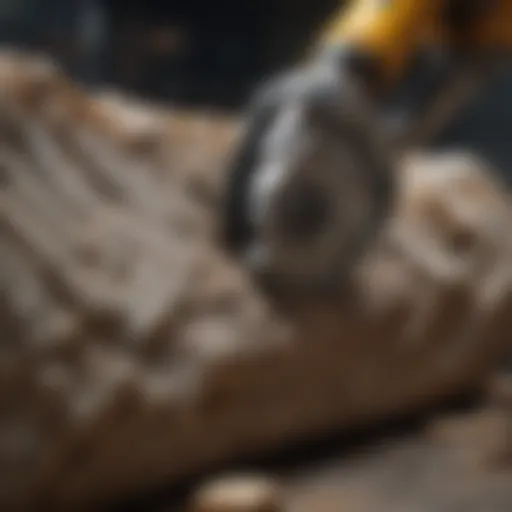
- Angle Grinder: This versatile tool excels at cutting through hard stone at high speeds. Use it with various blades to shape your stone rapidly.
- Rotary Tools: Often equipped with a variety of bits, rotary tools can perform detailed work at a scale that hand tools cannot match.
"Selecting the right tools not only affects the quality of your final piece but also shapes your ability to express creativity in stone."
Maintenance and Care of Tools
To ensure longevity and effectiveness, proper maintenance of your tools is crucial. Here are some pointers:
- Clean Regularly: Stone dust and debris can wear down tools faster. Make it a routine to clean them after use.
- Store Properly: Avoid damp areas that can rust metal tools. A dry, organized space will extend their life.
- Sharpen Frequently: A dull tool can be more harmful than useful. Regularly sharpen chisels and blades to keep them effective.
Learning Techniques
To master stone carving, understanding the tools isn't enough. Techniques play an equally crucial role in developing solid skills. Begin with basic methods, practicing every day.
Recommended Resources
For additional insights, consider visiting:
- Wikipedia - Stone Carving
- Britannica - Stone Masonry
- Reddit - Stone Carving Community
- Facebook - Stone Carving Groups
As you embark on or deepen your stone carving journey, remember that each tool and technique you acquire is a stepping stone toward artistic mastery. Whether you are a hobbyist or a seasoned professional, the world of stone carving offers a rich realm of possibilities.
Prelims to Stone Carving Tools
In the realm of stone carving, tools serve as more than mere objects; they are extensions of the artist's intent and creativity. The practice of shaping stone has deep roots in human history, intertwining art and functionality over millennia. Understanding the variety and purpose of stone carving tools is essential for both novices and seasoned professionals. Choosing the right tools influences not only the outcome of a project but also the enjoyment of the process itself.
Historical Perspective on Stone Carving
Stone carving is one of the oldest forms of artistic expression, dating back to prehistoric times when human beings first began to manipulate their environment. Ancient civilizations such as the Egyptians and Greeks used stone tools to create monumental sculptures and intricate carvings that still sparkle in the eyes of modern spectators.
For instance, the iconic Great Sphinx of Giza, hewn from limestone, reflects both technical mastery and spiritual reverence. Throughout history, these tools have evolved—the transition from rudimentary makeshift implements to sophisticated chisels and hammers represents a significant leap in artistic achievement and craftsmanship. The materials used have also shifted, with early artisans employing whatever they could find, such as flint or quartzite, before gradually adopting metals like bronze and later steel as technology progressed.
This evolution is not merely historical; it showcases the adaptability and innovation of human creativity. Each tool bears a story—a testament to the hands that shaped it and the stones that bore witness to countless artistic endeavors.
Significance of Quality Tools
The quality of stone carving tools cannot be overstated. Just as a painter considers the quality of their brushes or a chef selects their knives, so too must stone carvers choose tools that suit their specific requirements. High-quality chisels, hammers, and other implements play a crucial role in the effectiveness and precision of the work.
Purchasing subpar tools often results in frustration—dull chisels can produce jagged edges, while poorly constructed hammers may break or lead to injury. Investing in well-made tools can significantly enhance a carver's experience, allowing them to focus on their artistry rather than fighting against defective equipment.
Moreover, quality tools contribute to the longevity of the art piece itself. Stone carvings, if executed with inferior materials, may deteriorate faster over time, losing both their aesthetic and historical value. In essence, the right tools do not just facilitate work; they elevate the craft, ensuring that the beauty and intention behind each piece endure.
"Quality is not an act, it is a habit." - Aristotle
In summary, the journey into stone carving begins with a foundational understanding of the tools involved. Their significance, both historically and artistically, lays the groundwork for a deeper appreciation of this ancient practice. By choosing the right tools, regardless of one’s skill level, a carver can transform rough stone into a work of enduring beauty.
Essential Stone Carving Tools
In the intricate world of stone carving, the tools you select play a significant role in determining the outcome of your artistic endeavor. The right tools not only elevate your capabilities but also enhance the precision and quality of your work. Understanding the various essential stone carving tools is crucial, whether you are a seasoned sculptor or a budding enthusiast. With a wide array of tools available, it is vital to know which ones to prioritize based on your projects and skill level.
Having the right set means having the ability to transform raw stone into stunning pieces of art—be it a fine sculpture or a basic garden ornament. These essential tools allow artists to express their creativity, refine their techniques, and achieve desired finishes, making them indispensable in the carving process.
Chisels: The Cornerstone Tool
When it comes to stone carving, chisels are as fundamental as the sun to daylight. These meticulously crafted tools are designed to chisel away stone and create form. The variety of chisels available—ranging from point chisels to flat chisels—enables artists to shape stone with great accuracy. Point chisels are useful for removing larger amounts of material and establishing a basic shape, while flat chisels are ideal for finer details.
Chisels come in various sizes, and selecting the right size for your project is integral. Too large a chisel for delicate details may lead to unintended damage, while too small a chisel may prolong the work unnecessarily. A good rule of thumb is to have a few sizes at your disposal to accommodate various needs. High-quality chisels are often made from hardened steel, allowing them to handle the pressures of carving without becoming dull too quickly.
Hammers: Striking Techniques
A chisel is only as good as the force behind it. That’s where hammers come in, acting as the catalyst for movement. The weight and style of the hammer can greatly affect your carving technique. Carvers typically choose between a traditional masonry hammer and a more specialized round-headed hammer, depending on the task at hand.
The technique of striking is an art form in itself. A different stance or angle yields varying effects with each blow. Learning to control your hammering technique can significantly impact the result. Precision in striking enables you to manage not just the amount of stone removed but also the texture and contours being executed.
"Creating a masterpiece requires more than skill; it demands the right tools and techniques."
Rasps and Files: Smoothing and Refining
Once the primary shape of your stone is achieved, the next phase involves refining. Rasps and files are crucial for this purpose, aiding in the smoothing of rough edges and enhancing intricate details. Rasps are typically coarser than files and excel in quickly removing material, while files provide the finesse needed for detailed work.
These tools come in a variety of shapes, including round, flat, and half-round, each serving specific refining tasks. Utilizing a combination of rasps and files can greatly enhance the surface finish of your stone. Keeping these tools in good condition is also important, as a dull rasp or file may hinder your progress and the quality of the end result.
Pointing Machines: Accuracy in Scaling
For those aspiring to create larger sculptures or precise replicas of smaller models, pointing machines are indispensable. These tools help in transferring measurements accurately from a model to a larger piece of stone. Using a pointing machine involves a system of gauges and pins to ensure that proportion and scale are preserved.
By establishing three-dimensional coordinates, these machines allow for a meticulous mapping process that drastically reduces the chances of errors—turning what could be a daunting task into a systematic approach. Investing in a quality pointing machine can save artists countless hours and prevent frustrations that arise from inaccuracy in scaling.
In summary, equipping yourself with these essential stone carving tools is vital for a rewarding carving experience. Selecting the right chisels, hammers, rasps, files, and pointing machines aligns your craft with quality and finesse, allowing your creativity to flourish. As you embark on your stone carving journey, consider how these tools can elevate your work, giving you the ability to truly shape your artistic vision.
Advanced Stone Carving Tools
In the realm of stone carving, mastery doesn't just come from skill; it comes from having the right tools—tools that fit your needs and elevate your craft. While traditional hand tools form the backbone of this ancient art, it’s the advanced tools that can bridge the gap to modern efficiency and precision. Not only do they allow for quicker work, but they also open doors to more intricate designs.
By understanding advanced stone carving tools, artists can enhance their artistry by tapping into technology and innovative designs. Consideration of these tools means grappling with aspects like the material of a specific carving job, the details of your design, and the time you have at hand. Having reliable tools that suit your particular carving style leads to better craftsmanship and can significantly reduce the risk of injury.
Electric Tools: A Modern Approach
Electric tools represent a significant leap in the evolution of stone carving. They are not just novelties; they serve as essential instruments that can dramatically increase both output and detail. The buzz of an electric grinder or the hum of a rotary tool can inspire a new dimension in an artist's creativity.
- Power: These tools can remove material in a fraction of the time compared to hand tools. As a result, artists can explore larger projects that would have been exhausting using traditional methods.
- Precision: With variable speed settings and interchangeable bits, electric tools allow carvers to achieve fine detail. This adaptability makes them suited for delicate designs as well as more robust forms.
- Versatility: Electric tools can be used on various stone types, from the softest soapstones to the hardest granites. For example, a multi-tool system like the Dremel can ensure that whether you’re polishing or shaping stone, you have what you need to get the job done.
Potential drawbacks include the initial investment and the necessity for knowledge on safe operation. Furthermore, a power source is required, limiting where you can work unless you opt for battery-powered tools. However, many artists find that investing in good-quality electric tools pays dividends in time savings and quality.
Diamond Tools: Efficiency and Precision
Diamond tools have become the gold standard in the industry for both professional and hobbyist carvers. They are often perceived as expensive, but for serious stone carvers, they represent an investment in quality.
- Cutting Power: The abrasiveness of diamonds allows these tools to cut through dense stone with minimal effort. This makes them highly efficient for both small and large scale projects.
- Durability: Unlike traditional tools that dull over time, diamond tools maintain their effectiveness longer. So while you might pay more upfront, the longevity translates to better value over time.
- Accuracy: Those working on detailed projects will appreciate that diamond tools provide a smoother finish with less chipping—a necessity for refined artistry.
Choosing the Right Tools for Your Project
Selecting the appropriate tools holds paramount importance when it comes to stone carving. Each stone type, project size, and the skill set of the carver steers the choice of tools. Choosing the right tools can be a make-or-break scenario for the carving process, impacting the quality of the finished art. To that end, one must consider various factors that influence their tool selection to ensure efficiency and effectiveness.
Identifying Stone Types
Before diving into the tool selection, it’s vital to know what kind of stone you're dealing with. There’s a world of difference between working with softer stones like soapstone and harder materials like granite. Softer stones are more forgiving and require less powerful tools, which allows for finer details. For instance, a basic chisel and hammer may be sufficient for soapstone, while granite might demand diamond-tipped tools to even leave a dent.
Understanding the stone type affects not only the tool choice but also the techniques employed. For example, with softer stones, one can employ more intricate detailing since they break away easily, whereas harder stones necessitate a more aggressive approach. Choosing the right tools based on stone type ensures durability and effectiveness, allowing the artist to work confidently.
Size and Scale Considerations
Once you've identified the stone, the next crucial aspect is the size of your project. Larger stones call for more substantial tools and machinery, like pneumatic hammers or heavy-duty chisels. Conversely, if you’re working on a smaller sculpture or intricate designs, finer tools such as small chisels or rotary bits can offer greater control.
When considering scale, think about the following:
- Project scope: Is it a full statue, or a simple relief?
- Detail requirements: Larger projects might allow for broader strokes but necessitate significant detail at points.
- Physical space: Consider your workspace; can you comfortably handle larger tools?
Finding the right balance between size and tools is essential. It's about having the correct instrument for the job, ensuring that execution aligns with artistic vision.
Skill Level Assessment
The final consideration in selecting stone carving tools is your skill level. Beginners are often advised to start with basic hand tools to grasp the fundamentals of stone carving. Hammer and chisel sets, for instance, offer a hands-on approach to understand how different tools interact with stone.
As skills evolve, so too should your toolkit. Intermediate artists may begin exploring electric tools or specialized chisels. Those with advanced skills might prefer professional-grade diamond tools or even custom equipment tailored to their unique style.
In summary, it’s key to constantly evaluate your comfort and proficiency with each tool. Here’s a way to think about it:
- Newbie: Focus on hand tools, learn the basics.
- Intermediate: Integrate power tools, explore new techniques.
- Advanced: Utilize precision tools, innovate designs.
Choosing the right tools is not just about what’s available. It’s a holistic process that intertwines stone type, project size, and skill level. With careful consideration in these domains, you will enhance not just your efficiency; you’ll also nurture your creative expression in this timeless craft.
Techniques in Stone Carving
Stone carving is much more than just the act of shaping; it's an art that demands a repertoire of techniques honed over countless hours of practice. Understanding these techniques is vital for anyone looking to pursue this craft, whether you're a seasoned artist or stepping into the world of carving for the first time. The right techniques can transform a rough block of stone into a breathtaking sculpture, while the wrong approach might leave you staring at a stubborn piece of rock, frustrated and lost.
One key element of these techniques is knowing how to demand the most from your tools and materials. Each type of stone has its own unique qualities. Soft stones like limestone and soapstone are easier to shape but require different methods than tougher materials like granite or marble.
In addition to differing stones, there are varying techniques that cater to the range of carving needs—from roughing out a basic form to achieving fine details and finishes. Mastering these methods not only increases your efficiency but also enhances your artistic output, enabling you to execute your vision with precision and clarity.
Basic Carving Techniques
Basic carving techniques serve as the foundation of stone sculpting. They include methods such as roughing out, controlling the depth of cuts, and establishing a solid understanding of the stone’s grain.
- Roughing Out: This is the initial stage where you use chisels and hammers to remove large sections of stone. It’s about getting the basic shape into place. The angle and force you apply are crucial, as they determine how much material is removed with each strike. Beginners often find it helpful to start with larger tools and gradually switch to smaller ones as the piece takes shape.
- Controlling Cuts: The depth and angle of your cuts can affect the overall aesthetics of your work. Keeping your hands steady and maintaining a consistent movement can help achieve a cleaner line. Consider practicing on scrap pieces to get a feel for how different tools interact with various stones.
- Understanding the Grain: Each stone type has a unique internal structure. Learning to recognize the grain can help you determine the best way to carve, affecting both the strength and beauty of the final piece.
"The stone reveals itself to those who have the patience to listen."
Detailing and Finishing Techniques
Once the basic shape has been established, detailing and finishing techniques come into play. These techniques are where the true artistry shines through and can make or break the finished product.
- Smoothing Techniques: Tools like rasps and fine files are great for smoothing out surfaces. These tools help eliminate the marks left by hammers and chisels, refining the surface. Using a systematic approach, working from coarse to fine can yield a glossy finish that showcases the stone's natural beauty.
- Texturing: Adding texture can greatly enhance the visual interest of a piece. Techniques such as stippling, where tiny pits are created on the surface, can add depth and shadow, making certain areas pop visually.
- Polishing: This is the final touch and can dramatically change the look of your work. Certain stones respond well to polishing with different grits of abrasives. The high level of shine achieved not only beautifies the piece but also helps protect it from environmental wear.
In summary, the techniques used in stone carving are diverse and layered. Whether you are starting with basic methods or diving into the intricate detailing and finishing, each step requires practice and understanding. By mastering these techniques, you not only elevate your artistic expression but also deepen your relationship with the medium and enrich the overall stone carving experience.
Maintenance and Care of Stone Carving Tools
When it comes to stone carving, having the right tools is just half the battle. Keeping those tools in prime condition is equally, if not more, important. The maintenance and care of stone carving tools ensure their longevity, efficiency, and performance during the crafting process. While it might seem like a secondary concern, proper upkeep can make a significant difference in the results achieved. Whether you are a seasoned carver or just starting out, understanding the importance of maintenance is crucial for enhancing your skills.
Cleaning Guidelines
Every artist knows that clean tools perform better. After a long day of carving, a layer of stone dust and debris builds up on chisels, hammers, and files. This not only affects the performance but can lead to rust and deterioration over time. Here’s how you can keep your tools spotless:
- Brush Off Excess Debris: After each use, take a stiff brush to remove any loose stone particles. This quick action can prevent buildup.
- Soapy Water Bath: For a deeper clean, soak your tools in warm, soapy water for about 15-20 minutes. Use a soft cloth or sponge to wipe them down, which helps remove stubborn residues.
- Rinse and Dry Thoroughly: Rinse with clean water and dry them immediately with a cloth to prevent any staining or rust.
"A clean tool is a happy tool. Keep your tools in top shape to craft your best work!"
Storage Best Practices
Proper storage is another key element in maintaining your stone carving tools. The right storage solution can protect your tools from damage, enable easy access, and extend their life. Consider these tips:
- Toolbox or Chest: Store your tools in a sturdy toolbox or chest. This helps in keeping them organized and protected from environmental factors.
- Avoid Moisture: Always keep tools in a dry place. Moist environments can lead to rust, especially on metal components like chisels.
- Wrapped or Padded Storage: For chisels and delicate tools, consider wrapping them in soft cloth or keeping them in padded pouches. This can prevent accidental nicks and scratches.
Sharpening Techniques for Longevity
Sharp tools are essential for achieving clean, precise cuts in stone. Dull tools not only make your work harder but can also pose safety risks. Here are some effective sharpening techniques to elongate the life of your tools:
- Use a Diamond File: For chisels, a diamond file can be incredibly effective. It removes material slowly, letting you achieve the right sharpness without overdoing it.
- Consistent Angle: When sharpening, maintain a consistent angle (usually around 15-20 degrees) for better results.
- Stropping: Once sharpened, use a leather strop to polish the edge. This step can significantly improve the cutting performance of your tools.
In summary, the care you provide for your stone carving tools mirrors the dedication you exhibit in your art. By regularly cleaning, properly storing, and carefully sharpening your tools, you not only extend their lifespan but also enhance the overall quality of your carvings. Remember, a well-maintained tool is a reflection of a true craftsman.
Safety Measures in Stone Carving
When we delve into the intricate art of stone carving, one can't skim past the vital aspect of safety measures. This is not just a matter of wearing goggles; it weaves into the very fabric of creating a safe environment that allows artists to express their creativity without the specter of accidents looming over them. The potential hazards loom large; dust, sharp tools, and flying stone chips can easily transform an enjoyable hobby into a perilous venture. Thus, understanding and implementing safety protocols ensures that both novice and seasoned carvers can focus on their craft without undue worry.
Protective Gear
When it comes to protective gear, consider it your first line of defense. Not wearing the right equipment can turn a simple mishap into a disaster in the blink of an eye.
- Safety Glasses or Goggles: Protecting your eyes should be non-negotiable. Whether you're chiseling away at a block of granite or using diamond tools, flying debris is inevitable. Safety glasses help shield your eyes from shards that can end up doing significant harm, not to mention any flying dust that can irritate.
- Dust Masks or Respirators: Breathing in stone dust can be likened to inviting a persistent cough or worse into your life. Fine particles like silica pose health risks that accumulate over time. A good dust mask keeps your lungs safer, ensuring you breathe clear air while carving.
- Ear Protection: Electric tools can be quite noisy. Prolonged exposure might lead to hearing damage. Simple earplugs or earmuffs can spare your hearing, especially during longer carving sessions.
- Cut-Resistant Gloves: While it might be tempting to go barehanded for better tool control, it’s prudent to wear gloves designed to resist cuts and abrasions. They provide a safety cushion against sharp edges while still allowing for enough dexterity to maintain your craft.
By piecing together these items of protective gear, you’ll create a sort of armor that lets you carve confidently, knowing you are well safeguarded against common hazards.
Workspace Safety Protocols
Your workspace is not merely a place where tools and stone materials converge; it plays an enormous role in ensuring safety as well. The setup, organization, and character of your work environment often dictate how safe and productive you will be.
- Organized Work Surface: Clutter can be a cascade waiting to happen. Always ensure tools are organized and easy to reach. A messy surface can hide hazards, making it easier to get injured. Creating designated spots for tools might seem trivial, but it cuts down on accidents drastically.
- Good Lighting: Impaired visibility leads to mistakes, which can turn catastrophic quickly. Ample lighting allows accurate carving, reducing the risk of mishaps. If natural light falls short, consider additional lamps that increase visibility across your workspace.
- Sturdy Workbench: Your workbench should be sturdy enough to withstand robust impacts from hammers and chisels. Avoid unsteady tables as they can cause accidents. An anchored work surface helps to stabilize the stone while you carve, minimizing the chance of slipping.
- Ventilation: Dust and fumes should have an escape route. Proper ventilation is indispensable when working with power tools. Open windows or, if in an enclosed setting, consider a fan or exhaust system to keep air clean.
- Emergency Kit: It’s all good and well to be prepared, but accidents can still happen. Keeping a first aid kit close at hand means you can act swiftly in case of minor injuries. Band-aids for cuts or antiseptic wipes can ease a moment of panic and prevent infections.
Implementing these workspace safety protocols not only promotes a safe carving environment but can also enhance your overall effectiveness and comfort as you work.
The craft of stone carving, though beautiful, requires a consideration of safety measures that should never be neglected. Equipment for protection and a well-organized workspace pave the way for both creativity and security in your artistic endeavors.
Resources for Stone Carving Enthusiasts
When diving into the world of stone carving, having the right resources at your fingertips can make all the difference. Various tools and techniques are critical to mastering this intricate craft. But beyond just picking up the chisel and hammer, embracing a wider array of resources can offer invaluable insights and support to artists, whether they're just starting out or are seasoned professionals.
Resources for stone carving enthusiasts touch on several key elements: education, community, and practical experience. Each of these factors is crucial for nurturing skills and expanding one’s creativity.
Books and Literature
Books on stone carving range from basic instructional manuals to advanced design concepts. Titles such as "The Complete Book of Stone Carving" provide foundational knowledge, while books like Sculpting in Stone delve into more nuanced techniques. Literature often includes step-by-step guides, illustrated examples, and insights from renowned masters in the field. Reading materials serve as a silent mentor, shedding light on traditional practices and contemporary methods alike.
In addition to practical how-tos, many books explore the history and philosophy behind stone carving. Understanding the cultural significance of stone as an artistic medium can deepen appreciation for the craft. Engaging with this literature encourages enthusiasts to reflect on their own work and influences.
Online Communities and Forums
The internet offers a treasure trove of platforms where stone carving enthusiasts can connect, share, and learn from each other. Websites such as Reddit have dedicated forums like r/StoneCarving where members showcase their latest projects and exchange tips. Here, one can pose questions about specific techniques, tool recommendations, or troubleshooting issues—interacting in real time with a diverse community of passionate carvers.
Online platforms also host discussions about important topics like tool maintenance, material selection, and the evolution of different styles in stone carving, enhancing knowledge and sparking inspiration. Joining groups on platforms like Facebook, notably the Stone Sculptors' group, not only offers camaraderie but also provides avenues for feedback and collaboration.
Workshops and Courses
Participating in workshops and courses can be a game changer for those looking to elevate their stone carving skills. Many art schools and community colleges offer classes tailored to all skill levels. These sessions often feature hands-on training, allowing an individual to try various techniques under the guidance of experts. Workshops might focus specifically on techniques such as carving with chisels or finishing techniques, allowing participants to hone specific skills.
Moreover, attending a workshop provides a chance to network with other artists and share experiences that shape one's own artistic journey. Real-life engagements foster a sense of community that online resources can sometimes lack. After all, nothing beats the feeling of learning from a master artisan face to face.
In summary, the resources available for stone carving enthusiasts are vast and varied, serving to educate, connect, and inspire. By tapping into books, participating in online forums, or enrolling in workshops, one can cultivate a richer understanding of the craft and continually improve their skills. Whether you are just starting to dabble in stone carving or have already begun to leave your mark on the stone, these resources are essential stepping stones in the journey toward mastery.
The Future of Stone Carving Tools
The path ahead for stone carving tools is paved with innovation and sustainability, reshaping how artists approach the craft. As technology advances, so too does the capacity to explore new methods and enhance traditional techniques. This metamorphosis in tool development sparks a conversation about the blend of old craftsmanship with modern technology, offering fresh avenues for creativity in stone carving.
Innovative Technologies
Innovation in stone carving is not merely a fanciful notion but a tangible reality transforming the tools available to sculptors today. For instance, the integration of computer numerical control (CNC) machines into stone carving practices epitomizes cutting-edge technology at work. CNC machines allow for an unparalleled accuracy that was previously the domain of highly skilled artisans alone. With intricate designs being translated from digital models into precise carvings, even the novice can achieve remarkable results.
Additionally, tools equipped with diamond bits have revolutionized the carving process, as their durability and effectiveness allow for smoother finishes without excessive labor. Modern pneumatic tools, which use compressed air to enhance the efficiency of chiseling, have cut down not only physical exertion but also the time spent on intricate detailing. These advancements mean that artists can allocate more focus to the creative elements of their work instead of struggling with tools.
"As technology progresses, the line between traditional artistry and modern innovation becomes increasingly blurred, opening exciting possibilities for both experienced and budding stone carvers."
Furthermore, augmented reality (AR) applications are being explored to assist carvers in visualizing their projects before a single chip of stone is removed. These technologies not only facilitate meticulous planning but also enhance learning opportunities for those eager to hone their skills. Such tools can serve as vital aids, offering visual guides that can avert missteps in the carving process.
Sustainable Practices in Tool Production
Sustainability cannot be an afterthought in today's world, and the stone carving community is beginning to embrace this idea wholeheartedly. The conversation around sustainable practices in tool production emphasizes the need to source raw materials responsibly and minimize environmental impact. This is becoming increasingly relevant as more artisans seek brands that respect ecological principles.
Several manufacturers have started to consider recycled or sustainably sourced materials in their tools. For instance, some companies produce chisels using metallurgical processes that prioritize low emissions and recycled metals. This shift not only benefits the environment but ensures that crafters can feel good about the tools they use.
Moreover, biodegradable alternatives in tool handles, often crafted from wood sourced from sustainably managed forests, are rising in popularity. Such choices offer craftspeople ways to connect with their materials while still considering future generations.
Adopting green practices also aligns with a growing trend within the artisan community where craftsmanship goes hand-in-hand with responsibility. Stone carvers are increasingly leaning into the practice of using non-toxic coatings and finishes, ensuring not only personal safety but also reducing harmful chemicals that might affect the surrounding environment.
In the era of eco-conscious living, embracing sustainable practices in tool production represents a forward-thinking approach that aligns with the values of many modern artisans. As these practices gain foothold, they inspire accountability and conscientiousness within the crafting community, echoing the sentiments of a more responsible approach to art and creation.
Finale
In this exploration of stone carving tools, we reach a pivotal moment that emphasizes the significance of mastering not just the tools, but also the artistry intertwined with them. The ability to shape stone into tangible expressions of creativity is fundamentally an interplay between skill and the quality of one's tools. Tools are more than just implements; they are an extension of the artist's vision and an essential element in actualizing that vision.
Navigating through the myriad of available tools—whether traditional chisels and hammers or modern electric options—highlights a spectrum of choices that cater to various styles, capacities, and project scales. Making informed selections can make the difference between a competent finish and a masterpiece. Not to mention, understanding the specific applications of each tool guides enthusiasts to optimize their carving approach effectively.
This journey doesn't just end with tool selection, however. The maintenance of these tools can significantly impact their longevity and performance; after all, a well-maintained tool makes for a smoother, more enjoyable carving experience. Regular sharpening, cleaning, and the proper storage methods extend the life of tools, ensuring that they serve faithfully throughout numerous projects.
An artist's pathway is filled with unique challenges, and each project brings its own lessons. As we close this guide, let us remember that stone carving is a continuous learning curve. Engagement with communities, whether through workshops or online forums, provides valuable insights and shared wisdom. Collaboration with other artists, exchanging tips, and learning varied techniques fosters growth in this intricate craft.
The journey of stone carving is, at its core, a testament to patience and precision, encouraging artists to refine their skills and discover their true potential.
As we reflect on the art of stone carving, let us embrace every facet of this craft—each tool, technique, and bit of knowledge—as stepping stones towards greater expression and creativity. Here’s to an ongoing exploration of stone, shaping not just materials, but the very essence of artistry.