The Allure of Dinosaur Bone Pendants in Jewelry
Intro
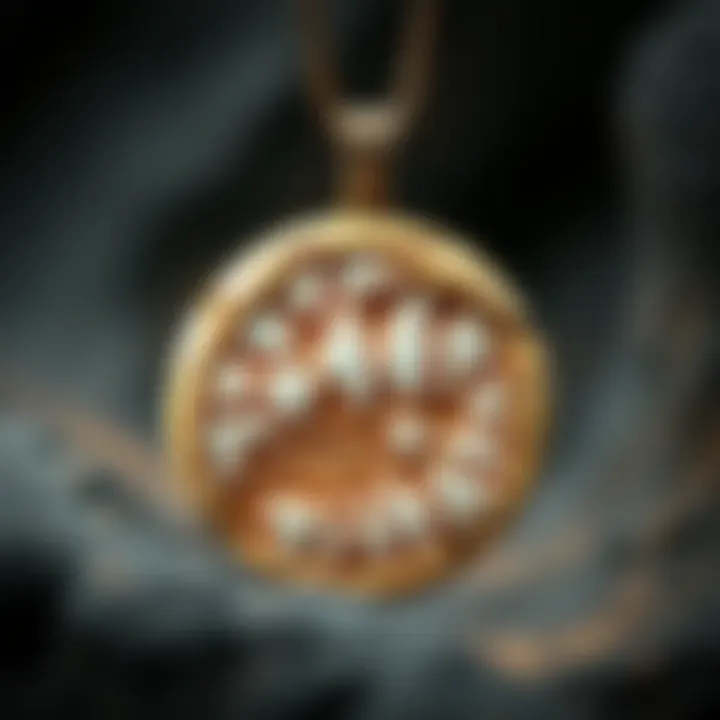
Dinosaur bone pendants have become more than just simple accessories; they’ve evolved into cherished collectibles that marry the worlds of science and personal expression. As people search for distinctive ways to express their individuality, these pendants represent a tangible connection to a time long past—a time when colossal creatures roamed the Earth. This fusion of earth's ancient history with modern craftsmanship heightens their allure, drawing not just jewelry enthusiasts but also paleontology aficionados.
In this exploration, we will delve into key aspects of dinosaur bone pendants, from their geological origins to their cultural significance in contemporary society. We also examine the techniques used in their creation and how these pieces hold deeper meaning for collectors and casual wearers alike.
Overview of the Topic
Definition of key terms
Dinosaur bone pendants are jewelry pieces made from the fossilized bones of dinosaurs, often polished and shaped into pendants that can be worn as necklaces or other forms of adornment. Each pendant typically tells a story, reflecting the unique history of the dinosaur it originated from, alongside the geological processes that preserved it.
Historical significance
The significance of dinosaur bone extends back to the early 19th century when paleontology first began establishing itself as a discipline. Early fossil discoveries ignited public imagination, ushering in a wave of interest in prehistoric life. By the 20th century, not only science but also art and culture began to embrace fossils. Today, dinosaur bone pendants encapsulate this dual heritage of natural history and craftsmanship, symbolizing a profound bond between humanity and the ancient world.
"Each piece of jewelry tells a story, an echo of lives that existed millions of years ago."
Types of Collectibles
Classification of different collectibles
Dinosaur bone pendants belong to a broader category of collectibles that includes various fossilized materials. Collectibles can fall into subdivisions such as:
- Fossilized wood: Ancient trees preserved in amber.
- Shark teeth: A popular choice among collectors, often found in various sizes and states of preservation.
- Ammonites: Coiled shells of ancient mollusks that have become highly sought after for their intricate patterns.
Notable categories
Focusing closely on dinosaur bone pendants, you can find them categorized generally as:
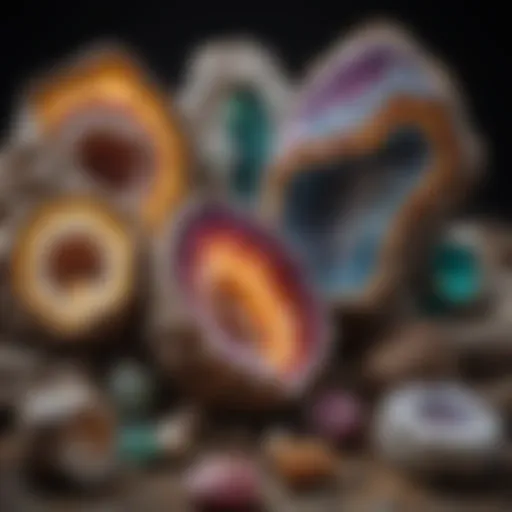
- Sliced Dinosaur Bone: Exhibiting cross-sections that reveal intricate cellular structures, often showcasing vibrant mineral colors.
- Polished Fossilized Specimens: These are expertly polished to bring out the natural beauty of the bones, turning them into works of art.
- Custom Artisan Pieces: Crafted by independent artisans who integrate personal designs with genuine fossil materials.
Dinosaur bone pendants serve not only as beautiful jewelry but also as portals to another age, each piece resonating with the echoes of the Earth's distant past. Collectors and new enthusiasts alike find themselves drawn into the stories these artifacts tell, craving connections that stretch across millennia.
Prolusion to Dinosaur Bone Pendants
Dinosaur bone pendants have carved out a unique niche in the world of jewelry, igniting a fascination that spans across both paleontological enthusiasts and fashion-forward individuals alike. These captivating pieces don’t just adorn the neck; they tell a story—a story that connects the ancient past with modern artistry. The allure of wearing a piece of history captivates many, transforming the mundane act of accessorizing into a profound experience.
The importance of understanding dinosaur bone pendants lies in their rich cultural context and the scientific intrigue that underpins them. For collectors and aficionados, each pendant acts as a conduit to an age when giants roamed the earth, fostering a deep connection with a time far removed from our daily lives. This aspect is especially significant for rock and fossil collectors, who not only recognize the aesthetic value of these artifacts but also their historical and scientific weight.
Moreover, the craftsmanship involved in creating these pendants is remarkably intricate. Artisans often use a variety of techniques, amalgamating traditional skills with contemporary design elements to provide pieces that are both visually striking and steeped in geological significance. This multifaceted creation process underscores the symbiotic relationship between art and science, illustrating how ancient relics can inspire modern creativity.
In this exploration, we'll delve into the composition of dinosaur bones and the artistic methods employed in crafting pendants. By guiding readers through key discoveries in paleontology and the cultural impact these ancient remains have had, we aim to underscore the broader implications of wearing jewelry that symbolizes connections to long-extinct creatures.
Ultimately, understanding the significance of dinosaur bone pendants requires one to recognize how they encapsulate the intersection of nature and art, history and style. Engaging with this subject invites collectors and admirers alike to reflect on their own relationships to the natural world and the echoes of the past that resonate within these fascinating pieces.
"A pendant is not just a piece of jewelry; it's a window into the past, a story waiting to be told."
As we journey further into this exploration, we will uncover not only the essence of dinosaur bone as a material but also the broader impacts these pendants have within both the jewelry industry and the hearts of those who choose to wear them.
Understanding the Material: Dinosaur Bones
The allure of dinosaur bone pendants often begins with a fundamental understanding of the material itself. Dinosaur bones are not just remnants of the past; they embody a richly layered history that connects us to a world long gone. Knowing more about these bones enriches our appreciation for the pendants made from them.
When considering dinosaur bones in the context of jewelry, various specific aspects become crucial. Apart from their aesthetic value, such components can offer insight into the unique geological history of our planet. Dinosaur bones are composed primarily of mineralized tissue, often rich in elements such as calcium and phosphorus. This composition not only contributes to their physical beauty but also to their durability as a material for crafting jewelry.
Furthermore, the various hues and textures stemming from fossilization can influence designs. Jewelers skillfully harness these qualities; for example, the vibrant colors formed through mineral replacement give every pendant its distinctive character. This natural variation means no two pieces are the same, making each pendant a significant artifact of personal history—something collectors and enthusiasts cherish deeply.
Moreover, understanding the geological context and age of these bones is essential for prospective buyers and collectors. Each pendant tells a story, influenced by its origin and the unique conditions under which it fossilized. Such knowledge arms enthusiasts with the ability to make informed purchasing decisions and fosters a deeper connection with the ancient life encapsulated within each piece.
"Dinosaur bones serve as tangible links to an era that's both distant and fascinating, igniting curiosity and admiration for earth's grand history."

The Composition of Dinosaur Bones
Dinosaur bones are primarily composed of a mineral structure known as hydroxyapatite, which is a type of crystalline calcium phosphate. This mineral gives bones strength and rigidity, allowing them to withstand the rigors of a prehistoric environment. As these bones undergo fossilization, organic materials diminish, giving way to minerals that gradually fill the cavities and cellular structures, creating a preserved form of the original bone.
The specific composition can vary widely based on several factors:
- Type of Dinosaur: Different species exhibit unique bone compositions, reflecting their diets and habitats.
- Geological Conditions: The conditions under which the bones were buried—temperature, pressure, and groundwater influence mineral content.
- Time: The duration over which fossilization occurs also affects the chemical breakdown and mineral replacement of the original organic material.
Fossilization Process Explained
Fossilization is a complex, multi-step process that transforms organic remains into stone-like replicas over millions of years. This process involves several key stages:
- Burial: When a dinosaur dies, its body needs to be buried quickly to prevent decay and scavenging. Sediment covers the remains, protecting them from the elements.
- Mineralization: Over time, groundwater rich in minerals seeps into the bone. The organic material decomposes while minerals crystallize, leading to a gradual replacement of the bone structure with these minerals.
- Compaction: Layers of sediment build up, exerting pressure on the remains. This pressure causes further changes to the chemical composition of the bones and helps to solidify them into fossilized forms.
- Erosion and Discovery: Eventually, geological processes such as erosion may expose these fossils, leading to their discovery by paleontologists or collectors.
Understanding these processes not only informs collectors about the significance of the materials but also emphasizes the rarity of these fossils. The intricate journey from bone to pendant adds layers of meaning to the jewelry, elevating it from mere adornment to a storied piece of art.
Historical Context of Dinosaur Bone Discovery
Understanding the historical context of dinosaur bone discoveries is crucial in appreciating the journey that these fossils have taken to become cherished pieces of jewelry today. The excitement and curiosity surrounding these ancient remnants extend beyond mere scientific inquiry; it touches on culture, craftsmanship, and the very essence of storytelling through art. This section delves into two vital aspects: the key discoveries in paleontology that have shaped our comprehension of dinosaurs, and how those findings have permeated into the cultural fabric of society, ultimately leading to the emergence of unique artifacts like dinosaur bone pendants.
Key Discoveries in Paleontology
The story of dinosaur bones is really a tale of discovery that started many years ago. The first notable finds can be traced back to the early 19th century when paleontologists like Gideon Mantell and Richard Owen began identifying fossils in England. You see, in those days, dinosaurs weren't yet well understood; they were just strange, large bones that captured the imaginations of many.
One landmark discovery was the Iguanodon, a plant-eating dinosaur whose remains ignited discussions about prehistoric life. Owen's coining of the term "dinosaur" in 1842 further propelled interest, inspiring countless expeditions.
Later, in North America, fossils like those of Tyrannosaurus rex and Triceratops were unearthed, captivating the public's fancy. Each of these discoveries added a puzzle piece to a vast picture that scholars started to assemble, showcasing the immense diversity of dinosaurs roaming the Earth millions of years ago.
The significance of these findings cannot be understated. They not only shed light on the biological history of our planet but also influenced scientific thought, sparking a frenzy of interest in both science and art. As specimens began to appear in museums, the public's imagination was captured, resulting in a burgeoning fascination with paleontology.
For instance, the American Museum of Natural History became a kitten to the world of curious minds eager to learn about these giants. People from all walks of life began to seek out dinosaur-themed souvenirs, with dinosaur bone pendants emerging as a unique offering in this expanding market.
Cultural Impact of Dinosaur Discoveries
The discoveries of dinosaur bones didn’t just stop at a scientific level; their impact rippled through popular culture and arts. From literature to cinema, these ancient beasts became motifs of creativity. Who hasn't heard stories or viewed movies featuring fearsome dinosaurs brought back to life through CGI? The cultural phenomena that dinosaurs sparked have ensured their place in our collective psyche.
- Through novels like **Sir Arthur Conan Doyle’s
Crafting Dinosaur Bone Pendants
The act of crafting dinosaur bone pendants is not just an artistic endeavor; it intertwines skill, knowledge, and a deep reverence for the past. These pieces of jewelry do more than adorn the wearer; they encapsulate epochs long gone, and bring to life the stories buried within the earth for millions of years. Understanding how these pendants are created is essential not only to appreciate their beauty but also to recognize the intricacies of the craftsmanship involved.
Artisan Techniques in Jewelry Making
Creating dinosaur bone pendants involves diverse techniques that highlight the artisan's skills and creativity. Each pendant is often a unique piece of art, as the nature of the bone itself comes with its own textures and colors.
- Material Preparation: Once a piece of dinosaur bone is sourced, it undergoes a meticulous preparation process. This may include cleaning, cutting, and polishing to reveal the stunning internal patterns. Artisans often work with hand tools or sometimes machinery, depending on the complexity of the design they wish to achieve.
- Inlay and Setting: For some pendants, artisans will integrate other materials like silver or gold to enhance the dinosaur bone. This juxtaposition not only accentuates the natural beauty of the bone but also adds a contemporary flair to a product derived from an ancient source.
- Finishing Touches: After shaping the pendant, the finishing stage is vital. This involves smoothing the edges and applying a protective sealant. This step safeguards the pendant against wear and tear, ensuring that the historical narrative continues to resonate with the wearer.
Craftsmanship in jewelry making is where the past meets the present, creating pieces that tell a story.
The importance of these techniques lies in the tender balance between reverence for the material's origins and the visionary designs that capture today’s aesthetics. Each handmade piece resonates with both comfort and a tie to the earth's ancient history.
Design Inspirations from Nature
The beauty of dinosaur bone pendants often draws inspiration from nature, echoing the themes of the environment in which these ancient creatures once roamed.
- Organic Forms: Just like any great piece of art, many pendants mimic the forms found in nature. The swirling patterns in the fossilized bone may remind one of the rippling waters of a stream or the rugged surfaces of mountain ranges. This organic connectivity between the past and the surroundings can bridge an emotional link for the wearer.
- Color Palette: The hues present in dinosaur bones are varied and often mimic those found in earth tones—deep browns, muted greens, and warm yellows. Artisans often play with these colors, utilizing them as a natural color palette that enhances the earthiness of the piece.
- Features of Life: Many designs celebrate the flora and fauna that existed alongside the dinosaurs. By incorporating motifs from the natural world, like leaves or animal tracks, artisans craft interactive pieces that invite wearers to ponder the past and their connection to it.
In crafting dinosaur bone pendants, the marriage of past and present, nature and creativity, serves to remind us that we are indeed part of an intricate web of life that has changed, evolved, and will continue to do so.
The Appeal of Dinosaur Bone Jewelry
The allure of dinosaur bone jewelry lies not just in its striking appearance but also in the stories it carries from a distant past. Each pendant serves as a tangible link to creatures that roamed the earth millions of years ago, allowing wearers to wear a piece of history. This unique intersection of science and art captivates both collectors and casual jewelry enthusiasts alike.
Dinosaur bone as jewelry material appeals to those who appreciate individuality. Unlike standard gemstones, every piece of dinosaur bone displays distinct colors and patterns formed over eons. The deep hues of burnt umber, muted beige, and even the occasional vibrant splash amidst the earthy tones create a visual feast. These unique patterns make each pendant a one-of-a-kind artifact, sparking curiosity and conversation among those who admire them.

The fascination isn’t only skin deep; it also touches deeper emotional and symbolic layers. When someone wears a dinosaur bone pendant, they often feel a connection to a world long vanished. This leads to a sense of nostalgia and reflection on life's vastness and fragility. Moreover, jewelry made from ancient relics is often perceived as having an aura of mystique that more common materials lack.
Aesthetics and Unique Patterns
The aesthetics of dinosaur bone pendants draw in admirers more effectively than a moth to a flame. Each piece generally showcases swirling bands and intricate designs formed through natural processes over thick geological durations. This natural art is not just visually arresting but signifies the long journey these materials have taken.
- Color Dynamics: The colors found in dinosaur bone are a blend of the minerals that leached into the bones over millions of years. This layering process results in a mosaic of shades that can be mesmerizing.
- Patterns of History: From the structure of the bone itself to its mineral-rich surroundings, every pendant can tell a story that reflects how the fossil formed. No two bones are identical, which allows for unique storytelling through jewelry.
When a person wears a pendant, they wear a snapshot of time, conveying something personal. Not just ornamental, these jewelry pieces often evoke a sense of wonder and inspire a deeper appreciation for nature and history.
Symbolism in Wearable Fossils
Beyond aesthetics, dinosaur bone jewelry carries a rich tapestry of symbolism. Wearing such pendants often denotes a connection to the earth, embracing the deep history etched in every fiber of the fossilized material. Additionally, it symbolizes curiosity and a thirst for knowledge about the world. Here are a few symbolic meanings attached to these remarkable pieces:
- Connection to Ancestors: For some, dinosaur bones represent a bridge to their past—an acknowledgment of life's continuity and the many forms it has taken.
- Embracing Change: Fossils are a reminder that life evolves. Thus, wearing such jewelry can symbolize resilience and the ability to adapt, ideals that many find empowering.
- Celebration of Nature: Lastly, these jewelry pieces also act as a homage to the planet’s rich history and the beautiful environments that sustained these magnificent creatures.
"Wearing dinosaur bone pendants connects us to the earth's history, reminding us of the unstoppable forces of nature."
In summary, the appeal of dinosaur bone jewelry transcends surface beauty. It encompasses artistry, personal connection, and profound symbolism. These pendants serve not only as adornments but also as mementos of an ancient world, inviting conversation, curiosity, and admiration from all who encounter them.
Market Trends in Dinosaur Bone Pendants
The realm of dinosaur bone pendants has become increasingly captivating, reflecting a blend of history and modern craftsmanship. This section will delve into the current market trends surrounding these unique pieces of jewelry, revealing how both collectors and casual buyers are shaping the landscape.
Collecting as a Trend
Collecting dinosaur bone pendants has not merely emerged as a fleeting trend but rather as a persistent hobby that captivates enthusiasts seeking something beyond ordinary jewelry. The cultural context adds heft to this trend; each pendant tells a story from a time long past, inviting wearers to connect with ancient history.
- Nostalgia and Curiosity: People are drawn to these pendants due to their narrative quality. They encapsulate the allure of Earth's prehistoric secrets, bridging the gap between science and art.
- Social Proof: With social media platforms like Instagram and Facebook allowing collectors to showcase their treasures, a community has flourished around this niche. Sharing pieces often leads to increased interest and even competition among collectors. Taken together, these factors contribute to a burgeoning culture of collecting where the stories behind the bones are held in just as high regard as the jewelry itself.
Evaluating Value and Rarity
As the demand for dinosaur bone pendants grows, so does the necessity for evaluating their value and rarity accurately. Factors contributing to this include the age of the fossil, the type of dinosaur, and the craftsmanship behind each piece.
- Rarity: The older and more unique the fossil material, the higher its value. Fossils from less common species often fetch a premium price, driven by collector interest.
- Condition: A well-preserved piece is generally more desirable. Breaks, chips, or repairs in the pendant can significantly diminish value.
- Artisan Crafting: The skill involved in turning fossilized bones into jewelry plays a crucial role in determining worth. Talented artisans boast their techniques, enhancing the pendant's allure.
In the end, potential buyers should thoroughly research and seek reputable sources and dealers to ensure they make informed purchases. Educating oneself on the nuances of the market can mitigate risks associated with investments in these beautiful yet ancient treasures.
Understanding the dynamics of the dinosaur bone pendant market empowers collectors to make better choices, appreciating not just the aesthetic appeal but also the historical significance of their pieces.
Ethical Considerations
The topic of ethical considerations in the realm of dinosaur bone pendants is not only relevant but vital. As interest in these unique pieces of jewelry grows, so does the responsibility associated with sourcing and selling them. It is essential for both collectors and artisans to engage with practices that reflect a respect for the history and provenance of these ancient materials.
Sourcing Dinosaur Bones Responsibly
When it comes to sourcing dinosaur bones, the primary concern should always be the way in which these fossils are obtained. Collectors should seek to buy from suppliers who offer transparency about the origins of their materials. This involves verifying whether the bones are from legal excavations or reputable sources, as there are legal ramifications to consider concerning fossil trade.
A responsible approach includes checking that the fossilized bones do not come from protected areas or are removed without proper authorization. Many fossils are preserved in locations where geological significance is paramount. Artisans and collectors ought to ensure they are not contributing to the unlawful destruction of vital paleontological sites, which can hold crucial information about ancient ecosystems.
Additionally, some organizations advocate for ethical sourcing guidelines. Joining such groups or adhering to their principles not only fosters an environment of trust but also promotes sustainability within the industry. Collectors might also explore partnerships with museums or educational institutions that can provide guidance on responsible collecting.
Regulatory Framework in Fossil Trade
Navigating the regulatory landscape of fossil trade can be complex, but understanding it is crucial for anyone intending to buy or sell dinosaur bone pendants. Different countries have varying laws regarding the ownership, export, and sale of fossils. For instance, in the United States, the Bureau of Land Management restricts the removal of fossils from public lands, and violators may face significant penalties.
Countries like Canada and Australia implement strict regulations to prevent fossil trafficking. As such, knowing the legal framework governing fossil trade helps avoid potential legal repercussions, ensuring that enthusiasts engage responsibly with their passions.
Moreover, emerging movements push for reforms that emphasize the conservation of fossilized materials. Legislation is also evolving worldwide to enhance traceability in the trade of dinosaur bones. Collectors and artisans can contribute to ethical practices by advocating for transparent sources and supporting legislation that safeguards fossils.
"The ethics of collecting fossils lies in ensuring that we respect both their origin and the environment that holds these traces of our planet's history."

Caring for Dinosaur Bone Pendants
Caring for dinosaur bone pendants is not just about keeping them shiny and presentable. It’s about preserving a piece of history and ensuring that these intriguing artifacts can be appreciated for years to come. These pendants are not mere accessories; they carry within them the stories of mighty creatures that roamed the earth millions of years ago. Hence, understanding how to properly care for them is paramount for any collector or enthusiast.
One key aspect of caring for dinosaur bone pendants is regular maintenance. These pendants are made from fossilized materials which can be sensitive to environmental factors. Proper cleaning can enhance their natural beauty and preserve their integrity. Additionally, safe storage practices can prevent accidental damage, preserving the unique patterns and colors that make each piece special. Here are a few fundamental practices to keep in mind:
Cleaning and Maintenance Tips
- Gentle Cleaning Method: Use a soft, dry microfiber cloth to gently wipe down your pendant. This will remove dust and oils without causing scratches. If your pendant is particularly soiled, slightly dampen the cloth with water or a mild soap solution, but be careful not to soak the bone.
- Avoid Harsh Chemicals: Stay away from any cleaners that contain alcohol or acetone as these can damage the fossilization. It's better to keep things simple; natural products are often the safest bet.
- Inspect Regularly: Check your pendant periodically for any signs of wear or damage. Early detection can prevent larger issues down the line.
- Keep Away from Extreme Conditions: Like most natural materials, dinosaur bones can be affected by temperature and humidity changes. Avoid exposing your pendants to high heat, direct sunlight, or excessive moisture. These conditions can lead to cracking or discoloration.
- Consider a Professional Clean: If your pendant is heavily soiled or you’re unsure how to care for it, consulting a professional jeweler or a paleontological conservator is advisable. They will have the necessary skills and tools to clean your pendant without risking damage.
Storage Best Practices
Proper storage is equally essential in maintaining the condition of your dinosaur bone pendants. Here are some recommendations on how to store these pieces safely:
- Use Soft Pouches: Store your pendants in soft, non-abrasive pouches made from materials like cotton or velvet. These pouches will prevent scratches and offer an extra layer of cushioning.
- Avoid Hanging: Instead of hanging your pendants where they can swing and rub against each other, place them flat in a box or a display case. This prevents unnecessary wear from friction.
- Label and Organize: If you have multiple pendants, considering labeling them with information about the source or characteristics. It allows you to keep a record of your collection and makes it easier to find specific pieces.
- Control the Environment: Store pendants in a cool, dry place. If possible, use a display case with humidity control to prevent moisture from affecting the fossil material.
- Regular Review: Take a moment every so often to check on the condition of your storage area. Ensuring things are in order can save you from potential future issues.
"The beauty of fossils is in their stories—preserving them ensures those tales can endure time."
By prioritizing the care of dinosaur bone pendants, collectors are not just engaging in maintenance; they’re participating in the stewardship of ancient history. With the right practices for cleaning and storing these unique pieces, you can cherish your connection to the distant past, safe in the knowledge that your pendants are being well taken care of.
Community and Collecting Culture
The realm of dinosaur bone pendants isn't just about the jewelry itself; it's about the vibrant community and rich collecting culture that envelops it. For many, owning a piece of prehistoric history carries great significance. These pendants become artifacts that forge connections between past and present, embodying not just material beauty but deep-seated stories.
The community surrounding dinosaur bone pendants is a tapestry woven from varied threads—enthusiasts, collectors, artisans, and researchers all play their part. This mosaic nurtures a culture where knowledge flows freely, bolstering appreciation for both the craft and the fossilized materials that inspire it. Joining this community can offer several benefits, from expanding one's network of like-minded individuals to accessing exclusive information about sourcing and care. A principal allure of engaging in this community is the chance to learn from seasoned collectors and craftsmen, each having unique insights into their experiences.
Joining Fossil Enthusiast Groups
Participating in fossil enthusiast groups forms a cornerstone of community building. These groups often act as familial hubs where members share their collections and experiences related to dinosaur bones and associated crafts. In person or online, platforms such as various fossil forums and social media groups offer robust opportunities to connect with fellow enthusiasts. A notable online destination is reddit.com/r/Fossils, where members share tips about sourcing, restoration, and even trading pieces.
In these settings, individuals can hone their knowledge. Discussions can range from the geological origins of the dinosaurs to the historical significance of the bones themselves.
In joining these groups, one may find:
- Access to Resources: Direct links to reputable dealers, tools for authenticating pieces, and tips on valuation.
- Networking Opportunities: Building relationships with collectors, which may lead to private sales, trades, and collaborations with artists.
- Group Events: Many enthusiast groups organize trips to dig sites or host lectures from paleontologists, allowing members to step into the fascinating world of paleontology.
- Sharing and Learning: It is a space that encourages sharing findings and experiences, fostering an educational environment around historical sciences.
Participating in Trade Shows
Trade shows add another layer of richness to the community and collecting culture surrounding dinosaur bone pendants. These events are not only marketplaces but also gatherings where knowledge is exchanged. At trade shows, one can see firsthand the creativity of artisans and the diversity of pieces available. Attending these shows leads individuals to discover the unique aspects of crafting—materials, design techniques, and innovations often remain hidden in individual collections.
Event platforms like facebook.com/events often list trade shows that emphasize fossils and precious stones, bringing together vendors, collectors, and hobbyists.
Benefits of engaging in trade shows include:
- Diverse Selection: Participants have the opportunity to browse a wide array of dinosaur bone pendants and related pieces that may be hard to find elsewhere.
- Expert Talks: Many events feature talks or presentations from leading paleontologists and artisans who delve into the science and craft behind these incredible pendants.
- Direct Interaction: Attendees converse with vendors; this can lead to uncovering untold stories behind specific pieces, enriching their collecting journey.
- Community Building: Trade shows foster connections within the community, making networking valuable for future routes in personal collections or sharing knowledge.
Like many unique hobbies, being part of a community enhances the experience manifold. Through enthusiast groups and trade shows, one not only curates a collection but also engages in a cultural exchange that enriches understanding and appreciation for the artistry and history embodied in dinosaur bone pendants.
Closure: The Legacy of Dinosaur Bone Pendants
Dinosaur bone pendants are not merely trinkets; they embody a rich tapestry of history, artistry, and our persistent fascination with the ancient. These pendants stand as living narratives, bridging the gap between the distant past of colossal creatures and our current sensibilities. Their significance transcends mere aesthetics, engaging collectors, fossil enthusiasts, and even casual jewelry wearers. Each piece is an artifact, a fragment of a bygone era that resonates with the stories it carries.
Connecting Past and Present
The allure of these pendants lies in their dual existence. On one hand, they represent the ancient life that roamed the Earth millions of years ago, while on the other, they serve as modern adornments. The incorporation of dinosaur bone into jewelry encapsulates a sense of nostalgia, providing a tangible link to our planet’s prehistoric narrative. Collectors appreciate these pieces not solely for their beauty but also for the stories they tell — stories of survival, extinction, and everything that came between. Wearing a dinosaur bone pendant is akin to wearing a piece of history, a conversation starter that encourages curiosity and exploration into the past.
Moreover, the craftsmanship involved in creating these pendants adds another layer to their significance. Artisans invest time and skill to carve each piece, ensuring that the uniqueness of the original fossil is preserved. This meticulous process reflects a respect for the past, blending traditional jewelry-making techniques with insights from paleontology. The result is not just jewelry; it’s a celebration of the Earth's history, crafted into a form that can be cherished and worn.
Future Prospects in Dinosaur Bone Jewelry
As we gaze into the crystal ball of the jewelry world, the future of dinosaur bone pendants appears optimistic. With the ongoing interest in sustainable and unique materials, these pendants are likely to maintain their appeal. There’s a growing trend toward personalizing jewelry, and incorporating ancient fossils is a distinctive way to achieve that. People are likely to seek out these pendants, not just for their visual appeal but also to connect with nature and history in a meaningful way.
Additionally, as more artisans discover the potential of dinosaur bones, we may see innovative designs and techniques emerge. Collaboration between paleontologists and jewelers could lead to more accurate representations of the fossils, enhancing educational value alongside aesthetic beauty.
The community surrounding fossil collection is also evolving. Social media platforms have become hubs for discussion, where enthusiasts share knowledge, trade pieces, and foster a sense of belonging. This digital connectivity can be instrumental in educating new collectors about the ethical implications of sourcing these materials, ensuring future generations appreciate the value of these ancient treasures responsibly.
The future of dinosaur bone jewelry is not just about making something beautiful; it’s about honoring the past while innovating for the present.
In summary, the legacy of dinosaur bone pendants is one that intertwines artistry, history, and the ethical considerations surrounding fossil use. As we tread further into the future, these pendants will likely continue to captivate hearts and minds, reminding us of the rich history that lies beneath our feet.