Dinosaur Bone Cabochons: Origins and Crafting Insights

Intro
The realm of dinosaur bone cabochons opens a fascinating window into both geological history and modern craftsmanship. These enticing pieces, formed from the remnants of ancient life, tell stories that span millions of years. For enthusiasts and collectors alike, understanding the interplay between aesthetics and geology is paramount.
Exploring this topic allows us to appreciate not just the beauty found in each polished cabochon, but also the scientific narratives that underpin their existence. From their formation to their application in contemporary jewelry, each step of the journey encapsulates a piece of earth's history, drawing connections that appeal to the mind as well as the eye.
Overview of the Topic
Dinosaur bone cabochons are crafted from fossilized remains of prehistoric creatures, primarily dinosaurs, that roamed the earth during the Mesozoic era. The definition is straightforward yet carries layers of significance. The crafting processes used transform these rugged fossils into smooth, beautiful pieces, ideal for jewelry making or as unique collectibles.
Definition of key terms
- Cabochon: A gemstone that has been shaped and polished but not faceted.
- Fossilization: The process by which organic material is transformed into stone over millions of years, preserving its structure.
- Mesozoic era: The geological era where dinosaurs thrived, spanning from about 252 to 66 million years ago.
Historical significance
The allure of dinosaur bone cabochons is not only in their physical attributes but also in their rich historical context. These fossils serve as tangible links to a time long past. As early as the mid-19th century, paleontologists began to uncover these remarkable remnants, capturing the fascination of the public. The unique patterns formed during fossilization make each cabochon a one-of-a-kind piece of art, beckoning collectors to explore not just their beauty but the narrative woven into their very composition.
"Each dinosaur bone cabochon is a glimpse into the depths of time, revealing stories buried beneath the earth's surface, waiting to be discovered."
Significance for collectors
For collectors, the significance of dinosaur bone cabochons stretches beyond mere aesthetics. They represent a marriage of art and science, with every piece encapsulating millennia of evolution and geological change. The rarity of certain types of dinosaur bones adds an extra layer of intrigue, making these cabochons highly sought after in various collecting circles.
In summary, whether one is drawn in by the sheer beauty of the polished surfaces or by the tales of ancient giants, dinosaur bone cabochons offer a rich landscape to explore. Their multifaceted nature enhances their appeal, inviting both collectors and casual admirers alike to delve deeper into the world of these fossilized wonders.
Prelims to Dinosaur Bone Cabochons
Dinosaur bone cabochons hold a remarkable place in the realm of geology and jewelry. They are not just simple stones; rather, they embody a slice of history, capturing millions of years and the mysteries of ancient life. The allure of these cabochons lies in their unique origins, vibrant colors, and intricate patterns that tell stories of earth's distant past. For collectors and enthusiasts alike, understanding what these fossilized remains represent is critical in appreciating their value—both from a geological and aesthetic point of view.
Definition and Characteristics
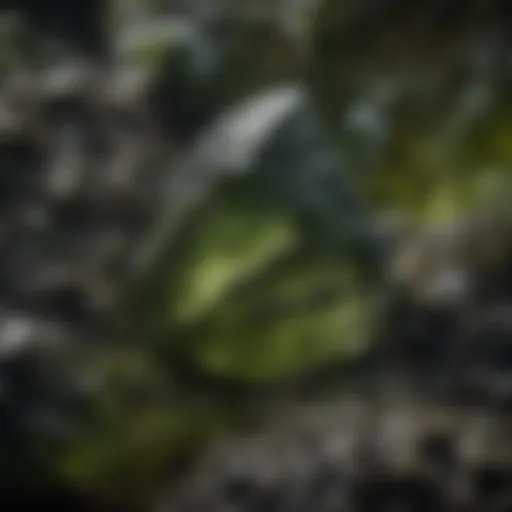
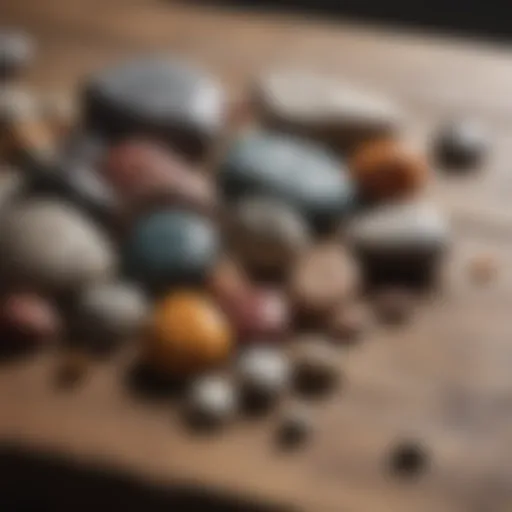
Dinosaur bone cabochons are essentially gemstones made from fossilized dinosaur bones, transformed through a long process of mineralization. This process often involves the replacement of whole structures with minerals such as agate or jasper, making each cabochon entirely unique. The colors range from browns and greys to striking reds and blues, often displaying intricate cellular patterns. They are typically polished into smooth, rounded shapes to enhance their beauty and emphasize their rich textures.
One crucial characteristic is the presence of trace minerals that contribute to their striking colors. For example, iron can yield red or yellow tones, while copper might result in a vibrant blue or green. The patterns visible in these cabochons often reflect the growth rings of the original bone, creating a fascinating texture that's alluring for both visual appeal and tactile experience. Beyond their beauty, these cabochons are also a testament to the geological processes that have transpired over millennia, from sedimentation to fossilization, offering a glimpse into a time when dinosaurs roamed the Earth.
Significance in Fossil Collecting
For avid fossil collectors, dinosaur bone cabochons represent a significant cross-section of both natural history and art. The act of collecting unearths not only the joy of possessing a tangible piece of the past but also the responsibility of understanding its origins. These cabochons serve as conversation starters, bringing attention to the fascinating field of paleontology.
Interestingly, the market for dinosaur bone cabochons is a reflection of broader trends in fossil collecting. With an increasing interest in sustainable and ethical sourcing, collectors are becoming more discerning about where and how these specimens are obtained. Many turn to reputable dealers and fossil shows to ensure that their collections are built on ethical foundations.
Furthermore, the value of these cabochons often increases as more collectors seek out unique specimens to add to their collections. It is not uncommon for high-quality cabochons to command premium prices, reflecting both their rarity and the craftsmanship involved in turning rough material into stunning jewelry pieces. This intersection of geology and aesthetics ensures that dinosaur bone cabochons remain a focal point for collectors, jewelers, and those who simply appreciate the stories that these ancient artifacts can tell.
“The beauty of a dinosaur bone cabochon isn’t just in its looks, but in the ancient history it holds.”
In summary, dinosaur bone cabochons are much more than decorative items; they are a bridge connecting us to a time long gone. As fossil collectors delve deeper into this captivating niche, they uncover layers of complexity and value that go beyond mere aesthetics.
The Geological Background of Dinosaur Bones
Understanding the geological context of dinosaur bones is not just academic; it intertwines the stories of ancient life with the present day. The origins of these bones lay the groundwork for their aesthetic appeal and value as cabochons. Knowledge of this background provides collectors and jewelry enthusiasts insight into the processes that transform organic remains into stunning fossilized artifacts. By delving into the formation of fossilized remains, as well as identifying the types of bones best suited for crafting cabochons, enthusiasts can appreciate the geological marvel behind each piece they encounter.
Formation of Fossilized Remains
When dinosaurs roamed the Earth, their remains inevitably met various fates after death. However, under specific conditions, some of these remains became fossilized, an intricate process that takes millennia. The journey often begins when a dinosaur dies and is buried by sediment. Over time, layers of earth compress these remains, leading to mineralization.
During this process, organic materials gradually get replaced by minerals like silica or calcite. This transformation allows the bones to maintain their shape while acquiring new features like varied textures and colors, which are vital for cabochons.

The necessary elements for fossilization involve:
- Rapid Burial: Protects remains from scavengers.
- Sediment Accumulation: A shield against decay and erosion.
- Stable Environment: Prevents disruption from geological activities.
By understanding these factors, collectors can identify regions where fossils are likely to be found. States like Montana and Wyoming, known for their rich fossil beds, often yield excellent specimens for cabochon creation, thereby making them hotspots for aspiring paleontologists and collectors alike.
Types of Dinosaur Bones Suitable for Cabochons
Not all dinosaur bones are created equal when it comes to crafting cabochons. Various factors dictate the suitability of each piece, largely revolving around their composition, size, and aesthetic attributes.
- Dinosaur Bone Variety: Common types include:
- Mineral Richness: Some bones contain more minerals, which can yield a richer color palette once polished. ** agatized dinosaur bone**, for example, can display amazing hues.
- Size and Shape: Larger bones allow craftsmen to create more elaborate cabochon designs. The more intricate the piece, the higher the potential resale value and interest for collectors.
- Dinosaur Metacarpals: Often exhibit striking grain patterns, making them highly sought after.
- Dinosaur Vertebrae: Usually possess vibrant colors and textures, providing unique visuals.
Understanding the characteristics of dinosaur bones helps collectors make informed decisions. If you're on the hunt for the perfect cabochon, keep these attributes in mind to ensure you acquire only the best specimens for your collection or jewelry design.
"The appreciation of a dinosaur bone cabochon is the appreciation of history, art, and nature all rolled into one."
By integrating geological insights into the overall understanding of dinosaur bone cabochons, collectors can more thoughtfully engage with their materials. This not only enhances their purview of the fossil collecting world but also elevates the meaningful connection they have with each unique piece.
Crafting Dinosaur Bone Cabochons
The process of crafting dinosaur bone cabochons is not just an art form, but a meticulous practice that intertwines science and aesthetics. It requires a nuanced understanding of the raw materials, techniques, and the standards of quality that can elevate a simple stone into a piece of wearable history. For rock and fossil collectors, the craftsmanship involved in creating these cabochons adds layers of value to the final product, revealing stories etched in every pattern and hue. Engaging deeply in this craft allows artisans to transform ancient relics into stunning representations of geological art.
Selection of Raw Materials
When it comes to selection of raw materials, choosing the right pieces of dinosaur bone is crucial. Not all fossilized bones are fit for cabochon crafting. Typically, the most desirable specimens come from sources in Montana and Utah, where notable finds occur. Here’s what one should look for:
- Color: The color range can be astonishing, spanning rich browns, deep reds, and vibrant yellows due to the mineral replacement the bone underwent over millennia. More pigments usually mean a more visually captivating cabochon.
- Pattern: Unique patterns form during the fossilization process. Look for distinctive striations, swirls, or color variations that can add character.
- Size and Shape: The ideal cabochon often comes from larger bones. Yet, the irregular shapes can spur creativity during the cutting process, leading to unique designs that stand out in jewelry.
Every piece tells a story. The more interesting the colors and patterns, the higher its potential allure.
Cutting and Polishing Techniques
The art of cutting and polishing dinosaur bones is where skill meets the raw beauty of nature. The cutting process often starts with a diamond saw, which allows for precision when resizing pieces. Here’s an overview of the typical steps:
- Initial Cutting: Start with a rough cut to outline the desired cabochon shape.
- Grinding: This part smooths out any jagged edges using grinding wheels, and it’s vital to maintain a consistent shape.
- Polishing: This crucial stage enhances the stone’s luster. Using finer grit and then polishing compounds, craftsmen achieve a shimmering finish that highlights the internal patterns.
Polishing requires patience and practice. Not all surfaces are perfect, and some pieces require multiple attempts to reach that mirror-like shine.
Quality Assessment Standards
Finally, understanding quality assessment standards ensures the finished cabochon meets both aesthetic and market expectations. Some key criteria to evaluate include:
- Clarity: The fewer imperfections or cracks, the more valuable the piece.
- Finish: A high-quality polish not only looks appealing but also protects the surface from daily wear.
- Authenticity: Certification might be necessary to prove that the cabochon is indeed created from dinosaur bones. Collectors appreciate knowing their pieces come from reputable sources.
"A high-quality cabochon reflects the time and care taken during its creation, showcasing the intricate beauty of nature's artistry."
By focusing on these crafting aspects, makers can not only create unique pieces but also honor the ancient history embedded in each stone. Rock enthusiasts will grow to appreciate the artistry and depth incorporated into these elegant adornments.
The Aesthetic Appeal of Dinosaur Bone Cabochons
The aesthetic charm of dinosaur bone cabochons is a key aspect when considering their significance in both collection and jewelry making. Each piece tells a story, a tale carved by eons of geological processes that transformed the remnants of ancient creatures into stunning visual art. Their captivating beauty lies not just in their origins but also in their unique characteristics which can significantly appeal to collectors and designers alike.
Natural Patterns and Colors
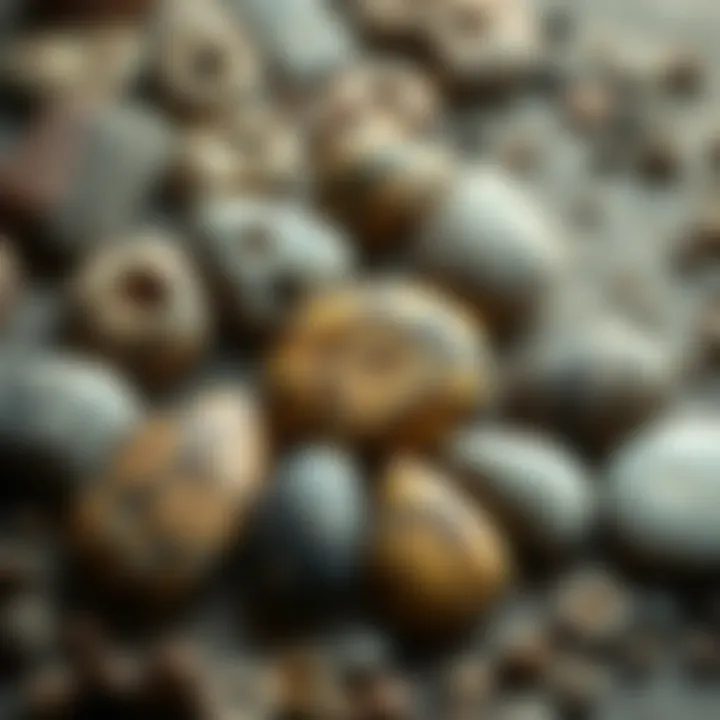
Dinosaur bone cabochons are famed for their intricate natural patterns and vibrant colors. At first glance, you might notice hues ranging from earthy browns and rich reds to hues of greens and yellows. What's interesting is how these colors are often derived from the minerals present in the surrounding environment during the fossilization process.
For instance, iron can lend a rusty red or brown tint, while manganese introduces violet shades, and copper can bring out greens or blues. Each specimen becomes a canvas painted by nature, showcasing patterns that can resemble the textures of wood or the flow of marble.
- Unique Patterns: Look closely at various pieces and you might find patterns resembling dendrites or fractals, which add an artistic flair, making each cabochon truly one of a kind.
- Color Interplay: Many collectors appreciate the subtle transitions between colors, often finding that these gradations enhance the overall appeal of the stone.
The color tones and natural patterns not only enhance the beauty but also provide insight into the geological history of the area where the bones were found, making them not just aesthetic pieces but also geological artifacts.
Comparative Aesthetics with Other Fossils
When compared to other fossilized materials, dinosaur bone cabochons stand out due to their distinctive, eye-catching qualities. While fossils such as amber or trilobite shells exhibit their own charm, dinosaur bones encapsulate a more complex combination of design and color.
- Amber: Often revered for its warm tones and the ability to encase prehistoric insects, amber boasts a different set of aesthetics that emphasizes translucency rather than opacity. In contrast, dinosaur bone cabochons provide a rich, textural experience.
- Fossilized Wood: Having similar appearances to dinosaur bones, fossilized wood mainly showcases outlines and growth rings, whereas dinosaur bones present an array of mineral variations, textures, and colorations, enhancing their appeal on multiple levels.
When dinosaur bones are shaped into cabochons, they take on a polished finish that underscores their unique formations while allowing light to reflect off their surfaces, emphasizing their organic details. This contrast with other fossil specimens enriches the diversity of collections. Collectors often find joy in collecting different fossil types, but it’s the striking uniqueness of dinosaur bone cabochons that can make them particularly desirable for display or incorporation into artistic pieces.
Ultimately, the aesthetic draw of dinosaur bone cabochons lies not just in their external beauty but also in the stories they tell about ancient life and the environment they once inhabited. This duality is what attracts both collectors and designers, making these cabochons not only valuable fossil relics but also exquisite art pieces in their own right.
Market Insights for Dinosaur Bone Cabochons
Understanding the market for dinosaur bone cabochons is essential for both collectors and artisans. These unique gems don't just represent pieces of history; they also hold significant monetary value and aesthetic appeal. The demand for dinosaur bone cabochons stems from a variety of factors, including rarity, desirability, and the intricate craftsmanship involved. When exploring the market, it's crucial to recognize the variables that can influence pricing and availability.
Pricing Factors and Variability
The pricing of dinosaur bone cabochons can be as intricate as the patterns found within the stones themselves. Several factors come into play when determining how much a particular cabochon might sell for.
- Rarity of the Material: Not every dinosaur bone is suitable for cabochon crafting. The grade of the fossil, such as the type of dinosaur and its geological age, plays a crucial role. For example, the more unique and well-preserved the specimen, the higher the price.
- Intricacy of Design: A cabochon that showcases stunning natural patterns, vibrant colors, or interesting textures may command a higher price. The visual appeal is pivotal; striking pieces capture attention, and buyers are willing to pay more for those distinctive qualities.
- Market Demand: Trends ebb and flow in the world of collectibles. Popularity can spike due to fashion cues or celebrity endorsements, or it may wane as new fads emerge. Keeping an eye on what’s in demand can guide both buyers and sellers.
- Quality of Craftsmanship: The skill of the craftsman who shapes and polishes the cabochon is paramount. A well-crafted piece, finished to perfection, can significantly elevate its market value.
"Understanding the nuances of pricing is not just about knowing what to pay; it’s about appreciating the journey of the stone from the ground to a jewelry piece."
Where to Buy and Sell
Finding the right sources for buying and selling dinosaur bone cabochons can be a mixed bag of treasure hunting and networking. Here are some avenues worth exploring:
- Specialized Fossil Shops: Many cities have stores dedicated to fossils and minerals. These shops often carry a selection of dinosaur bone cabochons, and visiting them can provide hands-on experience with the stones.
- Online Marketplaces: Websites like eBay and Etsy host numerous sellers offering unique cabochons. Buyers should thoroughly vet sellers and look for reputable feedback before making purchases.
- Gem and Mineral Shows: Attending shows or conventions allows collectors to buy directly from vendors and sometimes even engage in trades. Such events can also provide networking opportunities—connecting with other enthusiasts in the community.
- Social Media Platforms: Platforms like Facebook and Reddit have groups specifically for fossil and gemstone collectors. Here, enthusiasts can buy, sell, or trade cabochons with a like-minded crowd. It’s a digital marketplace that has grown in importance over the years.
- Auctions: High-end pieces might find their way to auction houses specializing in rare collectibles. While this can be a pricey route, the rewards can also be significant when it comes to rarity and authenticity.
In summary, knowledge about the market is fundamental. Understanding the pricing mechanics and knowing where to find these rare cabochons can dramatically enhance both the buying and selling experience.
Dinosaur Bone Cabochons in Jewelry Design
Dinosaur bone cabochons have gained popularity in the world of jewelry design. Their unique colors and fossilized beauty create stunning pieces that catch the eye. Collectors and designers alike find that these cabochons not only serve as a conversation starter but also imbue a sense of history and significance that can elevate any piece of jewelry. The intricate textures and patterns of the bones make each cabochon a one-of-a-kind work of art, appealing to those who appreciate nature's creations.
Design Trends and Inspirations
Recent trends in jewelry design showcase dinosaur bone cabochons as both bold statement pieces and subtle, elegant accents. Designers draw inspiration from the very textures and colors inherent to these fossils, creating pieces that reflect their origin. Some current design trends include:
- Nature-inspired settings: Many jewelry makers are incorporating organic shapes and textures in their designs, emphasizing the natural beauty of the cabochons. The goal is to keep them looking as close to their raw state as possible, allowing the intricate patterns to shine.
- Layering with modern materials: Mixing dinosaur bone cabochons with contemporary materials such as metals and synthetic gemstones creates a striking contrast. Designers often use materials like titanium or stainless steel to accentuate the earthy tones of the fossilized bones.
Regarding color palettes, muted earth tones combined with splashes of vibrant hues from the cabochons mirror the natural world. This resonates well with environmentally conscious consumers, looking to make choices that reflect their values.
Inspiration for these designs often comes from art movements that embrace natural elements. The Arts and Crafts movement, which emphasized craftsmanship and natural forms, serves as a rich source of influence for many modern jewelers.
Incorporation with Other Gemstones
Integrating dinosaur bone cabochons with other gemstones allows for a unique fusion of styles and aesthetics. The contrast in textures and colors can significantly enhance the visual appeal of a jewelry piece. Some popular pairings include:
- Turquoise: The bright blue hues of turquoise complement the earthy tones of dinosaur bone beautifully. This combination is reminiscent of landscapes where these materials might co-exist in nature.
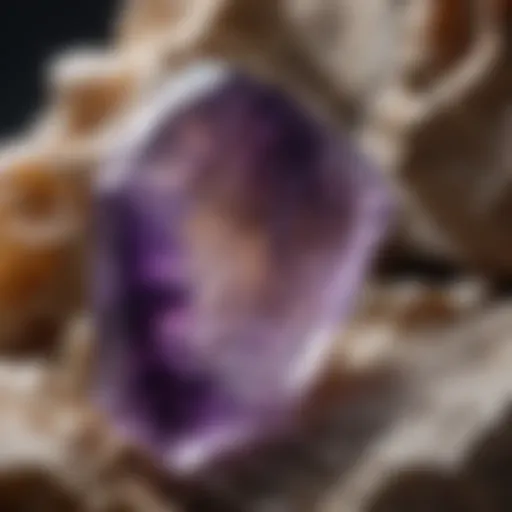
- Amethyst: The rich purples of amethyst can add a regal touch to dinosaur bone designs, highlighting the fossil's natural beauty while providing an intriguing juxtaposition.
- Jade: When paired with jade, dinosaur bone cabochons can create a harmonious blend of earthy and vibrant features. Jade’s smooth surface contrasts with the rustic texture of fossilized bones, resulting in a captivating visual effect.
Designers often consider the story behind each stone as they create pieces. Fans of fossilized materials appreciate the narrative woven into their jewelry, whether that’s the story of the dinosaur itself or the geological journey of the materials. As these unions of stones gain popularity, there is a noticeable shift in how consumers perceive jewelry—not just as adornment but as a tangible connection to the distant past.
Conservation and Ethical Considerations
When we think about dinosaur bone cabochons, it's all too easy to get swept up in their aesthetic allure. However, behind their beauty lies a pressing need for conservation and ethical practices that protect both the fossilized remains and our planet. The significance of these considerations cannot be overstated. Ultimately, our approach to sourcing and utilizing these unique specimens can profoundly affect geological and ecological systems.
The allure of dinosaur bone cabochons is undeniable, but we must approach their acquisition with a keen awareness of ethical implications. It is essential for collectors and craftsmen to prioritize sourcing methods that do not jeopardize fossil heritage. Extracting fossils without care can disturb delicate ecosystems and erase ancient histories. Hence, knowing the right channels for obtaining these specimens is critical.
Sourcing Ethically Obtained Specimens
Sourcing ethically obtained specimens involves partnering with reputable dealers and institutions that operate transparently. For example, acquiring dinosaur bone from established fossil shops offering detailed provenance can offer some assurance that the excavation adhered to responsible practices. It's not just about the rock; it's about the story behind it—the journey from earth to artisan.
Some steps to ensure ethical sourcing include:
- Research: Delve into the history of the source. Reputable sellers often provide documentation.
- Ask Questions: Don’t be afraid to inquire about the extraction methods used.
- Choose Local: If possible, opt for local sources that emphasize sustainability and ethical practices.
By sourcing responsibly, collectors not only enhance their collection’s integrity but also engage positively with the fossil community.
Impact of Fossil Collection Practices
The impact of fossil collection practices on paleontology and the environment warrants serious consideration. When fossils are taken recklessly, it not only diminishes natural history but also disrupts ecosystems that have evolved over millennia. Additionally, disorganized fossil collection can lead to illegal trade practices, undermining legitimate research and conservation efforts.
Here’s a breakdown of notable impacts:
- Ecosystem Disruption: Unregulated digging can cause irreversible harm to local flora and fauna.
- Loss of Scientific Value: Removing specimens without proper context can rob future researchers of critical data.
- Market Dynamics: Overharvesting can lead to a decrease in value, affecting conscientious collectors.
"By taking care to practice responsible fossil collection, we ensure the stories of the past remain accessible for generations to come."
Future of Dinosaur Bone Cabochons
Looking ahead in the realm of dinosaur bone cabochons, one can see a variety of factors shaping their future in both the geological and aesthetic milieu. The evolution of crafting techniques and market dynamics play significant roles in this fascinating niche of fossil collecting and jewelry design. Understanding these aspects not only augments appreciation for these unique stones but also informs collectors about potential value and practical considerations for their collections.
Innovations in Crafting Techniques
As technology continues to advance, so too does the method of transforming raw dinosaur bone into stunning cabochons. Artists and craftsmen are always on the lookout for new methods that enhance both the aesthetic and physical qualities of these stones. Techniques such as laser cutting and 3D printing are reshaping how these fossils are approached.
Moreover, the integration of enhanced polishing processes allows for greater sheen and color depth in the finished product. This not only raises the visual appeal but can also affect the durability of the cabochons. For instance, using resins to fill fractures or voids in dinosaur bone can not only preserve the structural integrity but enrich its color nuances.
"The future of crafting dinosaur bone cabochons lies not only in preserving their geological history but also in augmenting their beauty through innovative techniques."
Another compelling development is in auditory tech, where craftsmen can utilize sound frequencies during cutting to better hone the stones without causing fractures. This approach, while still evolving, shows great promise in bolstering the quality of the cabochons, ensuring they remain attractive to collectors who seek exceptional pieces.
Evolving Market Dynamics
The market for dinosaur bone cabochons is witnessing shifts that demand the attention of both artisans and collectors. Today’s consumers are increasingly knowledgeable and discerning, seeking authenticity and ethical sourcing in their purchases. This trend places additional scrutiny on the origins of the materials being used.
In response, the market is moving towards greater transparency. Sellers are now providing detailed provenance information about how and where the dinosaur bones are sourced. This insight not only reassures collectors but also elevates the perceived value of the cabochons.
Furthermore, with the rise of digital platforms, collectors are finding it easier than ever to connect with suppliers globally. Auctions and sales have shifted online, creating a more competitive yet accessible market. As such, it is becoming common to find unique pieces listed from private collections that might otherwise go unnoticed in brick-and-mortar stores.
In parallel to these changes, the increasing interest in sustainable practices bodes well for the future of dinosaur bone cabochons. As collectors become more ethically aware, sellers are likely to adapt by aligning with sustainable sourcing practices, contributing positively to both the environment and the integrity of fossil collections.
In summary, the future of dinosaur bone cabochons appears promising, driven by innovative crafting techniques and evolving market trends. Collectors who stay informed will not only enrich their collections but also ensure they are part of a responsible collecting community.
Closure
Dinosaur bone cabochons capture the imagination not just with their aesthetics but through the stories they carry from prehistoric times. The importance of concluding our discussion on these unique geological treasures lies in recognizing their multifaceted value—scientific, artistic, and ethical. Each cabochon is a testament to millions of years of Earth’s history, thus offering insights into the life forms that once thrived. The metamorphosis of these bones into stunning pieces of jewelry symbolizes a bridge between the ancient past and the present. Collectors and enthusiasts alike benefit from understanding what makes these fossils exceptional beyond mere decoration.
Recapitulating the Unique Value
To put it simply, dinosaur bone cabochons represent more than just raw materials for crafting jewelry; they embody a vivid connection to our planet's deep history. Their patterns and colors reflect the unique mineral compositions that formed as ancient organic matter was preserved and fossilized. This ancestral backdrop lends them an unmatched charm that transcends ordinary gemstones. As any collector will tell you, it’s this blend of beauty and ancient narrative that raises the stakes in fossil collections. Owning a dinosaur bone cabochon goes beyond the allure of its looks—it's about possessing a slice of Earth’s timeline.
Encouragement for Enthusiasts and Collectors
For the rock and fossil aficionados, the world of dinosaur bone cabochons invites you to embark on a journey filled with discovery. Start by exploring various sources to acquire legitimate specimens. Whether it be through specialized fossil shows, reputable dealers, or even online platforms like Reddit, your quest should be informed and ethically grounded. Be sure to engage with communities that share your fascination. Networking with fellow enthusiasts can lead to unexpected opportunities for growth and insight. Remember, every cabochon carries a history worth sharing, enriching not just your collection, but the broader narrative of our planet’s biological evolution.
"Each piece is a conversation starter, a portal to the antiquated world that once was."