Dinosaur Bone Cabochons: Nature's Prehistoric Gems
Overview of the Topic
Dinosaur bone cabochons represent a unique intersection of geology, paleontology, and artistry. These polished gemstones not only capture the awe of the prehistoric world but also serve as tangible links to an era long past. Each piece embodies millions of years of history, ultimately transformed into captivating stones suitable for collectors and enthusiasts alike.
Definition of Key Terms
A cabochon is a gemstone that has been shaped and polished, but not faceted. In terms of dinosaur bone cabochons, this means that the bones of dinosaurs—once living, breathing creatures—are meticulously cut and polished to reveal their intricate structures and colors. Dinosaur bones can be fossilized over eons, retaining traces of their original composition, notably when embedded with minerals like agate or jasper, which further enhance their visual appeal.
Historical Significance
The fascination with dinosaur bones can be traced back to the 19th century when paleontology began to emerge as a scientific discipline. Early paleontologists, driven by curiosity and a desire to uncover the mysteries of the past, unearthed large fossils that sparked public interest. Today, as collectors search for dinosaur bone cabochons, they are often captivated not just by the beauty, but also by the story each piece tells about the history of our planet.
"Each dinosaur bone cabochon is a tapestry woven with the threads of time, revealing the rich narratives of life that once thrived on Earth."
Types of Collectibles
When it comes to dinosaur bone cabochons, there’s more than meets the eye. The diversity in this form of collectibles is staggering, reflecting various periods, species, and even the conditions under which the fossils formed.
Classification of Different Collectibles
Dinosaur bone cabochons are often classified based on the type of dinosaur from which the bone originated, geographic region, and the fossilization process. Collectors might find pieces from herbivorous dinosaurs like the Brachiosaurus or carnivorous species like the Tyrannosaurus rex. Each type carries a unique texture, pattern, and story.
Notable Categories
- Medullary Bone: Found in female dinosaurs during reproduction. This type is rare and highly sought after by serious collectors.
- Dinosaur Coprolite: Often mistaken for stones, these fossilized droppings offer insights into dinosaur diets and behavior.
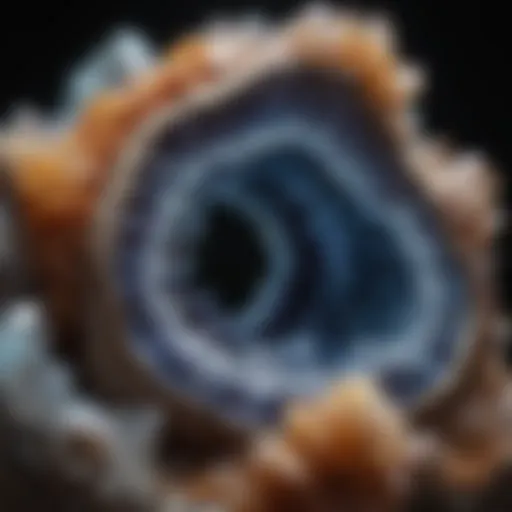
- Agatized Dinosaur Bone: These have been mineralized with agate, resulting in vibrant colors and intricate banded patterns. They are particularly prized for their striking aesthetic.
- Dinosaur Fossilized Wood: Though not bone, many collectors appreciate cabochons crafted from fossilized wood linked to the same timelines as dinosaurs.
Collectors should be mindful that not every cabochon is created equal. Factors such as color, clarity, and texture can significantly influence market value. Enthusiasts seeking to expand their collections should approach with an inquisitive eye and a willingness to learn about the intricacies of their pieces.
For further insights and community discussions, consider visiting platforms such as reddit.com or facebook.com, where enthusiasts share their discoveries and experiences.
Prelims to Dinosaur Bone Cabochons
Dinosaur bone cabochons have emerged as a unique intersection of natural history and artistic expression. These polished stones capture not only the aesthetic allure but also the deep time that envelops them, making them popular among collectors and enthusiasts alike. Understanding what defines these cabochons and their historical context provides a comprehensive backdrop against which their significance can be appreciated.
Defining Dinosaur Bone Cabochons
Dinosaur bone cabochons are polished stones fashioned from the fossilized remains of ancient dinosaurs. The term "cabochon" refers to a gemstone that is cut and polished, typically having a convex shape, yet not faceted. For enthusiasts, the allure of these cabochons lies in their rich, organic patterns that echo the lives of creatures that roamed the Earth millions of years ago. The variety in color, texture, and pattern is astounding, led by mineral infusions like quartz and opal, giving them a captivating vibrancy that can draw one in almost instinctively. Each piece tells a story through its unique configuration, making each cabochon a one-of-a-kind artifact.
Historical Context and Relevance
This aspect delves into the fascinating journey of dinosaur bones from their initial discovery to their transformation into cabochons. The history begins with paleontological excavations where fossilized bones are unearthed, sometimes under layers of rock formed over eons. These bones are not merely remnants of the past; they are evidence of Earth’s dynamic geological and evolutionary history.
Cabochons themselves date back to ancient times, often coveted by civilizations that recognized their beauty and rarity. They were utilized not just for decorative purposes but also held cultural significance in various societies. Recognizing this historical relevance adds an extra layer of appreciation to the modern-day crafting of dinosaur bone cabochons. Collectors often seek these pieces not only for their aesthetic charm but also for the historical narratives they embody; a tangible link to an age long gone. In this context, dinosaur bone cabochons become more than decorative items—they become artifacts capable of igniting a passion for both geology and the broader spectrum of natural history.
"Each cabochon encapsulates a moment in time, bridging the gap between the ancient and the present."
By exploring the definition and historical relevance, one begins to fathom the depths of fascination that dinosaur bone cabochons can instill—relevance that resonates within the hearts of collectors, educators, and naturalists alike.
The Geological Journey of Dinosaur Bones
Understanding the geological journey of dinosaur bones is vital for grasping how these ancient relics transform into the striking cabochons that many collectors covet today. Fossilization is not merely a stroke of luck; it involves a series of intricate processes over millions of years.
These bones undergo substantial transformation, from organic material to fossil, producing a captivating link between our present and the distant past.
Formation and Fossilization Processes
An essential part of this geological journey is the formation and fossilization processes. It’s fascinating to see how organic material, once part of a living dinosaur, becomes a fossilized piece that can leave us in awe.
Mineralization of Organic Material
Mineralization of organic material is at the heart of fossilization. Over time, the minerals seep in, replacing the original organic matter. This process can create stunning color variations and intricate patterns, making each cabochon unique.
- Key Characteristics: One key characteristic of mineralization is its ability to preserve not just the shape of the bones, but also some of their original texture. This makes them favorable for use in cabochons as these details can be highlighted during crafting.
- Advantages: The primary advantage here is the durability of the resulting material. Fossilized bones can endure the test of time, allowing them to be appreciated for generations.
- Unique Features: Another unique feature is the potential for vibrant colors that emerge from the minerals. Iron, for instance, can give rise to earthy reds and browns, enhancing their visual appeal.
However, the process isn’t devoid of disadvantages. Some bones may lose finer details during mineralization, which can affect their overall aesthetic when fashioned into cabochons.
Environmental Factors Influencing Fossilization
Environmental factors play a significant role in how and where bones get fossilized. Elements like sediment composition, water presence, and temperature all contribute to the outlook of the fossils.
- Key Characteristics: One notable characteristic of environmental impacts is their influence on the preservation of the structural integrity of the bones. Different sediments can provide either a protective layer or a corrosive environment, significantly affecting the fossilized remains.
- Advantages: The knowledge of these factors helps paleontologists choose excavation sites carefully, ensuring that the bones recovered are of the highest quality for further examination or crafting.
- Unique Features: Unique geological formations can also create beautiful patterns and textures on the surfaces of fossils, which evolve during the fossilization phase, contributing to their desirability in the cabochon market.


Still, unfavorable conditions can lead to incomplete fossilization, potentially ruining specimens that might otherwise make stunning cabochons.
Excavation and Recovery Techniques
Delving deeper, excavating and recovering dinosaur bones is a meticulous process. The techniques employed can make a world of difference in preserving these magnificent fossils for future enjoyment.
Fieldwork Methodologies
Fieldwork methodologies are the backbone of successful excavation. Collaborations between geologists, paleontologists, and trained earth scientists are essential to properly uncover and transport these sensitive materials.
- Key Characteristics: The systematic approach to excavation often involves mapping out sites and studying strata to identify potential fossil-rich layers. This careful planning significantly raises the chances of a successful dig.
- Advantages: Such methodologies are advantageous as they help in reducing damage to the fossils, a vital factor when handling brittle materials that have endured the ravages of time.
- Unique Features: The use of technology like ground penetrating radar can also aid excavators in locating large deposits deep underground, revealing treasures that might otherwise remain hidden.
Nevertheless, challenges can influence these methodologies. Unexpected weather conditions or terrain can hinder excavation plans, forcing teams to adapt quickly.
Preservation During Excavation
Preservation during excavation is critical. Once fossils are uncovered, they become susceptible to damage from environmental factors and mishandling.
- Key Characteristics: A notable characteristic of preservation techniques includes the use of specialized tools and cushioning materials to safely lift and transport fossils without breaking them.
- Advantages: Preserving fossils in situ as much as possible ensures they remain intact and can be studied in their original context later.
- Unique Features: Worker education on the importance of gentle handling and observation further enhances preservation efforts, creating a meticulous culture of care within excavation teams.
That said, preservation challenges can arise. Transporting fossils requires expert knowledge and often involves high costs, which can negate some of the freshness and detail lost in the process.
Cabochon Crafting: Art Meets Science
Cabochon crafting forms an essential bridge between the artistic expression and geological attributes of dinosaur bone cabochons. This interplay of art and science not only enhances the visual appeal of the cabochons but also elevates their intrinsic value, connecting collectors deeper with their prehistoric origins. Understanding this process offers insight into what gives these pieces their uniqueness, instills a sense of appreciation for craftsmanship, and enables collectors to discern quality specimens more effectively.
Techniques for Cutting and Polishing
Tools and Equipment Required
The tools and equipment needed for crafting dinosaur bone cabochons are fundamental to achieving the desired quality in the final product. A good lapidary saw is often at the top of the list; it's designed specifically for cutting stones and fossils, which helps ensure clean cuts without significant cracking or chipping. Additionally, polishing machines, such as rotary polishers or vibrating tumblers, are crucial to bring out the shine and depth of color in the cabochons.
Each of these tools has its characteristics. The lapidary saw, for instance, allows for precision cuts, which is a must-have when dealing with fragile fossilized materials. Conversely, polishing machines can vary greatly in their effectiveness depending on the materials and techniques used. The investment into quality tools proves beneficial as it can greatly reduce time spent on the crafting process while increasing the aesthetic quality of the final products. However, there is a learning curve involved, and inexperienced users may encounter issues with tool misuse, leading to less than ideal finishes on the cabochons.
Step-by-Step Process Overview
Crafting dinosaur bone cabochons involves a series of methodical steps that require both patience and careful attention to detail. Starting with selecting a suitable piece of dinosaur bone, the initial phase often includes cutting it into manageable slabs.
"Once you have the stone, the real magic begins—shaping it into a cabochon takes skill and creativity."
Next, the slabs undergo shaping, typically on a shaping wheel or using various grinding wheels designed for jewelers. This step focuses on achieving the desired form of the cabochon, while maintaining the bone's unique surface patterns. After shaping, polishing follows which emphasizes the colors and details of the fossil, turning what was once a rough slab into a visually striking piece of art. The final stage includes inspecting and possibly finishing the cabochon with a sealant to protect its surface from dirt and wear.
Many find this step-by-step approach to crafting cabochons relatable, as it illustrates the blend of creativity and methodology in the process. Yet, perfection takes time; nuances in techniques can lead to either a polished gem or a quickly produced cabochon that lacks depth and character.
Selecting Quality Specimens for Cabochons
Identifying Unique Patterns and Colors
Choosing specimens for cabochons isn't just about finding pretty stones; it's about understanding and identifying unique patterns and colors that enhance the cabochon's allure. The distinct veins, striations, and color gradations found within dinosaur bones can often tell a story—one of the environment in which the creature lived and how its remains fossilized.
A specimen that displays interesting patterns can transform into a conversation starter once crafted into a cabochon. Collectors and aficionados look for asymmetrical patterns and vibrant colors, as these features significantly increase both the aesthetic and market value. This uniqueness not only draws collectors but can also create an emotional connection to the prehistoric past, making the acquisition of such specimens feel worthwhile and gratifying.
However, evaluating these qualities requires a keen eye. Novice collectors may miss subtle defects or signs of past damage that could detract from a specimen's overall integrity. It's advisable to always have experienced eyes examine potential purchases, ensuring you're getting quality for your investment.
Understanding Structural Integrity
Equally important is understanding the structural integrity of a dinosaur bone specimen before committing to the crafting of a cabochon. Not every bone offers the same resilience, and some fossils may be too porous or brittle. Assessing a specimen involves observing several aspects—cracks, surface deteriorations, and general toughness, factors that could influence how well it holds up during the cutting and polishing processes.
Strong specimens allow for more creative freedom in shaping and can withstand the rigors of polishing, ensuring the final product wouldn't shatter. While some may find the prospect of providing a second chance to damaged fossils appealing, the results can sometimes lead to disappointing cabochons. Thus, those diving into the crafting should prioritize structural soundness in their selections to ensure the final artistic piece reflects durability and beauty.
Aesthetic and Collectible Value
The aesthetic and collectible value of dinosaur bone cabochons stands as a cornerstone in the realm of fossil collecting. For enthusiasts, beauty and uniqueness are paramount when it comes to selecting pieces for their collections. Dinosaur bone cabochons offer a visual feast, showcasing patterns and colors that vibrant jewelleries often lack. Additionally, they tell a story of life millions of years ago, bridging the gap between the past and present.
Artistic Appeal of Dinosaur Bone Cabochons
Color Variations and Patterns
Dinosaur bone cabochons are celebrated for their incredible color variations and unique patterns. Naturally formed, these cabochons display a myriad of hues—from earthy browns and deep reds to vivid yellows and greens. Each piece can look like a small canvas, showcasing intricate designs that emerge through geological processes.


The variety in colors arises from the minerals that seeped into the bones during fossilization. For collectors, this feature isn't just aesthetically pleasing; it provides a sense of the history and conditions of the environment where the dinosaur once roamed. The patterns can tell stories, too, as some may resemble famous landscapes while others might mimic abstract art. This makes them a popular choice among hobbyists and artists alike.
Nevertheless, collectors should be aware that these color variations do have limitations. Some hues may fade over time if not treated properly, and the patterns can sometimes make it challenging to assess quality at a glance. Thus, understanding how to properly care for these cabochons is crucial for maintaining their visual allure.
Comparison with Other Gemstones
When placing dinosaur bone cabochons side by side with other gemstones, one can't help but notice their striking differences. While traditional gemstones such as sapphires or diamonds often rely on brilliance and clarity, dinosaur bones offer something altogether different—a raw, historical beauty that is both primal and enchanting.
One key characteristic is the organic origin of dinosaur bone cabochons. Unlike lapis lazuli or amethyst, these cabochons are not simply formed through geological processes; they reveal life forms that walked the Earth millions of years ago. This connection adds a layer of profound allure, attracting those who appreciate not just beauty but also depth in their pieces.
However, it’s essential to consider that the uniqueness of these cabochons can make them less consistent in quality compared to their gemstone counterparts, which are often sold based on standardized measurements. This can be seen as both an advantage and a disadvantage. On one hand, the irregularity offers individual charm; on the other hand, it complicates valuation and comparison for collectors.
Market Demand and Pricing
Factors Influencing Value
Several factors play a significant role in determining the value of dinosaur bone cabochons in the market. Rarity tends to hold sway, with pieces that exhibit unusual colors or patterns fetching higher prices. The geological age of the fossilized bone also matters; older specimens can sometimes command more respect and higher costs.
In addition, provenance—where the specimen came from and its history—can greatly influence desirability. For example, a cabochon sourced from a reputable excavation site carries more weight compared to one whose origins are less clear. Many collectors are willing to pay a premium when they know the piece has a legitimate backstory, enhancing both its value and its allure in their collections.
Investment Potential in Dinosaur Bone Cabochons
For astute investors, dinosaur bone cabochons present an intriguing opportunity. As more people become fascinated with geology and paleontology, the demand for these unique pieces is expected to rise. Investment potential resides in both their aesthetic charm and their intrinsic historical value. Unlike conventional precious stones, dinosaur bone cabochons often appreciate in value as they become rarer and more sought after.
Moreover, as advancements in technology allow more people to create stunning pieces from these fossils, the market for cabochons could experience an upsurge. However, the risk is relevant; ensuring collection authenticity and understanding current market trends are essential before diving into investments. With proper research and care, collecting these cabochons can be both a passion and a prudent investment for years to come.
"Dinosaur bone cabochons are not just objects; they are stories, paintings of Earth's history carved into stone."
In summary, the appeal and value of dinosaur bone cabochons resonate deeply with both aesthetics and a collector's spirit. Understanding their intricate beauty, the market dynamics, and their investment potential is vital for anyone keen on enriching their collections.
Caring for Dinosaur Bone Cabochons
Caring for dinosaur bone cabochons is as important as their initial selection and crafting. The beauty and uniqueness of these pieces come from their long journey through time, and it's crucial to preserve that history. Proper care ensures that collectors can enjoy their cabochons for years, sustaining both their aesthetic appeal and potential market value.
Cleaning and Maintenance Practices
Keeping your dinosaur bone cabochons clean enhances their natural allure. Dust and grime can mask their intricate patterns and colors, leading to potential loss of interest, or worse yet, becoming a breeding ground for damaging agents. Regular cleaning not only maintains visual appeal but also extends the life of your collection.
Safe Cleaning Solutions
When it comes to cleaning dinosaur bone cabochons, opting for gentle solutions is paramount. Natural soaps or a mix of warm water and vinegar acts as effective cleaning agents, helping to remove dirt without damaging the mineral structure of the fossils.
- Key characteristic: They are non-abrasive and do not contain harmful chemicals that might erode the surface of the cabochon.
- Advantage: By using these safe solutions, collectors avoid harming the delicate nature of their fossils while achieving a clean finish.
- Disadvantage: However, these solutions might struggle with tougher stains, requiring extra work for stubborn spots.
Storage Recommendations
Just as important as cleaning, the right storage solutions for dinosaur bone cabochons can greatly influence their longevity. Keeping them in a dry, stable environment helps prevent deterioration caused by humidity fluctuations.
- Key characteristic: Air-tight containers filled with silica gel can keep moisture at bay while protecting against physical damage.
- Advantage: This method minimizes exposure to environmental factors that can lead to degradation or discoloration over time.
- Disadvantage: On the flip side, overly sealed environments might lack airflow, potentially leading to other issues like mold growth if not monitored closely.
Displaying Your Collection
After investing time and effort in caring for your dinosaur bone cabochons, showcasing them effectively can enhance their charm and intrigue. A well-displayed collection not only captivates the eyes of viewers but also communicates the passion behind each individual piece.
Effective Display Techniques
Using display cases made of glass or acrylic allows natural light to illuminate the cabochons beautifully. Positioning them at varying heights can add a dynamic element to the arrangement, highlighting the unique characteristic of each specimen.
- Key characteristic: Transparent displays protect the cabochons from dust while providing a three-dimensional view.
- Advantage: Effective display techniques not only draw attention but also invite discussion among fellow collectors, sparking curiosity about their origins and history.
- Disadvantage: Yet, glass displays can be prone to scratching, so ensuring they are handled with care is essential.
Creating an Aesthetic Presentation
An aesthetic presentation involves more than just arrangement; it speaks to framing within a theme or scientific context. Cohesively grouping dinosaurs by their geological period or locality can turn a simple collection into an educational experience, sharing stories with any observer.
- Key characteristic: The use of backdrops featuring fossils or geological maps can enhance the narrative behind the collection.
- Advantage: This method not only embellishes the aesthetic of the display but also enhances the educational value, piquing the interest of viewers.
- Disadvantage: However, focusing too heavily on theme might distract from individual cabochon features if not done thoughtfully.
Caring for and displaying dinosaur bone cabochons properly adds layers of meaning and appreciation to these marvelous geological artifacts. By nurturing their maintenance and exhibiting them well, collectors can ensure these pieces of history are cherished for generations.
Dinosaur Bones Beyond Cabochons
The world of dinosaur bone cabochons is but a single facet of the larger treasure trove that fossilized bones offer. What lies beyond these cabochons is a realm filled with diverse collectible forms and educational opportunities. Acknowledging this broader context not only enhances the appreciation of dinosaur bones as art but also recognizes their significance in scientific discovery and education.
Other Collectible Forms of Fossilized Bones
Raw Fossil Specimens
Raw fossil specimens represent the raw beauty of prehistoric history. Often left in their natural state, these fossils maintain their inorganic character, encapsulating the very essence of time. Raw specimens can vary greatly in size, shape, and texture, pulsing with character derived from millions of years of geological transformations. Collectors often find themselves drawn to the allure of these fossils because they allow for an unfiltered glimpse into a bygone era.
The noteworthy characteristic of raw fossils is their complexity; unlike cabochons that go through meticulous cutting and polishing, raw fossils often remain untouched, letting their natural artistry shine through. This makes them a popular choice among collectors who appreciate authenticity and the raw narrative that fossils carry.
However, there are considerations to keep in mind. Some raw specimens can demonstrate fragility, thereby making them prone to damage if not stored correctly. On the flip side, their unrefined nature allows enthusiasts to imagine how these bones may have once appeared in their natural habitats. This unique feature can fuel a collector’s passion and inspire their journey of exploration in fossil collecting.
Jewelry Incorporating Dino Fossils
Jewelry pieces integrating dinosaur fossils take the concept of collecting to another level. Each piece is not just an accessory; it serves as a conversation starter, a piece of art, and a slice of history all wrapped into one. A standout characteristic of this kind of jewelry is its ability to connect wearers with the past in a tangible manner. For instance, a pendant made from a section of dinosaur bone offers a tactile connection to the distant past, enhancing one’s appreciation for both art and geology.
This line of jewelry presents itself as a beneficial option for those who wish to incorporate the allure of dinosaurs into their everyday life. It marries the worlds of aesthetics and geological significance. Wearing such jewelry not only showcases personal style, it also signals a respect for the history embedded within these materials.
Nevertheless, potential buyers should consider a few factors. The market can often be saturated, resulting in imitations that lack authenticity. Collectors need to do their homework to ensure they are investing in legitimate pieces. On the bright side, reputable designers usually provide certificates of authenticity, lending credibility to such jewelry.
The Role of Dinosaur Bones in Education and Research
Contributions to Paleontological Studies
Dinosaur bones are the backbone of paleontological studies. They reveal clues about ancient ecosystems, behaviors, and evolution, serving as critical components of our understanding of history. The key characteristic here is the ability of these fossils to answer profound questions about life on Earth millions of years ago. They unravel not just the story of dinosaurs, but also help us understand climatic shifts and environmental changes through time.
Utilizing these bones in the field of science makes them an indispensable resource. They can directly contribute to ongoing research aimed at solving some of modern science's most pressing questions, e.g., how did dinosaurs adapt to their environment? The advantages are plentiful, but the complexity of interpreting such data requires expertise and often interdisciplinary collaboration.
Implications for Geological Education
The significance of dinosaur bones extends into the realm of education as well. They are crucial for teaching geology and paleontology, bridging the gap between theoretical knowledge and tangible evidence. An important characteristic of dinosaur fossils here is their ability to foster curiosity and inspire the next generation of scientists.
Schools and universities that incorporate fossil study into their curricula contribute effectively to an engaging educational experience. It makes concepts such as stratigraphy and evolution more accessible and relevant. Students often find themselves drawn into the narratives these bones tell, benefiting immensely from hands-on learning experiences. However, like any educational tool, the effectiveness largely depends on how well these resources are integrated into teaching methodologies.
These bones, whether in the form of stunning cabochons, rough specimens, or educational tools, demonstrate the vast potential and importance of fossilized materials in both collectible and scientific arenas. In the grand scheme, they embody a bridge between our present and the age of dinosaurs, making each piece valuable beyond mere aesthetics.
Culmination and Future Prospects
As we wrap up our exploration of dinosaur bone cabochons, it's clear that these remarkable pieces of nature hold significance that goes beyond their beauty. Understanding the intricate journey from ancient bones to stunning cabochons offers insight into geological processes and the artistic endeavor behind crafting them. The future in this niche market looks promising for collectors, artists, and researchers alike.
The intricate craft of making cabochons from dinosaur bones not only sustains interest in paleontological studies, but it also stimulates a deeper appreciation for Earth's history among aficionados. As technology continues to advance, techniques for crafting these stones are evolving too. This evolution may help collectors, both novices and professionals, to connect with these extraordinary specimens in innovative ways.
Sustaining Interest in Dinosaur Bone Collecting
Encouraging New Collectors
New collectors bring fresh energy to the world of dinosaur bones. The excitement of uncovering a unique specimen or mastering the art of cabochon crafting can inspire a lifelong passion. Local gem shows or online communities can provide an invaluable network where depth of knowledge and practical guidance meets enthusiasm.
The contagious excitement often piques interest in geology and paleontology, opening the doors for education. Moreover, by involving more new enthusiasts, the community can benefit from diverse ideas on preservation and collection ethics. A notable characteristic here is shared experiences, which can foster a sense of belonging and camaraderie among collectors.
However, encouragement also carries certain disadvantages; some newcomers might rush into buying without adequate research, potentially complicating their journey as collectors or leading to poor investment choices. Thus, guiding potential collectors via mentorship is essential.
Advancements in Geological Research
Victory in the realm of geology largely hinges on the continuous flow of research and technology. Recent advancements are providing unique perspectives on fossil development and fossilization processes which can enhance the understanding of the biological history captured within those dinosaur bones.
These developments not only promote a deeper appreciation but also improve methods for the extraction and preservation of fossils, ensuring their integrity for future generations. Innovating in research keeps the field vibrant and fruitful, as it yields new findings that can attract a broader audience to the topic.
However, keeping pace with emerging research can sometimes create a knowledge gap for enthusiasts unable to access such advanced findings. Therefore, bridging could be necessary, creating platforms that distill complex findings into digestible information for everyday collectors.
The Evolving Market for Cabochons
Trends in Collectibles
In the ever-shifting landscape of collectibles, dinosaur bone cabochons remain a niche yet valuable market. The trend is seeing an upward surge as more individuals recognize their investment value and aesthetic appeal. The unique patterns and colors, often likened to the intricate textures of natural gem formations, set them apart in a cluttered market.
This growing demand can lead to difficulty in sourcing quality specimens, but it also has its silver linings. The economic potential means more enthusiasts may consider crafting or upgrading their collections rather than letting them sit dormant. While this enthusiasm fosters growth, it could also drive prices to inflated levels, occasionally creating speculation within the market.
Potential for Emerging Technologies in Crafting
Emerging technologies are reshaping the crafting of cabochons, making it more accessible and efficient. Innovations such as 3D printing and advanced polishing techniques stand to revolutionize how collectors and artisans approach their work. As these methods become more refined, the quality and variety of cabochons can increase, further appealing to a wide audience.
However, the reliance on technology could also risk overshadowing the traditional artistry foundational to making dinosaur bone cabochons. This dependence might create a new class of cabochons that lack the unique charm often found in more hands-on crafting. Nevertheless, finding a balance between technology and traditional craftsmanship is essential to ensuring the vitality of the market and the artistry involved.
In summation, the world of dinosaur bone cabochons is at an exciting juncture. By sustaining interest among new collectors, advocating for ongoing research, and adapting to evolving market trends, this captivating field has the potential not only to thrive but also to educate and inspire future generations of collectors.