The Fascinating Allure of Collecting Mammoth Teeth


Intro
Mammoth teeth serve as a gateway into an ancient world, reminiscent of the majestic creatures that once roamed the Earth. Their significance is more than just in their size and peculiar shape; they stand as a testament to a time long gone. This section endeavors to lay the groundwork for an exploration of these fossilized treasures, touching upon their unique characteristics, and shedding light on why they are enticing to collectors and enthusiasts alike.
Overview of the Topic
Mammoth teeth, also known as molars, display a distinctive structure characterized by ridges and enamel surfaces, which are crucial for grinding tough plant materials. Understanding the key terms in the realm of mammoth teeth enhances appreciation for their fascinating appeal.
Definition of Key Terms
- Paleontology: The scientific study of the history of life on Earth through the examination of plant and animal fossils.
- Morphology: Refers to the form and structure of the teeth, crucial for identifying different mammoth species.
- Fossilization: The process through which organic material becomes preserved over geological timescales.
Historical Significance
Mammoth teeth have a storied past, linking collectors to the Ice Age when these massive creatures inhabited vast regions. Archaeologically, they provide insight into the diets and lifestyles of mammoths. Studies suggest they primarily consumed herbaceous plants. They also play a role in understanding climate patterns of their time.
From cultural perspectives, mammoth remains are woven into the narratives of ancient human populations. Hunting these colossal beasts and utilizing their bones and teeth not only offered sustenance but also materials for tools—hence, their significant presence in anthropological studies.
Furthermore, during the Gold Rush, mammoth teeth were often unearthed, captivating miners and creating a subculture of fossil hunting that persists today. Collectors treasure these relics not just for their monetary value but for the stories they carry.
Understanding the multifaceted significance of mammoth teeth allows collectors to appreciate their rarity and the context from which they arise. As we delve deeper into their appeal, it becomes clear that these fascinating artifacts are much more than mere fossils—they are links to our planet's rich and intricate history.
Prolusion to Mammoth Teeth
Mammoth teeth have become quite the fascinating collectible in the realm of paleontology and among fossil enthusiasts. It’s not just their age or rarity that draws people in; there’s a whole world of stories and significance tied to these ancient relics. They serve as tangible links to a distant past, where these impressive creatures roamed the earth, giving us insight into their diets, habitats, and even the climates they thrived in. In this article, we will delve into why mammoth teeth are not merely artifacts but cherished pieces of history, science, and artistry.
Defining Mammoth Teeth
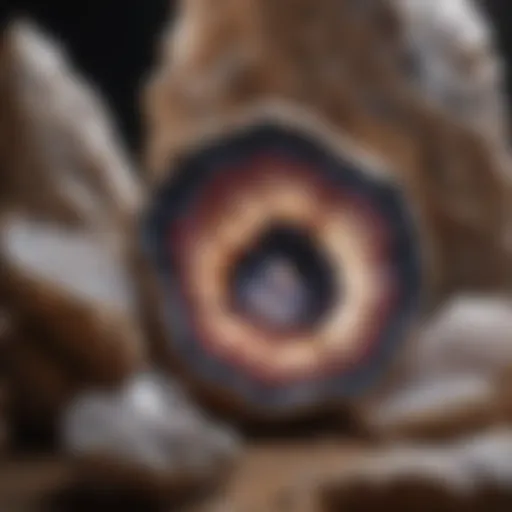
Mammoth teeth are more than simple objects. They are complex structures made of enamel, dentin, and cementum, designed for the dietary needs of massive herbivores. Each molar can weigh up to two pounds and measures several inches across. They are distinctive due to their large size, ridges, and a particular morphology that reflects the animal’s feeding habits. These teeth, composed of thousands of layers, tell a narrative of survival in harsh Pleistocene environments.
To give a clearer idea, mammoth teeth are generally categorized into types based on their shape and wear patterns. For example, the upper molars are often broader, adapted for grinding coarse vegetation, while lower molars may showcase different wear characteristics based on geographic location and available food sources. This intricate makeup is a window into their dietary habits, which ranged from grasses to shrubs, and helps trace their evolutionary history as they adapted to changing climates.
Historical Context and Importance
Looking back at history, mammoths vanished around 4,000 years ago, and their teeth are essential for paleontologists to understand this extinction event. The context in which mammoth teeth are found—often in glacial deposits or sediment—provides clues about past environments, including climate conditions and ecosystem dynamics. From archaeological sites in Siberia to the frozen tundras of Alaska, these fossils shed light on how early humans interacted with megafauna, giving insight into hunting practices and survival strategies.
Moreover, the allure of mammoth teeth transcends mere scientific interest and enters the realm of art and culture. They have featured in traditions, sometimes carved into tools or jewelry, and serve as reminders of the connections between humans and the environment. As such, collecting mammoth teeth is not just about owning a piece of the past; it's about engaging with human history and the broader story of life on Earth. These artifacts call to collectors, researchers, and enthusiasts alike, making them a captivating area of interest.
"Mammoth teeth are not just remnants of a bygone era; they are keys to unlocking the mysteries of our planet's history."
In summary, the importance of mammoth teeth lies in their ability to bridge gaps between ancient ecosystems and modern understanding. As we explore further in this guide, we will uncover the scientific, historical, and market aspects surrounding mammoth teeth, providing a comprehensive look at why these collectibles are truly gems from the past.
The Science Behind Mammoth Teeth
The examination of mammoth teeth delves into the profound intersections of ancient biology, geology, and modern paleontology. Understanding their anatomy not only sheds light on the dietary habits and lifestyle of these majestic creatures, but it also opens doors to broader implications in the study of prehistoric life. This section navigates through the vital aspects of mammoth teeth from their structure to their fossilization, ultimately revealing how they contribute valuable information about history and our planet's evolution.
Anatomy of Mammoth Teeth
Mammoth teeth are astounding specimens. They are typically large, flat, and ridged, adapted for grinding tough plant material. The structure is comprised mainly of enamel, dentin, and pulp, similar to human teeth, but markedly larger.
- Enamel: The outer surface is exceptionally tough, offering protection during the grinding process. Interestingly, the enamel on mammoth teeth can have up to six layers, allowing for prolonged wear.
- Dentin: Beneath the enamel lies dentin, which supports the enamel and helps in grinding food. It is softer than enamel and shows damage from wear and tear.
- Pulp: The innermost layer, similar to that in human teeth, contains nerves and blood vessels. While this layer deteriorates in fossils, studying it can provide insights into the mammoth's health and age at death.
Mammoths had five functional molars, which were replaced throughout their lives. This fascinating aspect illustrates their adaptation to a rough diet, vital for their survival in harsh climates. Each new tooth set would grind through vegetation until it was worn down, showcasing a continuous cycle of life and the relentless pursuit of sustenance.


Fossilization Process
Fossilization is a rare and intricate process that preserves these ancient teeth for our study. The combination of environmental conditions, like low temperatures and quick burial under sediment or ice, typically aids in this preservation.
- Quick Burial: Rapid covering protects remains from scavengers and decomposition.
- Mineral Replacement: Over thousands of years, the organic material in teeth gradually gets replaced by minerals from the surrounding soil and water.
- Sediment Layering: The weight of layers above compresses the fossils, facilitating their survival through time.
The exceptional preservation of mammoth teeth has provided researchers with stunning visuals of their growth patterns and wear. These incremental lines can tell a story – much like tree rings – giving pointers on climate conditions and dietary changes throughout their life stages.
Implications for Paleontology
The presence and study of mammoth teeth yield far-reaching implications within paleontology and beyond. They act as time capsules, revealing crucial details about the environment and species' evolution.
- Dietary Insights: By analyzing the wear and composition of these teeth, scientists can deduce the diet and foraging patterns, which contribute to understanding the ecosystem they inhabited.
- Evolutionary Biology: Mammoth teeth provide an azimuth toward studying evolutionary adaptations, showcasing how these creatures thrived against climate changes and habitat variations.
- Climate Research: These fossils are vital for reconstructing past ecosystems and understanding the climatic changes that led to the extinction of these titans.
Mammoth teeth not only offer a glimpse into an ancient world but also act as pivotal indicators of ecological shifts, driving home the lessons of adaptation and survival in the face of environmental change.
The complexities involved in the science behind mammoth teeth underscore their importance not only as collectible artifacts but as essential keys to unlocking the history of life on Earth.
Market Demand for Mammoth Teeth
Mammoth teeth have carved out a distinctive niche in the collectibles market, attracting enthusiasts, collectors, and researchers alike. The demand for these remarkable fossils is driven not only by their historical significance and scientific intrigue but also by their aesthetic appeal. Various factors intertwine, making the desire for mammoth teeth a fascinating aspect of modern collection trends.
Collecting mammoth teeth is about more than just owning a piece of the past. It’s about the stories they carry and how they connect the present to a world that existed thousands of years ago. For many collectors, these teeth represent the remnants of an era long gone, where mammoths roamed the plains alongside early humans. This allure of ancient life captures the imagination, as it reminds people of what has come before us.
The rise in public interest in natural history has only fueled this market further. Museums and documentaries consistently highlight these prehistoric giants, raising awareness and appreciation for their remains. As more people gain an understanding of the importance of mammoth teeth, the demand continues to grow.
"Owning a mammoth tooth isn't just about the fossil; it's about the connection to an ancient narrative that has captivated the human mind for centuries."
Collectibles and Curiosities
Mammoth teeth stand out in the realm of collectibles due to their unique characteristics. Unlike ordinary stones or shells, a mammoth tooth is a tangible piece of history. Collectors often seek them out for various reasons:
- Educational Value: They offer insights into prehistoric diets and behaviors.
- Unique Aesthetics: The variations in color, texture, and size can be strikingly beautiful, providing an uncommon decorative element.
- Fascination with the Past: Each tooth holds a unique backstory, making them not just collectibles, but conversation starters.
In many societies, mammoth teeth are also considered curiosities, especially due to their size and weight. With some specimens weighing over 100 pounds, these large fossils capture the imagination. Each curve and etch on their surface tells a story, and many collectors find joy in researching the history behind their specific pieces.
Most importantly, however, is to recognize the evolving nature of this market. The increasing availability of mammoth teeth, due to improved excavation techniques and legal sourcing, has opened the floodgates to new collectors.
Factors Influencing Value
Several factors play a critical role in determining the market value of mammoth teeth:
- Condition of the Specimen: Teeth that are well-preserved, showing minimal wear and tear, typically fetch higher prices.
- Provenance: The history of ownership can add value. A tooth with a documented history or one that comes from a well-known site is often seen as more desirable.
- Size and Weight: Larger specimens are usually more valuable, especially if they are of high quality.
- Rarity: Some types of mammoth teeth are rarer than others, which can significantly boost their market worth.
- Market Trends: Like other collectibles, the demand can fluctuate based on public interest and economic factors.
When considering a purchase, it’s wise to research recent sales to gauge the current market. Websites like reddit.com or specialized auction sites can provide insight into what collectors are willing to pay for specific pieces.
Ultimately, the world of mammoth teeth collecting is as rich and varied as the specimens themselves. By understanding the market demand and valuing the narratives that each tooth encapsulates, collectors can navigate this fascinating landscape with confidence.
Where to Buy Mammoth Teeth
Acquiring mammoth teeth is not just a transaction; it's stepping into a world where history and rarity collide. The importance of knowing where to buy these unique collectibles lies in ensuring authenticity, value, and the overall experience of collecting. With the rise in interest surrounding dinosaur and prehistoric relics, the market for mammoth teeth has also surged, leading to various platforms where these fossils can be obtained. In this section, we’ll break down the best sources to purchase mammoth teeth, ensuring that collectors make informed decisions.
Reputable Sources


When it comes to sourcing mammoth teeth, not all avenues are created equal. Finding a reputable source is crucial for several reasons:
- Authenticity Assurance: Many collectors fear the threat of forgeries or misrepresented items. Trusted dealers often provide certificates of authenticity.
- Quality Control: Well-regarded sources usually have stricter quality criteria, ensuring that what you buy is genuinely a mammoth tooth in good condition.
- Knowledge Access: Reputable sellers often have extensive knowledge and can offer insights on the specifics and history of the pieces they sell.
One excellent starting point is organizations dedicated to fossils and ancient artifacts, as they maintain a list of trusted dealers. Websites like en.wikipedia.org and britanica.com can also guide collectors in finding credible sellers.
E-commerce Platforms
The digital age has revolutionized how collectors can purchase mammoth teeth. Various e-commerce platforms specialize in such collectibles:
- eBay: A well-known marketplace with both individual sellers and businesses. It offers a range of prices, but buyers should always check seller ratings and reviews closely.
- Etsy: This platform features artisans and collectors who often offer unique pieces, making it a good spot for one-of-a-kind specimens.
- Specialty Fossil Sites: Websites like fossilera.com and theprehistoricstore.com often provide a more curated selection, guaranteeing that each piece has undergone rigorous vetting.
When buying online, always prioritize sites that maintain a solid seller reputation, and pay attention to return policies.
Auction Houses
For collectors looking to acquire high-value mammoth teeth, auction houses can be a goldmine. Many well-established auction houses offer a chance to bid on rare fossils:
- Sotheby’s and Christie’s: Among the most prestigious, they have periodic auctions featuring natural history items, where legitimate mammoth teeth may appear.
- Heritage Auctions: Specializing in various collectibles, this house often has a dedicated section for fossils, providing a platform for serious buyers and sellers.
- Local Auction Houses: Don’t overlook smaller auction houses that may occasionally feature mammoth teeth. Building relationships with these venues can spot rare finds before they go public.
The thrill of an auction is not just in the final price but in the journey of discovery and the stories tied to each piece.
Exploring these avenues will empower collectors to seek authentic and valuable specimens that truly enhance their collections. Whether purchasing through specialized dealers, e-commerce platforms, or participating in auctions, being informed is key to a satisfying buying experience. The world of mammoth teeth is vast, and knowing where to look can make all the difference.
Caring for Your Mammoth Tooth
Caring for a mammoth tooth goes beyond aesthetics; it’s about preserving a piece of history that has seen eons pass. For collectors, understanding how to care for these ancient relics ensures not only their physical integrity but also their historical value. Investing time into proper storage and maintenance is essential for safeguarding your specimen against wear and damage, which could diminish its worth and significance.
The preservation of these ancient teeth not only maintains their physical appearance, but it also keeps their stories alive, serving as a tangible connection to the past.
Storage Solutions
When it comes to storing your mammoth tooth, a little foresight can go a long way. Humidity and temperature are two significant factors affecting fossil conservation. Ideally, you want to maintain a stable environment, around 60-70°F with 30-50% humidity. Fluctuations can cause the material to crack or degrade over time.
Here are some practical tips for effective storage:
- Use a display case: A well-constructed display case provides physical protection and keeps dust and pollutants at bay.
- Avoid direct sunlight: Prolonged exposure to UV light can discolor and deteriorate organic materials. Ideally, your tooth should be kept in a low-light area.
- Keep away from heat sources: Radiators, fireplaces, or any other heat-producing appliance can adversely affect the integrity of the tooth.
- Secure it properly: Use acid-free tissue or felt to cushion the specimen when storing it in a box. Ensure the tooth does not move around, preventing any accidental impacts.
Proper storage is like a time capsule. It keeps the essence of the past intact for future eyes to see.
Cleaning and Maintenance Tips
Keeping your mammoth tooth clean is equally important to its preservation. Though these fossils are durable, they require gentle care to maintain their allure without compromising their structure.
When cleaning your tooth, avoid harsh chemicals; instead, take a more natural approach:
- Dust regularly: Utilize a soft brush or a microfiber cloth to gently remove dust. It’s better to do this often than let dirt accumulate.
- Use water sparingly: If your tooth has visible grime, slightly dampen a soft cloth with distilled water. Gently wipe the surface and make sure it dries completely. Avoid soaking or submerging it, as moisture can lead to deterioration.
- Inspect periodically: Regular checks will help you find any cracks or signs of wear. Early detection can be key in helping avoid further damage.
- Avoid chemical cleaners: Be cautious with any products like glass cleaner or furniture polish, as these can leave residues or damage the tooth's surface. Stick to simple and gentle methods for longevity.
Taking these steps seriously not only keep the tooth looking pristine but will also ensure that it remains a cherished heirloom for years to come.
Ethical Considerations in Fossil Collection
Fossils, including mammoth teeth, are valuable links to our planet's history. However, as the allure of collecting these ancient relics grows, so too does the importance of ethical considerations surrounding their acquisition and preservation. In the context of fossil collection, ethics serves not only to protect these irreplaceable objects but also to honor the rich tapestry of life they represent.


Legal Framework
The legal landscape for fossil collection can be quite complex, often varying based on geographical location and specific regulations. In many countries, the collection of fossils is governed by a mix of federal, state, and local laws. For instance, in the United States, the collection of fossils from public lands is often restricted to ensure that geological and paleontological resources are preserved for future generations. The Federal Fossil Management Act dictates how fossils must be treated, protecting significant finds from being illicitly collected or sold.
In an ideal scenario, collectors should familiarize themselves with the applicable laws in their area. This includes obtaining necessary permits for excavation or collection, ensuring that all specimens are legally acquired, and respecting land rights. Sometimes, private landowners may impose specific conditions on the collection of fossils found on their property. Being well-informed not only safeguards an individual collector but also contributes to the broader community by preventing the illicit trade of fossils.
Conservation Challenges
Collecting fossils, including mammoth teeth, presents numerous conservation challenges that every collector should be aware of. One major concern is the potential for over-collection. As demand surges, there’s a risk that unique sites may be depleted or damaged beyond recovery. In some cases, poorly conducted collections can disturb delicate ecosystems or lead to the destruction of other significant geological formations.
It’s essential to ensure that fossil collection activities are balanced with conservation efforts. Protecting potential sites from disruption is critical for documenting and studying the fossil record.
Another challenge is the degradation of fossil specimens themselves. Biological material, such as bone and ivory, is highly susceptible to environmental factors such as moisture and sunlight. Over time, these can lead to cracks, fading, or even complete disintegration. Collectors should be aware of best practices for the handling and storage of fossils, including maintaining optimal temperatures and humidity levels.
Lastly, ethical considerations also extend to the societal impact of fossil collection. When fossils are removed from their natural context, the accompanying geological and archaeological data that provide crucial insights is often lost. Responsible collectors often advocate for the documentation and preservation of context where fossils are found, ensuring that future generations have access to this information.
In summary, engaging in ethical fossil collection involves awareness of legal frameworks, conservation challenges, and the broader implications for our understanding of the past. This conscientious approach not only helps preserve valuable specimens but also supports the integrity of the scientific community and our planet’s history.
The Future of Mammoth Tooth Collecting
The appeal of collecting mammoth teeth stretches beyond mere aesthetics; their future in the collectibles market holds a fascinating narrative. As awareness grows about these ancient relics, so does public interest. Notably, there's an increasing group of collectors with a discerning focus on both the scientific and historical significance of mammoth teeth. Given the right circumstances, this segment could flourish, offering fresh opportunities and increasing value in the market.
Technological Advancements in Preservation
With the evolving landscape of technology, the preservation techniques for mammoth teeth are becoming more sophisticated. Innovations like 3D scanning offer detailed visualizations, allowing collectors to understand the structure of the teeth without causing damage. Moreover, improved climate-controlled storage solutions help maintain the integrity of these fossils for future generations.
- 3D Printing: This technology enables the replication of teeth, providing a means for education and display without risking the originals. This approach helps alleviate concerns over wear and tear during public exhibitions.
- Digital Cataloging: With the help of online databases, collectors can easily trace the provenance of a mammoth tooth, ensuring authenticity and a clearer picture of its journey from the ground to a private collection.
Business-savvy collectors are already leveraging these advancements. By investing in quality display cases equipped with UV protection and humidity controls, they elevate the aesthetic appeal of their collections while ensuring longevity. These proactive steps can transform the often static process of fossil collecting into a dynamic conversation piece at gatherings and exhibitions.
Role in Education and Research
Mammoth teeth are not just artifacts; they are vital in expanding our understanding of prehistoric ecosystems. As educational tools, they offer insights into the diets, habitats, and lifestyles of mammoths.
- Educational Institutions: High schools and universities are increasingly incorporating these fossils into their science curricula. Students benefit from hands-on opportunities to study mammoth teeth, fostering curiosity and encouraging a deeper interest in paleontology.
- Research Collaborations: Fossil collectors and researchers are forming partnerships that enhance knowledge in areas such as climate change and extinction patterns. This collaboration promises to generate significant insights into how ancient megafauna adjusted to their environments.
"By studying mammoth teeth, we aren't just looking back at the past; we're piecing together the environmental changes that may forecast our own future."
The role of mammoth teeth in education is invaluable. They stimulate academic discussions, support field studies, and can even fortify community engagement through local museums and exhibitions. As these initiatives expand, the value of mammoth teeth as educational tools and collectibles will likely see a corresponding rise.
Persistently centering attention on sustainable practices will enhance the future of fossil collecting. Engaging responsibly in this hobby ensures the preservation of these beautiful specimens.
Moreover, the synergy between preservation technology and educational engagement will likely unearth fresh potential in the collectibles market. With the right strategies, the future of mammoth tooth collecting is not just bright; it’s pivotal to understanding our ecological past.
Finale
Reflecting on the significance of mammoth teeth reveals a treasure trove of knowledge and appreciation that transcends mere aesthetics or market value. These ancient relics encapsulate a rich tapestry of history, evolution, and the intricate dance of survival and extinction. While they might be seen as collectible gems, their true value lies deeper, in the stories they tell about our planet's past.
Mammoth teeth serve as a window into ecosystems that existed thousands of years ago, providing clues about climate change and animal behavior. Each tooth tells a unique story, offering evidence of diet, habitat, and even migratory patterns. Understanding these facets adds layers of meaning to the act of collecting.
Benefits of Embracing Mammoth Teeth as Collectibles
- Historical Context: Owning a piece of mammoth history connects collectors to an era when these magnificent creatures roamed the Earth.
- Educational Value: For enthusiasts and researchers, them represent essential artifacts that enrich educational pursuits in paleontology and natural history.
- Investment Potential: The demand for mammoth teeth is growing in the collectibles market, creating potential for material value that can appreciate over time.
Considerations for Collectors
Engaging in this hobby requires not just passion, but also a sense of responsibility. Collectors should be mindful of ethical considerations regarding sourcing and preservation. It’s vital to purchase specimens from reputable dealers and to stay informed about legalities surrounding fossil collection. Supporting conservation efforts and sustainable practices will ensure that the integrity of fossilized remains is respected for future generations.
In essence, the world of mammoth teeth extends far beyond their physical presence. It invites collectors to ponder ecological shifts, engage in scientific inquiries, and appreciate the marvels of nature's endurance. As we reflect on what these ancient artifacts symbolize, we cultivate a deeper understanding of our role within the continuum of life on Earth.