Guide to Collecting Large Petrified Wood
Intro
Large petrified wood has become a captivating segment of fossil collecting. With its unique combination of natural beauty and geological wonder, these magnificent specimens tell a story that spans millions of years. For those delving into the complexities of collecting, understanding the nuances of what makes this particular type of fossil alluring can shape one’s experience and appreciation.
As collectors explore the market, they’ll encounter an array of options, from small pieces suitable for display to massive trunks that can serve as striking focal points in a garden or home. This guide aims to illuminate routes for both newcomers and seasoned enthusiasts to navigate the intricacies involved in buying, maintaining, and showcasing large petrified wood, helping them make informed choices.
Overview of the Topic
Definition of Key Terms
Petrified wood refers to the fossilized remains of terrestrial vegetation. Over time, organic material becomes replaced by minerals, most commonly silica, which creates a stone-like entity. The process of petrification retains the original structure, down to the growth rings, resulting in a visual marvel.
Here are a few terms essential to understanding this field:
- Petrification: The process through which organic material transforms into stone.
- Silicified wood: Wood that has been entirely replaced by silica.
- Geological age: This refers to the time period during which the tree existed, often indicated on the price tag, enhancing its value and appeal.
Historical Significance
The practice of collecting petrified wood dates back to prehistoric times. Tribes in North America cherished these remnants, using them for tools and artifacts long before the advent of modern geology. Notably, in places like the Petrified Forest National Park in Arizona, the history of petrified wood draws together the ancient past with contemporary conservation efforts. This brings a layer of appreciation that goes beyond mere aesthetic value.
When exploring petrified wood as collectibles, one must consider not just the physical attributes but also its role in our earth's geological history. Knowing the story behind each piece can greatly enhance the collecting experience.
Types of Collectibles
Classification of Different Collectibles
Collectors can find various types of petrified wood collectibles, catering to different preferences and display styles. Here’s a brief classification based on size and formation:
- Slabs: Cut pieces that showcase the wood's internal patterns. Perfect for home decor or table tops.
- Logs: Larger, whole pieces often used in landscaping or as garden accents.
- Jewelry and Small Items: Smaller sections polished for pendants or decorative items, adding a touch of nature's art to everyday wear.
Notable Categories
In terms of origins and specific characteristics, petrified wood can be categorized into notable types:
- Agatized wood: Known for its vivid colors and patterns, often displaying crystalline structures.
- Opalized wood: Contains traces of opal, producing a mesmerizing range of shades.
- Color variations: Wood can display an array of hues, influenced by the mineral content during petrification.
"Petrified wood is more than just a stone; it’s a glimpse into a time long past, where life thrived and once mighty trees stood tall. Each piece carries the essence of the earth's history."
As you dive into the world of large petrified wood collecting, appreciation for both its unique geological journey and its potential decorative uses will enhance your experience. Understanding these different types and characteristics is essential, enabling collectors to make smarter choices in what they add to their troves.
Understanding Large Petrified Wood
When venturing into the world of large petrified wood, it’s essential to grasp the layers of meaning behind these ancient artifacts. People often see these stunning pieces as mere decorative ornaments; however, their significance transcends aesthetics. They serve as a portal into an era long gone, showcasing nature’s remarkable ability to endure the test of time. In the realm of geology and natural history, large petrified wood offers a glimpse into the past ecosystem, giving insights into the flora and climate conditions that flourished millions of years ago.
Understanding large petrified wood is crucial for collectors to appreciate not just its beauty but also its geological context. Each piece tells a story—formed through a lengthy process of mineralization, where organic material transitions to stone, encapsulating not only the structure of the tree but also the environment surrounding it.
Moreover, engaging with large petrified wood involves certain considerations for both collectors and enthusiasts. For instance, knowing how to evaluate the quality and authenticity of these pieces is key. A collector who understands the nuances can make informed decisions, potentially avoiding pitfalls like forgeries or overpriced specimens. In a market where value fluctuates based on factors such as size, quality, and unique characteristics, having a foundational knowledge can significantly influence investment and enjoyment.
In this article, we’ll dig into various aspects of large petrified wood—from its formation process to its appeal for collectors. Each segment will unfold the layers of this captivating subject.
The Formation Process
Petrified wood forms over millions of years through a captivating mineralization process that requires specific geological conditions. Initially, a tree must fall and get buried under sediment, often in a floodplain or volcanic area, where it is protected from the elements and decay. Over time, groundwater rich in minerals flows through the decaying wood, replacing its organic material with minerals like silica, calcite, or pyrite.
This slow metamorphosis not just preserves the original structure of the wood but also captures the intricate details, like growth rings and bark textures. For enthusiasts, understanding this transformation is fundamental because it’s not only a scientific marvel but it plays directly into the aesthetic appeal of the wood. When you see the vibrant colors and patterns, know they are a testament to a complex journey through time.
Geological Importance
Large petrified wood is a valuable resource in geological studies. It serves as an indicator of past climates and ecosystems, with each piece providing clues about the environment in which the tree once thrived. Scientists often study these specimens to understand paleoclimate conditions, as they reflect the annual growth patterns that can indicate regional climate changes over time.
Furthermore, petrified wood plays a role in understanding extinction events and ecological shifts. By examining these fossils, researchers can piece together the puzzle of how certain plant species adapted or perished in response to changing climates. Thus, large petrified wood is not just a collector's curiosity, but a vital component in reconstructing Earth’s ancient biological and climatic history.
Types of Petrified Wood
As with many natural artifacts, the type of petrified wood varies widely. Each type has distinct characteristics shaped by its mineral content and the environment it originated from. Here are a few notable types:
- Agatized Wood: Known for its vibrant colors and translucency, agatized wood is infused with agate, making it highly sought after by collectors.
- Opalized Wood: This variant contains opal, resulting in a dazzling, iridescent finish. It’s particularly valued for jewelry and decorative items.
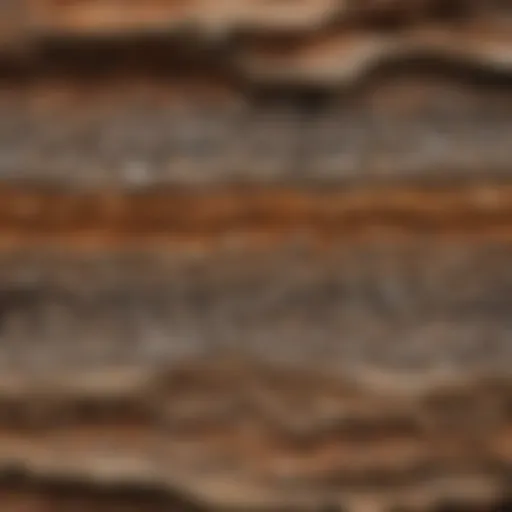
- Banded Petrified Wood: As the name suggests, this wood exhibits visible bands, created by varying mineral deposits during the fossilization process.
Collecting different types of petrified wood can be an enriching pursuit, offering diversity in aesthetic appeal and geological significance. Understanding these variations can enhance a collector's appreciation and knowledge, elevating their collecting experience.
The Aesthetic Value of Large Petrified Wood
The aesthetic value of large petrified wood extends beyond mere visual appeal; it captivates collectors and enthusiasts alike. These ancient remnants of trees reveal rich textures and intricate patterns, showcasing nature’s artistry through the process of fossilization. As the natural world evolves, these organic forms freeze in time, creating stunning pieces that tell stories of a different era. The variations found in colors and patterns can transform any space, providing not just decoration but a conversation starter that highlights the wonder of geological history.
Natural Beauty and Patterns
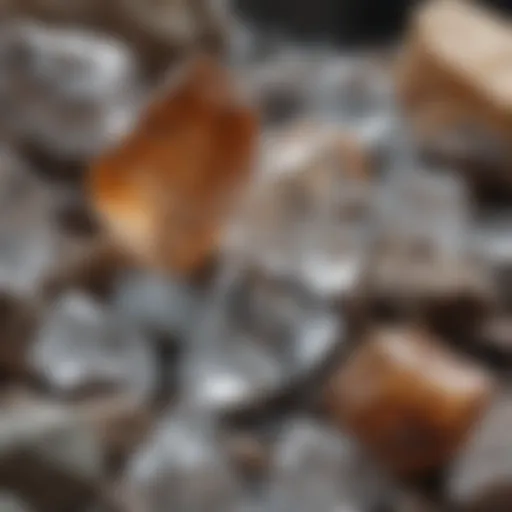
What makes large petrified wood truly enchanting is its diversity of patterns and colors. When you take a closer look, the swirls and stripes sometimes mimic the beauty of marble, while other times they might evoke an image of a mountain landscape. From deep browns to vibrant reds, every piece holds a unique story. The marbling effect often arises from the mineralization process that takes place over millions of years, as silica, carbonates, and other minerals densely replace the wood's cellular structure.
Here are some common patterns you might encounter in large petrified wood:
- Agatized Wood: Features quartz crystal formations with striking banding, characterized by colorful layers. This type often resembles gemstones, displaying hues of blue, purple, and green.
- Dendritic Patterns: Take on a plant-like appearance, reminiscent of delicate ferns or roots, made by mineral deposits creating intricate designs.
- Burls: Formed from growths on the tree, resulting in an unpredictable grain pattern that adds depth and interest.
All these distinctive traits not only symbolize the ancient life of trees but also contribute significantly to their allure among collectors. Thus, choosing a piece isn't merely about aesthetics; it’s about selecting a work of natural art that resonates with individual tastes and preferences.
Applications in Home écor
Large petrified wood pieces have carved a niche in home décor that goes beyond being simple conversation pieces. With a touch of elegance and a slice of history, these artifacts enhance various interior design styles. From mid-century modern to rustic aesthetics, petrified wood complements a range of settings.
Here are a few ways to incorporate large petrified wood into your living space:
- Table Centerpieces: Whether as a coffee table or a dining table centerpiece, these pieces can become the focal point of any room, drawing eyes and admiration.
- Sculptural Elements: Use them as standalone sculptures, placed strategically in corners or on stands. Their organic shapes can contrast beautifully against angular furniture.
- Wall Art: Some collectors choose to mount them on walls, allowing the unique patterns to serve as artwork, bringing a natural element into the home.
- Functional Decor: Items like coasters made from polished petrified wood add elegance while being practical.
In summary, the aesthetic appeal of large petrified wood lies not only in its natural beauty but also in its versatility. By incorporating these remarkable pieces into homes, collectors engage with a rich tapestry of history, geology, and artistry, all while enhancing their living environments.
Where to Find Large Petrified Wood for Sale
Finding large petrified wood can feel like searching for a needle in a haystack, but the satisfaction of unveiling a unique piece is well worth the effort. Whether you are a seasoned collector or just dipping your toes into the fascinating world of fossils, knowing where to source these specimens is critical. This section will highlight several avenues where these exquisite wooden relics can be found, outlining the advantages and pitfalls of each option.
Online Marketplaces
When it comes to acquiring large petrified wood, online marketplaces offer a wide range of choices. Websites like eBay, Etsy, and even specialized fossil-selling sites connect sellers from different corners of the globe with interested buyers. A significant advantage here is the sheer volume of options available. You can browse different pieces from various sellers, making it easier to compare prices and features.
However, caution is essential. Not all listings will be transparent regarding the quality or authenticity of the wood, so keep an eye out for detailed product descriptions, clear images from various angles, and seller ratings. Reach out to sellers if you have questions; a reliable seller will be more than willing to offer thorough answers.
Here are some tips for online buying:
- Look for certification of authenticity if provided.
- Read buyer reviews to gauge trustworthiness.
- Pay attention to shipping and return policies, as large items like petrified wood can have significant associated costs.
- Utilize filters effectively to narrow your search based on quality, pattern, and price range.
Local Rock Shows and Fairs
Visiting local rock shows and fairs can be like stumbling upon a treasure trove for rock and fossil enthusiasts. These gatherings often feature vendors with extensive knowledge about their wares, and they can display everything from modestly sized specimens to impressive large petrified logs. There are some unique benefits to buying in person that online shopping simply can't replicate.
You get the chance to inspect each piece closely: you can feel its weight, see the colorful patterns up close, and even engage directly with the seller. Moreover, local events often foster a vibrant community of fellow collectors who are happy to share tips, stories, and perhaps even their favorite sources.
Still, be aware that local shows might not always have an exhaustive selection. Often, the rarest pieces are in high demand, so it’s wise to arrive early and keep your eyes peeled.
Specialty Fossil Shops
If you’re on the hunt for high-quality petrified wood, specialty fossil shops can be a gold mine. Unlike generic shops, these establishments focus on fossils and geological specimens, meaning you're more likely to find knowledgeable staff who can provide valuable insights about the wood you’re interested in.
These shops often carry pieces that aren’t widely available online or at local fairs. Collectors can usually find intricate designs and high-grade materials, making these venues an excellent option for serious enthusiasts. Prices will vary, but expect to pay a bit more than what you'd find in other outlets, especially for well-preserved pieces with sought-after features.
"Just as with any art collection, the story behind the piece can add immense value to any petrified wood you acquire."
It’s also a great way to build relationships with dealers who may offer first dibs on rare finds or estate sales in the future.
Finding large petrified wood for sale involves exploring different venues, both online and offline. Each option will serve different needs, and diversifying your sourcing strategies may just lead you to the gem you’ve been searching for.
Evaluating the Quality of Large Petrified Wood
When it comes to large petrified wood, determining quality is crucial for collectors. The value of these specimens isn't merely in their size but in the characteristics that set them apart. Understanding what makes a piece of petrified wood stand out aids not only in making smart purchases but also in nurturing an impressive collection.
The quality can significantly affect resale value, making it essential to look for key traits that can either enhance or diminish a specimen's worth.
Key Characteristics to Consider
Several factors can determine the quality of large petrified wood. When assessing a piece, consider the following critical attributes:
- Color: A vibrant color spectrum can indicate higher quality. Rich hues come from mineral absorption during the petrification process, enhancing visual appeal.
- Patterns and Grain: Distinctive patterns often emerge from the types of minerals present, such as agate or quartz. Unique grain structures can also reflect the tree's natural pattern, contributing to its aesthetic value.
- Size and Shape: Larger specimens are generally more coveted. However, the shape and how well-preserved the piece is can add to its desirability.
- Texture: A smooth and polished finish often signifies a well-maintained piece, enhancing its overall appeal.
Before investing, take your time to closely inspect these characteristics as they dictate not just beauty but also the legacy of the wood.
Authenticity and Certification
In the world of collecting, the authenticity of petrified wood cannot be overstated. Here’s what you should consider about verifying a piece:
- Certification: Many reputable dealers provide certificates of authenticity which verify that the wood is indeed petrified and not another type of product. This documentation can help ensure you're not getting duped.
- Provenance: Knowing where the fossil came from can provide insights into its authenticity. Specimens from well-regarded locations or those with a history are often more desirable.
- Expert Opinions: Connecting with experts or appraisers can give a second opinion on the quality and authenticity if you are unsure.
"The confidence in a collector's eyes often stems from the quality and authenticity of the acquisitions they make."
It’s prudent to buy from trusted sources to avoid forgeries. Having reliable background information can save you from future disappointments.
Price Range and Market Trends
The market for large petrified wood can shift like sand underfoot. Knowing the price range and current trends can help you gauge whether an offering is fair:
- Price Range: Quality petrified wood can range from a few hundred to thousands of dollars. Prices often increase with rarity, size, and stunning characteristics.
- Market Trends: Keeping an eye on trends can help you identify when prices might spike or fall. For instance, pieces with vivid colors tend to see upticks during certain periods due to popularity in decor.
- Investment Value: Sometimes, it’s not just about aesthetics. Certain pieces may emerge as excellent investments, appreciating in value over time. Researching past sales can provide insight into potential future values.
Being informed about the price range gives you an edge, helping you to be a savvy collector who knows when to splurge or wait.
Engaging with online communities and staying updated through forums like Reddit can offer new insights and knowledge.
In summary, evaluating the quality of large petrified wood involves a deep dive into its characteristics, authentication, and market trends—key areas that any serious collector should prioritize.
Caring for Your Petrified Wood Collection
Caring for your petrefied wood collection is more crucial than many collectors realize. It's not just about preserving the surface appearance; it's about maintaining the integrity of these irreplaceable artifacts of geological history. Proper care helps prevent deterioration and keeps your collection looking its best, which is essential for aesthetics and long-term value. Whether you're a novice or a seasoned collector, understanding the nuances of care can significantly enhance your joy and appreciation of these stunning pieces of natural history.
Cleaning Techniques
When it comes to cleaning petrified wood, be gentle and thoughtful. This ancient wood can be surprisingly delicate, and it's essential to use techniques that won't harm its surface. Here are some recommended cleaning methods:
- Dusting with a microfiber cloth: This is the easiest method and can be done regularly to keep your pieces free of dust. Microfiber is soft and non-abrasive, preventing scratches.
- Water and mild soap: For more stubborn grime, a solution of lukewarm water and a few drops of mild dish soap can work wonders. Use a soft sponge to clean the surface, being careful to avoid soaking the wood. After cleaning, rinse with clean water and dry immediately with a microfiber cloth.
- Avoid harsh chemicals: Stay away from ammonia-based cleaners or acids, as these can break down the minerals that give petrified wood its unique look.
"A little care goes a long way. Treat your petrified wood with respect, and it will reward you with beauty for years to come."
Remember to clean your petrified wood pieces regularly, as dirt and dust can accumulate over time, dulling their luster and hindering appreciation of their colors and patterns.
Optimal Display Conditions
Proper display conditions for your petrified wood collection can greatly affect its longevity and visual appeal. Here are a few key factors you should consider:
- Temperature and Humidity: Keep the temperature stable, ideally between 60-75°F (15-24°C). Fluctuations can cause the wood to crack. Low humidity is preferable, but it’s also wise to avoid excessively dry environments, which can lead to fissures.
- Lighting: Direct sunlight can fade the colors of petrified wood over time. It’s best to display your collection in areas that receive indirect light or use UV-filtering glass to protect your pieces without cutting off natural light entirely.
- Avoid contact with oils and liquids: When displaying, ensure the pieces are on mounts or stands that avoid direct contact with surfaces. Oils from skin or spills can lead to permanent stains.
- Spots and Groups: Think about how you arrange your collection. Pieces that complement one another can enhance the overall visual experience. Making sections by color, type, or size might create a narrative that guides the viewer through your unique collection.
Caring for your petrified wood collection isn’t just about upkeep. It’s a way of honoring the millions of years that these pieces have endured to reach you. By putting thought into both cleaning and displaying them, you’re engaging in a dialogue with nature’s artistry.
The Role of Large Petrified Wood in Education


Large petrified wood isn’t just a feast for the eyes; it serves a crucial role in education, particularly in the fields of geology and environmental science. This magnificent natural phenomenon, formed over millions of years, provides tangible links to the Earth’s prehistoric past. Educators and students alike find value in these ancient artifacts, as they deepen the understanding of complex geological processes and the rich history of our planet.
Utilizing in Geological Studies
In geological studies, large petrified wood acts as a vital educational tool. Geologists often study these fossils to glean insights into ancient environments and ecosystems.
- Formation Insights: The process of fossilization can tell us about the ecological conditions that existed millions of years ago. Through analyzing the cellular structures within petrified wood, researchers can infer the climatic conditions that were present during its growth.
- Dating Techniques: Techniques like dendrochronology, the study of tree rings, can help date the wood and place it within a specific geological time frame. This is not just beneficial for geology enthusiasts, but also historians and archaeologists who need context for human history.
- Biodiversity Indicators: Large petrified wood can indicate biodiversity in ancient forests, helping students understand how ecosystems evolve. For instance, a collection of various types of petrified wood from a single locality can point to a diverse range of tree species that coexisted.
As students get hands-on experience with these specimens, they develop a deeper appreciation for the natural world. Engaging with actual samples can spark curiosity and enthusiasm, igniting a passion for earth sciences.
Integrating into Classroom Learning
Incorporating large petrified wood into classroom settings expands the horizons of learning in several ways. Educators can implement interactive and engaging methods to teach various concepts that span beyond geology:
- Visual Aids: Large pieces can be displayed prominently in classrooms, serving as excellent visual stimuli. They can spark discussions on topics ranging from evolution to conservation.
- Field Studies: Arranging field trips to sites where petrified wood can be found encourages experiential learning. Students can examine the surroundings and directly connect theoretical knowledge of geology with real-world examples.
- Interdisciplinary Projects: Teachers can design projects that combine art, history, and science. For example, students might create art pieces inspired by petrified wood or investigate the historical significance of forests in human development.
"Petrified wood stands as a timeless monument to life that once thrived, offering students a unique window into our planet's distant past."
Engaging with these specimens not only enriches the curriculum but also encourages critical thinking and analytical skills. By providing a real and tangible connection to the concepts discussed in class, large petrified wood serves as a bridge between theoretical knowledge and practical understanding, reinforcing lessons through authentic experiences.
Through thoughtful integration of large petrified wood into educational settings, both students and educators gain a wealth of knowledge and inspiration. As they delve into the stories behind these ancient remnants, they foster a deeper connection with nature and sharpen their understanding of geological processes.
Future Trends in the Market for Petrified Wood
The market for large petrified wood is evolving, reflecting shifts in consumer preferences and societal values. As collectors, enthusiasts, and even casual buyers become more conscious about what they purchase, trends that prioritize sustainability and innovative technology play a crucial role. Understanding these shifts not only enhances the collection experience but also aligns it with broader movements in environmental stewardship and technological advancement.
Sustainability and Ethical Sourcing
In recent years, the conversation surrounding sustainability has permeated almost every type of market, and petrified wood is no exception. As collectors, knowing the origins of your pieces is vital. Sustainable sourcing practices ensure that you are not only acquiring specimens but also supporting ethical extraction methods that protect natural habitats.
- Environmental Concerns: Many buyers want to make sure that the wood they purchase is sourced responsibly. This means that the harvesting does not disrupt local ecosystems or endanger existing natural reserves. Choosing vendors who can provide proof of sustainable practices is becoming more critical.
- Conservation Efforts: With a growing number of organizations dedicated to preserving geological sites, many collectors are inclined towards pieces that contribute to such efforts. Supporting sellers who donate a portion of their profits to conservation programs can make a positive impact.
- Resale Value: Sustainable and ethically sourced petrified wood often commands a higher price in the market due to its desirability. As more buyers seek out ethically sourced compositions, investing in sustainably-sourced pieces can yield good returns in the long run.
- Look for Certifications: Some sellers may offer certifications or documentation that verify their items are obtained from sustainable sources.
"A true collector not only cherishes their pieces but also respects the earth that provides them."
Impact of Technology on Collecting
The rapid advancement of technology has significantly influenced the way collectors acquire and engage with large petrified wood. From augmented reality to online marketplaces, the modern collector's toolkit is more sophisticated than ever.
- Online Auction Platforms: Sites like eBay and specialized auction platforms offer a wide variety of petrified wood, increasing accessibility for collectors globally. Virtual viewing rooms allow buyers to scrutinize pieces from the comfort of their homes.
- Digital Authentication: New technologies are emerging to authenticate petrified wood. For instance, electronic devices that analyze the material composition can guarantee that what you are purchasing is genuine. This mitigates the risk of acquiring fakes and preserves the integrity of your collection.
- Social Media Influence: Platforms like Instagram and Pinterest have become hubs for collectors to showcase their petrified wood, share knowledge, and connect with others who have similar interests. The community aspect encourages more people to dive into collecting, fostering a larger market overall.
- Sustainable Innovations: Advancements in fabrication and material science mean that collectors can now find reproductions made from 3D printing technology that mirror the characteristics of ancient petrified wood. These innovative pieces can serve as educational tools and affordable alternatives for those just starting out in the hobby.
Collectively, these trends indicate that the petrified wood market is not just thriving but also adapting to the values and technologies of the modern era. By understanding these dynamics, collectors can make informed choices that enhance their collections while supporting a sustainable future.
Ending: The Significance of Large Petrified Wood
Petrified wood, particularly in large forms, holds a unique place in the world of geological phenomena and collecting. Its significance can be amplified when considering both its scientific implications and its value as a collector's item. For those who delve deep into the earth sciences, large petrified wood can be a gateway to understanding ancient ecosystems and planetary changes. It tells a story of transformation, where once vibrant trees succumbed to a slow decomposition, only to morph into stone over eons.
From a collector’s standpoint, the beauty of large petrified wood specimens lies not only in their visual allure but also their rarity. Owning such a piece can connect an individual to the world of geological history, turning a simple decorative item into a conversation starter or a focal point of an elaborate collection.
It’s also important to note how large petrified wood has cultural and artistic significance. Artisans often utilize these striking pieces to create unique furniture, sculptures, or decor that can enhance any space with a touch of nature’s artistry. This blend of utility and beauty paints a rich canvas for both collectors and enthusiasts alike.
In addition to aesthetics and utility, the sustainability aspect can’t be overlooked. As the market evolves, there is increasing awareness about ethical sourcing and the conservation of fossilized materials. Collectors are encouraged to inquire about the origins of their purchases, further underscoring a growing trend that prioritizes sustainable practices.
Ultimately, the study and appreciation of large petrified wood is a multifaceted endeavor that enriches our lives, educates us on the planet’s past, and encourages responsible collecting practices.
Reflections on Value and Meaning
When contemplating the value of large petrified wood, it’s essential to delve into both tangible and intangible aspects. The materials themselves can have significant financial worth depending on their size, coloration, and the areas from which they are sourced. For instance, pieces from the Petrified Forest National Park in Arizona are often prized for their unique patterns and historical significance.
Beyond monetary value, large petrified wood awakens deeper emotions and reflections. It serves as a monument to natural history—remnants of life that existed millions of years ago, preserved through time. This deep-rooted narrative provides an emotional connection that goes beyond mere ownership. Many collectors feel a sense of stewardship towards their pieces, recognizing the importance of maintaining these remnants of the past for future generations.
However, as with any collectible, it’s vital to balance passion with a clear understanding of the market dynamics. This includes knowledge about the authenticity of specimens, as fake imitations are unfortunately present within the market. As such, engaging with reputable sellers and educational resources can safeguard enthusiasts from making costly mistakes.
To genuinely appreciate large petrified wood, one needs to embrace its stories—narratives of ancient forests, evolving climates, and the intricate processes that lead to its creation. Whether for geological study, aesthetic value, or personal reflection, large petrified wood embodies a confluence of aspects that collectively enhance its significance in today’s market.
"In every chunk of petrified wood lies a story waiting to be discovered, an unspoken history carved in tones of time."
Explore more about petrified wood and its intricate beauty at Wikipedia or gain insights from dedicated enthusiasts on platforms like Reddit.