Your Complete Guide to Amethyst Geodes Buying


Overview of the Topic
When it comes to mesmerizing mineral wonders, amethyst geodes stand as a beacon of natural beauty. These formations, with their vibrant purple hues and intricate crystalline structures, echo tales of the Earth's geological processes. Understanding these remarkable stones requires a closer look at their characteristics and origins, which ultimately aids collectors in making informed decisions when purchasing.
Definition of Key Terms
- Amethyst: A variety of quartz that exhibits a purple coloration due to the presence of iron and other trace elements during its formation.
- Geode: A hollow rock formation lined with crystals. These can form in various shapes and sizes, with amethyst being one of the most sought after.
- Druse: A layer of tiny crystals that covers the inner surface of a geode, often dazzling in appearance.
Historical Significance
The story of amethyst stretches back centuries, imbued with cultural significance and historical lore. Ancient civilizations valued this crystal not just for its aesthetics but also for its purported properties. Greeks believed wearing amethyst would prevent drunkenness. In the Middle Ages, it was considered a stone of royalty, often used in crowns and jewelry. Today, amethyst remains a popular choice, blending history with modern aesthetics in decor and personal collections.
Types of Collectibles
When diving deeper into the world of amethyst geodes, it's important to recognize the various types you may encounter. Collectors often focus on distinct characteristics that can elevate the value and appeal of their specimens.
Classification of Different Collectibles
- Natural Geodes: These are found in nature and come from volcanic or sedimentary rocks. Each one tells a story of its formation, making them unique.
- Cut Geodes: These specimens are sliced in half to reveal the inner beauty of their crystal formations. Often polished for display, they provide a clearer view of the internal structure.
- Cluster Formations: Instead of hollow, these are collections of amethyst crystals growing together, often appearing more dynamic and vibrant.
Notable Categories
- Large Statement Pieces: These can be impressive, towering geodes or clusters serving as focal points in a room.
- Small Decor Items: Smaller geodes are often used in homes or offices as decorative pieces that add elegance and a touch of nature.
- Healing Crystals: Many collectors consider amethyst not just for looks but for its supposed metaphysical properties, often incorporating them into wellness practices.
Collectively, these elements highlight the depth of amethyst geodes beyond their surface beauty. For anyone involved in collecting, being aware of these types not only enriches the experience but also sharpens the ability to spot quality specimens.
"In collecting, knowledge is the cornerstone. To understand the stone is to appreciate its story, its journey, and its value."
As the exploration of amethyst geodes continues, clarity about their authenticity and quality becomes paramount. Being informed about what to look for can significantly impact buying decisions.
Understanding Amethyst Geodes
Understanding amethyst geodes is foundational when it comes to collections and purchases. Knowing what makes these geological forms unique can help you avoid pitfalls and make informed decisions. Amethyst geodes are not just beautiful decorative pieces; they are windows into Earth's history, showcasing how geological processes over thousands, even millions, of years foster these stunning formations.
The importance of understanding begins with the knowledge of their composition and origin. Collectors, whether they are seasoned enthusiasts or brand new to the scene, will find a richer experience in knowing where their specimens come from. This insight informs the decisions they make, from authenticity to market value. As you dive deeper into the world of amethyst geodes, grasping these concepts not only enhances appreciation but also elevates the entire collecting journey.
What Are Amethyst Geodes?
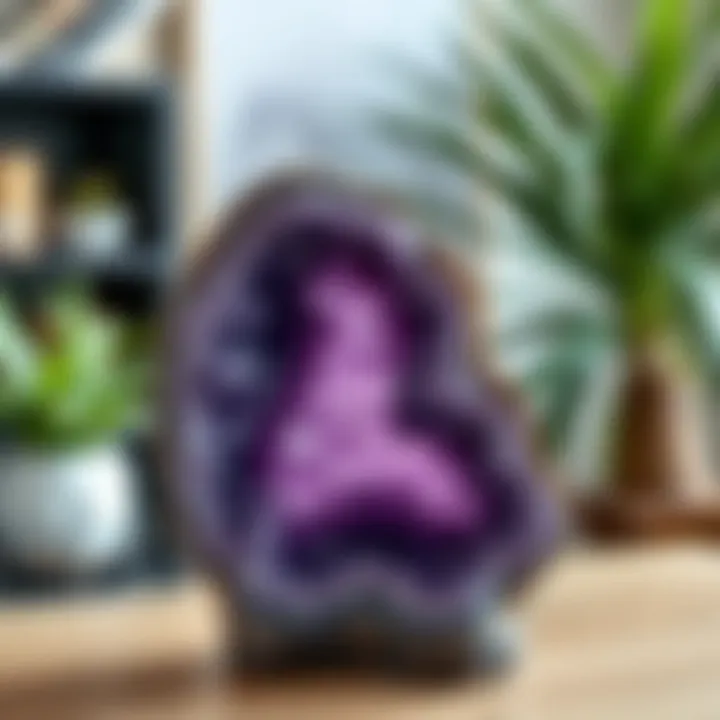
To put it simply, amethyst geodes are hollow, spherical rocks lined with beautiful crystal formations, primarily composed of amethyst, which is a type of quartz. These stunning formations often start as volcanic bubbles. Over time, mineral-rich water seeps into these cavities and crystallizes, giving rise to the familiar glimmering patterns we admire today.
These geodes can vary significantly in size, ranging from tiny, palm-sized specimens to massive structures. A fascinating fact is that the vibrant purple hue of amethyst varies, influenced by iron and other trace minerals embedded within quartz—as a collector, knowing these details enhances your ability to identify quality specimens.
Formation Process of Geodes
The process that leads to the creation of geodes is both slow and intricate. Initially, volcanic rock or basalt forms from molten lava cooling down, creating pockets within. Over time, groundwater permeates these pockets, bringing with it a variety of minerals. As conditions evolve, particularly coupled with changes in temperature and pressure, these minerals crystallize.
In many cases, the geodes may have formed over millions of years, making them not just beautiful but also telling a deep story of natural history. Collectively, understanding the formation brings to light why each specimen is distinct, and knowing this speaks to its value in the market. Essentially, knowing how a geode forms gives you an appreciation for the beauty and rarity present in each piece.
Characteristics of Amethyst
Amethyst crystals charm with their stunning tones, typically ranging from deep purple to nearly lavender. The richness of the color can indicate the quality; deeper hues are generally more sought after. Moreover, clarity plays a role in value too. A crystal clear piece without inclusions or cloudiness is often favored.
The shape of the geode also contributes to its desirability. Some collectors prefer the standard round formations, while others seek unique, irregular shapes. The surface quality must also not be overlooked. A smooth, well-defined exterior can enhance the geode’s aesthetic appeal, making it an attractive addition to any collection.
Understanding these attributes helps collectors to distinguish between common and exceptional specimens. Knowledge truly is power here—the more you know, the better equipped you'll be to appreciate and evaluate your future amethyst geode acquisitions.
The Significance of Amethyst
Amethyst, a violet variety of quartz, carries with it a wealth of history, spirituality, and beauty. Beyond its aesthetic appeal, this unique gemstone possesses numerous attributes that have captured the interest of collectors and enthusiasts alike. Understanding the significance of amethyst not only enriches our appreciation of this stone but also informs better purchasing decisions. Its cultural value, spiritual connotations, and application in art all contribute to a deeper connection between us and these geological wonders.
Cultural and Historical Importance


Throughout history, amethyst has held a prominent position in various cultures around the world. The ancient Greeks revered it as a safeguard against intoxication, believing that it could prevent drunkenness. The name itself originates from the Greek word ‘amethystos,’ translating to "not drunken." This cultural legacy speaks volumes about the wide-ranging perceptions of amethyst's effects on human behavior.
In addition to its Greek associations, amethyst was immensely valuable in the Middle Ages. Noblemen and clergy often adorned themselves with this gem, as it was seen as a representation of royalty and divine connection. It’s interesting to note that during the Renaissance, it was often used to create ceremonial vessels and precious adornments for religious figures, signifying its continued prominence in society.
Moreover, in various traditions, amethyst is often linked to specific deities or symbols, further enhancing its cultural allure. For instance, in Hindu culture, amethyst is considered a stone of spiritual wisdom, often connected to the crown chakra. This rich tapestry of cultural significance showcases not only the beauty of amethyst geodes but their enduring mystery through the ages.
Spiritual and Healing Properties
Beyond aesthetics and culture, amethyst is widely recognized for its spiritual and healing properties. Many believe that this gemstone possesses calming attributes that can alleviate stress and anxiety. Its deep purple hue is often associated with serenity and clarity, making it a popular choice among those who seek emotional balance.
In holistic practices, amethyst is used in meditation to enhance spiritual awareness. Practitioners often keep amethyst geodes in their spaces, claiming that their energy promotes tranquility and openness. It’s fascinating how this geological formation is thought to resonate with individuals, offering supportive vibrations during healing practices.
Moreover, many individuals attest to its potential in fostering insight and intuition, seeing it as a catalyst for personal transformation. The belief in amethyst’s protective qualities is prevalent; whether worn as jewelry or kept in living spaces, it’s said to ward off negative energy, making it a staple among spiritualists and wellness advocates.
Amethyst in Art and Decoration
Amethyst geodes have made a significant mark on the world of art and design. Their shimmering crystals and unique formations offer a stunning visual appeal that artists have long sought to capture. Whether utilized in sculptures, jewelry, or home decor, the gemstone’s allure is undeniable.
In modern design, amenities like amethyst geode bookends or tabletops illustrate the blend of nature and craftsmanship. They bring a splash of color and sophistication to any environment, acting as focal points that spark conversation. Many interior designers use amethyst to evoke specific moods or themes, as its purples can range from soft lavender to deep violet, fitting various palettes.
Artists also draw inspiration from the hues and textures of amethyst. It features prominently in abstract art, where its irregularities and natural formations can be transformed into symbolic representations of life’s complexities. The stone's raw beauty captures the essence of earthly materials while also speaking to the mystical qualities that many find so appealing.
"Amethyst is not just a stone; it's a conversation starter, a piece of history, and a source of calm in a chaotic world."
In summary, the significance of amethyst is multifaceted—it is rooted in cultural history, imbued with spiritual essence, and celebrated in artistic expression. These elements not only add value to the stones but also inspire collectors to seek pieces that resonate on both personal and aesthetic levels. In subsequent sections, we will further explore how this significance translates into the marketplace, aiding in making informed purchase decisions.
Where to Buy Amethyst Geodes
When it comes to purchasing amethyst geodes, knowing where to look is crucial. The right vendor can make all the difference between acquiring a genuine, high-quality specimen and ending up with a subpar rock that might just collect dust on a shelf. Understanding the advantages and disadvantages of different purchasing avenues is essential for any collector, whether novice or seasoned.
Online Retailers vs. Local Shops
With the rise of e-commerce, buying amethyst geodes online has become increasingly popular. Websites like eBay or Etsy offer a wide variety of options, often showcasing hundreds of listings aspiring to catch the eye of buyers. The convenience is undeniable—one can browse from the comfort of home, read up on vendors, and compare prices with just a few clicks. However, it's important to consider the potential downsides. Shipping can be costly and delicate items can arrive damaged if not properly handled.
On the other hand, local shops provide a unique advantage—hands-on inspection. Imagine touching the geodes, feeling their weight, and observing the sparkle in person. This tactile experience is one that online shopping cannot replicate. Plus, you may find gems (pun intended) in small, family-run shops that have history and passionate staff who can share knowledge about their products. But, options may be limited.
Important Factors in Choosing a Vendor
Reputation and Reviews
A vendor's reputation plays a significant role in ensuring a satisfying purchase experience. It is wise to look for reviews from other customers prior to making a decision. High ratings and positive feedback indicate reliability and quality. A key characteristic of a respectable vendor is transparency—good shops will provide ample information about their products, including sourcing and authenticity. Furthermore, engaging with other collectors on forums like Reddit can unveil valuable insights and experiences that are worth considering.
The advantage of analyzing reputation and reviews lies in establishing trust. Buying from a vendor with a solid standing helps mitigate the risk of receiving fake or substandard products. Remember, it’s not just about the cost—it’s about the value of what you are investing in.
Return Policy
A clear return policy is another crucial aspect to be considered when purchasing amethyst geodes, whether online or in-store. A generous return policy reflects a vendor’s confidence in their product. It also provides peace of mind to the buyers who might feel apprehensive about their choices. If you take home a geode and find it doesn’t meet your expectations, knowing that you can return it alleviates that buyer's remorse.
Key to having a beneficial return policy is clear communication. Look for vendors who outline their return processes in simple terms. Understand the timeframe within which you can return an item and any fees that may apply.
The unique feature of a good return policy is that it indicates a vendor’s transparency and commitment to customer satisfaction. A downside, however, might be that some vendors may have restrictive policies that can be difficult to navigate, leading to potential frustration for the customer.
Shipping and Handling
Shipping and handling can make or break the buying experience. Many potential buyers overlook the importance of researching shipping practices, but it’s vital. Heavy and fragile items like amethyst geodes require careful packaging to ensure they arrive intact. Vendors should have strong policies regarding how items are packed and what shipping methods are used.
A key characteristic of effective shipping practices is clear communication about costs and expected delivery times. A reputable vendor will include this information as part of your purchase journey. Keep in mind that while quicker shipping methods might cost more, they may provide extra peace of mind when knowing your treasured geode is on its way.
A unique aspect of exploring shipping options is potentially discovering local pickup options, where applicable. For those living near a vendor, this might be the best route—truly a win-win! Just as with any purchase, do weigh the advantages and disadvantages of shipping, especially if you're spending a good chunk of change on an exquisite piece.
Understanding where to buy amethyst geodes, including the key factors with each vendor, is an essential step towards making informed, satisfactory purchases. As you explore your options, keep these nuances in mind as they will guide you toward a successful addition to your collection.
Remember, knowledge is power.
For further reading, you might find useful insights at websites like Wikipedia or consult forums on Reddit that focus specifically on mineral collecting.
Evaluating Amethyst Geodes
Evaluating amethyst geodes is an essential component of making an informed purchase. It can mean the difference between a lackluster specimen and a breathtaking centerpiece for your collection. When diving into the world of geodes, enthusiasts should pay attention to several key attributes—these can vary widely and significantly impact both aesthetics and value.
Physical Attributes to Consider
Understanding the physical attributes of amethyst geodes helps collectors make well-rounded decisions. Here, we focus on three crucial areas: color and clarity, size and shape, and surface quality.
Color and Clarity
Color and clarity play a massive role in determining the desirability of an amethyst geode. The upside is that amethyst can exhibit a range of vibrant purples, from deep violet to lighter lavender shades. A deeper, more saturated color often indicates higher quality. Clarity also matters; a geode with fewer inclusions or visible imperfections will typically fetch a better price, as these features enhance its visual appeal.
Specific shades can evoke different emotions and serve various decorative purposes, making them popular choices among collectors. However, keep an eye out for overly dark specimens—sometimes, they can lose vibrancy and appear muddled.
One unique aspect of color and clarity is that they can vary not just from one geode to another but also within the same geode. Thus, a careful examination can yield delightful surprises. In the realm of geology and collecting, the brighter and clearer pieces tend to draw attention, making them sought-after treasures.
Size and Shape
Size and shape are two other pivotal factors to consider when evaluating amethyst geodes. Larger pieces may command higher prices due to their imposing presence and dramatic effect in displays. However, it's not just about sheer size—specific shapes can also elevate a geode's appeal.
For instance, geodes with unique formations, like those that resemble clusters or natural sculptures, catch the eyes of enthusiasts. Shapes that lend themselves well to decoration or that have interesting contours typically will be a beneficial choice for collectors—these pieces become conversation starters and unique decor items.
However, bigger isn’t always the better choice. A smaller, well-formed geode with rich color and clarity can sometimes outshine a larger, duller counterpart. So, assess based on artistry as much as size; after all, a striking smaller piece could very well be the gem of your collection.
Surface Quality
The surface quality of an amethyst geode contributes not just to its looks but also to its durability. A smooth surface with little wear signals good preservation, while rough or chipped surfaces might lessen its aesthetic appeal and long-term value.
Geodes that have naturally polished surfaces, often seen in well-preserved specimens, stand out remarkably. This feature can enhance how light interacts with the structure, creating stunning reflections and enhancing the colors within. Collectors appreciate these details immensely, as they not only boost the display quality but also speak to the geological history of the piece.
On the flip side, geodes with uneven surfaces may be less desirable, leading to decreased interest among potential buyers. Dents and unfortunate wear can mar the beauty of your collection, which is why surface quality should be a high priority when selecting your geodes.
Authenticity and Certification
Sourcing authentic amethyst geodes can be a harrowing task, especially with the increased market demand for these beautiful crystals. Always ask vendors for documentation or certification that proves the geode's origin and authenticity. This not only protects your investment but also ensures that your new prize is genuinely what it claims to be. With the right precautions, you can dive deeper into the world of collecting with confidence and enthusiasm.
Pricing Factors
Understanding the pricing of amethyst geodes is crucial for any collector or enthusiast. It goes beyond just the dollar signs; it's about knowing what influences the cost of these beautiful geological wonders and how to ensure you’re getting the best value for your investment. With the right knowledge, buyers can navigate the market effectively, ensuring that they pay a fair price that reflects the quality and uniqueness of each specimen.
Market Trends and Valuation
In the world of amethyst geodes, market trends can fluctuate as much as the tides. Prices are often influenced by demand, availability, and even shifts in public interest. For instance:
- Popularity: Certain styles or colors of geodes may become trendy, affecting their market value. Purple hues tend to be favored due to amethyst’s longstanding reputation for beauty and meaning.
- Availability: If a particular source of amethyst geodes runs dry, the scarcity will likely push prices higher. Keep an ear to the ground about new finds and discoveries.
- Economic Factors: As with any collectible, general economic conditions play a role. A booming economy might push collectors to spend more, while recession could tighten wallets.
Tracking online platforms such as eBay or Amazon can offer collectors a glimpse into current pricing, but always dig deeper. Different retailers, both online and offline, can offer varying prices based on their overhead, reputation, and sourcing.
For a deeper dive into market analysis, resources like Encyclopedia Britannica can provide historical context and potential price forecasts.
Price Ranges for Different Types of Geodes
When it comes to geodes, not all are created equal. You’ll find a diverse range of prices based on size, clarity, and overall appearance. Here’s a breakdown of the typical ranges you might encounter:
- Small Geodes (1-5 inches): Generally range from $10 to $50. These smaller pieces can be great for beginners or as decorative accents in smaller spaces.
- Medium Geodes (6-12 inches): Expect to pay between $50 and $200. These pieces are often seen as the sweet spot for collectors, as they provide enough presence without breaking the bank.
- Large Geodes (12 inches and above): Prices can soar from $200 to over $1,000. Larger specimens, especially those with exceptional clarity and color, are often viewed as investment pieces.
Additionally, unique shapes or specially treated geodes, such as those with special polishing or unusual formations, can carry a premium. Keep in mind that when considering any purchase, you should always factor in potential shipping costs if you're buying online.
Overall, keeping an eye on these pricing factors will help you make smart purchasing decisions, ensuring that you appreciate your amethyst geodes not just for their beauty, but also for their investment potential.
Caring for Amethyst Geodes
Caring for amethyst geodes is a critical aspect of maintaining their beauty and integrity. These stunning formations are not just decorative; they also embody significant value for collectors and enthusiasts alike. Preserving your geodes ensures they will not only maintain their aesthetic appeal but will also retain their worth over time. A couple of essential elements in caring for them include regular cleaning and appropriate display methods.
Cleaning and Maintenance Techniques
Keeping your amethyst geodes clean is vital for their appearance as well as their longevity. Here are some effective techniques for cleaning:
- Gentle Dusting: Use a soft, dry cloth or a duster to regularly remove dust from the surface. This prevents normal buildup that can dull the finish.
- Mild Soapy Water: For deeper cleaning, mix a small amount of mild dish soap with water. Dip a non-abrasive cloth into this solution, wring it out, and gently wipe down the geode. Avoid soaking the geode, especially in water, as prolonged exposure can cause damage.
- Avoid Harsh Chemicals: Stay away from any cleaning agents that contain bleach, ammonia, or other harsh chemicals. They can damage the crystals and the surface of the geode.
- Dry Thoroughly: After cleaning, ensure the geode is dried thoroughly to prevent moisture buildup, which can lead to discoloration or mold.
It's worth noting that geodes can be quite delicate. If you notice severe staining or damage, it might be worth seeking the advice of a professional who specializes in gemstone care.
Display and Storage Recommendations
Proper display and storage of your amethyst geodes are just as crucial as cleaning. How you present them can enhance their beauty and contribute to their protection:
- Avoid Direct Sunlight: Place your geodes in a location that is shielded from direct sunlight. Prolonged exposure to UV light can fade the vibrant colors and damage the crystals.
- Stable Environment: Store them in a stable environment where temperatures and humidity levels do not fluctuate dramatically. Extreme conditions can worsen their integrity.
- Use Display Cases: Consider using a glass display case to protect your geodes from dust and physical damage. This allows for a clear view while keeping them safe.
- Soft Protection: When storing, wrap them in a soft cloth or bubble wrap if you are placing them in a box. This prevents scratches and chipping while they are in storage.
A little care goes a long way. Regular maintenance not only keeps your amethyst geodes captivating but also prolongs their lifespan and aesthetic appeal.
By paying attention to these cleaning and storage recommendations, collectors can ensure that their amethyst geodes remain vibrant and enjoyable for years to come. Amethyst geodes can be more than just pretty rocks; they can become cherished pieces that reflect both personal taste and a collector's passion.
Community and Resources
Within the fascinating sphere of amethyst geodes, the sense of community among enthusiasts is invaluable. Collectors ranging from novices to seasoned experts often benefit from shared experiences, insights into market trends, and collective knowledge about geology and aesthetics. A thriving community provides a platform where individuals can connect, exchange stories, and even share their acquisitions. This not only enhances one’s collecting journey but also fosters a deeper understanding of what makes amethyst geodes so unique.
A strong community is like finding a hidden gem in a sea of pebbles; it enriches the collector's experience through collaboration and camaraderie. Engaging with fellow enthusiasts allows for discussions about the specific characteristics of geodes, tips on evaluating quality, and recommendations on where to buy.
"The beauty of collecting is in the stories it weaves between people and their passion for the earth's treasures."
Connecting with Other Collectors
Establishing connections with other collectors is a fundamental aspect of the amethyst geode journey. Online platforms, such as Reddit or specialized Facebook groups, offer spaces where individuals can exchange insights and showcase their collections. This camaraderie can lead to trade opportunities, advice on authenticating specimens, and sharing information about upcoming gem shows or auctions.
Attending local gem and mineral shows can also provide face-to-face connections, enhancing the experience. At these events, enthusiasts can interact, trade, and listen to talks from experts in the field. Joining organizations like the American Federation of Mineralogical Societies fosters networking as well. By participating in workshops or seminars, one learns not only to appreciate these stunning rocks but also understands the nuances of collecting that can transform a hobby into a lifelong passion.
Educational Materials and Organizations
Education plays a crucial role in developing a collector's discernment. Various resources exist to help deepen understanding. Libraries, both physical and digital, may host an array of books and journals focusing specifically on gemstones, minerals, and geology. Websites like Wikipedia and Britannica provide foundational knowledge about amethyst geodes, their formation, and practical collecting tips.
Local community colleges often offer courses in geology or mineral studies that can be incredibly beneficial to anyone interested in gaining a more academic perspective. Engaging with educational organizations such as the Geological Society or even local clubs can offer structured learning environments and mentorship chances.
Recommended Resources:
- Wikipedia on Amethyst Geodes
- The Geological Society
- American Federation of Mineralogical Societies
- Reddit Collectors Community
In summary, immersing oneself in the community and seeking educational resources not only elevates the knowledge of an aspiring collector but strengthens their engagement with amethyst geodes as a whole.
The End
In this guide, we have traversed the vibrant landscape of amethyst geodes, illuminating not just their physical beauty but also their cultural, spiritual, and market significance. This concluding section synthesizes the main insights gleaned throughout our exploration, emphasizing the critical elements that collectors should weigh before making a purchase.
Summarizing Key Points
- Understanding Amethyst Geodes: We discussed what amethyst geodes are, detailing their formation processes and the defining characteristics that make them sought after in the mineral world.
- Significance of Amethyst: The various roles amethyst plays in different cultures and its recognized spiritual properties were highlighted, shedding light on its value beyond mere aesthetics.
- Where to Buy: The difference between online retailers and local shops, as well as key vendor selection criteria, were covered, ensuring novice and experienced buyers alike can navigate their options confidently.
- Evaluating Amethyst Geodes: We examined the physical attributes to consider, such as color, clarity, and surface quality, and highlighted the importance of authenticity and certification.
- Caring for Geodes: Practical maintenance techniques and display recommendations were provided, crucial for preserving the beauty and integrity of these geological treasures.
- Community and Resources: Insights into connecting with fellow collectors and accessing educational materials were shared, fostering a community spirit that can enrich the collecting journey.
Overall, each of these points serves as a building block for making informed decisions in the realm of amethyst geodes, ensuring collectors can appreciate and cherish these unique pieces.
Final Thoughts on Collecting Amethyst Geodes
The world of geode collecting is as vast as it is fascinating. Collecting amethyst geodes is not solely about acquiring a piece of nature’s art; it’s also about embarking on a personal journey of discovery. The connections one can forge with other enthusiasts or the communities engaged in sharing knowledge can be invigorating.
As you begin—or continue—your collection, it’s essential to remember that each geode carries not only unique geological properties but also a narrative shaped by its journey from the earth to your hands. Ultimately, whether you are drawn by their beauty, their historical significance, or their mystical properties, each amethyst geode has a story waiting to be uncovered. Collecting, thus, is about more than the rocks; it is about the experience of understanding and appreciating these natural wonders.
With this comprehensive guide, you are now better equipped to navigate the intricacies of acquiring amethyst geodes. This knowledge can empower you to choose wisely and, hopefully, find exquisite specimens that resonate with you personally.
Always remember: the right geode is the one that speaks to your heart.