Identifying Blue Green Stones: A Detailed Guide
Intro
Blue green stones have long captivated the hearts of collectors and enthusiasts alike. Forming through various geological processes, these beautiful minerals exhibit a spectrum of colors and intricate patterns that reflect nature’s artistry. From the rich, deep hues of turquoise to the translucent shades of amazonite, each type brings its unique charm and history, making it essential for any collector to know how to identify these stones effectively.
In the world of geology and mineralogy, terminology becomes crucial. Understanding what constitutes a blue green stone helps to delineate it from other minerals and varieties. As we delve into the unique properties and characteristics that define these stones, we also uncover their historical significance, shedding light on how they have shaped cultures and traditions throughout time.
Collectors and admirers should note that blue green stones are often found in a variety of settings, such as jewelry, ornamental pieces, or even as part of a geological collection in a museum.
In this guide, we will navigate through the complexities of blue green stone identification. We aim to empower you with knowledge about their geological origins, classification, and practical application. By understanding these designs deeply, enthusiasts will be better equipped to appreciate the art and science behind these stunning specimens.
Understanding the Basics of Blue Green Stones
When diving into the fascinating world of gemstones, having a solid foundation is essential, particularly when it comes to blue green stones. These stones are not just visually stunning; they hold a variety of historical, geological, and practical significance. This section aims to lay the groundwork for understanding these captivating minerals and their diverse roles in both nature and society.
Defining Blue Green Stones
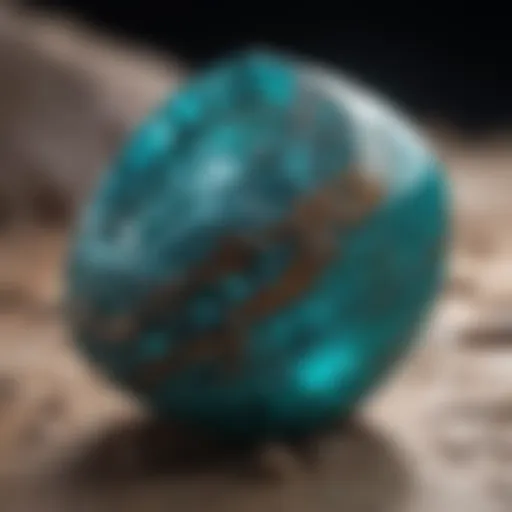
Blue green stones are essentially gems or minerals exhibiting shades ranging from teal to aquamarine. The hues can vary greatly due to their mineral composition, which typically includes copper, iron, or aluminum. For instance, turquoise, with its vibrant sky-like blue, is among the most recognized blue green stones, often admired for its brilliant color and rarity. Other stones like chrysocolla and larimar also fall under this umbrella, broadening the spectrum of shades and textures one might encounter.
These stones can be found in various forms, from polished cabochons to raw rough specimens. Collectors and enthusiasts often find themselves drawn to these unique blue-green hues, not only for their beauty but also for the stories they tell about their origin and formation. Using simple methods and keen observation, one can begin to understand how these minerals differ and what features to look for during identification.
Historical Significance and Cultural Associations
The history of blue green stones is steeped in cultural significance, tracing back thousands of years. Many ancient civilizations revered these gems as symbols of wealth, power, and spirituality. For example, the Egyptians adorned their pharaohs with turquoise, believing it granted protection and prosperity. Similarly, the Native American culture holds turquoise as sacred, often using it in jewelry and ceremonial objects.
"Gemstones are not just minerals but woven narratives of the earth's history and its people's journeys."
Chrysocolla, another notable blue green stone, was cherished by ancient cultures for its vibrant colors and was often associated with femininity and wisdom. Furthermore, lapidaries in various cultures have crafted artifacts from these stones, emphasizing their beauty and significance across different eras and regions.
Understanding these cultural dimensions enriches the collector's experience, providing a deeper appreciation for each piece of stone. Being aware of a stone's context not only enhances the expertise of the collector but also adds a layer of resonance when showcasing their collection or discussing its history with others.
In summary, grasping the basics of blue green stones sets the stage for a rewarding journey through identification, appreciation, and meaningful engagement with these extraordinary natural wonders. By recognizing their defining characteristics and historical backdrop, enthusiasts can approach the world of blue green stones with a more informed and enriched perspective.
Identifying Blue Green Stones
Identifying blue green stones involves a deeper understanding of their defining characteristics and origins. These stones have unique properties that not only attract collectors but also serve various aesthetic and practical purposes. Knowing how to distinguish them is crucial for anyone involved in the collection or appreciation of these beautiful minerals.
Key Physical Characteristics
Color Variations
Color variations in blue green stones can range from a pale aqua to an intense teal or deep turquoise. The diversity in shades contributes significantly to their desirability in the market. Each hue can tell a different story about the stone's composition and geographical origin. For instance, lighter shades often indicate greater translucence, while darker tones can point to higher mineral content, particularly in stones like turquoise.
The key characteristic of color variations is its potential impact on valuation. Stones with rare or unusual color tones can fetch a higher price, making them particularly attractive for collectors. However, this feature can also be a double-edged sword; while vibrant colors may signify quality, it might also lead to overpricing if not assessed correctly.
Translucence and Opacity
When one examines blue green stones, the level of translucence and opacity is a notable aspect that aids in identification. Some stones might exhibit a hazy look, while others can be completely clear. This can greatly affect both the visual appeal and functional use of the stones. For instance, a more translucent stone is likely favored in jewelry making as it allows light to reflect beautifully, enhancing its aesthetic value.
It's worth noting that certain variations in opacity can alter perception; opaque stones, while often lacking the high shine of their translucent counterparts, can give a more earthy and grounded feel, which appeals to different preferences. Understanding these traits can lead to better choices in selection, especially in decorative contexts.
Texture and Surface Features
Texture and surface features are often overlooked but they play an essential role in stone identification. Ranging from smooth and glassy to rough and rugged, the surface can offer clues about the stone's history and type. Furthermore, inclusions or patterns on the stone surface can indicate specific geological conditions during formation.

The key characteristic of texture is its ability to distinguish between similar-looking stones. For example, the knotted look of chrysocolla can easily be confused with other minerals unless the texture is thoroughly studied. Collectors benefit from these unique features, as they not only enhance the stone's individuality but also add to its narrative within a collection.
Geological Origins
Formation Processes
Understanding the formation processes allows enthusiasts to appreciate the background of blue green stones deeply. Many of them originate from mineral-rich areas where geological activity is common. For instance, turquoise forms through the alteration of copper minerals over long periods, resulting in its distinctive color and durability.
Key characteristics of these processes demonstrate why certain stones may be more valuable than others. Stones that take longer to form, or are sourced from specific niches, tend to be rarer. This adds to their allure and positions them as prized possessions in any collection. On the flip side, a lack of understanding can lead to misconceptions about value and authenticity.
Common Locations and Deposits
The source of blue green stones can significantly influence their appeal, often tied to specific mining locations. For example, turquoise is largely found in regions such as the southwestern United States and parts of Iran. These locations have become iconic due to the high quality of their respective stones.
The key characteristic of common locations is that they can provide insight into the historical significance of these stones. Knowing where a stone comes from can enhance its narrative value. However, it's essential to remain cautious; many imitations flood the market, and authentic sources often command high prices. Thus, familiarity with these deposits is crucial for genuine collectors.
Common Varieties of Blue Green Stones
The category of blue green stones encompasses a variety of minerals, each with its own unique characteristics and significance. Identifying common varieties is crucial for enthusiasts and collectors, as it enhances not only their appreciation of each stone but also their understanding of the geological and cultural context behind these beautiful gems. Knowing the varieties allows for informed choices whether for jewelry, décor, or investment. Let's explore some noteworthy examples:
Turquoise: The Classic Blue Green Stone
Cultural Relevance
Turquoise has been cherished for thousands of years across various cultures, especially among Indigenous peoples in North America. Its vibrant color and unique veining make it a cultural artifact, imbued with stories and traditions. Many view it not only as ornamental but also a talisman believed to bring good luck and protection.
The stone's long-standing beliefs around health and well-being add to its significance, making it a favorable choice for enthusiasts seeking more than just aesthetics. However, it’s important to consider that modern treatments to enhance its appearance can impact its value and authenticity.
Identification Features
When identifying turquoise, it's essential to look at several key characteristics. This stone typically exhibits a robin’s egg blue color, although shades can range from green to blue-green. Authentic turquoise has a waxy luster and may show matrix patterns or veining, which are often indicative of genuine material.
One must be cautious, as many imitation stones flood the market. The presence of a smooth finish and too uniform a color often signals a fake. For collectors, understanding these identifying features is crucial for ensuring quality investments.
Apatite: Vivid Hues and Unique Characteristics
Apatite has quickly gained recognition for its striking colors, varying from blue to green and even yellow or purple. This stone offers collectors a more vivid alternative within the blue-green category. Its vibrant hues arise from trace minerals during formation, leading to a wide array of visual allure.
Interestingly, apatite isn’t just about looks—it is also relatively affordable compared to other semiprecious stones. However, its softness means it can be easily scratched, which demands care in jewelry and display settings.
Chrysocolla: A Stunning Copper Mineral
Chrysocolla is another compelling blue green stone, often confused with turquoise due to its similar colors. This mineral is primarily formed in copper deposits and is imbued with lovely patterns that can resemble a watercolor painting. The most attractive feature of chrysocolla is its vibrant blues and greens alongside rich, earthy tones, showcasing a beautiful phantasmagoria.
Its distinct coloring often attracts collectors who appreciate the connection between stone and its geological origin. However, it’s less durable compared to others on our list, making it necessary to handle with care, especially in jewelry.
Other Notable Examples
Amazonite
Amazonite is cherished for its unique pastel blue and green tones, providing a calming effect both visually and emotionally. This stone, with its distinct banding, is commonly used for both decorative and practical applications. Its properties of promoting balance and harmony make it a popular choice among those exploring holistic practices. However, amazonite’s availability may vary, which can sometimes lead to higher prices in the market.
Malachite
Known for its rich green tones and striking banded patterns, malachite is often regarded as a stone of transformation. Its vibrant color was historically used for decorations and jewelry, emphasizing its long-term appeal in cultural settings. Collectors love its unique aesthetics, yet care needs to be taken due to its relative softness and susceptibility to damage from heat and acids.
Larimar
Larimar, with its breathtaking blue hues, is unique to the Dominican Republic. As a volcanic stone, its textures and blue varieties offer a striking similarity to the ocean. This rarity contributes to its desirability, making it a sought-after stone among collectors. However, being less durable requires careful handling, particularly in jewelry settings.
"Understanding these common varieties provides insights that enrich the collecting experience and appreciation of each unique mineral."
Techniques for Proper Identification
Identifying blue green stones accurately is not just a skill but a necessity for collectors, jewelers, and enthusiasts alike. Grasping the nuances of identification techniques can significantly enhance one's understanding of these stunning minerals. Various methods provide insights into the physical and chemical properties of the stones, ensuring that collectors make informed decisions. Here, we delve into three essential techniques that are invaluable for anyone serious about blue green stones: using optical tools, the scratch test, and chemical testing methods.
Using Optical Tools
Optical tools are crucial in the identification of blue green stones. These instruments, ranging from simple hand lenses to advanced microscopes, allow you to observe details that are otherwise invisible to the naked eye. They can reveal aspects like inclusions, color zoning, and surface features that contribute to a stone's identity.
- Loupes and Magnifiers: A handheld loupe with 10x magnification is often the first step in stone examination. You'll be able to spot minute characteristics such as scratches or internal flaws that can hint at a stone's origin.
- Polarizing Microscopes: For those who take their identification seriously, a polarizing microscope can vastly improve accuracy. This tool can differentiate between minerals based on their optical properties, a critical aspect of identifying complex stones.
Using optical tools not only helps in identification but can also provide a deeper appreciation of the stone's beauty and uniqueness. This attention to detail is what separates a passionate collector from the average hobbyist.
Scratch Test and Hardness Evaluation
Understanding the hardness of a stone is imperative for proper identification, and the scratch test helps to gauge this characteristic. The Mohs scale of mineral hardness assigns a value to minerals based on their ability to resist scratching, on a scale of 1 (talc) to 10 (diamond).
When conducting a scratch test, always select a test material with a known hardness to compare:
- Turquoise: Typically, it ranks around 5 to 6 on the Mohs scale. If it scratches with a copper coin, you’re likely looking at a lower-quality specimen.
- Apatite: This mineral ranks about 5, so it can scratch turquoise but is easily scratched by quartz.
"Testing for hardness is like testing the mettle of a newcomer; it can save you from future disappointments while ensuring your collection is top-notch."
As such, performing a scratch test provides clarity on what you're dealing with and can confirm or deny a stone's identity.
Chemical Testing Methods
Chemical testing methods open the door to understanding the elemental composition of blue green stones. These processes involve applying specific reagents to either the surface or interior of the stone to obtain chemical responses.
- Acid Tests: Many stones react to acids differently. For example, applying hydrochloric acid to calcite will result in fizzing, but turquoise remains seemingly unaffected. This property can aid in identifying stones that share similar colors but differ chemically.
- Spectroscopy: While this method may require specialized equipment, it offers a precise look at the different elements present within the stone. Raman and FTIR spectroscopy are common choices among serious gemologists and collectors for distinguishing between similar types of minerals.
Incorporating chemical tests into your identification toolkit doesn't just enhance your knowledge; it also elevates your status among fellow collectors, as it showcases a commitment to thoroughness and accuracy in stone identification.
Through these techniques, anyone can refine their skills in identifying blue green stones, distinguishing genuine gems from look-alikes and avoiding costly mistakes in purchases. The meticulous approach one takes can significantly enhance the joy of collecting.
The Aesthetic and Practical Uses of Blue Green Stones
The aesthetic appeal and practical applications of blue green stones make them a point of fascination in both artistic and functional realms. These stones are cherished not just for their naturally captivating colors, but also for their versatility across various uses. Collectors and enthusiasts alike should explore the distinctive qualities these stones bring to the table, from enhancing jewelry designs to enriching home interiors.
In Jewelry Making
Design Considerations
When it comes to designing with blue green stones, the color palette plays a vital role. The stunning shades of turquoise or the vibrant tones of chrysocolla can significantly influence the style and essence of a piece. A key characteristic to note is the contrast this color range offers when paired with metals or other gemstones. This creates deep visual interest, making it a popular choice for artisans looking to capture attention in a tasteful manner.
In jewelry, the unique feature of incorporating blue green stones involves understanding their varying hardness and durability. For example, turquoise is somewhat softer than many other stones, which means it needs to be handled with care. An advantage of these stones is that, when set thoughtfully, they can serve as both a focal point and complementary elements, leading to breathtaking designs.

Market Value
The market value of jewelry featuring blue green stones can fluctuate significantly based on several factors, including availability, quality, and consumer demand. One notable aspect is that, despite being widely used, certain varieties, like high-grade turquoise, can command premium prices, reflecting their rarity and desirability.
A critical characteristic to consider here is the stone's origin. For example, stones sourced from historic mines often fetch higher prices. They possess not only aesthetic value but also the stories and histories attached to them. The unique feature of market value in this context is that it integrates both passion for collecting and investment opportunities. Thus, the potential for appreciation makes these stones a beneficial inclusion in both personal collections and retail settings.
In Home Decor
Color Schemes
Integrating blue green stones into home decor offers significant benefits, primarily through color schemes. Featuring rich blue or green hues can create harmony within various spaces, invoking feelings of tranquility and calmness. A key characteristic of these stones is their ability to match a wide array of styles, whether modern, bohemian, or rustic. This versatility makes them a favorite among interior designers and homeowners alike.
The unique aspect of utilizing these stones in decor is their natural variations, which can infuse personality into spaces. For instance, a blue green stone focal point can anchor a room while providing an element of nature that feels universally appealing, thus enhancing the overall atmosphere of a home.
Emotional Impact
The emotional impact of blue green stones in home decor cannot be underestimated. Their soothing colors often evoke a sense of serenity, promoting relaxation and mindfulness. This key characteristic aligns well with the increasing trend of creating calming spaces in our busy lives.
Incorporating these stones invites a unique and grounding quality into a living area. The advantages lie not only in aesthetics but also in the psychological benefits associated with these colors. As such, placing blue green stones in high-traffic or communal areas can contribute positively to the emotional well-being of residents and visitors.
"Often, it’s the simple color of nature—blue green stones—that remind us of the tranquility of earth and water."
Overall, whether in jewelry or interior spaces, the aesthetic and practical applications of blue green stones profoundly influence their desirability and relevance in today’s market.
Caring for Blue Green Stones
Caring for blue green stones goes beyond simple aesthetics; it is vital for preserving their beauty and ensuring their longevity. As a collector or aficionado, understanding how to maintain these precious stones properly can make a world of difference. Each variety—whether it be turquoise, apatite, or chrysocolla—has its own traits and vulnerabilities. Therefore, a tailored approach to care is essential. This section will explore the best practices for cleaning, maintaining, and storing your blue green treasures, allowing them to shine brighter for years to come.
Cleaning and Maintenance
Keeping your blue green stones clean not only enhances their visual appeal but also removes dirt and oils that may accumulate over time. A gentle cleaning routine is recommended, as many stones can be delicate. Here are some pointers:
- Soft Cloths and Water: For most stones, a soft lint-free cloth dampened with warm water is often sufficient. Avoid harsh chemicals or abrasives that could scratch their surfaces.
- Mild Soaps: If stones need a deeper clean, using a bit of mild soap mixed with water can help. Dip the cloth into this solution and wipe the stone gently, ensuring not to soak it.
- Avoid Ultrasonic Cleaners: While they may work wonders for some gemstones, ultrasonic cleaners can be too harsh for blue green stones. It's better to stick to more traditional methods.
Taking time to wipe down your stones after wear is a great habit to adopt. Not only does this keep them looking their best, but it also creates a routine that instills care into your collection.
"Proper maintenance can turn an ordinary stone into a radiant piece of nature's artwork."
Proper Storage Techniques
How you store your blue green stones plays a crucial role in their preservation. Proper storage can protect them from physical damage as well as environmental factors that could lead to wear or fading. Here are notable methods:
- Individual Pouches: Each stone should ideally be stored in its own soft pouch, preferably made of cotton or silk. This prevents scratching and keeps dirt at bay.
- Avoid Direct Sunlight: Store your stones in a place that is shielded from direct sunlight. Prolonged exposure can lead to color fading, particularly in more sensitive stones.
- Temperature and Humidity Control: Keeping stones in a stable environment—stable temperatures and low humidity levels—can help in preventing deterioration.
It’s also wise to periodically check your storage area to ensure there's no moisture build-up or unwanted exposure to fluctuating temperatures.
By implementing these strategies, you not only care for your blue green stones but also create a sanctuary where they can continue to captivate your heart and eye with their ageless beauty. With thoughtful cleaning and proper storage, your collection can remain a source of joy for years to come.
The End
As we draw the curtains on our exploration of blue green stones, it's essential to underline the significance of identifying these unique minerals. Having a grasp of their key characteristics not only enhances your appreciation but also arms you with critical knowledge for making informed decisions. Blue green stones are not just beautiful; they are steeped in history, culture, and science. By understanding how to differentiate between various types and their respective qualities, collectors can avoid common pitfalls, ensuring they invest wisely in their collections.
Recap of Key Points
To sum up our discussion, here are the pivotal aspects we’ve tackled:
- Understanding Blue Green Stones: From defining these gemstones to shedding light on their historical and cultural backgrounds.
- Identifying Characteristics: Importance of color, translucence, texture, and their geological origins.
- Common Varieties: We discussed classic names like Turquoise, Apatite, and Chrysocolla, each bringing distinct features and stories.
- Identification Techniques: Different methods for verifying authenticity, including tests and use of tools.
- Aesthetic and Practical Uses: How these stones serve both in jewelry and home decor, and their emotional impacts.
- Caring for Your Stones: Best practices for cleaning, maintaining, and storing these beauties to keep them in top condition.
Encouragement for Further Exploration
I urge you to delve deeper into the world of blue green stones. Whether it’s visiting local gem shows, joining online forums, or reaching out to knowledgeable collectors, there’s always something new to learn. Resources like the Gemological Institute of America can provide valuable insights into advanced identification techniques and market trends. As you venture forward, keep a keen eye on emerging varieties and innovative uses in modern decor and jewelry-making. Each stone has its own tale, waiting for the right collector to uncover it.