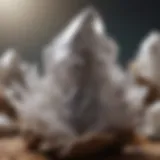
Exploring the Allure of Black Glass-Like Rock


Overview of the Topic
Black glass-like rock, often known as obsidian, is a natural volcanic glass that has captivated many with its glossy appearance and intriguing characteristics. This unique material is forged during the rapid cooling of lava that lacks crystal formation. As such, it offers a plethora of features that both nature aficionados and collectors find mesmerizing.
Definition of Key Terms
Before delving into this captivating topic, it’s essential to understand some foundational terms. Obsidian is the most recognized type of black glass-like rock. It is often formed from silica and is typically dark in hue, although variations can exhibit various colors due to mineral inclusions.
Volcanic glass refers to any glassy material that originates from volcanic activity. In simpler terms, it's the product of magma that cools too quickly for crystals to form. Keep in mind that not all volcanic glass is black; other varieties exist, but our focus here is primarily on the dark, glassy essence of obsidian.
Historical Significance
Throughout history, black glass-like rock has played crucial roles in different cultures. Its sharp edges made it an excellent choice for tools and weaponry, allowing ancient communities to carve, hunt, and defend themselves effectively. Archaeological sites frequently unveil artifacts made from obsidian, indicating its widespread use in rituals and survival. For instance, the Mesoamerican civilizations had a profound connection to obsidian, utilizing it not only for practical tools but also in ceremonial objects, reflecting its multifaceted significance.
The allure of black glass-like rock extends beyond mere utility, as it reigned supreme in ancient trading networks. Societies exchanged obsidian for goods and services, underlining its value. Even today, its historical narrative continues to intrigue scholars and enthusiasts alike.
Types of Collectibles
When talking about collectibles in the realm of black glass-like rock, it’s essential to consider the various categories that exist. Understanding these classifications can empower collectors to appreciate the diversity and rarity of their finds.
Classification of Different Collectibles
- Raw Obsidian - Typically unpolished, showcasing its natural state.
- Polished Obsidian - Refined, often featuring a mirror-like sheen.
- Obsidian Tools - Artifacts crafted by ancient cultures, ranging from arrowheads to blades.
- Obsidian Jewelry - Cut and shaped for aesthetic wear, often adorned with silver or gold settings.
Notable Categories
Among these collectibles, some standout in terms of historical and aesthetic value:
- Apache Tears: A unique form of obsidian believed to have protective qualities and steeped in Native American folklore.
- Snowflake Obsidian: Characterized by white splotches against the black backdrop, creating a stunning visual effect.
- Rainbow Obsidian: This variant reveals iridescent colors when polished, adding to its charm.
Collecting black glass-like rock transcends mere hobby for many; it’s a journey through time and culture, making every piece a window into our shared history.
The Nature of Black Glass-Like Rock
The study of black glass-like rock, often referred to simply as obsidian, goes beyond mere geological curiosity. It speaks to the intrinsic relationship between natural materials and human culture, history, and even art. Understanding this rock's nature unfolds a plethora of insights ranging from its formation processes to its significance in ancient tools. This importance can be summed up into three main perspectives: its defining characteristics, geological significance, and practical applications.
Defining Characteristics
Black glass-like rock possesses notable qualities that set it apart from other geological specimens. Its glassy texture and deep black hue stem from its volcanic origins. Unlike common stones which are often crystalline in structure, this rock's amorphous composition allows it to reflect light in unique ways. Some key features include:
- Color and Luster: The jet-black sheen often appears almost metallic under certain lighting, hinting at its volcanic heritage.
- Fracture Patterns: When broken, black glass-like rock shatters with a conchoidal fracture, creating sharp edges which were once utilized for tool-making.
- Density: This rock is surprisingly light for its appearance; it often surprises those who handle it.
These characteristics make black glass-like rock a subject worthy of exploration and appreciation. By understanding its appeal, collectors can deepen their admiration for this geological wonder.
Geological Significance
The formation of black glass-like rock offers vital clues about the Earth’s geological activities. This rock typically forms from rapidly cooled lava, such as during explosive volcanic eruptions where magma is forced to the surface. The absence of crystals signifies a swift cooling rate, which can tell us much about the volcanic environment. Here are a few reasons why its geological significance should not be overlooked:
- Indicator of Volcanic Activity: Locales with deposits of black glass-like rock often indicate underlying volcanic activity, providing geologists with essential information about the Earth's crust.
- Dating Geological Events: The presence and characteristics of this rock can help date past eruptions, allowing for a better understanding of volcanic timelines and associated risks.
- Research Resources: Studying samples of black glass-like rock can yield insights into the temperatures and pressures present during their formation, advancing overall geological knowledge.
Understanding black glass-like rock not only illuminates the conditions of its creation but also amplifies our comprehension of Earth's dynamic processes.
In summary, delving into the nature of black glass-like rock enriches our understanding of both the rock itself and the broader environmental and cultural narratives associated with it. This natural artifact holds a dual role, serving as a geological resource and a significant contributor to human history, making its study all the more poignant.
Formation and Composition
The formation and composition of black glass-like rock play a crucial role in understanding its properties and significance in both nature and human culture. This section dives into the core elements that create such intriguing geological formations. It’s important for collectors, geologists, and enthusiasts to grasp how these rocks come to be. By exploring the mineral makeup, as well as the processes that lead to their formation, we can appreciate the complexity and beauty of black glass-like rock.
Mineral Composition
Black glass-like rocks, with obsidian being the prime example, are predominantly made up of silica, or silicon dioxide. However, their mineral composition does not stop there. They often contain various trace elements that lend unique colors and effects under certain lighting conditions.
- Prominent elements include:
- Silicon (Si)
- Oxygen (O)
- Aluminum (Al)
- Iron (Fe)
- Magnesium (Mg)
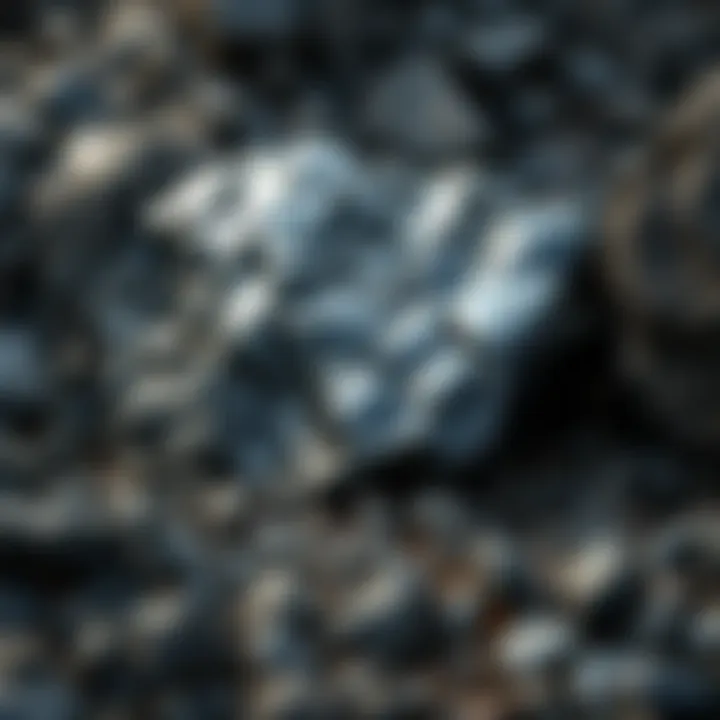
The high silica content is what gives them their glass-like appearance and characteristics. When cooled quickly, often from lava, these elements do not have the chance to crystallize, which contributes to the rock's distinctive smooth and shiny surface. On the flip side, less abundant variants may display different streaks or colors due to varying mineral inclusions or the presence of water during formation.
It's noteworthy to understand that specific minerals impact properties such as thermal stability and hardness as well. Black glass-like rocks often rate a hefty 5 to 6 on the Mohs scale, making them relatively strong yet easy to shape or break, which has implications for their use in tools and decorative items.
Origin and Formation Processes
The creation of black glass-like rock is inherently tied to volcanic activity. When magma erupts and rapidly cools—often as lava flows or explosive eruptions—the resultant material can form these fascinating rocks. The speed of cooling is pivotal; a swift drop in temperature does not allow for crystallization and instead traps the elements in a non-crystalline structure.
Key processes involved include:
- Volcanic Eruptions: Typically occur when magma reaches the Earth’s surface, releasing gases that contribute to rapid cooling and the formation of glassy textures.
- Flow of Lava: When lava flows spread over large areas, they quickly solidify upon exposure to air or water, solidifying into flat plates of obsidian or other similar rocks.
- Swelling and Shrinking: This is often seen in the formation of bubbles within the glass-like texture as lava's gaseous contents escape during the cooling process.
The geological significance extends beyond aesthetics; understanding the origin helps researchers delineate between volcanic products and other rocks, thus guiding further exploration and study.
This intricate connection between volcanic activity and the resultant glass-like formations captures the essence of natural artistry created by Earth's dynamic processes.
Varieties of Black Glass-Like Rock
The variety found within black glass-like rocks is not merely a point of interest for collectors; it speaks volumes about the geological processes that shape our Earth. Each type bears unique traits and historical narratives that enrich the overall understanding of these materials. Gaining insight into these varieties allows enthusiasts to appreciate not just the beauty, but also the significance behind each piece they may encounter. Understanding the distinct characteristics of each variety helps collectors make informed decisions, both for their collections and for educational purposes. Furthermore, certain types can hold higher value in the market, depending on rarity, quality, and historical relevance.
Obsidian: A Distinct Type
Obsidian is perhaps the most well-known of the black glass-like rocks, distinguished by its smooth texture and shiny finish. Formed from rapidly cooled volcanic lava, obsidian has no crystal structure, leading to its unique glassy appearance. Its colors can range from deep black to shades of brown or green, depending on the mineral content.
Notably, the presence of bubbles or swirls within the rock, known as inclusions, is highly sought after. These aesthetic features make it an appealing choice for lapidaries and jewelers. But beyond just looks, obsidian's sharp edges made it an invaluable resource for ancient peoples, who crafted tools and weaponry from this volcanic glass.
"The history of obsidian is a testament to human creativity, showing how we can transform natural materials into tools for survival and art."
Obsidian is more than just a rock; it encapsulates centuries of human ingenuity and connection to the Earth. Its significant presence in archaeological sites reveals a lot about early technologies, trade routes, and even spiritual practices. Collectors often seek specimens not just for their beauty, but for their rich historical context.
Other Notable Variants
While obsidian may steal the spotlight, several other black glass-like rocks offer intriguing facets worth exploring. For instance, pitchstone, which contains a higher water content than obsidian, has a duller sheen but features an interesting crystal texture, making it a unique addition to any collection. Its formation is also tied to volcanic activity, but it signifies different environmental conditions than its glassy cousin.
Another notable variety is black turquoise, which may sometimes be confused with obsidian due to its gloss. However, it’s essential to recognize that this stone is a composite mineral that marries the elegance of turquoise with striking dark tones, appealing to those who appreciate a touch of color contrast.
It's also important to recognize moldavite, a greenish or brownish glass formed from meteoric impacts. Though not strictly black, its presence in discussions of glass-like rocks expands the conversation about the natural history behind these materials. This emphasizes the cosmic connections we have, bridging Earth and the universe.
In summary, the exploration of the diverse varieties of black glass-like rock is not only a visual feast but a means to appreciate the Earth's geological and cultural narratives. By delving into each type's formation processes, aesthetic considerations, and historical significance, collectors and enthusiasts alike develop a richer connection to the natural world.
Geological Locations
The study of geological locations where black glass-like rock can be found is crucial in understanding its formation and significance. Recognizing these sites allows researchers, collectors, and enthusiasts to trace the history and origins of this unique material. Knowledge of these localities can also shed light on the conditions that led to the rock's development, helping in appreciating its aesthetic value and cultural relevance.
Major Deposits Worldwide
Black glass-like rock deposits can be found in various locations around the world, each contributing uniquely to the understanding of this geological marvel. Some of the most notable deposits include:
- U.S. Western States: Notably, the states of Oregon and California are famed for their significant obsidian deposits, especially around volcanic regions.
- Iceland: The island nation is rich in volcanic activity, leading to an abundance of obsidian remnants. The striking contrast between the black rock and the vibrant landscape is a sight to behold.
- Japan: Certain areas, like the Aso region, are known for producing high-quality obsidian, often used in traditional craftsmanship.
- Turkey: In Cappadocia, obsidian has been significant not only as a geological treasure but also for its historical usage in tools and artifacts.
These deposits have a storied history, and many are still actively mined, making them valuable for both collectors and researchers. Each region offers distinctive characteristics, which creates a diverse range of uses and cultural implications for the rock.
Local Mining Practices
Local mining practices for black glass-like rock are varied and often reflect the geological context and cultural importance of the material. The methods employed can significantly influence the quality of the rock extracted. Below are some notable practices:
- Community-Level Mining: In several regions, particularly in rural areas, local communities engage in mining with traditional techniques. This often includes hand tools and a minimalist approach to extraction, which preserves the rock’s integrity.
- Industrial Mining: More modern approaches have been adopted in larger deposits, where companies employ machinery to extract obsidian at scale. This can sometimes lead to concerns over environmental impact if not managed sustainably.
- Cultural Sensitivity: In places like Japan, local traditions still play a key role in mining practices. Artisans may adhere to specific rituals or guidelines that respect the origins of the rocks they are collecting.
Understanding these practices not only elevates our comprehension of black glass-like rock but also allows us to appreciate the deep-rooted connection between local communities and their natural resources.
Identifying Black Glass-Like Rock
Identifying black glass-like rock holds significant importance within the realms of geology, archaeology, and even artistry. Understanding how to differentiate these unique materials not only enhances a collector's knowledge but also enriches one’s appreciation of natural history. The nuances involved in identification can reveal valuable insights into the rock’s origin, formation, and potential use—making this a necessary skill for serious rock hunters and casual enthusiasts alike.
When it comes to identifying black glass-like rock, there are several key elements to keep in mind. Most importantly, discerning the physical properties is essential, but familiarity with various techniques can greatly improve one's collecting experience. Here we delve into the physical properties and techniques that define the identification process.
Physical Properties for Identification
To recognize black glass-like rock, one must first familiarize themselves with its unique physical attributes. Often resembling polished obsidian, these materials can be similarly glossy and smooth, which might make them hard to distinguish from one another without sufficient knowledge. Here are a few hallmarks to watch for:
- Luster: A high gloss finish characterizes true black glass-like rock. Check if it reflects light similarly to polished surfaces. This shine contributes to its desirability.
- Hardness: These rocks typically fall between 5 and 6 on the Mohs scale. A scratch test against a fingernail can help.
- Fracture Patterns: Most black glass-like rocks display conchoidal fractures, curved break patterns that appear glass-like. If you see this, you may be on the right track.
- Weight: Typically, lighter than many dense rocks, black glass-like fragments can feel unexpectedly buoyant compared to heavier minerals.
- Translucence: While they may appear completely opaque, holding them up to a bright light sometimes reveals subtle dark hues, indicating glass-like qualities.
Armed with these physical properties, collectors can enhance their identification efforts significantly. But recognizing the rock isn't enough; it's also beneficial to employ specific techniques that can help confirm its identity further.
Techniques for Rock Collectors
Identifying black glass-like rock isn’t just a matter of looking closely—it involves using various techniques that add depth to the identification process. Here’s what rock collectors can consider:
- Comparison: Finding a trustworthy reference or a guidebook can be invaluable. Comparing found rocks against images or specimens in museums adds context and clarity to one’s understanding.
- Field Tests: Carrying a small test kit containing a hardness pick and a magnifying glass can be useful. A quick scratch can help assess hardness, while a closer look at fracture surfaces can reveal important details.
- Join Collector Groups: Engaging with the community through platforms like Reddit or Facebook can open new doors. Fellow collectors often share tips and experiences, helping to refine your skills dramatically.
- Documentation: Keeping a field journal detailing where and when each specimen was found, along with its characteristics, can enhance one's knowledge and assist in future identifications.
Eager to understand these rocks more deeply? There are countless online resources available, like Wikipedia and Britannica, that can serve as excellent references to support your collection and identification practice. Remember, knowledge is key, and the better you know your rocks, the more rewarding your collection will become.
Uses in Human History
The significance of black glass-like rock, particularly obsidian, extends far beyond its striking appearance. Throughout millennia, this natural material has played vital roles in human development, shaping tools, cultural artifacts, and even the economic landscapes of various societies. Understanding the uses in history not only sheds light on technological advancements but also highlights the cultural dimensions embedded in these practices.
Tools and Weaponry
In the early days of human civilization, the necessity for efficient tools was apparent. Black glass-like rock, especially obsidian, emerged as a favored material due to its advantageous properties. The sharpness of obsidian blades surpasses that of many modern steel knives, making it invaluable for prehistoric peoples.
The process of knapping, or shaping stone tools, was pivotal. Early hunters and gatherers utilized obsidian to craft:
- Spears: Durable and sharp, these tools were essential for hunting.
- Arrowheads: Small, precise, and lethal, obsidian points greatly increased hunting efficiency.
- Scrapers and Choppers: These tools were vital for processing animal hides and plant materials.
"Obsidian blades, with their razor-sharp edges, were more than tools; they were life-saving instruments of survival in ancient communities."
The production of these tools involved skillful craftsmanship. Masters of knapping would exploit the rock's glassy structure to create tools with precision, enabling them to thrive in harsh environments. Not only did this rock serve practical purposes, but it also was a reflection of the social structures and cultural significance within these ancient communities.
Cultural Artifacts and Jewelry
As societies evolved, so did the incorporation of black glass-like rock into cultural artifacts and aesthetic items. Obsidian's allure led to its use in jewelry, ceremonial objects, and artwork, revealing its multifaceted role in both daily life and ritualistic practices.
- Jewelry: Obsidian beads, pendants, and amulets were crafted into stunning pieces, valued not just for their beauty but also believed to carry protective properties. The sheen of black glass-like rock captured the fascination of many ancient cultures.
- Ceremonial Objects: In various cultures, such as the Aztecs and Mayans, these stones were often used to create masks and figurines. These artifacts were integral in rituals and served both religious and social functions.
- Art Pieces: Some artists today continue this tradition by incorporating obsidian into modern sculptures. The interplay of light on its surface offers a striking quality, blending nature with human creativity.
The cultural significance of black glass-like rock can also be tied to symbolism. For instance, it was often associated with the underworld or transformation, showing how deeply interwoven the material was with the beliefs and practices of different civilizations.
In sum, the historical uses of black glass-like rock illustrate its profound impact on human innovation and cultural expression. As collectors and enthusiasts explore this material today, they tap into a rich tapestry of human history, where nature and culture intersect remarkably.
Aesthetic Appeal
When discussing black glass-like rock, we cannot overlook its aesthetic appeal. The true beauty of this unique material lies not just in its looks but also in its ability to captivate and inspire those who encounter it. Its striking dark hue, coupled with a glossy, smooth surface, creates a visual allure that can elevate any collection. This appeal is not merely superficial; it contributes to the rock's significance in both natural and cultural contexts.
The aesthetic vibrancy of black glass-like rock serves multiple purposes:
- Decorative Uses: Many collectors appreciate its inclusion in home décor. Displaying raw specimens or polished pieces can add an element of sophistication and mystery to a living space.
- Artistic Inspiration: Artists often draw inspiration from the reflexive qualities of the rock. The way it captures light creates stunning contrasts and textures that can enhance a piece’s overall aesthetic.
- Symbolism: The dark color is sometimes associated with various meanings and cultural symbolism, making it a popular choice for artistic representations, such as metaphors for strength or resilience.
Black glass-like rock, often associated with natural phenomena, can evoke deep emotional responses. Whether in the raw forms found in nature or fashioned into art, it resonates with many individuals across different cultures. This emotional connection added a layer of meaning that transcends its mere physicality, making it a coveted material for a wide array of applications.
Visual Qualities
One of the most arresting attributes of black glass-like rock is its visual qualities. The lustrous, reflective surface can appear almost liquid, drawing the beholder’s gaze. Depending on the angle and lighting, the stone can shift from an opaque black to exhibiting subtle hues of dark green or brown. This chromatic variability contributes to the aesthetic enjoyment, as no two pieces are entirely alike.
Several characteristics distinguish these rocks:
- Smooth Texture: The naturally polished surfaces feel sleek against the skin, inviting tactile interaction. This tactile quality often enhances its aesthetic feel in collections.
- Light Reflection: The glass-like finish allows pieces to catch light beautifully, creating highlights and contrasts that promulgate an aura of elegance.
- Intriguing Fractures: When fractured, black glass-like rock exhibits a sharp, glassy edge, drawing attention to the geological history captured within each piece.
These visual qualities not only make the rock appealing for collectors but also for artisans who wish to craft beautiful artifacts. They often blend these attributes with imaginative designs to create pieces that are both artistic and historically significant.
Incorporation into Modern Art
In recent years, the incorporation of black glass-like rock into modern art has taken on new dimensions. Artists from various disciplines have recognized the aesthetic and emotional depths this stone provides. Sculptors, painters, and mixed-media artists are exploring its properties in creative expressions that challenge traditional boundaries.
Here are several ways this rock is finding its way into the contemporary art scene:


- Sculptural Works: Sculptors have begun to incorporate raw forms of black glass-like rock into their works. The combination of natural and handmade elements creates a striking juxtaposition that captivates the audience.
- Jewelry Design: The stone’s polished finish lends itself beautifully to jewelry. Designers utilize its aesthetic qualities to create unique, eye-catching pieces that combine function with beauty.
- Installation Art: Large-scale installations often employ black glass-like rock as a primary material, creating immersive experiences that encourage viewers to reflect on themes of nature and humanity’s relationship with the earth.
Artists often see this material as a metaphor for resilience and transformation. By incorporating black glass-like rock into their work, they not only celebrate its physical beauty but evoke discussions on geological history, cultural heritage, and the intersections of natural and artificial.
The artistic journey of black glass-like rock continues to unfold, inviting both admiration and respect for its complexities and the stories it holds.
In essence, the aesthetic appeal of black glass-like rock is multifaceted, bridging the gap between nature and human creativity. Its applications are not exclusively for its beauty, but for the deeper connections and meanings it conveys.
Impact on Collecting Culture
The element of black glass-like rock carries a substantial weight in the realm of collecting culture and is often more than just a pretty stone. Its rich history, varied uses, and the allure it presents have created vibrant communities among collectors. This section dives into the noteworthy impacts of this unique material, focusing on two major aspects—its community of collectors and its market value.
Collector Communities
In the world of rock and mineral enthusiasts, black glass-like rock, particularly obsidian, has a dedicated following. Online forums and social media platforms, such as Reddit and Facebook, host lively discussions among collectors, where enthusiasts share best finds, exchange tips on identification, and even trade pieces. This camaraderie not only fosters a sense of belonging but magnifies the learning experience.
- Shared Knowledge: A key aspect of these communities is knowledge sharing. Many collectors discuss local mining spots, identification techniques, and various types of black glass-like rock. The insights from seasoned collectors can steer novices in the right direction, nurturing their growth in this hobby.
- Meetups and Shows: Regular meetups and gem shows create opportunities for face-to-face interactions. These events allow collectors to showcase their prized possessions, from intricate obsidian knives to magnificent glass-like chunks. Networking at these events can lead to valuable exchanges of not just items but also knowledge.
Moreover, the fascination with black glass-like rock often transcends geographical barriers, uniting collectors from around the globe. Whether it's a passionate geologist or someone who simply adores the aesthetics, there’s a place for everyone in these communities.
Value in Collecting Market
The market for black glass-like rock is captivating, both in its diversity and its monetary value. Collectors often consider several factors that drive the value of these stones, delving into aspects such as rarity, quality, and origin.
- Rarity and Quality: Unique varieties or specimens that display particularly striking characteristics can fetch a high price. For instance, Mosaic or Snowflake Obsidian — which has distinct patterns — is sought after due to its aesthetic appeal.
- Market Trends: Collectors often keep an eye on market trends. The value of black glass-like rock can fluctuate due to factors like renewed interest in metaphysical properties or increased popularity among jewelry makers. Tracking these changes can be crucial for those wishing to make wise investments in their collections.
- Support for Artisans: Alongside traditional collecting, obsidian is often used in artisan crafts, adding to its desirability. Artisans create stunning pieces of jewelry or functional art from these stones, contributing to an auxiliary market that further enhances their value.
The impact on collecting culture lies not only in the rock itself but in the shared experience of those who cherish it. The connections made and knowledge gained through this activity transform it from a solitary pursuit to a rich community endeavor.
In summary, whether you're trading stories in a forum or appraising the latest addition to your collection, the world of black glass-like rock continues to influence collecting culture profoundly, creating bonds that go beyond mere stones.
Safety and Handling
Safety and handling are crucial aspects when dealing with black glass-like rock, particularly for collectors and enthusiasts who engage actively in rock collecting. Understanding the precautions and best practices can prevent accidents and ensure a rewarding experience. Black glass-like rock, especially types like obsidian, often possess sharp edges and can be hazardous if not handled properly.
Health Precautions
When collecting or interacting with black glass-like rock, it’s vital to keep certain health precautions in mind:
- Sharp Edges: Obsidian, known for its razor-sharp edges, can easily inflict cuts. Always wear protective gloves while handling it, especially during fieldwork or when breaking larger specimens.
- Dust Inhalation: Drilling, grinding, or even just chiseling rocks can generate fine dust. Inhalation of this dust, particularly with some forms of volcanic glass, can be harmful. Using a dust mask, preferably an N95 respirator, can help mitigate this risk.
- Skin Contact: Some individuals may have sensitivities to minerals present in black glass-like rock. Although risks are minimal, prolonged contact can lead to skin irritation. Washing your hands after handling is a good practice.
Best Practices for Collectors
A few best practices go a long way in ensuring safety while enhancing the collecting experience:
- Use Proper Tools: Equipping yourself with the right tools is essential. Invest in quality chisels, hammers, and digging tools designed specifically for rock collection. This minimizes unintentional breakage and injury.
- Working Area: Always work in a well-ventilated space when doing any sort of modification or alteration to the rocks. This can prevent the accumulation of harmful dust and ensure a safer working environment.
- Educate Yourself: Knowledge is power. Familiarize yourself with the types of black glass-like rock you handle. Different forms may have specific handling requirements or dangers associated with them.
- Collect Responsibly: When taking rock samples from natural environments, always check local regulations. Some areas protect specific geological formations or species. Respect the rules and consider ethical collecting practices.
"Knowing how to properly handle your specimens not only protects you but also fosters a deep respect for the natural treasures you collect."
By adhering to these safety and handling guidelines, rock enthusiasts can enjoy their collecting endeavors safely while minimizing risks associated with black glass-like rock. It’s always better to err on the side of caution.
Future Prospects
As we explore the depths of black glass-like rock, foundational aspects of its future unfold with exciting possibilities. The importance of assessing future prospects in this context cannot be overstated; they shed light on environmental considerations, sustainable practices, and the imaginative ways in which this material can be appreciated and utilized.
Sustainability in Collection Practices
In recent years, there has been a significant shift towards sustainability, especially in how collectors approach their passion for black glass-like rock.
- Responsible Sourcing: Enthusiasts are urged to be mindful about where they obtain their specimens. Collecting from environmentally protected areas or regions where mining activities are carefully regulated is paramount. This ensures that the natural balance is maintained.
- Conservation Efforts: Organizations and local communities are taking steps to protect natural deposits of black glass-like rock. By purchasing from sustainable sources and supporting conservation initiatives, collectors not only enrich their own collections but also contribute to the preservation of these geological treasures.
- Ethical Considerations: Given that many deposits are in ecologically sensitive areas, ethical collecting becomes crucial. This involves understanding the impact of removing specimens on local ecosystems and following guidelines to minimize harm.
With a careful approach, the practice of collecting black glass-like rock can lead to a more sustainable future, aligning the passions of collectors with the needs of the environment.
Evolving Perspectives on Usage
As we gaze into the horizon of possibilities, the perspectives on the usage of black glass-like rock are shifting. Traditional uses—like tools and jewelry—are now complemented by innovative applications that speak to modern sensibilities.
- Artistic Expression: Many artists are now incorporating black glass-like rock into contemporary installations and sculptures. This not only elevates the aesthetic charms of the material but also promotes awareness about its geological significance.
- Cultural Symbolism: There’s a resurgence in the appreciation of black glass-like rock as a cultural artifact. Communities have begun to create pieces that honor ancestral connections, linking past and present. This narrative enriches the cultural landscape and underscores the material's historical context.
- Technological Innovations: Some researchers are experimenting with black glass-like rock in new technologies. From improving certain aspects of manufacturing to exploring its potential in sustainable construction materials, its future applications could be groundbreaking.
In wrapping up, the journey into the future of black glass-like rock is multifaceted, presenting opportunities that span sustainability, artistic expression, and technological advancement. As both collectors and casual admirers continue to uncover the charms of this material, it remains essential to maintain an awareness of how our actions today will shape its legacy tomorrow.
The future of black glass-like rock is not just a reflection of its geological past, but also a canvas for innovative practices and sustainable development.
For further insights into geological practices and sustainable collections, visit resources like Britannica and Reddit’s community on rock collecting.