Ammolite Jewelry: Origins, Craftsmanship, and Care

Intro
Ammolite jewelry represents more than just an accessory; it's a testament to an exquisite natural wonder and a careful detailed craft of artisans. Hailing from regions in Canada, particularly Alberta, ammolite is a rare gemstone that originates from the fossilized shells of ancient ammonites. This gemstone features an array of vibrant colors, often reminiscent of an oil slick, captivating anyone who lays eyes on it. Each piece of ammolite jewelry is unique — a one-of-a-kind showcase of Mother Nature’s artistry, making it a coveted choice for collectors and enthusiasts alike.
Overview of the Topic
Definition of key terms
Ammolite: A gemstone formed from the fossilized remains of ammonite shells, displaying brilliant colors through a phenomenon called iridescence.
Iridescence: The property of displaying a spectrum of colors that change with the angle of view, often seen in opals and ammolite.
Historical significance
The history of ammolite extends back millions of years, rooted in the seas that once covered much of what is now North America. The first known human interactions with this gemstone date back to the Indigenous Peoples of Canada. Known as the "Rainbow Stone," ammolite holds cultural significance for these communities, symbolizing connection to nature and the earth's ancient history. As awareness of its unique properties grew in the late 20th century, it began to capture the attention of gem collectors and jewelry designers around the globe.
Types of Collectibles
Classification of different collectibles
Ammolite jewelry can be broadly classified based on its quality, color, and setting. Some common categories include:
- Natural Ammolite: Untreated stones in their original state, often boasting the richest colors and patterns.
- Treated Ammolite: Stones that have undergone enhancement processes, such as stabilization or polishing to improve appearance.
- Designer Pieces: Artisanal creations that pair ammolite with various metals like silver or gold, often showcasing intricate craftsmanship.
Notable categories
- Rings: Providing an elegant way to showcase the vibrant hues of ammolite.
- Necklaces: Offering a splendid focal point for many outfits, often accented with complementary gems.
- Earrings: Smaller pieces that can add a subtle dash of color to one’s ensemble without overwhelming it.
Ammolite’s versatility makes it suitable for various styles, ranging from bohemian to upscale sophistication. Understanding the types of ammolite jewelry can enhance appreciation and guide enthusiasts in their collection journeys.
For further exploration on the topic:
- Wikipedia on Ammolite
- Introduction to gemstones
- Community Discussions on Reddit and Facebook regarding ammolite.
Understanding Ammolite
Ammolite jewelry holds a unique place in the world of gemstones, making its understanding crucial for collectors and enthusiasts alike. Tackling the intricacies of this ornate gemstone not only sheds light on its rare beauty but also brings forth its geological origins and cultural significance. Knowing the specifics about ammolite paves the way for a deeper appreciation and informed decision-making when acquiring or wearing these striking pieces.
Defining Ammolite
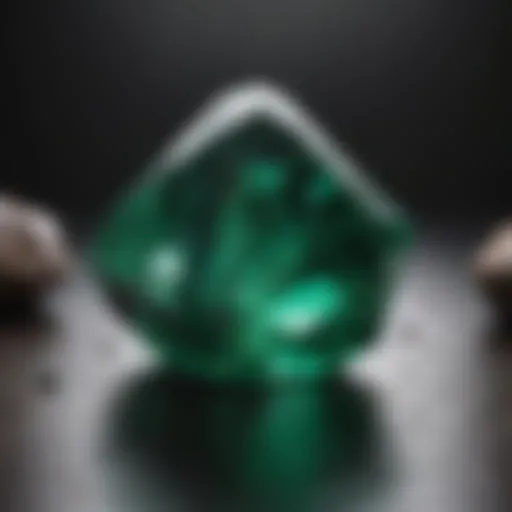
Ammolite is a rare gemstone formed from the fossilized shells of ammonites, marine mollusks that existed millions of years ago. Discovered primarily in the foothills of the Rocky Mountains in Alberta, Canada, it boasts a kaleidoscope of colors, reminiscent of a stained glass window. It's not merely the colors that make ammolite special; rather, it is the fascinating interplay between light and these vivid pigments, creating a mesmerizing display that captivates anyone who lays eyes on it.
Ammolite’s classification as an organic gemstone sets it apart from many other gemstones. Unlike traditional gems formed through natural geological processes, ammolite emerges from the remnants of life, offering a link between the earth’s history and contemporary adornment. Such connections not only amplify its allure but also invite deeper contemplation on natural beauty and its transformation over eons.
Ammolite vs. Other Gemstones
When juxtaposed with other gemstones like diamonds, sapphires, or even opals, ammolite provides a distinctly different narrative. For instance:
- Color Variability: While gemstones such as sapphires are valued for their deep blues, ammolite can showcase an expansive palette from vibrant reds to tranquil blues and greens. Each piece is unique, much like a fingerprint.
- Source and Rarity: Unlike many gemstones found in various locations worldwide, ammolite's primary source is limited to Canada. This rarity enhances its appeal and cements its status one among a select few organic gems.
- Cultural Context: The story behind ammolite is heavily influenced by Indigenous cultures in Canada, further enriching its significance and offering a fascinating contrast to the more commonly known gemstones.
Geological Origins
The geological origins of ammolite are crucial to understanding its unique characteristics and desirability in the jewelry market. This section delves into how specific geological processes contribute to the formation of this remarkable gemstone and highlights the areas in Canada where ammolite can be found. Such knowledge not only enriches enthusiasts' appreciation of the stone but also aids collectors in understanding its rarity and value.
Formation of Ammolite
Ammolite is a captivating organic gemstone, formed primarily from the fossilized shells of ammonites, which are an extinct group of marine mollusks. The scientific narrative surrounding its formation is both fascinating and complex. These shelled creatures thrived during the Late Cretaceous period, which ended roughly 66 million years ago. When these ammonites died, their shells were buried under layers of sediment, experiencing intense pressure and heat over the eons. This geological transformation, involving calcification and mineralization, leads to the vibrant colors often seen in ammolite jewelry today.
The iridescent nature of ammolite primarily arises from the interference of light as it interacts with the microscopic structure of the fossilized shell. This phenomenon is remarkably similar to the way a peacock’s feathers show various hues depending on the angle from which they are viewed. These colors can range from deep reds and vivid greens to striking blues and yellows, making each piece of ammolite jewelry not only unique but also a testament to the intricate geological processes at play.
The formation of ammolite can be influenced by several factors, including:
- The specific mineral composition of the sediment surrounding the fossilized ammonites.
- The geological conditions present during their burial years ago.
- The amount of pressure and temperature applied to the shells over time.
This understanding of ammolite’s formation gives significant insight into the mere rarity of this gemstone. It underscores why collectors often view it as a natural art piece, a fragment of history captured in iridescent form.
Locations of Natural Deposits in Canada
When it comes to ammolite, Canada stands out as the principal source of this rare gem. The primary deposits are located in the Alberta region, specifically in the Bearpaw Formation, around the vicinity of the city of Lethbridge. Here, the unique geological history has crafted an environment where ammolite can thrive—quite literally.
One notable area for collectors is the St. Mary River, known for its rich deposits of high-quality ammolite. Exploring this region, one might come across not just beautiful gemstones, but also captivating landscapes that inspired many local artisans in their craft.
Collecting ammolite here can be an adventure, but keep in mind that the extraction process is heavily regulated to ensure that the environment is not harmed.
In addition to Alberta, areas in southern Saskatchewan and certain parts of Montana, USA, also contribute to the supply of ammolite. However, none match the rich deposits found in Canada, making it a focal point of the market.


Since ammolite is a collector's favorite, its limited availability makes it a highly sought-after commodity.
In summary, the geological origins of ammolite offer an enthralling glimpse into the past, showcasing how ancient marine life has transformed into a prized gemstone. Understanding its formation and location helps collectors appreciate not just its aesthetic value, but also the profound history embedded within each unique piece.
Cultural Significance
Ammolite jewelry holds a rich tapestry of cultural significance, particularly in the Canadian landscape from which it originates. This captivating gemstone does not merely serve as an ornament; it embodies a deeper connection to the land, its history, and the people who have lived there for generations. The cultural weight of ammolite resonates not only in its aesthetic appeal but also in its historical narratives and symbolic meanings within Indigenous cultures.
Historical Context
To understand the cultural significance of ammolite jewelry, one must first look back at its history. This gemstone has been known for centuries, with its essence rooted deeply in the geological formations of the Western Canadian Sedimentary Basin. Indigenous peoples, including the Blackfoot Nation, have long revered ammolite for its beauty and spiritual presence, often using it in various rituals and ceremonies. It is said that ammolite was considered a gift from the Earth, reflecting its vibrant hues akin to the natural world around them.
Interestingly, ammolite was officially recognized as a gemstone in 1981, when the government of Alberta declared it a provincial treasure. This move marked a vital point in elevating ammolite from a mere geological curiosity to a celebrated element of Canadian heritage and culture. The journey of ammolite from the earth to the jewelry box embodies respect for nature and the importance of cultural symbols in art and ornamentation.
Symbolism in Indigenous Cultures
In Indigenous cultures, ammolite serves as a potent symbol of transformation and connection to the natural world. It is often associated with the life cycle, reflecting the vitality of life, death, and rebirth found in the intricate patterns and colors of the stone.
For the Blackfoot and other Indigenous peoples, ammolite is more than just a gemstone; it is a talisman believed to hold protective qualities. Wearing ammolite jewelry can signify a person's connection to their ancestors and the spirit of the land. The diverse colors of ammolite—ranging from reds and greens to blues—are thought to symbolize various aspects of life: passion, growth, and tranquility.
Moreover, ammolite's rarity adds to its significance; it is a unique representation of natural beauty found only in certain parts of Canada. As such, the gemstone is not merely a fashion statement but a profound representation of identity, heritage, and the stories of the people who have cherished it over generations.
"Ammolite is not simply a stone; it is a fragment of history, culture, and the spirit of the land itself."
In summary, the cultural significance of ammolite jewelry extends beyond its visual allure. It encompasses a rich historical narrative that reflects the values, beliefs, and identities of Indigenous cultures. As enthusiasts and collectors delve into ammolite, they engage with a story that interweaves earth, heritage, and artistry, fostering a deeper appreciation for this remarkable gemstone.
Craftsmanship of Ammolite Jewelry
The craftsmanship of ammolite jewelry stands as a testament to the dedication and skill that artisans imbue into each piece. This category of jewelry is not merely about aesthetics; it encompasses an array of intricate processes that transform raw materials into exquisite crafts. Whether one is a collector or simply a connoisseur, understanding the craftsmanship behind ammolite jewelry is essential. It allows one to appreciate the effort, passion, and heritage interwoven into each creation.
Extraction and Processing
The journey from ammolite's natural state to a jewelry piece is a meticulous process. Extraction occurs primarily in Alberta, Canada, where mining efforts focus on obtaining ammolite from sedimentary rocks. Artisans must navigate the delicate balance of preserving the gem's unique properties while ensuring the extraction process remains environmentally responsible. After extraction, the ammolite undergoes processing. This step involves cleaning, cutting, and polishing the stones to reveal their stunning color play.
As the jeweler works with ammolite, they must be cautious; the stone is not as hard as some gemstones, requiring skillful hands to mitigate breakage risks. Polishing can bring out the iridescence of the gem, showcasing colors that shift and change depending on the angle of light.
Design Techniques
Incorporating ammolite into jewelry design invites creative innovation. Designers often adopt techniques that highlight the stone's vibrant colors while ensuring that each piece functions as both a visual statement and a wearable artifact. Setting ammolite involves various materials such as gold or silver, which are chosen not just for durability but to enhance the gemstone's natural allure. The designs can range from classic elegance to modern artistic expressions. Some artisans draw inspiration from nature, creating settings that mimic organic forms, while others may use geometric shapes to lend a contemporary edge. Some notable design techniques include:
- Layered Settings: Using multiple layers to create depth and dimension.
- Inlay Techniques: Combining ammolite with other gemstones to create a stunning contrast.
- Unique Cutting Styles: Custom cuts that reflect personal expression and artistry.
This focus on design captures the essence of ammolite, making each piece unique and offering wearers a chance to connect with the gemstone on a personal level.
Role of Artisans
Artisans are the heart and soul of ammolite jewelry craftsmanship. Each craftsman typically brings a rich background, often rooted in traditions passed down through generations. These skilled professionals not only shape the end product but also play a crucial role in sourcing materials sustainably and ethically. Their experience allows them to select stones that possess the best qualities, from iridescence to the integrity of the gem itself.
Moreover, artisans contribute to the broader narrative surrounding ammolite, linking it to cultural stories and historical contexts that resonate with buyers. They understand the significance of the materials they work with and often include elements that reflect their heritage or personal journey. As a result, owning ammolite jewelry is akin to holding a piece of art, resonating with the hands that created it.
Artisans ensure that every cut and setting tells a story, making each ammolite piece a unique blend of nature and human creativity.
Ammolite’s Unique Properties
Ammolite stands out in the world of gemstones due to its distinct features that contribute to both its aesthetic appeal and practical qualities. The importance of these unique properties extends beyond mere appearances; they often dictate the desirability and market value of ammolite jewelry. Understanding these characteristics is crucial for collectors and enthusiasts, as they inform decisions about purchasing and caring for these precious gems.
Color Play and Aesthetics
Ammolite is often recognized for its captivating color play, attributed to its organic composition. The iridescent qualities of this gemstone arise from the microscopic structure of its layers, which refract light in astonishing ways. Each piece is a veritable canvas of vibrant hues, often displaying a spectrum that can range from deep reds and fiery oranges to soothing greens and blues. This rich palette is one of the main reasons collectors find it enticing; no two pieces are precisely alike, creating a unique experience for each wearer.
The aesthetic charm of ammolite goes beyond its colors. The patterns seen in these gemstones can evoke images of natural landscapes or fantastical scenes, further enhancing their appeal. These attributes make ammolite jewelry not just an accessory but a statement piece, cherished for its artistry and uniqueness. Enthusiasts might find themselves drawn to specific crystals not only for their colors but for the emotions and stories they inspire.
"Each piece of ammolite tells its own story through the artistry of nature!"
This canvas effect of ammolite, with its ability to bring numerous colors to life, also plays into contemporary design trends. Designers continually find innovative ways to showcase ammolite in jewelry, ensuring that its beauty is at the forefront, be it through pendants, rings, or earrings. As such, these creations provide an impressive visual element to any ensemble – whether it’s casual or formal – letting wearers express their individuality with confidence and flair.
Durability and Wearability
While the beauty of ammolite is undeniable, the durability of this gemstone provides an equally important aspect for those considering it as a long-term investment. Ammolite has a lower hardness on the Mohs scale compared to traditional gemstones, such as diamonds or sapphires, which means it's more susceptible to scratching and damage from daily wear. This distinct quality requires wearers to exercise due caution.
Engaging with ammolite means understanding how to balance its delicate nature with the desire to wear it regularly. To enjoy this gem's majestic colors and patterns while ensuring their longevity, collectors should take heed of practical wearability suggestions. Storing ammolite jewelry away from hard surfaces and other jewelry that could cause scratches is essential. Additionally, avoiding exposure to harsh chemicals and extreme temperatures helps maintain its stunning visuals and structural integrity.
In summary, the unique properties of ammolite elevate it above many other gemstones. Its color play and aesthetics captivate the eye and the heart, while its durability and wearability offer a more nuanced consideration. For rock and fossil collectors, appreciating these qualities is vital for informed decision-making, whether they are new to the world of ammolite or seasoned collectors looking to enhance their collections.
Market Dynamics and Trends
Understanding the market dynamics surrounding ammolite jewelry is essential for both collectors and enthusiasts. This section takes a closer look at two vital aspects within this arena: emerging markets for ammolite jewelry and the challenges faced in the market.

Emerging Markets for Ammolite Jewelry
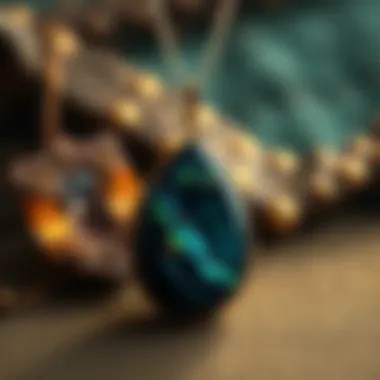
As the world becomes more interconnected, emerging markets for ammolite jewelry are starting to be noticed. Countries such as China and India are viewing ammolite not simply as a gem but as a symbol of status and luxury. The rise of the middle class in these regions has led to an increase in demand for unique and luxurious jewelry pieces. Accordingly, designers are beginning to tap into this market, showcasing ammolite in creative ways that reflect local tastes and preferences.
Beyond geographic trends, social media has also played a significant role. Platforms like Instagram and Pinterest have brought attention to ammolite, allowing potential consumers to see the beauty and craftsmanship that goes into these pieces. The visual allure of ammolite’s vibrant colors is hard to resist, and it creates a compelling story for those wanting to showcase something unique.
"Emerging markets are not just about location but cultural trends that shape consumer desires."
In some ways, the emergence of these markets poses an exciting opportunity for growth. Along with the growing interest spans various age groups, from young adults seeking fashionable expressions of individuality to older collectors who appreciate the investment aspect. Exploring new avenues for selling ammolite jewelry can fuel a burgeoning collector base, leading to innovative designs and increased market interest.
Challenges in the Market
While the future of ammolite jewelry appears promising, it is essential to address some of the challenges that can hinder market growth. First, the limited availability of high-quality ammolite poses a significant issue. The rarity of this gemstone results in higher prices, which can deter potential buyers. This situation creates a delicate balancing act of managing supply while attempting to meet ever-growing demand.
Another challenge stems from educating consumers about ammolite’s unique properties compared to other gemstones. Many potential buyers might not be familiar with its origins, rarity, or the intricate craftsmanship involved in its processing. This lack of knowledge can lead to skepticism, which directly affects purchasing decisions.
Moreover, maintaining ethical sourcing practices is becoming increasingly important. As concerns over environmental impacts mount, consumers are asking more questions about sustainability. Sellers of ammolite jewelry need to navigate this growing demand for transparency while still ensuring that their operations remain profitable.
Addressing these challenges is crucial for the long-term success of the ammolite market. Solutions could involve better education campaigns, enhanced storytelling in marketing strategies, or partnerships with sustainable mining operations. By tackling these obstacles head-on, stakeholders can position themselves for a brighter future in the dynamic landscape of ammolite jewelry.
Environmental and Ethical Considerations
The rising interest in ammolite jewelry not only highlights its beauty but also raises important questions about the environmental and ethical repercussions of sourcing this gem. As a relatively rare gemstone, the extraction and processing of ammolite can have significant implications for local ecosystems and communities. Therefore, the ethical considerations surrounding its mining and distribution must be clearly understood and addressed.
Impact of Mining on Eco-systems
Mining ammolite involves disrupting delicate geological formations where this gemstone is found. The mining procedures often require the removal of large amounts of overburden. This can lead to soil erosion, habitat destruction, and even the loss of biodiversity in local wildlife that depends on these ecosystems.
For instance, the areas around the Rocky Mountains, where most ammolite deposits are mined, are rich in various flora and fauna. As mining activities expand, this could lead not only to the contamination of nearby water sources but also adversely affect native species that thrive in those habitats. Moreover, the dust and debris generated during mining can pollute the air, impacting local communities and their health.
"If we don’t take care of our planet, we might lose the very resources that inspire us."
Balancing the desire for ammolite and the health of the land is critical. Responsible practices that minimize ecological disruption are necessary in order to preserve the ecological balance of these regions for future generations.
Sustainable Practices in Ammolite Sourcing
The focus on sustainability in ammolite mining has grown as awareness of environmental issues increases. Sustainable mining practices can buffer against the negative impacts of extraction. One example is employing selective mining techniques, which aim to extract only the necessary materials while leaving the surrounding environment intact. This can reduce the overall footprint of mining operations.
Additionally, many organizations are advocating for certifications and regulations that ensure ethical sourcing. These include:
- Ensuring that local communities are involved in decision-making processes concerning mining activities.
- Mandating fair compensation for land use, thus supporting the livelihoods of local indigenous populations.
- Promoting reclamation efforts, where mined lands are restored to their natural state after extraction is completed.
Using recycled materials in jewelry design is another initiative that reflects a commitment to sustainability. This practice not only minimizes the demand for newly mined ammolite but also reduces the environmental toll associated with mining.
In summary, the future of ammolite jewelry hinges on the adoption of ethical practices. As more consumers become aware of these issues, those who source and create ammolite jewelry must embrace sustainable methods that protect the environment while delivering beauty to the market.
Caring for Ammolite Jewelry
Caring for ammolite jewelry is essential for maintaining its beauty and integrity over time. As one of the rarest gemstones, ammolite not only holds aesthetic appeal but also carries significant cultural and geological value. Ignoring proper care can lead to damage that might diminish its vibrant hues and unique patterns. Thus, good practices in cleaning and storage are key components to preserving the allure of these remarkable pieces.
Cleaning Procedures
When it comes to maintaining ammolite jewelry, cleaning is perhaps the most critical step. Because of its composition, special care must be taken to ensure the longevity of the stone. Here’s how to do it right:
- Gentle Approach: Prior to any cleaning, inspect the jewelry. Look for any loose parts or signs of damage. If everything seems fine, opt for a soft, lint-free cloth. This cloth should be damp but not soaking wet – moisture should be your ally, not an enemy.
- Avoid Harsh Chemicals: It’s crucial to steer clear of chemical cleaners or abrasive solutions. These can erode the gemstone’s delicate surface. Instead, use mild soap mixed with lukewarm water. A bit of dish soap will do wonders, but remember to rinse it off thoroughly.
- Softly Polish: After cleaning, gently wipe the jewelry again with a dry cloth. Pay attention to settings and crevices where grime can accumulate.
- Frequency of Cleaning: Ideally, your ammolite pieces should be cleaned every few weeks, especially if worn frequently. However, this can vary based on personal wear habits. Always remember, a little TLC goes a long way.
"Regularly caring for ammolite not only preserves its shine but also protects its rich history embedded in each piece."
Storage Recommendations
Once you've cleaned your ammolite jewelry to perfection, the next pivotal consideration is storage. Proper storage preserves its beauty and provides a safeguard against potential damage. Here are some notable tips:
- Individual Cases: Store ammolite jewelry in a soft-lined jewelry box or pouch. This prevents scratching and dings from other pieces. Ammolite is relatively soft compared to diamonds and harder stones.
- Avoid Humidity: Keep your storage area dry. Too much humidity can damage the organic elements of ammolite. Consider using silica gel packets to manage moisture if necessary.
- Temperature Considerations: Store in a location where temperatures remain stable. Extreme changes can affect the integrity of the stone.
- Minimal Exposure: When not being worn, avoid leaving ammolite jewelry in direct sunlight for long durations. The vibrancy of the colors can fade over time.
By adhering to these cleaning and storage guidelines, owners can ensure their ammolite jewelry remains a cherished possession, standing the test of time in both beauty and significance.
Ammolite in Fashion
Ammolite jewelry holds a unique position in the world of fashion accessories. Its popularity stems not just from its striking aesthetic, but also from the growing trend of personalization in fine jewelry. As people search for items that reflect their individuality, ammolite offers an attractive option with its vibrant colors and patterns that differ from piece to piece. This distinctive quality makes it a favorite among those who appreciate both art and nature in their adornments.
The fashion industry is constantly evolving, yet some trends remain steadfast. Designers are leaning towards natural gemstones that tell a story, and ammolite fits that bill perfectly. The colors found in ammolite—turquoise, reds, and fiery yellows—allow for a spectrum of design possibilities. These colors add an element of drama and sophistication to fashion pieces, making ammolite jewelry not just an accessory, but a statement.
Trends in Jewelry Design
In contemporary jewelry design, there is a noticeable shift towards organic, nature-inspired elements, and ammolite jewelry takes center stage. Designers often utilize ammolite as a centerpiece because of its unique play of colors. The approach of mixing metals like gold with ammolite creates an excellent juxtaposition that enhances the jewel’s natural beauty.
- Minimalist Settings: Many designers now favor minimalist styles, showcasing the natural beauty of the ammolite stone. A simple gold band with a single ammolite inlay allows the gemstone to shine.
- Layered Pieces: Layering different types of ammolite pieces with more traditional jewelry has become a popular trend. This layering offers versatility, allowing collectors and fashion enthusiasts to customize their look.
- Geometric Shapes: Unconventional cuts and designs, such as hexagons or free-form shapes, are gaining popularity. This modern aesthetic appeals to younger audiences who wish to break away from classic styles.
Celebrity Influence
The impact of celebrities on fashion trends cannot be overstated. In recent years, several influential figures in entertainment have been spotted wearing ammolite jewelry, consequently boosting its visibility and appeal. Once a rarity in mainstream fashion, ammolite has emerged as a go-to choice for high-profile events.
When someone like a musician or an actress flaunts an ammolite pendant on the red carpet, it creates a buzz that resonates through the fashion world. Fans and collectors alike often seek out similar pieces, directly influencing market demand.
Influential figures include:
- Actors and actresses at award shows
- Music icons during public appearances
- Influencers on social media platforms like Instagram
"Ammolite is not just a pretty face; it’s a jewel with history, and that makes it all the more precious."
The surge in celebrity sightings has made ammolite jewelry more than just a fashion statement; it’s become a way for individuals to express their style and align themselves with the unique story behind the stone. With its vibrant colors and rich background, ammolite continues to capture the imagination of those who seek both beauty and meaning in their jewelry.
Future of Ammolite Jewelry
The conversation surrounding the future of ammolite jewelry hints at exciting prospects, driven by both evolving fashion trends and growing consumer awareness. As more individuals seek unique pieces that tell a story, ammolite is well-poised to capture attention in the jewelry market. It's like setting a captivating stage, where the rare beauty of this gemstone plays the lead role, shining brightly in an era that values both individual expression and sustainability.
Predictions for the Market
Looking ahead, the market dynamics for ammolite jewelry reveal several key trends. Firstly, the increasing demand for ethically sourced materials means that ammolite may thrive as consumers become more conscious of their purchases. Unlike many gemstones, ammolite's mining can be managed sustainably, allowing buyers to wear their treasures without guilt.
Moreover, analysts suggest a rise in awareness among collectors and enthusiasts. With ammolite's distinctive properties—its vibrant colors, captivating patterns, and rarity—more people are likely to seek it out.
"Ammolite is more than just a gemstone; it's a conversation starter and a piece of nature's art."
Some experts predict that as the global market shifts focus onto personalization in jewelry, ammolite will be favored for custom designs. Individuals might opt for bespoke pieces incorporating this gemstone, ensuring they own something truly one of a kind. This thirst for uniqueness is paving new avenues for artisans skilled in working with ammolite, further driving the market.
Innovations in Jewelry Making
In the realm of ammolite jewelry, innovations come hand-in-hand with artistry. Jewelers are increasingly employing advanced technology, such as laser cutting, to achieve more intricate designs. This technique allows for precision that enhances the natural aesthetics of ammolite, showcasing its stunning vibrant hues.
Additionally, collaborations between jewelry designers and artists are becoming more common. Such partnerships not only broaden the exposure of ammolite pieces but also invite fresh perspectives on the integration of this gemstone into modern fashion trends. It's like breathing new life into traditional craftsmanship.
Furthermore, the incorporation of 3D modeling and printing is allowing for unprecedented designs that were previously impractical or impossible to create. Such technology opens the door for limitless possibilities, where collectors may find innovative settings that accentuate the unique qualities of ammolite.
The future of ammolite jewelry is, indeed, a canvas waiting to be painted with creativity and innovation. As the market adjusts, ammolite isn't just remaining relevant—it's stepping into the spotlight, ready to catch the eyes of new generations.
Collecting Ammolite
Collecting ammolite can be a fulfilling journey into the world of unique gemstones. Unlike more prevalent stones, ammolite holds an exceptional allure due to its vibrant colors and fascinating origins. Each piece carries a slice of history, as it originates from ancient marine life, fossilized over millions of years. The growing interest in this gemstone—especially among those who have an eye for quality and rarity—makes it a noteworthy aspect of the jewelry scene. Delving into this hobby not only offers aesthetic satisfaction but also the thrill of uncovering natural wonders. Furthermore, collecting ammolite fosters a deeper connection to the environmental and geological heritage of Canada.
Tips for New Collectors
For newcomers to the world of ammolite, there are certain tips that can enhance your collecting experience. Here are some helpful pointers to get you started:
- Do Your Research: Before diving in, familiarize yourself with the different types of ammolite, focusing on key elements like color play and patterns. Knowing what makes a piece valuable can help you make informed purchases.
- Buy from Reputable Sources: Ensure you purchase from well-established dealers. They should provide certificates of authenticity, confirming their legitimacy. This step is crucial to building a credible collection.
- Join Collector Communities: Engage with other collectors through forums or social media. Websites like Reddit have active communities discussing tips and trades. Connecting with fellow enthusiasts can provide insights that are not readily available in literature.
- Attend Gem Shows: Visiting gem and mineral shows is a fantastic way to see a wide range of ammolite pieces. You can also speak directly with vendors and ask questions about their offerings.
- Start Small: Don’t feel pressured to make large investments right off the bat. Start with smaller pieces to understand your preferences and build confidence in your judgment.
Evaluating Authenticity
Evaluating the authenticity of ammolite is paramount, given that counterfeit products can tarnish the reputation of genuine pieces. Here are some strategies to help you assess whether you're acquiring an authentic item:
- Look for Certification: Always demand documentation from the seller. Authentic ammolite should come with a grading report from a recognized gemological laboratory.
- Examine the Color Play: Genuine ammolite showcases a unique play of colors; vibrant greens, reds, and blues that shift depending on the angle of light. If the color appears flat or manufactured, it may not be authentic.
- Assess the Transparency: Authentic ammolite can display a level of transparency. If a stone appears overly opaque, question its legitimacy.
- Understand the Price Point: Be wary of prices that seem too good to be true. Genuine ammolite is rare and often carries a higher price tag. If the deal feels like a steal, proceed with caution.
"When you’re in the business of collecting, knowledge is your best tool. Knowing what to look for can save you from costly mistakes and enhance your collection's value."
By following these guidelines, novice collectors can navigate the ammolite market with greater assurance, enriching their journey into this captivating world.
Ammolite Jewelry Resources
Ammolite jewelry represents a unique intersection of nature’s artistry and human craftsmanship. Understanding the resources available for ammolite seekers and enthusiasts is essential for informed investing and appreciation. This section illuminates the practical aspects of acquiring and studying ammolite, making this beautiful gemstone truly accessible.
Where to Buy Ammolite Jewelry
Finding authentic ammolite jewelry may feel like hunting for a needle in a haystack, especially given its rarity and the different qualities available in the market. Navigate carefully to ensure your purchase is genuine. Here are a few trusted avenues:
- Specialty Jewelry Stores: These shops often focus on ethical sourcing and provide clarity regarding the origins of their stones. Look for established retailers known for gemstones.
- Online Marketplaces: Websites like Etsy, eBay, and even dedicated fossil and gemstone sites often have a plethora of options. Always check seller feedback and request certification documents if available.
- Gem Shows and Expos: Many cities host gem and mineral shows where vendors sell directly to consumers. This not only allows for inspection of the jewelry but also fosters connections with knowledgeable sellers.
- Artisan Workshops: Some artisans sell their pieces directly. This option usually guarantees both quality and authenticity. You might even get the chance to learn about the origin of the stone from the maker themselves.
When purchasing, always inquire about the stone’s certification and whether it has been treated or enhanced. Quality assurance is key here.
Reference Materials for Further Study
For those eager to enhance their knowledge on ammolite, a wealth of resources exists, ranging from books to online databases. Knowledge equips you to better appreciate your collection and invest wisely. Here are some recommended materials:
- Books:
- Websites:
- The Gemstone Guide by John Doe provides comprehensive insights on various gemstones, including ammolite. Its details on geological properties and market trends are especially enlightening.
- Jewels of North America by Jane Smith explores North American gemstones, with an extensive chapter on ammolite, covering its cultural significance and value.
- Wikipedia offers a basic overview of ammolite, its properties, and cultural contexts: Ammolite on Wikipedia.
- The Gemological Institute of America (GIA) provides educational materials on gemstones, and their reports can help guide buyers in understanding jewelry characteristics: GIA.
- Forums like Reddit have communities dedicated to gems and fossils. Engaging in discussions can yield practical advice and personal experiences from collectors: Gemstone Discussion on Reddit.
Utilizing these resources ensures that collectors and enthusiasts alike make informed decisions regarding their precious ammolite jewelry, while also deepening their appreciation for this remarkable gemstone.