Understanding Amethyst Crystal Points: Formation and Significance
Overview of the Topic
Amethyst crystal points represent a captivating intersection of geology, mineralogy, and cultural lore. These striking formations are a type of quartz crystal, characterized by their violet hues, which can vary dramatically in shade. Lets dig deeper with a clearer definition of terms and explore the historical significance of amethyst.
Definition of Key Terms
- Amethyst: A purple variety of quartz, featuring hues ranging from light lavender to deep violet. Its color is due to the presence of iron and other trace elements within the crystal lattice.
- Crystal Points: These are naturally occurring or cut formations that are typically terminated at one end, resembling a pointed shape. The points are known for their sharp clarity and innate beauty, making them highly coveted in both decorative and metaphysical circles.
- Geology & Mineralogy: These fields of study focus on the Earth’s processes, materials and structure. Geology encompasses the study of rocks, minerals, and the processes that shape the planet, while mineralogy is specifically concerned with minerals' properties, structures, and classification.
Historical Significance
Throughout history, amethyst has held a place of esteem across various cultures. In ancient Egypt, it was considered a protective stone, often used in burial artifacts to symbolize purity and divine protection. Meanwhile, the Greeks associated amethyst with Bacchus, the god of wine, believing it could ward off intoxication. Moreover, during the Middle Ages, it served as the stone of bishops, signifying their authority and spiritual depth.
Despite the evolution of its significance, amethyst still has a place in modern culture as a symbol of calm and clarity, often sought after in healing practices and meditation. This metamorphosis from antiquity to contemporary relevance underlines its enduring appeal.
Types of Collectibles
The world of amethyst collectibles is as diverse as the crystal itself. Enthusiasts and collectors often seek specific categories, each with unique attributes.
Classification of Different Collectibles
- Natural Points: These are uncut and unpolished amethyst crystals, sourced directly from their natural milieu. They boast unique formations which can be quite spectacular, reflecting their raw beauty.
- Polished Points: These crystals are shaped and polished for aesthetic appeal, often exhibiting a glass-like finish that enhances their color and clarity. Many collectors prefer these for display purposes.
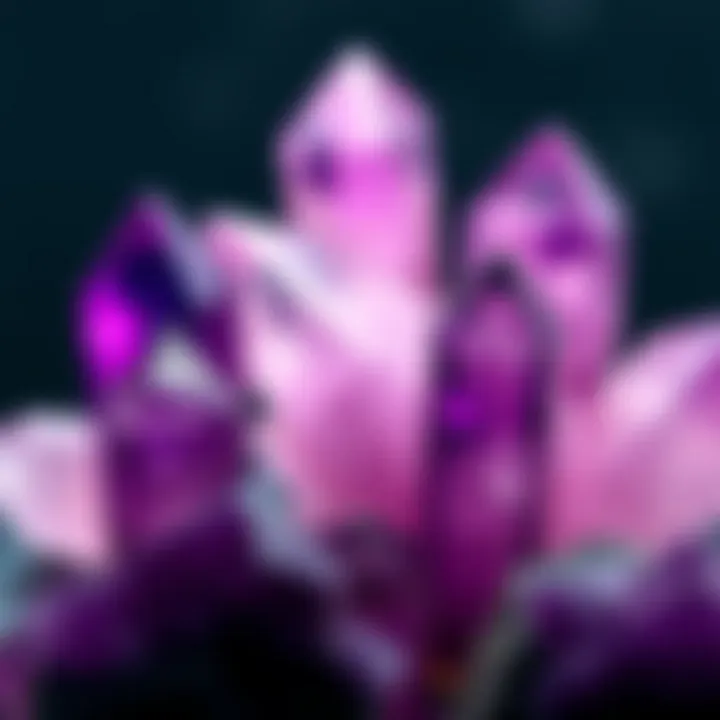
- Cluster Specimens: These form in groups and display numerous crystal points emerging from a central matrix. Their intricate arrangements make them eye-catching pieces for any collection.
Notable Categories
Among the varieties of amethyst collectibles, certain types stand out due to their rarity or visual uniqueness:
- Cactus Quartz: Featuring a broader base and short, spiky terminations, it resembles a cactus and is sought after for its visual charm.
- Chevron Amethyst: Known for its distinctive banding patterns, this form combines layers of amethyst and white quartz, creating striking designs.
In the realm of amethyst collectibles, understanding these classifications can enhance not only personal collections but also the appreciation of their complexity and beauty.
"Amethyst is more than just a beautiful stone. It bridges the ancient and modern, holding a wealth of meaning that resonates with those who seek it."
Prelude to Amethyst Crystal Points
Amethyst crystal points possess a unique allure that enchants not just collectors, but anyone with a curiosity for the natural world. These stunning purple minerals captivate with their rich history and myriad applications, making them more than just decorative items. Understanding amethyst and its characteristics is enlightening for anyone from geologists to spiritual practitioners.
The significance of amethyst crystal points unfolds at various levels. They are not only recognized for their beauty but also for their geological formation and the myriad metaphysical properties attributed to them. Collectors often seek these crystals due to their vibrant color and ability to harmonize energies in spaces. Amethyst is revered in many cultures and traditions, symbolizing clarity and calmness—qualities that resonate deeply in our fast-paced lives.
Exploring amethyst begins with its geological roots, providing insights into how these crystals are formed over millennia. The natural environment in which they grow, often in volcanic rocks, adds to the speculation surrounding their rarity and value. Furthermore, their distinct hues and patterns shed light on the mineral composition that forms the basis for their captivating appearance.
Aside from their geological importance, diving into the cultural significance of amethyst crystal points reveals how they have been utilized throughout history—from ancient royalty adorning themselves with amethyst jewelry to modern-day collectors integrating them into meditation practices. This duality of physical beauty and cultural meaning underscores their relevance in both scientific and spiritual domains.
"In a world filled with chaos, amethyst serves as a reminder of the beauty in patience and the intricate dance of time that shapes our existence."
In each section of this article, we’ll peel back layers to reveal the complexities of these fascinating crystals, examining their formation, characteristics, and their place within the larger context of cultural history. Each amethyst point tells its own story, inviting us to learn more about both the rock and ourselves. As we traverse through the realms of geology and metaphysics, our exploration aims to enrich the understanding of amethyst—not merely as crystals to collect, but as timeless gifts from the Earth.
Geological Formation of Amethyst
Understanding the geological formation of amethyst crystal points is essential, as it lays the groundwork for appreciating their characteristics and significance. Amethyst occurs when specific geological conditions converge, creating a unique environment conducive to its formation. This section delves into the natural habitats and mineral composition that contribute to the birth of this striking violet gem.
Natural Habitat
Amethyst thrives in volcanic environments, predominantly found in areas rich in geologically active regions. The mineral develops in geodes, specifically within cavities of volcanic rock. These geodes form over millions of years as magma cools, allowing space for the crystals to grow in.
- Key Locations
Some of the top areas to find amethyst include:
- Brazil: Known for its large deposits and stunning hues.
- Uruguay: Famed for its deep purple, high-quality crystals.
- South Africa: Offers a variety of distinct amethyst shapes and sizes.
The abundance of iron in the volcanic material aids in the development of its characteristic purple color. This interplay of elements, along with the right temperature and pressure, crafts the stunning forms amethyst is known for today.
Mineral Composition
Amethyst is primarily composed of quartz, a mineral that forms the backbone of many geological structures. What sets amethyst apart is its unique incorporation of iron traces, which interact with the quartz lattice structure. The presence of these iron impurities is what gives amethyst its distinctive purple allure.
- Basic Composition
- Silicon Dioxide (SiO2): The main element, providing structural integrity.
- Iron (Fe): In trace amounts, essential for the coloring of the crystal.
- Other Elements: Minor elements may include manganese, which can enhance color variations.
The percentage of iron can influence the shades observed in amethyst, ranging from a soft lavender to a deep, rich violet. This variance not only reflects the conditions present during its formation but also enhances its appeal as a sought-after gemstone.


"The depth of color in each amethyst tells a story of its journey through time and earth's geology."
In summary, the geological formation of amethyst is a compelling blend of environmental factors and mineral composition, contributing to its valued aesthetic and metaphysical properties. Through understanding where amethyst forms and its complex makeup, collectors and enthusiasts can appreciate not just the beauty of the crystal but also the remarkable natural processes behind it.
Characteristics of Amethyst Crystal Points
Understanding the characteristics of amethyst crystal points is essential for rock and fossil collectors, gem enthusiasts, and anyone interested in geology or metaphysical properties. These crystal points are not just visually captivating; they possess unique physical attributes, stunning color variations, and remarkable formation structures that are integral to their appeal and value. This section aims to delve into these aspects, shedding light on what makes each amethyst point distinctive and why these characteristics matter.
Physical Attributes
The physical attributes of amethyst crystal points are a fundamental part of their allure. Generally recognized for their hexagonal shape, these crystals can range in size from small clusters, which fit in the palm of your hand, to large geodes that tower over other collectibles. Each point possesses distinct facets that reflect light in beautiful ways. This shimmering effect can vary drastically, influenced by the specific structural integrity of the crystal itself.
Weight and Density are also noteworthy characteristics; for instance, when you hold an amethyst point, you might notice its substantial heft, which gives it a sense of durability and value. Overall, collectors often assess the quality of a crystal based on its clarity, luster, and how well it has retained its form over time. These factors contribute not just to the beauty, but to the potential energy properties attributed to the crystal.
Color Variations
One of the most striking features of amethyst crystal points is their color variations, which can range from deep purple to almost clear quartz with only hints of violet. Factors influencing color include the iron content and the level of radiation exposure during crystal formation. This spectrum of colors can tell a story about the crystal's origins and the environment in which it was formed.
Amethyst layers can often produce incredible patterns, such as bands of light and dark purple, giving each crystal a personal touch. Some collectors may prefer darker hues, viewing them as more powerful, while others appreciate the subtler tones for their more delicate aesthetic. These variations not only enhance the beauty of amethyst but also impact their value significantly in the market.
“The deeper the color, the more valuable the amethyst - or so the saying goes.”
Various marketing strategies have hinted at the ‘best’ shades of amethyst. Yet, personal preference often dictates what individuals find most appealing, leading to diverse collections with a wide array of colors.
Formation Structures
Formation structures of amethyst crystal points offer a glimpse into their geological timeline. These formations primarily arise in volcanic environments, where molten lava cools and solidifies. Crystals grow outward from the center of voids in igneous rock, creating the points we admire. The conditions during this formation, such as temperature and the presence of different minerals, influence the final shape and clarity of the crystal.
Amethyst can form in different shapes, such as:
- Single Terminated Points: These emit energy in one direction.
- Double Terminated Points: These release energy in both directions, often more sought after by collectors.
- Clusters: Several points growing together, showcasing communal growth.
These formations can impact both the metaphysical interpretations and the collector value of the amethyst. Understanding how these structures develop not only adds depth to the collectors' appreciation but also educates about the natural processes underlying these stunning minerals.
Cultural Significance of Amethyst
Amethyst has long held a prominent place in human culture, rooted deeply in history, mythology, and modern interpretations. Its significance traverses various domains—from being a prized ornament in ancient royals' crowns to its symbolic associations with wisdom and sobriety. The embrace of amethyst by different cultures reflects its multifaceted value and highlights why it remains a subject of fascination.
Historical Uses
Historically, amethyst played a pivotal role in many ancient civilizations. The Greeks believed that this crystal had the power to ward off intoxication, thus wearing amethyst imbued with protective powers. They named it from the Greek word amethystos, meaning “not intoxicated.” Notably, it was often fashioned into cups, with the belief that drinking from an amethyst chalice could prevent drunkenness.
- Royalty: In medieval Europe, amethyst was commonly used in royal regalia, symbolizing authority and divine connection. Kings and queens adorned their crowns with this gemstone to emphasize their sovereignty.
- Religious Significance: In Christianity, amethyst is considered the stone of bishops—their rings often set with this gem reflecting its association with wisdom and piety. The usage can be traced back through centuries, with the stone often appearing in ecclesiastical vestments.
These historical contexts of amethyst have shaped its value in both cultural and spiritual dimensions, echoing its longstanding significance.
Amethyst in Mythology
In various mythological texts, amethyst is attributed powerful meanings that span beyond mere aesthetics. Its allure not only fascinated the powerful but also intrigued many a mythological figure. For instance, in Greek mythology, the tale of Amethystos—a virgin maiden who was transformed into the crystal by the goddess Dionysus—reflects themes of purity and transformation. This myth accentuates the stone’s association with clarity of the mind and spirit.
- Symbolism: Amethyst has been a symbol of tranquility and inner peace across various cultures, believed to promote serenity within the bearer. Ancient Egyptians viewed it as a protective stone against harm, resonating with its spiritual qualities.
- Connection to deities: Different cultures attribute various positive qualities to this crystal, believing it to connect humanity to higher realms. For instance, in Tibetan Buddhism, amethyst is associated with enlightenment and is often used in rituals and meditation practices.
Thus, the rich tapestry of mythology surrounding amethyst amplifies its significance and showcases its various interpretations through the ages.
Modern-Day Interpretations
In contemporary times, amethyst has evolved into a powerful symbol within wellness and holistic communities, supplementing its historical worth with modern-day interpretations. The current generation sees it as more than just a beautiful gem; many consider it a healing tool.
- Wellness Trends: Many people utilize amethyst in practices such as crystal healing, meditation, and yoga. Additionally, some believe its calming energy can help reduce anxiety and promote a balanced state of mind. People often carry small amethyst stones in their pockets or place them under pillows for restful sleep.
- Aesthetic Appeal: From chic boutique shops to high-end jewelry, amethyst has maintained its charm. Its exquisite violet hues find place in numerous decor items and personal adornments, merging both beauty and meaning seamlessly.
Amethyst continues to enchant individuals today, reaffirming its status not only as a crystal of beauty but also as an instrument of spiritual and emotional well-being.
As we navigate through evolving beliefs and insights, the cultural significance of amethyst crystal points remains intact, deeply interwoven with human beliefs and aspirations through time.
Metaphysical Properties of Amethyst
The metaphysical properties of amethyst have fascinated individuals for centuries, particularly among those who seek a deeper connection with crystals. Known for its striking purple hue, amethyst is not merely a decorative stone; it holds significance in various spiritual and healing practices. This section will explore the different facets of amethyst's metaphysical attributes, including its healing properties, spiritual insights, and energy dynamics.
Healing Properties

Amethyst has long been lauded for its healing properties, often regarded as a powerful stone for, both physical ailments and emotional stability. Many practitioners in the holistic arena suggest that amethyst can soothe pain, alleviate headaches, and enhance the overall health of one’s immune system. The gentle energy of amethyst is believed to work by resonating with the body's energy field and bringing about a sense of calm.
For those coping with anxiety and stress, amethyst acts as a natural tranquilizer. Folks often suggest keeping a piece under your pillow or wearing it as jewelry to cultivate a peaceful mind, even during turbulent times. As some might say, when feeling ‘under the weather’, the soft vibration of amethyst can provide a much-needed emotional bolster.
“Amethyst invites serenity and promotes balance in the midst of chaos.”
Additionally, many utilize amethyst in crystal healing layouts designed to harness its effects. A common practice involves placing amethyst over the heart chakra to encourage emotional healing and open oneself up to the soothing energy that this crystal embodies. Its vibrational frequency is thought to resonate at a level that calms the mind and reconnects the heart with the spirit.
Spiritual Insights
Amethyst is often viewed as a bridge between the earthly realm and spiritual awareness. It’s commonly associated with enhancing intuition and facilitating deeper meditation—a quality that many seekers appreciate. In meditative practices, laying with amethyst can lead to a state of heightened awareness and clarity, helping to dissolve mental blocks that hinder spiritual growth.
Some believe that amethyst can act as a guide during spiritual journeys, opening pathways to insight and wisdom that might otherwise remain elusive. Many spiritual practitioners emphasize the importance of maintaining an open mind when working with amethyst, as its energy is receptive to even the subtlest of vibrations. This crystal encourages users to trust their inner voice and follow their instincts when navigating the often complex spiritual landscape.
Energy Dynamics
The energy dynamics of amethyst are uniquely powerful, characterized by its ability to transmute negative energy into positive vibrations. This is important to note for enthusiasts who may wish to incorporate amethyst into their daily lives or personal décor. When placed in a living space, amethyst not only beautifies the area but also creates an atmosphere of peace and tranquility.
In energy work, amethyst can be employed in various layouts to facilitate a harmonious flow of energy. Many practitioners blend it with other crystals to create a balanced energy field. For instance, when combined with clear quartz, its properties are amplified, enhancing healing and meditation practices.
To fully harness the potential of amethyst’s energy dynamics, you might consider incorporating it into your daily routine—from holding it during moments of reflection to carrying a small piece in your pocket for energetic alignment. The possibilities might be endless for those willing to explore this crystal's vast potential.
Practical Uses of Amethyst Crystal Points
Amethyst crystal points offer a myriad of practical applications that can enrich daily life and foster personal well-being. Having a deep understanding of these uses extends far beyond mere aesthetics; it positions amethyst as a versatile tool in various realms such as home environment, meditative practices, and the art of collecting. Each of these aspects reveals the depth of appreciation and the significance of amethyst in contemporary settings.
Home Decor
In the world of interior design, the appeal of amethyst crystal points transcends their natural beauty. Incorporating these striking gems into home decor can dramatically enhance aesthetic appeal. They are often used as centerpieces on coffee tables or as part of intricate displays on shelves, effortlessly drawing attention and conversation.
- Natural Beauty: The stunning hues of purple, from deep violet to light lavender, complement various color schemes, giving life to otherwise mundane spaces.
- Energy Enhancement: Many believe that amethyst possesses unique properties that create a calming atmosphere, making it a great addition to bedrooms and meditation spaces.
- Versatile Arrangements: Whether clustered together in a bowl or displayed individually, amethyst points can enhance not just the room's visual appeal but also its ambiance.
Islamic scholars of the past have noted that such crystals can positively influence the mood and energy of a space, which adds to their desire as decorative pieces.
Meditation Aids
Using amethyst points in meditation practices can amplify the experience. Those who meditate often look for tools that can help deepen their focus and connection to spiritual energies. Amethyst is notably popular in these circles, as its purported properties are believed to assist in achieving a tranquil state.
- Calming Influence: The gentle energy of amethyst facilitates a relaxed mindset, making it easier to drift into deeper meditative states.
- Spiritual Insight: Many practitioners assert that amethyst can aid in spiritual growth, providing clarity and insight during meditative practices.
- Physical Placement: Holding an amethyst point or placing it on the body during meditation can create a more profound connection with one's inner self, promoting healing and tranquility.
Collecting and Display
For enthusiasts, collecting amethyst crystal points becomes an art in itself. The variances in size, shape, and even color provide collectors a unique opportunity to enrich their collections while also investing in pieces that can appreciate through time.
- Evaluating Quality: When collecting, understanding the quality factors of amethyst—such as color saturation and clarity—becomes vital. Better-quality pieces often fetch a higher value.
- Display Techniques: Proper display settings can not only protect the crystals but also showcase their beauty. Using natural display elements like wood or metal can enhance the overall aesthetic of a collection.
- Community Engagement: There are active communities of collectors, such as those found on Reddit or specialized forums, where sharing experiences, tips, and trade opportunities enriches the collecting experience further.
"The vibrant allure of amethyst crystal points has a way of transforming spaces and enriching practices, whether it’s simply a pleasing arrangement or a deep connection through meditation."
Amethyst crystal points are so much more than eye-catching pieces of decor; they symbolize a deeper connection to tranquility and beauty. Whether you utilize them to enhance your living space, deepen your spiritual practices, or collect stunning examples of nature’s craftsmanship, the practical uses of these crystals meet the interests of many.
Amethyst in the Context of Other Crystals
Understanding amethyst's unique place within the broader family of crystals is essential for anyone delving into the field of mineralogy or crystal collecting. Amethyst is not only a classic member of the quartz family, but it also boasts an array of properties and cultural significance that set it apart from its peers. The way amethyst interacts with other crystal varieties can reveal insights into its energy dynamics, metaphysical benefits, and aesthetic appeal, ultimately enriching the collector's experience.
Comparison with Other Quartz Varieties
When examining amethyst among its quartz relatives, a foundation is laid upon which its uniqueness is illuminated.
- Citrine: Citrine, often referred to as the “merchant’s stone,” is a yellow variant of quartz favored for its perceived ability to attract wealth. Unlike amethyst, which promotes calmness and balance, citrine's vibrant energy is centered around manifestation and abundance.
- Rose Quartz: Known for its soft pink hue, rose quartz embodies love and compassion. In contrast to amethyst's deep purple color that evokes serenity, rose quartz focuses more on emotional healing and relationships, serving as a gentle reminder of self-love and interpersonal connections.
- Smoky Quartz: Smoky quartz holds grounding properties, providing stability and resilience. While amethyst offers a space for introspection and spiritual growth, smoky quartz ties strongly to the Earth, making it a great companion for those needing a sense of security.
Each quartz variety possesses its unique vibrational energy and healing qualities. Collectors often mix these stones to harness their distinct properties, amplifying their intentions. For example, combining amethyst's calming qualities with the energizing aspects of citrine can create a harmonious balance between peace and motivation.
Distinctiveness Among Gemstones
Amethyst's standing among gemstones is characterized by its distinctive hues and rich cultural heritage.
- Color Spectrum: Amethyst ranges from light lavender to deep violet, a spectrum rarely matched in any other gemstone. This variety in coloration contributes to its allure, as collectors often look for specific shades that resonate with them personally.
- Cultural Significance: Unlike many gemstones, amethyst holds historical significance across various cultures. Ancient Greeks believed it prevented intoxication, and many modern spiritual seekers regard amethyst as a protective stone against negativity. This layered significance adds depth to its value in collections.
- Rarity and Value: In terms of accessibility and price, amethyst generally remains more affordable compared to other gemstones like sapphires or emeralds. This allows collectors to acquire pieces that are not only visually stunning but also carry significant energetic properties for a reasonable investment.
Amethyst serves as a bridge between the practical and the metaphysical, making it a favored choice among both casual collectors and serious practitioners. Its distinctiveness and multi-faceted character encourage varied applications in personal collections, meditation practices, and healing rituals.
"Amethyst's rich history, veratile properties, and striking beauty make it a cornerstone in crystal collection, connecting enthusiasts to the deeper essence of the earth."
In summary, the interplay between amethyst and other crystals expands one's understanding of not just their individual attributes but also how they can support and enrich each other. Its unique vibrational frequency, combined with its cultural significance, underscores amethyst's rightful place at the forefront of any crystal discussion.
Collecting Amethyst Crystal Points
Collecting amethyst crystal points can be a rewarding pursuit, not just as a hobby but also as a way to connect with the earth's geology and rich history. From fascinating patterns to gripping hues, amethyst points serve more than just decorative purposes; they beckon collectors with their stunning characteristics and potential benefits. Passionate enthusiasts appreciate how amethyst embodies a mix of beauty, culture, and healing properties—all of which can enhance the value of a personal collection.
Tips for Beginners
Diving into the world of amethyst collection might feel like stepping into a treasure trove, but it does come with its own set of challenges. Here are a few pointers to ease your entry into this captivating field:
- Research and Learn: Before splurging on your first piece, familiarize yourself with the types of amethyst available. Resources like Wikipedia and Britannica can shed some light on its geological background and variations.
- Join a Community: Engaging with fellow collectors on platforms like Reddit or through local gem and mineral clubs can provide insights. The experiences shared can prove invaluable for making decisions on purchases.
- Start Small: You don’t have to invest in rare, high-priced pieces right off the bat. As a beginner, look for smaller or more common specimens to hone your ability to identify quality stones.
- Attend Shows and Expos: Look out for local gem and mineral shows. Here, you can see various amethyst crystal points up close and meet sellers. These events often feature workshops that could boost your knowledge.
Evaluating Quality
As you progress in your collecting journey, understanding how to evaluate the quality of amethyst is essential. Not all pieces are created equal, and appreciating the finer points can add value to your collection:
- Color Clarity: Begin with the color—a rich, deep purple tone is often considered more desirable. However, variations exist, and some collectors appreciate lighter shades, depending on personal preference.
- Shape and Termination: The point’s shape can influence its appeal. A well-formed termination—typically a sharp, pointed end—enhances the aesthetic. Look for those that appear clean-cut rather than jagged.
- Inclusions: Some pieces may contain natural inclusions, which can add character but may also detract from overall quality. Aesthetically, some collectors favor complete clarity, while others may appreciate the story told by those inclusions.
- Origin: Pieces sourced ethically and sustainably from reputable sellers often carry more weight among collectors. Always inquire about the origin to ensure the value aligns with your principles.
Maintaining Your Collection
Once you’ve gathered a few stunning amethyst points, maintaining the collection is essential for preserving their beauty and integrity:
- Proper Storage: Keep your crystals out of direct sunlight to prevent fading; a dark, dry place is ideal. Consider using soft cloth bags or dedicated display cases to protect them when you're not showcasing them.
- Cleaning Techniques: Gently wipe the surface with a soft cloth to remove dust. For deeper cleaning, avoid harsh chemicals. Instead, use lukewarm water and a soft brush to clean stubborn spots, ensuring they’re thoroughly dried afterward.
- Display Wisely: Whether using a shelf, a display box, or a custom case, arrange your collection beautifully. A well-displayed collection not only adds to the visual appeal but also sparks conversations.
- Periodic Inventory: Regularly check your collection for signs of damage or wear. Keeping track of your amethyst points' condition ensures they remain in optimal shape for years to come.
"Collecting amethyst crystal points is more than acquiring beautiful stones; it’s about honoring the history of the earth and finding meaning in the natural world."
In the world of amethyst crystal points, collecting becomes not just an act of ownership, but a journey of discovery, enriched by the stories each piece holds.
Ethical Considerations
As interest in amethyst crystal points grows, so does the necessity of addressing ethical considerations surrounding their sourcing and sustainability. Understanding the implications of mining practices offers insight not only into the physical origins of these beautiful stones but also about the broader impact on communities and environments. A focus on ethical practices is not merely a trend; it’s a critical element for responsible collecting and ensuring the longevity of both the crystal industry and the ecosystems affected by mining.
Sourcing and Sustainability
When it comes to amethyst, the first question usually revolves around where these stunning crystals are sourced. The sustainability of amethyst mining can vary widely depending on location and methodology. In regions like Brazil or Uruguay, ethical sourcing tends to be better monitored and regulated. These countries often utilize techniques that minimize ecological disruption. However, there still exist areas in the world where practices are less than savory, affecting not only the land but also the community’s way of life.
Potential collectors are encouraged to be discerning. Here are some considerations that can aid in identifying ethically sourced amethyst:
- Fair Trade Certifications: Look for sellers who provide fair trade certifications, indicating that miners received fair wage and safe working conditions.
- Local Vendors: Purchasing directly from local artisans can often guarantee that the crystal points have been ethically sourced without the intermediaries that might compromise standards.
- Environmental Responsibility: Firms that show commitment to sustainable mining practices often share their operations transparently. This includes the restoration of mined sites, lowering carbon footprints, and protecting water resources.
Incorporating these considerations into your collection not only enriches your understanding of Amethyst but also contributes positively to the lives of those who mine them.
Impact of Mining Practices
The methods used to extract amethyst crystal points can lead to significant environmental and social ramifications. Traditional mining can devastate ecosystems, leading to soil erosion, deforestation, and habitat destruction. Furthermore, the consequences don’t stop at the physical environment; they extend to the communities around mining sites.
Several problems arise from unethical mining practices:
- Labor Exploitation: In some cases, workers operate in perilous conditions without proper safety measures, exposing them to potential hazards.
- Children’s Involvement: Unfortunately, it’s not uncommon for children to be pulled into the workforce, forfeiting education for labor that may be unsafe.
To mitigate these issues, organizations are advocating for responsible mining practices and greater oversight. Regulatory bodies in certain countries have begun to impose stricter regulations to protect both the environment and miners’ rights.
Future of Amethyst Crystal Points
The future of amethyst crystal points is rich with potential, reflecting not just the ongoing allure of this captivating mineral but also the evolving interests of collectors and consumers. As we delve deeper into this subject, we will explore emerging trends in the field of collecting and innovative uses that extend the application of amethyst beyond its traditional spheres.
Emerging Trends in Collecting
The collecting of amethyst crystal points has witnessed a resurgence, particularly among younger and more environmentally conscious collectors. In this digital age, the way enthusiasts gather information, share their finds, and connect with one another has transformed entirely. Online platforms such as Reddit and Facebook have blossomed into vibrant communities where collectors share tips, trade stones, and educate each other about various attributes and qualities of amethyst.
A few notable trends stand out:
- Sustainable Sourcing: More collectors are now inclined toward obtaining crystals that have been ethically sourced. With the increasing awareness about the ecological impact of mining practices, there's a shift toward suppliers who prioritize sustainability in their operations. This has led to a demand for transparent sourcing, giving collectors the peace of mind that their acquisitions don’t come at the expense of the environment.
- Customization and Personalization: Collectors today seek unique pieces that resonate with their individual tastes. From raw specimens to polished points, the trend is leaning toward customization. This shift is evident in the rise of artisans who create bespoke jewelry and decor from amethyst, merging aesthetics with personal significance.
- Integration with Home Decor: Amethyst points are not just about collecting anymore; they are increasingly seen as integral parts of home design. Interior decorators and enthusiasts use these crystals to enhance spaces not only for their beauty but also for supposed energetic properties. They are often incorporated into mindful spaces like meditation rooms or wellness centers.
Innovations in Uses
As our understanding of amethyst evolves, so does its application. Beyond mere aesthetics, innovative uses of amethyst are emerging in health and wellness, technology, and even art.
- Health and Wellness Applications: Besides traditional beliefs surrounding healing properties, clinics and holistic practitioners are beginning to integrate amethyst within therapeutic contexts. It is finding a place in sound therapy practices, where crystal sound bowls are combined with amethyst to enhance vibrational healing experiences.
- Technological Integration: Surprisingly, the scientific community is also noticing amethyst’s potential. Research into piezoelectric properties of quartz, including amethyst, indicates promise in various tech applications ranging from sensors to alternative energy sources. Though it's early days, this innovation could redefine the role of amethyst in our daily lives.
- Art and Craftsmanship: Artists and designers are continuously finding new ways to incorporate amethyst into their creations. From unique sculptures to functional art pieces, the versatility of amethyst is being showcased, often at art fairs and exhibitions.
- The use of amethyst-infused water—where crystals are placed in water to infuse it with energy—is gaining traction as an alternative way to enjoy its purported benefits.
The future lies in how we adapt these timeless minerals to suit modern sensibilities while respecting their natural beauty and properties.
In summary, as the world around us continues to change, so does the landscape of amethyst crystal points. Emerging trends in collecting reflect a deeper recognition of sustainability and personalization, while innovations in uses push the boundaries on what these mesmerizing crystals can achieve. Whether you’re a seasoned collector or just dipping your toes into the world of amethyst, the future holds exciting possibilities. For more resources on crystal collecting and the characteristics of amethyst, consider checking out Wikipedia at en.wikipedia.org and other gem-related communities on Reddit at reddit.com.