Amber Insect Jewellery: Nature's Fossilized Treasures
Intro
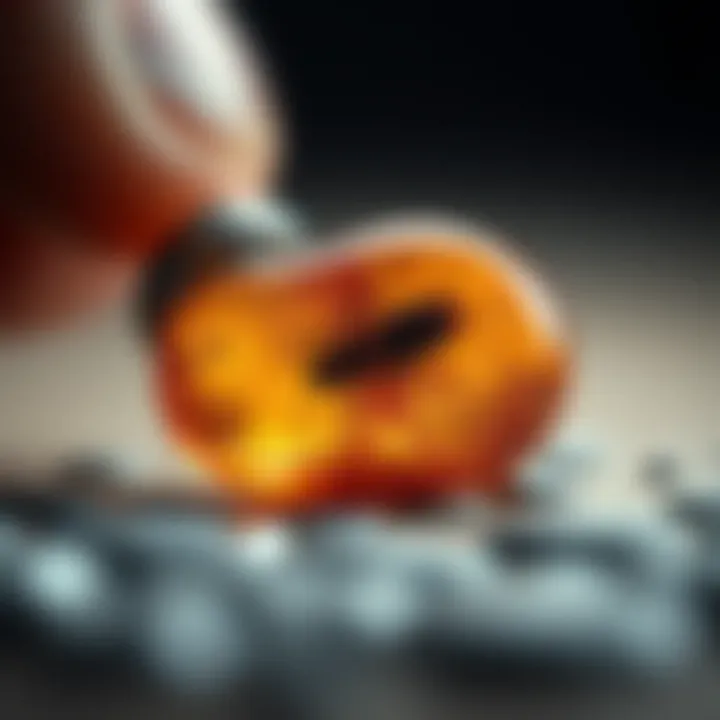
Amber insect jewellery stands at the intersection of nature's creativity and human craftsmanship, intriguing many with its beautiful fusion of art and history. Embedded within the golden hues of amber are delicate insects, frozen in time, whispering tales that stretch back millions of years. This distinctive jewellery not only serves as adornment but also captures vital pieces of our planet's ecological past. As we navigate the realms of this alluring jewellery, we'll uncover what makes amber so special, the fascinating history behind it, and the intricate techniques that transform raw amber into breathtaking pieces of art.
Overview of the Topic
Amber, essentially fossilized tree resin, has been cherished for ages. The process of its formation spans millions of years, beginning as sticky sap that seeped from ancient trees. Over time, heat and pressure turned this sap into the amber we recognize today. During its transformation, occasional insects, plants, and other objects became encased, preserving them in a state of purity and astonishment.
These inclusions offer a direct window into the past, allowing scientists to study historic climates and ecosystems. Key terms that often come up in this context include:
- Fossilization: The process by which organic material is preserved in sediment.
- Inclusions: Objects or organisms trapped within amber, often of significant scientific interest.
- Resin: The sap that hardens into amber, a key substance in its creation.
Historical Significance
The allure of amber extends deeply into human history, dating back to the Stone Age. Ancient civilizations, including the Greeks and Romans, admired amber for its properties and used it in jewellery, amulets, and various forms of decoration. In folklore, amber was believed to possess magical properties, offering protection and healing. Certain tribal communities used it in rituals, signifying its profound cultural significance.
Amber trade routes can be traced back to the Baltic Sea region, where some of the finest-quality amber has emerged. Amber was not just a luxury item; it was an economic driver in ancient trade networks, inspiring the term "Amber Road" which refers to the trade routes that connected the amber-rich regions of Europe with the rest of the ancient world.
"The past remains alive within the amber, a silent witness to the creatures that once roamed the earth."
The modern-day fascination with amber insect jewellery highlights not only aesthetic values but also the bond between nature’s intricate systems and human artisanship. This exploration prepares us to delve deeper into the types of collectibles available in the market.
Types of Collectibles
With the growth in popularity of amber insect jewellery, collectors have various types to choose from, often categorized based on their inclusions or origin. Here are notable categories of interest:
- Insect Inclusion: Some pieces may feature specific insects, such as mosquitoes, dragonflies, or beetles. These inclusions are not only beautiful but also allow for research into the biology of ancient species.
- Plant Inclusions: Occasionally, pieces will showcase leaves or flower fragments, adding diversity to collections.
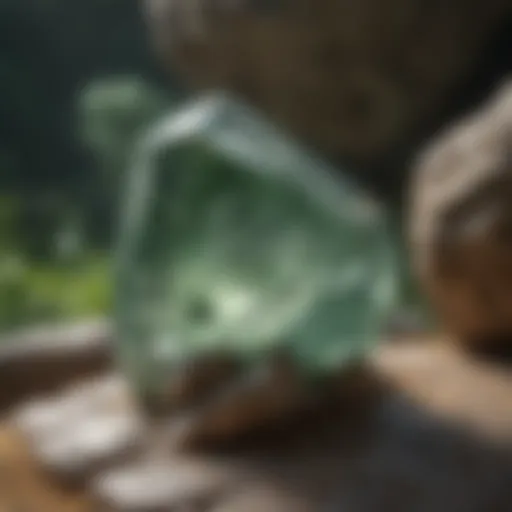
- Color Varieties: Amber comes in an array of colors, including yellow, green, and blue. Each may carry different levels of value and allure among collectors.
- Geographical Origin: Amber sourced from different regions, such as the Dominican Republic or the Baltic Sea, can be categorized based on its distinctive qualities.
As passion blooms amongst collectors for amber and its preservation, there’s a blend of excitement and responsibility. Whether one is an avid collector, a casual admirer, or simply interested in the historical dimensions of this unique jewellery, amber insect pieces carry a timeless story that stretches beyond their captivating beauty.
Foreword to Amber and Insect Incorporation
The world of amber insect jewellery beckons with its unique blend of natural history and artistry. This area of focus, while not widely explored, offers a wealth of insights into both the geological processes of amber formation and its rich cultural significance. As you delve into the depths of this subject, consider how amber, often referred to as fossilized tree resin, encapsulates entire moments in time, providing glimpses into ecosystems long since passed. This allure holds immense appeal for collectors, artists, and enthusiasts alike.
Amber is not merely a gemstone; it is a storyteller from the past. Its prevalence in the jewellery market reflects a growing fascination with natural elements, blended seamlessly with the artistry of human design. Incorporating insects into amber transforms this beautiful resin into more than just ornamental pieces; these inclusions create a narrative rich with scientific and aesthetic value.
By examining the importance of amber and its transformative journey into insect jewellery, you can better appreciate its role not just as an adornment, but as a bridge connecting us to the ancient world. In this article, we will touch upon the necessity of understanding what amber truly is, how inclusions function, and why they matter. These discussions will set the stage for deeper explorations into amber's geological contexts and its historical usage.
What is Amber?
Amber is a solidified resin that originates from ancient trees, primarily conifers. It began its life as a viscous sap, oozing from tree bark, often to heal wounds. Over millions of years, exposure to various environmental elements led to its hardening and eventual fossilization. Depending on the specific conditions encountered during its formation, amber can exhibit a range of colors, from golden yellows to deep browns and even rare hues like green and blue. These variations play a crucial role in its desirability among collectors.
What makes amber truly fascinating is its ability to preserve organic inclusions—tiny relics frozen in time. Insects trapped within amber often serve as time capsules, providing rich insights into ancient ecosystems. Not only do these fossils allow scientists to study the biology and behavior of species from centuries ago, they also enchant those who wear amber jewellery, entrenching them in the beauty and mystery of nature.
Understanding Inclusions
Inclusions are perhaps the most captivating aspect of amber, engaged with a plethora of narratives from ancient times. When insects or plant material become ensnared in the resin, a remarkable process occurs. The sap envelops these life forms, and as it hardens, it encases them in an almost perfect state of preservation.
The significance of inclusions transcends mere aesthetics. They offer vital clues about the historical context in which these organisms lived, their habitat, and their evolutionary journey. For example, finding a mosquito preserved in amber might not only intrigue us visually, but also open discussions about life in prehistoric times and the climate conditions of that era.
Key considerations on inclusions include: Diversity of Life Forms: From wasps to beetles, a variety of insects can be found in amber. Each type provides different insights into ecological interactions.
- Preservation Detail: The clarity of the amber and the state of the inclusions speak volumes about environmental conditions at the time of entrapment.
- Scientific Studies: Ongoing research delves into understanding ancient biodiversity through amber inclusions, revealing the complex interplay between species that may no longer exist today.
The Geology of Amber
Amber, often regarded as a gem of ancient origins, is much more than a beautiful material for jewellery. Its geological story is key to understanding not only how amber forms but also the conditions under which it does so. This exploration provides insight into the natural processes that have allowed insects and other organic inclusions to be preserved within amber, creating delicate yet durable pieces of art.
Formation Processes
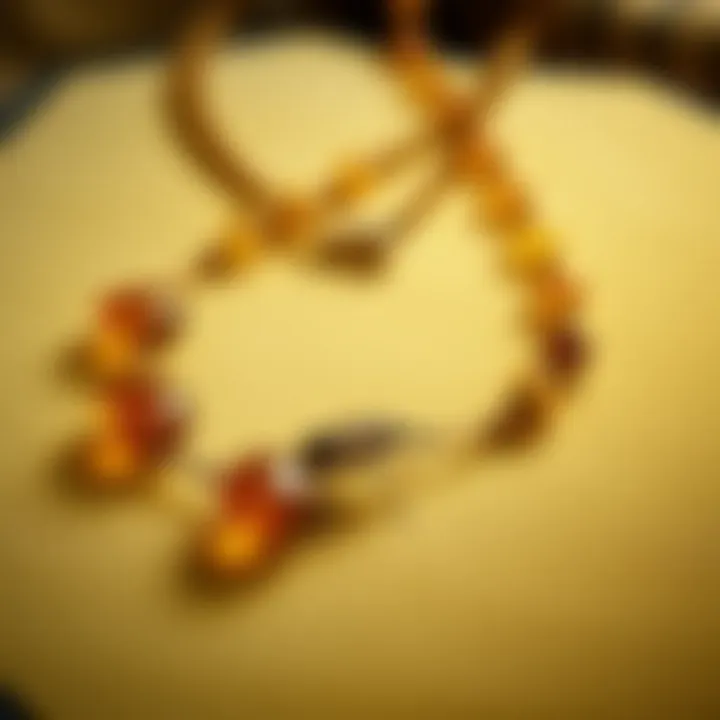
Amber originates from the resin of ancient trees, primarily coniferous species, which exuded this sticky substance as a protective mechanism against injury, disease, or pests. The journey from tree resin to hardened amber is a remarkable tale of transformation that can take millions of years. It involves several key stages:
- Resin Exudation: Trees produce resin in response to stress. This resin acts as a formidable barrier to invasions of pathogens or insect infestation.
- Burial and Pressure: Over time, layers of mud, sand or sediment bury the resin. The accumulation of these layers subjects the resin to increasing pressure and temperature, setting the stage for chemical changes.
- Polymerization: The process of polymerization occurs as the organic molecules in the resin begin to rearrange and bond together, effectively hardening it. This can take thousands of years.
- Maturation: Continuous geological processes like tectonic activity can help further shape and age the amber, infusing it with a rich history.
Each piece of amber encapsulates a unique moment in time—a tiny snapshot of the past preserved in a mineralized state. The potential for preserving organisms within amber's confines has fascinated scientists and collectors alike.
Geological Locations of Amber Deposits
Amber can be found in various regions across the globe, where geological conditions have been favorable for its formation. Each location shares distinct characteristics that contribute to the quality and type of amber produced. Here are some notable areas:
- Baltic Region: Perhaps the most famous source of amber, the Baltic Sea region is renowned for large deposits dating back approximately 44 million years. This amber often has high transparency and a wide range of colors, appealing to many collectors.
- Dominican Republic: Known for producing some of the clearest amber, this region also yields occasional pieces that preserve rare insect inclusions. The amber here is estimated to be about 20-30 million years old.
- Mexico: In regions like Chiapas, one can find amber with unique inclusions and a different coloration. This material dates back to around 25 million years.
- Africa: Countries like Ethiopia and the Democratic Republic of the Congo also hold deposits, particularly of dark amber, but they remain less explored and documented than their counterparts.
The fascinating diversity found in amber deposits highlights the vital interplay between geological processes and the environment where ancient flora and fauna thrived.
Understanding the geology of amber provides a foundation for appreciating its beauty and significance in jewellery. Whether as a collectible piece or a conversation starter, each amber piece is imbued with the secrets of its formation, waiting to be explored.
Historical Context of Amber Usage
Amber has nestled itself in the laps of history and culture, becoming more than just a fossilized resin but a prized possession that people have desired for ages. It dodged the annals of time, carrying tales of ancient civilizations and beliefs into the modern world. Understanding its historical context not only anchors our knowledge of amber but also enriches our appreciation of its varied uses, significance, and the aesthetics that resonate with both collectors and casual enthusiasts.
Amber in Ancient Cultures
From the bustling markets of ancient Rome to the mystical realms of the Baltic, amber was more than an ornament; it represented wealth, power, and spiritual beliefs. For instance, the ancient Greeks believed that amber was formed from the tears of the sun. They often associated it with warmth and vitality, crafting amulets and trinkets that were considered to provide protection. In archaeology, the discovery of amber in burial sites signifies its importance in ritualistic practices.
Moreover, the amber trade routes, specifically the famed Amber Road, connected vast civilizations. This extensive network played a crucial role in the exchange of not just amber, but also cultural ideas and artistic influences, showcasing the resin’s reach beyond mere materialism.
- Spirituality: Many cultures used amber in rituals, believing it could ward off evil spirits and protect one's health.
- Artistry: Engraved or carved pieces from this period signify skill and creativity, showcasing the artisans' ability to transform nature’s offerings into objects of beauty.
- Trade: Artifacts from ancient Egypt reveal that amber was traded extensively with cultures as far as China, indicating its universal appeal across geographies.
The Evolution of Amber in Jewellery
As time marched forward, amber's role evolved, intertwining with the fabric of various societies. It transitioned from a raw material that adorned the elite to a popular choice for everyday jewellery. The Middle Ages witnessed a surge in amber's popularity in Europe, particularly among aristocrats who commissioned intricate pieces that highlighted the stone's natural beauty.
In the 18th and 19th centuries, amber saw a resurgence during the Art Nouveau movement, which celebrated organic shapes and forms. Artisans like Louis Comfort Tiffany incorporated amber into their designs, marrying it with other materials, creating stunning compositions that still captivate today.
Factors influencing its evolution include:
- Technological Advancements: With improved cutting techniques, artisans could craft more elaborate designs that showcased the intricate inclusions within the amber.
- Cultural Symbolism: As societies evolved, so did their perceptions of amber; it began to be associated with healing properties and was often seen in folk medicine.
- Fashion Trends: In recent decades, amber has been reimagined by contemporary designers, blending modern aesthetics with traditional craftsmanship, making it appealing to new generations.
"Amber is not just a gem; it's a portal to histories untold, whispering secrets of civilizations that cherished its hue."
This rich historical background offers a window into why amber insect jewellery holds such allure today. Its deep roots in cultural values and changing trends reflect a timeless appreciation for beauty and meaning, making it a collectible that transcends generations.
Types of Insects Captured in Amber
The fascination surrounding amber insect jewellery not only lies in its aesthetic appeal but also in the remarkable insects trapped within this mesmerizing resin. Each piece essentially encapsulates a moment in time, often giving us a glimpse into ecosystems long past. The inclusion of insects that have been preserved for millions of years offers a unique perspective on prehistoric life and serves as a key data point for scientists and collectors alike.
Common Insects Found in Amber
When we explore the realm of common insects captured in amber, a handful of specific species tend to emerge more frequently than others. These include:
- Mosquitoes: Perhaps the most iconic insect associated with amber, thanks to their prominence in popular culture, particularly in movies.
- Beetles: Several families, including weevils and ladybugs, are well represented, contributing significantly to the biodiversity documented in amber. Their durable exoskeletons make beetles among the best-preserved specimens.
- Flies: Various species of flies, ranging from the familiar housefly to more exotic types, are often found. Their delicate wings offer intriguing opportunities for researchers examining ancient pollinator relationships.
- Ants: Ants have a significant presence, showcasing complex social structures of ancient colonies. The discovery of certain species in amber helps reconstruct ecologies of the past.
The understanding of these commonplace insects can shed light on how ecosystems functioned, and their interaction within these environments. Collectors often seek these common finds, appreciating not only their unique beauty but also the scientific narrative they help to weave.
"Insects in amber provide a snapshot of bygone eras, creating a direct link to the biodiversity of ancient environments."
Rare Insect Discoveries
While common insects offer valuable insights, it is the rare discoveries that truly capture the imagination. When the unexpected happens, and collectors find species that are not just uncommon but exceedingly rare, the excitement can be palpable. Some notable examples include:
- Prehistoric wasps: Rarely found in amber, they provide clues about ancient pollinators that once thrived alongside flowering plants. Their intricate structures invite careful study.
- Giant dragonflies: Once thrived during the age of dinosaurs, some specimens showcase enormous wingspans. Their discovery can challenge our understanding of aerial predation during that period.
- Extinct species of termites: These finds are particularly rare and contribute significant historical context regarding wood-eating insects and their roles in ancient ecosystems.
- Rare butterflies: Found infrequently, these stunning encapsulated specimens can present entire wing patterns that have been perfectly preserved, emphasizing the delicate yet functional beauty of these creatures.
The rarity of discovering such insects does more than excite collectors; it presses the boundaries of what we understand about the evolutionary journey of insects and their environments. Every specimen can be a critical piece of the ecological puzzle, telling stories that link ancient and modern life through the ages.
Crafting Amber Insect Jewellery
Creating amber insect jewellery is truly a labor of love, blending artistry with science. This process is not just about embedding insects in a gorgeous golden-hued medium; it’s about capturing a moment in time, preserving nature in its purest form. Each piece of jewellery tells a story, reflecting its unique origin and the careful craftsmanship involved in its creation.
The importance of this craft cannot be overstated, particularly for collectors and enthusiasts who seek more than just aesthetics in their pieces. Amber insect jewellery connects the wearer to ancient ecosystems and serves as a testament to both human creativity and the marvels of the natural world.
Techniques and Skills
To successfully craft amber insect jewellery, artisans must be well-versed in various techniques. The following skills are essential:
- Inclusion Selection: Choosing the right insects is crucial. Artisans often look for specimens that are visually appealing and have historical significance, making the selection process a meticulous task.
- Amber Processing: Knowing how to handle amber is an art itself. Craftsmen may employ processes such as smoothing rough edges and polishing to bring out the stone's natural beauty. For example, softening the amber through controlled heat can enhance its clarity and warmth.
- Mounting Techniques: Properly setting the amber in a piece of jewellery requires knowledge of different mounting techniques. For instance, using silver or gold settings can elevate the overall look while ensuring the insect is displayed prominently. Offsetting the amber’s weight and ensuring durability are key concerns.
Design Considerations
When crafting amber insect jewellery, design decisions play a pivotal role. Several factors need consideration:
- Cultural Significance: Certain designs may draw inspiration from historical motifs or regional styles, making a piece resonate with a specific audience.
- Size and Scale: The dimensions of the amber piece and the insect it encapsulates must be harmonized for visual appeal. A tiny insect encased in a weighty slab of amber may not create the desired effect, whereas a larger piece can showcase intricate details.
- Color Harmony: Amber comes in various shades, from deep honey to light lemon. The chosen colors should complement the insect's natural tones, capturing attention without overwhelming the wearer.
Each crafted piece is a conversation starter, inviting discussions about the history and story behind it, making crafting amber insect jewellery as much about cultural exchange as it is about artistic expression.
In sum, crafting amber insect jewellery is both an art and a science, requiring a deep understanding of techniques, designs, and the significance behind each choice made. In this intricate amalgamation, artisans manage to capture ancient histories, marrying them with modern aesthetics, thus breathing new life into age-old treasures.
The Aesthetic Appeal of Amber Insect Jewellery
Color Variations and Their Significance
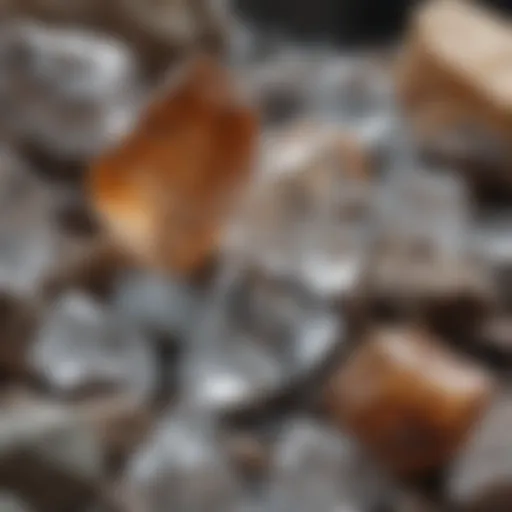
Amber presents an array of striking colors that range from deep honey to golden shades, each hue telling a different story. These colors are not just for show; they reflect the unique conditions under which the amber formed. For instance, a piece with a bright yellow tint generally contains higher levels of succinic acid, whereas a darker piece may indicate a higher density of impurities. Collectors and enthusiasts alike cherish these variations, often viewing them as natural fingerprints of the earth.
The nuances in color can dramatically alter the perception and aesthetic appeal of the jewellery. For instance, a pale-yellow amber capturing a delicate insect accentuates fragility, offering a contrast to the ancient creature it houses. On the other hand, a rich, dark amber might evoke a different feel, bringing to mind the mysteries of ancient forests.
Furthermore, different colors can resonate with various emotional and psychological responses. Some buyers might gravitate toward the vibrant oranges and reds to evoke warmth and comfort, while others may choose cooler amber tones for a sense of calm and tranquility. This personal connection to color allows each piece to serve as a reflection of the wearer's individuality.
Themes and Symbolism in Designs
Amber insect jewellery often leans into a wealth of themes and symbolism, capturing not just the aesthetics but also the essence of life cycles and nature's intricate experiences. Many pieces draw inspiration from ancient myths, where amber is celebrated for its protective qualities and purification abilities. For instance, incorporating insects like bees into designs symbolizes hard work, community, and sweetness, illustrating a rich narrative that resonates deeply with the beholder.
Additionally, the combination of amber and embedded insects serves as a metaphor for time and preservation—capturing moments that would otherwise slip away. This juxtaposition artfully portrays the notion of life, death, and rebirth, weaving a deeper meaning into the jewellery. The choice of insect can also carry significance; for example, dragonflies often symbolize transformation, making them particularly poignant choices for those focused on personal growth or milestones in their lives.
In illustrating themes of eternity, change, and nature, the designs fuse aesthetics with introspection, allowing the observer to engage with the piece on multiple levels. Each element, from the choice of insect to the color hues, collaborates to create a narrative that is both visually stunning and intellectually engaging.
"The fascination with amber insect jewellery lies not just in its beauty but in the whispers of history and nature it encapsulates, inviting the observer to look deeper."
While the aesthetic aspects of amber insect jewellery are vital, they are intricately tied to the artisanal skills employed in crafting these pieces. When selecting jewellery, enthusiasts often seek out statements that resonate with personal significance—whether sentimental, artistic, or a combination of both—enhancing both the decorative and emotional value of their collection.
When collectors appreciate the nuanced interplay of colors and the layered themes within their amber insect jewellery, they hold more than a mere decorative object; they possess a piece of time, nature, and human creativity all wrapped up in a stunning display.
Scientific Research and Amber
The intrigue surrounding amber extends beyond its aesthetic appeal and historical significance. It offers a rich field of study for scientists and researchers alike. Understanding the amber's role in the landscape of scientific research is vital, as both the embedded organisms and the geological processes it undergoes can shed light on ancient ecosystems and environmental changes.
Insights from Amber Inclusions
Amber inclusions, which consist of preserved organisms such as insects, arachnids, and even plant matter, present a unique lens into the past. These tiny snapshots of bygone eras provide critical data for various scientific disciplines, including paleobiology and ecology. The examination of such inclusions can reveal not only the appearance and behavior of species long extinct but can also depict the ecological dynamics of their time.
For instance, a single piece of amber can contain the remains of multiple species, outlining a microcosm of an ancient ecosystem. Analyzing these organisms allows scientists to reconstruct food webs, understand predator-prey relationships, and gauge how environmental factors influenced biodiversity. Moreover, findings from amber can elucidate evolutionary trends, offering insights into how certain traits developed in response to changes in climate or habitat.
"Amber is time’s mirror, holding moments of ancient life in a prehistoric snapshot."
Moreover, research conducted on the DNA found within some amber samples has sparked interest regarding the possibility of resurrecting extinct species, albeit a controversial subject. The ability to extract genetic material from such ancient specimens opens up discussions on the ethics and implications of de-extinction, thus influencing conservation strategies today.
Amber's Role in Understanding Historic Ecosystems
The role of amber in tracking historical ecological changes cannot be overstated. By studying the composition and characteristics of amber deposits, researchers can gather evidence of climatic shifts and geographic transformations over millions of years. For example, variations in amber color and composition often correlate with the type of conifer trees from which it originates, allowing scientists to identify which types of forests dominated specific regions during certain periods.
Another important aspect is the geographic distribution of amber. The presence of specific inclusions can indicate migration patterns and climates. Such information can help reconstruct ancient climate conditions and understand how they influenced both the flora and fauna of specific habitats.
Taking a broad view, analyzing amber inclusions helps to contextualize broader patters in Earth's history. Discovering fossils preserved in amber from varied locations can indicate how ecosystems responded to ancient climate events, similar to how some regions are now reacting to current climate change.
Links to further reading can be found here:
Through continued research into amber and its inclusions, it becomes clearer that this biological and geological artifact holds keys to unlock numerous mysteries about our planet's past. This deep connection between the study of amber and the understanding of historic ecosystems not only highlights the value of amber but also reinforces its significance in the modern scientific landscape.
Authenticity Concerns in Amber Jewellery
The world of amber jewellery, particularly pieces featuring insect inclusions, has become a focal point for collectors and enthusiasts alike. As the demand for genuine amber rises, so does the concern over authenticity. Understanding this topic is crucial, as it not only affects the financial value of pieces but also enhances the appreciation of this ancient gem. In an era when imitation products flood the market, distinguishing genuine amber from its counterfeit counterparts poses challenges for many.
Identifying Genuine Amber
When it comes to identifying authentic amber, there are several methods that collectors and buyers can utilize. Authentic amber is not merely a simple resin; it has unique properties that set it apart.
- Visual Examination: Real amber often contains inclusions like insects or plant material. The way light passes through amber can also reveal its identity. Genuine amber displays a warm, rich glow, while imitations may appear overly bright or fluorescent.
- Scratch Test: Real amber is relatively soft compared to other gemstones. A simple scratch test with a fingernail should not damage the surface significantly. If a scratch deepens easily, you might be dealing with plastic.
- Saltwater Test: By placing the amber piece in a saltwater solution, you can observe whether it floats or sinks. Authentic amber typically floats due to its low density, while many fake versions do not.
- Smell Test: When heated gently, authentic amber emits a distinctive pine-like resin smell, thanks to its origin from tree sap. Imitations often emit a chemical odor or none at all.
- UV Light Test: After exposure to ultraviolet light, genuine amber may fluoresce, showcasing hues of blue or green, distinguishing it from synthetic materials which typically do not.
The Impact of Imitation Products
The market is flooded with imitation amber products, often made from plastic or lab-manufactured materials designed to mimic the look of genuine amber. These products can sometimes capture the eye, but they lack the authenticity and historical context that attract collectors.
- Value Risks: Purchasing imitation pieces can lead to significant financial loss. When the value of a piece is tied to its authenticity, a counterfeit item can be worth less than what the buyer initially anticipated.
- Market Saturation: The proliferation of imitation items can obscure the true value of genuine amber on the market. This saturation can lead to confusion and mistrust among both collectors and jewelers, complicating the process of buying or selling.
- Cultural Significance: Imitation products detract from the cultural and historical significance of amber. Genuine amber carries with it a story, a backdrop of natural history represented through assorted inclusions. Imitations, on the other hand, are merely hollow copies devoid of such tales.
"In the end, the story behind genuine amber and its inclusions often outweighs the mere material value, enriching the experience of collectors who see it as a window to the past."
In summary, the authenticity of amber is not a trivial matter; it is a linchpin in the realm of amber jewellery. By understanding how to identify genuine pieces and recognizing the implications of imitation products, collectors can navigate this intricate landscape with greater confidence and knowledge.
Market Trends in Amber Insect Jewellery
In today’s shifting landscape, amber insect jewellery is not just a relic of the past but a burgeoning market that exhibits notable growth. For collectors and enthusiasts, understanding the trends within this niche can illuminate the value and appeal of their prized possessions. As we explore these market trends, it's essential to consider factors such as consumer preferences, the impact of social media, and the growing awareness of ethical sourcing practices.
There exists a unique allure to amber insect jewellery, rooted in both its aesthetic properties and its deep connection to nature. As buyers become increasingly engaged, they seek not only beautiful pieces but also provenance—essentially, where the amber comes from and its history. Establishing trust in the marketplace is vital. Consumers are swaying toward transparent sellers who provide thorough documentation of the amber's origins and characteristics.
The online sphere plays a pivotal role in shaping these trends. Platforms like Instagram and Pinterest are overflowing with stunning visuals of amber, enticing potential buyers with the beauty of these ancient inclusions. Social media creates a communal experience for enthusiasts, linking those who appreciate the artistry behind each piece of jewellery.
However, it is not all sunshine and rainbows; with increased visibility comes heightened competition. Thus, jewellery makers must innovate to differentiate their offerings. Trends within the market often revolve around personalized or customizable pieces, allowing buyers to connect emotionally with their acquisitions.
Value Determinants in the Market
In determining the market value of amber insect jewellery, several key factors come into play:
- Authenticity: Genuine amber with insects incurs a higher value due to its rarity and the meticulous processes involved in its formation.
- Quality of Inclusion: The type and condition of insects encapsulated can substantially affect price. For instance, species like prehistoric ants or rare beetles will command more attention than common flies.
- Craftsmanship: Well-crafted designs that showcase artistry and skill tend to fetch premium prices. The aesthetics and functionality of the piece resonate with consumers—creating that coveted feeling of owning something truly special.
- Market Trends: The demand for various styles shifts with time, influenced by fashion and cultural movements.
- Ethical Sourcing: A growing segment of consumers values the ecological and ethical dimensions surrounding amber procurement. This perspective adds layers to value assessment.
- Buyers should scrutinize certifications and seek traditional validation from experts.
"The life of amber is a metaphor for time, capturing moments of natural history—making every piece a storytelling gem."
In summary, the market for amber insect jewellery is driven by a blend of authenticity, craftsmanship, quality, and growing consumer consciousness. As the market evolves, staying abreast of these trends ensures that collectors not only appreciate the beauty of their items but also make informed decisions, fostering a sustainable future for this exquisite art form.
For further insights on the amber market, you may explore resources such as Wikipedia, or articles on Britannica discussing ancient trade.
Preservation Techniques for Amber
Preservation of amber and its encased insects is crucial for both collectors and enthusiasts. Unlike many other materials, amber is organic and can be sensitive to environmental factors, which makes proper care essential to its longevity. As you embark on the journey of owning or displaying amber insect jewellery, understanding how to maintain the integrity and beauty of these unique pieces will save you from potential pitfalls.
Care and Maintenance
To keep amber jewellery in pristine condition, here are several key practices to consider:
- Avoid Extreme Temperatures: Extreme heat can lead to softening or altering the appearance of amber, while cold conditions can cause cracks. Aim to store your amber in a stable environment, ideally between 15 to 25 degrees Celsius.
- Limit Sun Exposure: Sunlight can fade the vivid colors of amber over time. Therefore, it is wise to keep your jewellery away from direct sunlight. Display it on a stand or within a glass cabinet when showcasing.
- Regular Cleaning: Wipe your amber jewellery with a soft, dry cloth to remove dirt or oils that accumulate from wear. For deeper cleaning, use a damp cloth without any harsh chemicals. Mild soap mixed with warm water can be effective; just ensure to dry it thoroughly afterward.
- Avoid Contact with Chemicals: Household cleaners, perfumes, and hairsprays can damage amber. Keeping a safe distance from such substances will help maintain its glossy surface and prevent degradation.
- Store Properly: Store amber pieces in a soft cloth pouch or a lined jewelry box to avoid scratches. If you have multiple pieces, separate them to prevent them from rubbing against each other.
- Monitor Your Pieces: From time to time, inspect your amber for any signs of wear or damage. Address any cracks or imperfections right away to prevent further deterioration.
Proper care ensures amber stays beautiful for generations, preserving both its aesthetic and geological significance.
Applying these techniques creates not just a safe environment for your amber but also enhances its allure. As a collector, the right maintenance habits can deepen your appreciation of these ancient artefacts, reflecting both the natural history and the craftsmanship that goes into creating amber insect jewellery.
For more insights on how to care for your precious pieces, check resources like Wikipedia on Amber and refer to community discussions on Reddit for shared experiences and care tips among fellow collectors.