Exploring the 5 Inch Megalodon Tooth: A Collector's Dream
Intro
In the realm of paleontology, few artifacts capture the imagination quite like the megalodon tooth, specifically the impressive 5 inch specimens. These teeth provide a direct link to a time when enormous sharks ruled the oceans, leaving a profound mark on the ecosystem. Understanding the significance of such fossils not only enriches one's knowledge but also ignites passion among rock and fossil collectors.
This article delves into the wonders of the 5 inch megalodon tooth, exploring its defining characteristics, historical importance, and its allure as a collectible. It’s more than just a tooth; it’s a testament to a creature that swam the ancient seas, a piece of history that tells stories of life, survival, and the dynamics of prehistoric marine environments.
Overview of the Topic
Definition of Key Terms
Before diving deep, let’s clarify some crucial terminology:
- Megalodon: This massive shark, scientifically known as Carcharocles megalodon, is believed to have lived around 23 to 3.6 million years ago. Its size is the stuff of legends, often portrayed as a giant predator that could grow up to 60 feet long.
- Fossil: A preserved remnant or impression of a once-living organism, offering insights into the biological history of Earth.
- Collectible: In this context, refers to items of interest to collectors, such as rare megalodon teeth, which serve as tangible connections to the past.
Historical Significance
The history attached to megalodon teeth is as fascinating as the fossils themselves. When scientists first began to uncover these massive teeth in sedimentary layers, they could only speculate about the life and times of the creature that once possessed them. It wasn’t until the 19th century, with advancements in geological and paleontological understanding, that researchers could piece together a more accurate image of the megalodon’s world.
The significance of the 5 inch tooth is profound; a specimen of this size indicates one of the larger adults, potentially suggesting a role as a top predator in its ecosystem. The findings also hint at how megalodon lived, hunted, and thrived in various habitats, revealing not just their biology, but also the environmental conditions of ancient seas. These historical insights are crucial for scientists and collectors alike, as they offer a glimpse into the dynamic relationships that existed long before humans walked the earth.
Types of Collectibles
Within the realm of fossil collecting, megalodon teeth are categorized based on several factors. Knowing these classifications can help both novice and seasoned collectors navigate the fascinating world of fossil hunting successfully.
Classification of Different Collectibles
- Size: Larger teeth, like those measuring over 5 inches, are highly sought after, reflecting the shark’s formidable size and making them more valuable among collectors.
- Color and Condition: Teeth that maintain original coloration and show less wear tend to fetch higher prices. Unique colorations, such as a dark or vibrant hue, can increase desirability.
- Authenticity: The market sees many fakes, so knowing how to discern real fossils from replicas is critical. Certificates of authenticity are often provided with high-value specimens.
Notable Categories
- Articulated Teeth: These are rare finds where teeth are preserved in the context of a jaw, providing additional scientific value and aesthetic appeal.
- Rare Variants: Some teeth exhibit unusual features, such as chips or unique patterns, marking them as special finds for collectors.
"Owning a megalodon tooth is like holding a piece of ocean history in your hand; each one tells a unique story of prehistoric life."
As we move forward in this article, we will uncover the processes involved in finding these remarkable teeth and how to assess their authenticity, ensuring that your collection holds not just beauty, but also accuracy and value.
Preamble to Megalodon
The megalodon, often regarded as one of the largest predators to ever roam the oceans, has captured the imagination of both scientists and the general public. Understanding this creature’s significance sets the stage for exploring its fossils, specifically the fascinating 5 inch megalodon tooth. This tooth does not just serve as a relic of a bygone era; it represents a connection to the prehistoric world, one fraught with mystery and intrigue. Throughout this article, we will delve into various aspects of the megalodon, illustrating why this creature is more than just a caricature in media.
Defining the Megalodon
The megalodon, Carcharocles megalodon, lived approximately 23 to 3.6 million years ago during the Cenozoic Era, specifically within the Miocene and Pliocene epochs. It’s estimated that these colossal sharks could reach lengths of up to 60 feet, making them unparalleled in size and strength. A defining feature of the megalodon is its impressively constructed teeth, which can range in size from a mere few inches to astonishing lengths of over seven inches. This jaw structure, coupled with the shark's robust physiology, culminated in an apex predator whose existence was centered around powerful predation.
A key point often overlooked is the structural difference between megalodon teeth and those of modern sharks. Unlike the smooth-edged teeth of today’s species, megalodon teeth are serrated and larger, enabling the creature to effectively cut through the flesh of large prey such as whales. Such anatomical prowess illustrates a crucial element of the megalodon’s predatory lifestyle.
Evolutionary History
The evolutionary story of the megalodon is one of adaptation and survival. Emerging from a lineage of ancient sharks, it can be traced back to the early Cretaceous period. The megalodon belongs to a branch of the broader shark family tree, closely related to the great white shark’s direct predecessors. Notable about this line of descent is how environmental changes influenced the megalodon’s evolution both in size and hunting capabilities.
During its time, Earth was dotted with rich marine ecosystems teeming with life—biodiversity played a pivotal role in the megalodon’s development. Changes in climate and sea levels would affect prey population and habitats, forcing evolutionary changes for effective feeding strategies. The extinction event at the end of the Pliocene epoch marked a significant decline for marine megafauna, including the megalodon. Understanding these shifts not only highlights the adaptability of ancient species but also serves as an essential piece in piecing together our planet's historical narrative.
The Ecosystem of the Megalodon
Megalodon thrived in diverse marine ecosystems, which showcased an intricate web of life. Picture vast, open oceans filled with a staggering array of species; from small fish to massive whales, these environments supported the megalodon’s role as a top predator. Research indicates that megalodons were opportunistic feeders, preying on large marine mammals, which were plentiful during their reign.
Moreover, the megalodon played a crucial role in maintaining the balance of these ancient ecosystems. Their predatory nature ensured healthy populations of species, preventing overpopulation in various niches. This equilibrium signified the significance of top predators in ecosystem functionality— a concept still relevant in modern marine ecology today.
The study of megalodon and its place within the prehistoric food chain can provide insight into contemporary marine animal interactions and ecosystems.
In acknowledging the vibrant and complex realms of the megalodon, the importance of understanding its ecology extends beyond paleontology. It fosters a greater appreciation of the delicate relationships that persist in today’s oceans. As we further explore the characteristics and lore surrounding the 5-inch megalodon tooth, we uncover layers of history that resonate with modern themes of conservation and ecological balance.
Understanding Fossilized Teeth
Fossilized teeth serve as remarkable windows into our planet's past, and they hold essential clues about ancient life, especially colossal creatures like the megalodon. Understanding fossilized teeth extends beyond mere collection; it’s about grasping the history embedded within these hardened remnants. Every tooth tells a story of survival, adaptation, and a complex ecosystem that thrived many ages ago. This understanding is crucial for both paleontologists and collectors as it connects the dots between geology, biology, and the intricate web of prehistoric life.
Formation of Fossils
The journey from living organism to fossilized tooth is a meticulous process that unfolds over eons. It all begins when an animal dies, and its remains are subjected to the right conditions for fossilization. For megalodon teeth, this often involved sedimentation in marine environments. Over time, layers of sediment bury these remains, applying pressure and leading to mineral replacement, turning organic material into stone-like fossils.
- Key factors influencing fossil formation:
- Burial Depth: The deeper the remains are buried, the better they are protected from decay and scavenging.
- Sedimentary Environment: Conditions such as water temperature, salinity, and acidity play vital roles in this process.
- Time: Thousands to millions of years may be needed for proper mineralization to occur.
This unique formation process ensures that megalodon teeth not only survive the ravages of time but also retain intricate details, allowing for inferences about the creature's life and environment.
Preservation Processes
Once fossilized, the continued preservation of megalodon teeth depends on several processes. These processes can make the difference between a tooth that decays into oblivion and one that remains pristine and ready for study or display. In essence, several factors contribute to preservation:
- Environmental Stability: Teeth that remain in stable environments, devoid of excessive temperature fluctuations or moisture, have a higher chance of preserving their integrity.
- Mineral Composition: The mineral makeup of the teeth can also influence their longevity. For example, teeth that have high silica content are often better preserved as they resist erosion more effectively.
- Natural Preservation Methods: Many collectors rely on chemical methods to treat fossils post-recovery, such as using consolidants to prevent moisture damage.
Understanding these preservation processes is important not just for collectors but for scientists attempting to piece together the megalodon’s life and ecosystem through its remains.
Characteristics of Megalodon Teeth
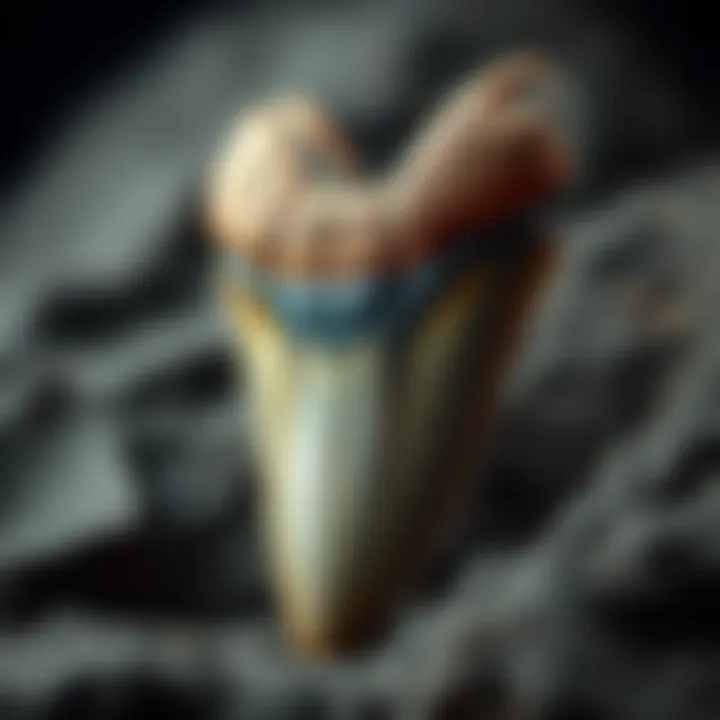
Megalodon teeth are distinct and fascinating, characterized by an impressive size, typically reaching lengths of up to 7 inches, though 5-inch specimens are considered unique finds. Here are some notable characteristics:
- Triangular Shape: The shape is easily identifiable and designed for grasping prey, a crucial adaptation for a predator of its size.
- Strong Enamel: Megalodon teeth have thick, robust enamel, built to withstand the wear from biting into tough, often armored prey.
- Rugged Texture: Fossils may retain a texture that provides further clues about the tooth's functionality and the animal's diet
- Color Variation: Fossils can exhibit a range of colors from black to gray to even a pale blue, influenced by the minerals present in the sediment during fossilization.
Each of these characteristics not only contributes to the unique beauty of the megalodon tooth but also provides essential context for understanding the life of this ancient giant. By delving deep into the characteristics of these teeth, fossil collectors and enthusiasts can appreciate their importance not just as relics but as vital shards of history.
The Inch Tooth: A Unique Specimen
The megalodon tooth measures five inches and stands out as a significant specimen within paleontology and fossil collecting. This remarkable tooth is not merely a relic; it represents a wealth of information about a creature that once dominated oceanic landscapes. For collectors and enthusiasts alike, the five-inch megalodon tooth encapsulates the sheer scale and power of one of history's largest predators. Owning such a tooth is akin to possessing a piece of ancient history that invites curiosity and respect for the natural world.
Rarity and Value
The rarity of a five-inch megalodon tooth amplifies its value. While smaller teeth can be found with more relative ease in coastal regions, a five-inch specimen is quite elusive. Over the years, the number of discovered five-inch teeth has significantly diminished. Collectors often refer to it as a "prized possession" because the larger the tooth, the less common it usually is. Past reports suggest that these remarkable teeth can be sold for thousands of dollars, depending on their condition and provenance. This scarcity provides an additional context: ownership is not just about having a tooth; it represents a connection to a fascinating chapter in Earth's history.
Comparative Analysis with Other Teeth Sizes
When comparing the five-inch megalodon tooth to other sizes, one begins to appreciate the diversity within the fossilized remains of this ancient shark. Smaller teeth, typically measuring two or three inches, give a glimpse into the juvenile stages of the species, while five-inch teeth indicate a mature predator at the peak of its life. Here’s how they stack up:
- Two-inch Teeth: Commonly found; suggest younger megalodons.
- Three-inch Teeth: Indicate middle-aged megalodons; still relatively easier to find.
- Five-inch Teeth: Rare; often a hallmark of a fully grown specimen.
Each size reflects different life stages, offering insight into the growth patterns and ecological niches megalodon occupied. For collectors, being able to showcase a five-inch specimen against smaller ones allows for an enriched narrative in their displays.
Aesthetic Appeal
The aesthetic allure of a five-inch megalodon tooth is unmistakable. The tooth's unique shape, often resembling a dagger, along with its distinctive striations and serrated edges, leaves a lasting impression. It’s not just a scientific artifact; it's a striking piece of art from nature. Collectors are drawn to the natural luster and color variations ranging from deep black to light beige, each telling its own story of time and environmental conditions. The size alone prompts admiration. Just imagine displaying it as a centerpiece or conversation starter in a collection!
Aside from its visual beauty, the five-inch tooth resonates on a deeper level—acting as a tangible reminder of nature's grandeur and the prehistoric world. Many enthusiasts find themselves captivated by the megalodon not only because of its size, but also due to its history and implications in the story of marine evolution.
"Owning a megalodon tooth is like holding a fragment of the ocean's most profound mysteries—it's beautiful yet humbling."
Collecting Megalodon Teeth
Collecting megalodon teeth has become a venerable pursuit, both for the serious fossil enthusiast and the casual beachcomber. The allure of these ancient relics can't be overstated; each tooth represents a piece of history, often capturing the fascination of anyone who lays eyes on it. Not only does the act of collecting provide sheer joy, but it also fosters a deeper understanding of evolutionary biology and prehistoric marine ecosystems.
When you dive into the realm of megalodon teeth collection, you gain not just material items, but stories and connections to a time where these magnificent beasts roamed the oceans. Many enthusiasts find this journey uniquely fulfilling.


Beginner's Guide
Starting your journey as a collector of megalodon teeth can be as thrilling as uncovering your first fossil. But where does one start? Here are a few basic steps to ease into the world of tooth collecting:
- Research: Begin with reading books, reputable websites, or joining forums like reddit.com dedicated to paleontology or fossil hunting. Knowledge is your best tool.
- Find Local Spots: Coastal areas like the beaches of South Carolina, Florida, or North Carolina have been known for their fossil-rich sediments. Join local fossil clubs or groups to know the best spots.
- Gather Basic Tools: While a keen eye is your best asset, consider getting a hand trowel, a bucket, and a good pair of gloves. Protecting your hands while rummaging through dirt and rocks is essential.
- Practice Patience and Understanding: You won’t find a megalodon tooth without putting in some time. Understand that nature has its own rhythm, and finding a significant specimen might take multiple trips.
Identifying Authentic Teeth
As the saying goes, "not all that glitters is gold." In the fossil world, this holds true as well. With rising interest in collecting megalodon teeth, fakes and replicas can slip through the cracks. Here are pointers to help you identify authentic megalodon teeth:
- Material: Authentic teeth are made of a dense, hard substance known as enamel and dentin, which will feel heavy compared to materials like plastic.
- Shape: Beware of overly perfect specimens; natural wear and tear is part of the history. Look for irregularities, scratches, or natural imperfections.
- Color: Megalodon teeth range from black to gray, olive green, or even off-white. A tooth that appears too vibrant may not be real.
- Size and Proportions: Familiarize yourself with how megalodon teeth should look in terms of dimensions. Generally, larger teeth will have a broader, more triangular shape.
"It's not about the size of your collection; it's about the stories each piece tells."
Legal Considerations in Fossil Collecting
Before you embark on your fossil hunting adventure, it’s crucial to be aware of legal guidelines that govern fossil collection. Laws can vary dramatically between countries and local jurisdictions. Here are some important points to consider:
- Check Local Laws: Always research your state and local regulations regarding fossil collection. Some places may prohibit fossil hunting altogether, while others might require permits.
- Private vs. Public Land: Collecting fossils on private land without permission is illegal. Always seek consent from landowners before hunting.
- Protected Sites: Areas like national parks often have strict regulations in place; removing any fossils from these locations can lead to hefty fines.
By understanding these legal aspects, you can enjoy your fossil hunting while ensuring that you do so responsibly and ethically.
Through careful gathering, accurate identification, and legal respect, the world of megalodon teeth collecting can open up a treasure trove of knowledge about our planet’s prehistoric past.
The Market for Megalodon Fossils
The allure of megalodon fossils, particularly their teeth, has created a vibrant niche market for collectors, researchers, and investors alike. This part of the article will delve into the dynamics that shape the market for megalodon fossils, considering factors like market trends, where to find these fossils, and the potential for investment. Understanding the market provides collectors with the knowledge needed to navigate their purchases and interactions within this unique community.
Current Trends
The market for megalodon fossils has seen significant fluctuations over the years, affected by a blend of factors such as demand, rarity, and even the popularity of paleontology in popular culture. The recent uptick in social media interest has virtually exploded, leading to an increase in both prices and amateur enthusiasm for fossil hunting. With platforms like Instagram and TikTok showcasing stunning finds, many new collectors have entered the scene, equipped with smartphones, eager to share their own discoveries.
Collectors often look for specific characteristics when searching for megalodon teeth; larger specimens can command higher prices. Recently, the 5-inch megalodon tooth has been particularly in demand, with some collectors willing to part with hefty sums to add it to their collections. Reports suggest that attractive specimens fetch prices that range widely, influenced by factors such as condition, color, and whether they come with provenance. Collectors often find themselves in bidding wars at auctions, highlighting the teeth's allure.
Auction Houses and Online Marketplaces
In today's world, collectors have a plethora of options for acquiring megalodon fossils. Auction houses like Bonhams and Sotheby’s occasionally bring megalodon teeth to auction, capturing wide attention. These teeth often attract premium bids from serious collectors and investors, sometimes selling in the thousands of dollars. Besides traditional auction houses, online platforms such as eBay and specialized fossil websites provide an avenue for collectors to buy and sell specimens directly. Here, buyers can browse a range of options, from charmingly small teeth to impressive, museum-quality finds.
However, purchasing online requires a discerning eye. It's essential for buyers to research sellers thoroughly, avoiding scams and ensuring the authenticity of the fossils.
"With great finds come great responsibilities; always verify your sources when buying fossils online."
Investment Potential
Megalodon teeth are not just relics of the past; they carry investment potential that has drawn the attention of those looking to diversify their portfolios. As the appeal of unique investments grows, megalodon teeth serve as a fascinating asset—rare, appreciating, and steeped in history. Unlike stocks or cryptocurrencies, they represent a tangible piece of history, which can captivate collectors in ways that traditional investments cannot.
Many experienced collectors have seen their collections appreciate significantly over time. A well-maintained 5-inch megalodon tooth that was once purchased for a few hundred dollars could be worth thousands years later, especially as public interest in paleontological items remains strong.
In summary, the market for megalodon fossils is a blend of passion and potential. As interests grow and trends evolve, those involved in this captivating field need to pay close attention to market dynamics, ensuring their collections not only fulfill their enthusiasm for history but also serve as wise investments for the future.
Scientific Significance of Megalodon Teeth
Understanding the scientific relevance of megalodon teeth transcends mere curiosity; it opens a window into the past of our oceans. These formidable remnants of the past offer insights about extinct species, their way of life, and the ancient ecosystems they inhabited. For researchers and fossil collectors alike, this significance is not to be taken lightly. Studying these teeth enables scientists to piece together evolutionary narratives, while collectors gain not just aesthetic treasures but crucial artifacts of natural history.
Research Opportunities
The size and structure of a megalodon tooth, particularly one that measures around 5 inches, offers abundant research prospects. Paleontologists are eager to explore these teeth for various reasons:
- Comparative Analysis: By examining the morphological differences in teeth from various time periods and locations, researchers can make inferences about megalodon behavior, diet, and environmental conditions.
- Biogeography: These fossils can shed light on the megalodon’s habitat preferences and migratory patterns, enhancing our understanding of their distribution across ancient seas.
- Paleoecological Studies: Investigating the presence of megalodon teeth in sediment layers can correlate to shifts in marine ecosystems, providing context for broader environmental changes.
Collecting and studying megalodon teeth isn't just a pastime. It’s an entry point for understanding larger conversations around extinct species and climate changes in ocean history.


Insights into Prehistoric Marine Life
Megalodon teeth serve as crucial informants for understanding prehistoric marine ecosystems. The characteristics of these teeth often reveal valuable information about:
- Diet: The serrated edges of megalodon teeth indicate they were apex predators, suggesting a diet rich in other large marine creatures such as whales, seals, and even other sharks. This predatory behavior contributes to our knowledge of trophic dynamics within ocean ecosystems.
- Prey Availability: Analysis of wear patterns on preserved teeth can reveal most common prey items, allowing paleontologists to infer which species thrived in megalodon's habitat and how these interactions shaped the ecosystem’s health.
Megalodon’s existence paints a picture of a rich marine life that has long since vanished, guiding contemporary marine biology studies through its lessons.
Implications for Modern Ecology
The study of megalodon teeth extends its relevance beyond the past and into modern ecological discussions. Here’s why:
- Ecosystem Dynamics: Understanding megalodon’s role as a top predator helps clarify the significance of apex predators in current ecosystems, emphasizing the need for their conservation.
- Species Survival: Investigating how environmental changes influenced the megalodon’s extinction provides lessons about resilience and adaptation that can inform current species facing similar threats today.
- Conservation Strategies: Learning from the megalodon can guide conservation efforts for marine life by highlighting the importance of healthy predator-prey relationships. When these relationships are disturbed, as they often are in today's oceans, the impact can ripple throughout ecosystems.
As we delve into the history encapsulated in those five-inch teeth, we not only grasp the life of one of the ocean's most powerful predators but also reflect on our responsibility toward the ecological balance of the seas we currently inhabit.
Caring for Megalodon Teeth
Caring for megalodon teeth is more than just a matter of preservation; it’s an essential aspect of maintaining their historical integrity and value. Fossilized teeth from these ancient sharks are not only scientific treasures but also coveted collectibles for enthusiasts. By understanding how to properly care for these specimens, collectors can ensure they remain in pristine condition, safeguarding their beauty for future generations.
Cleaning Techniques
Cleaning megalodon teeth requires a delicate touch and the right approach to avoid damaging the fragile enamel. First and foremost, avoid harsh cleaning agents that could erode the fossil surface. Instead, use soft brushes or cloths, perhaps a toothbrush with soft bristles, to gently remove any dirt.
For teeth that don’t have heavy encrustation, a simple rinse in lukewarm water can suffice. If further cleaning is necessary, consider using a gentle solution of water and a bit of mild dish soap. Here’s a straightforward cleaning process you might follow:
- Soak the Tooth: Immerse the tooth in lukewarm water for a brief period.
- Gently Scrub: Use the soft brush to carefully scrub off any residue.
- Rinse Thoroughly: Make sure to rinse it clean to remove any soap remnants.
- Dry with Care: Always pat dry with a soft cloth and let it air dry completely to prevent moisture retention.
"A clean tooth is a happy tooth," as some collectors like to say, emphasizing the importance of preserving its shine without compromising its structure.
Proper Storage and Display
Once your megalodon tooth is clean, the next step is proper storage and display. You want to ensure it’s protected from environmental factors that could lead to deterioration. Here are some considerations for effective storage:
- Temperature Control: Store your fossils in a stable environment, ideally at room temperature, away from extreme heat or cold.
- Humidity Levels: Keep moisture levels steady; too much humidity can encourage mold growth. Using silica gel packs in storage areas can help absorb any excess moisture.
- Display Cases: Consider investing in a UV-protective display case which shields your tooth from harmful sunlight that could fade or damage it over time.
For display, you might choose acrylic stands or shadow boxes to showcase their unique shapes and colors while keeping them safe from dust and physical damage.
Insurance and Protection
Megalodon teeth can be quite an investment, both economically and sentimentally. As such, it’s prudent to think about insurance and other protective measures.
- Documentation: Keep detailed records of your specimens, including receipts, identification certificates, and even photographs showing their condition. This documentation can facilitate insurance claims if necessary.
- Consult with Specialists: Reach out to insurance providers who have experience in covering rare collectibles. They can offer guidance on the best policies that suit fossil collectors.
- Secure Storage: Besides standard display methods, consider a fireproof safe for your most valuable fossils to enhance protection further.
By following these caring strategies: cleaning, storing properly, and securing insurance, you not only preserve the physical integrity of megalodon teeth but also maintain their legacy within your collection.
Concluding Thoughts
The discussions around megalodon teeth, especially the captivating 5 inch specimens, weave together a narrative that transcends mere fossil collecting. It presents a glimpse into a lost world, rich with stories waiting to be unearthed. The megalodon, a creature of immense size and jaw-dropping power, holds a special place in paleontological research and the hearts of collectors alike. Understanding the legacy of these teeth is important, not just for enthusiasts but for all who share an interest in historical ecology.
The Legacy of Megalodon
The megalodon’s legacy is etched deeply into both marine history and human intrigue. This enormous predator thrived in the oceans millions of years ago, shaping ecosystems in ways that scientists are still trying to fully comprehend. The 5 inch megalodon tooth stands as a testament to its might and adaptability. Finding such a relic is not merely an addition to a collection; it’s like unlocking a time capsule that connects the present with a distant past.
Collectors search for these teeth for reasons beyond their monetary value. They are relics of an ancient predator that once roamed the seas, and each tooth has its own history. The fact that a tooth can survive millions of years underwater yet still possess such striking detail makes it a coveted item among fossil hunters. Collectors cherish these pieces not only for their aesthetics but also for what they represent in the grand scheme of Earth's biological narrative.
Future of Fossil Collecting
As we move forward, the future of fossil collecting appears to be a double-edged sword. On one hand, with technological advancements, experts are honing their methods for locating and identifying fossils. New techniques, such as satellite imagery and advanced scanning, allow for more precise exploration of potential sites. This is particularly exciting for uncovering previously unknown locations of megalodon teeth, especially larger specimens, which remain hot items among collectors. Such innovations promise to breathe new life into the field, attracting fresh interest from younger generations.
However, the ethical considerations surrounding fossil collecting also have to come into play. There's a growing awareness around the legality and sustainability of hunting for fossils. Environmental concerns and regulations are becoming tighter, and collectors must navigate these waters carefully. Future collectors will likely need to adopt responsible collecting practices, ensuring that they respect both the fossil record and the environments from which these treasures are sourced.
In essence, the future holds both promise and challenges for fossil enthusiasts. The intersection of scientific understanding, ethical collecting, and the thrill of discovery will shape how future generations perceive and engage with these mesmerizing remnants of the past.
"The study of fossils is not just about the past; it's about how we engage with the world around us today."
In closing, the unique charm of the 5 inch megalodon tooth symbolizes a broader journey in uncovering Earth's history. As this field evolves, it beckons all who are interested to tread thoughtfully, blending passion for collecting with a commitment to stewardship of our planet's rich past. To dive into the world of megalodon teeth is to embrace the thrill of discovery, while honoring the lessons that history has to offer.