Exploring the Science and Applications of 254nm UV Flashlights

Overview of the Topic
Definition of Key Terms
A 254nm UV flashlight is a particular type of ultraviolet light that emits radiation at the wavelength of 254 nanometers. This specific wavelength is known for its effectiveness in a variety of practical applications, particularly in the domain of sterilization and detection. Essentially, it falls under the germicidal category of UV light, which means it can kill bacteria and viruses upon contact. Furthermore, it is crucial for various collectors and geology enthusiasts, as it reveals details about minerals and artifacts that are otherwise hidden to the naked eye.
Historical Significance
The history of ultraviolet light dates back to the early 19th century when scientists began to recognize its properties. Wilhelm Ritter, in 1801, is credited with its discovery while experimenting with light. Initially, its scientific applications were limited, but over the years, researchers found new uses. The introduction of UV flashlights around the 20th century marked a significant advancement, providing a portable source of UV light. The 254nm wavelength was developed for specific applications and found its way into numerous fields including healthcare, geology, and even art restoration. Its evolution reflects the intersection of science and practical utility, positioning it as a valuable tool across various disciplines.
Types of Collectibles
Classification of Different Collectibles
When it comes to collectibles, the terminology can vary considerably, leading to some confusion. Generally, collectibles can be divided into several categories:
- Minerals and Rocks: This category includes everything from common stones to exquisite crystals.
- Fossils: These are remnants of the past, often providing insights into ancient life forms.
- Artifacts: Created by human hands, these can include items from historical significance.
Notable Categories
Let’s take a closer look at some interesting subcategories:
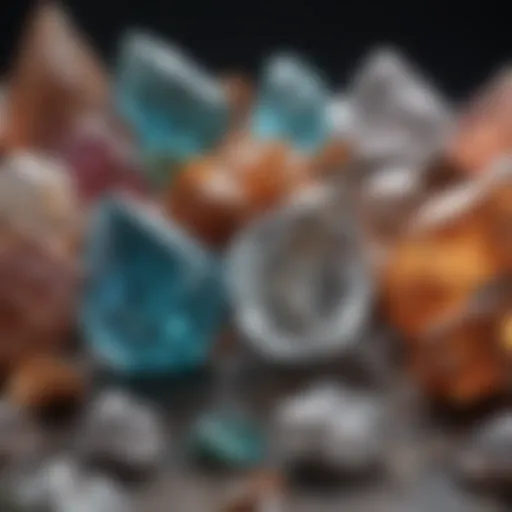
- Fluorescent Minerals: Certain minerals exhibit fluorescent properties when exposed to UV light. For instance, the mineral calcite can glow vividly under 254nm light, making it a favorite among collectors.
- Geodes: These hollow rock structures often contain beautiful crystals inside which can reveal stunning hues and patterns when viewed under UV light.
- Fossilized Wood: This category can be particularly intriguing, as UV light reveals unique fossil details that traditional light does not capture.
"UV light can transform the mundane into the magnificent, unlocking a treasure trove of colors and details that are simply not visible with regular illumination."
In collecting, knowledge of how different items react to UV light is essential. Understanding the applications of a 254nm UV flashlight can enhance the experience and appreciation of these collectibles, whether you are a novice or an aficionado in the world of geology or art.
This exploration sets a solid groundwork for delving deeper into the scientific principles and technological advancements behind the 254nm UV flashlight, enriching the collector's journey with fascination and knowledge.
Preface to UV Light
Understanding ultraviolet (UV) light is essential for grasping the significance of a 254nm UV flashlight. This introduction serves to orient readers, particularly those interested in the realm of collectibles like rocks and fossils, regarding the fundamentals of UV light and its diverse applications. It’s not just a topic for scientists or lab rats; it’s something that collectors and enthusiasts can leverage to enhance their understanding and appreciation of their treasures.
Fundamentals of Ultraviolet Light
At its core, ultraviolet light is a part of the electromagnetic spectrum, falling between visible light and X-rays. Most people are familiar with visible light — that’s the rainbow we see every day. Yet, the UV spectrum offers a hidden world that can impact materials, biology, and even legal matters. It’s the invisible force at play when you step out into the sun, feeling warmth on your skin, despite the cool breeze.
The UV spectrum is categorized into three regions: UVA, UVB, and UVC. Each type serves specific roles:
- UVA (320-400nm): This is the long-wave UV light, known primarily for its effects that's a little bit sneaky. It penetrates deeper into the skin and is often associated with aging and skin damage. It’s also what gives certain minerals their glow.
- UVB (280-320nm): The mid-range wavelength, UVB is responsible for sunburn and plays an important role in vitamin D synthesis in our skin. It doesn't penetrate as deeply but is quite intense.
- UVC (100-280nm): This is the short-wave UV light, often referred to as germicidal, because of its ability to kill bacteria and viruses. This particular range includes the prized 254nm wavelength, which is often employed in disinfection applications among other uses.
Recognizing the properties of UV light clarifies how different wavelengths affect materials and environments. The 254nm wavelength specifically excels in inducing fluorescence, which is essential for collectors seeking to reveal hidden features in their specimens.
Classification of UV Light
Classifying UV light is crucial for understanding its various applications and the science that backs them. This classification not only helps in comprehension but also informs safe usage and optimal applications.
- Natural UV Sources: The most well-known natural source of UV radiation is the sun. Even on cloudy days, sunlight contains UV rays that can impact organic materials, making it vital for collectors to be aware of their exposure.
- Artificial UV Sources: Manufacturers have developed several devices that emit UV light, with 254nm UV flashlights being among the most notable. These flashlights allow users, such as rock collectors, to illuminate specimens and reveal details that would otherwise go unnoticed.
- Biological Impact: Understanding how UV light interacts with biological materials is pivotal. For instance, certain species of minerals may fluoresce under UV light, showcasing colors that are not visible to the naked eye. This property can help collectors identify rare specimens and ascertain authenticity.
- Health Risks: Knowledge about the potential hazards of UV radiation cannot be overstated. Exposure to UV rays, particularly in excess, can lead to skin cancer or eye damage. Hence, safety measures must be prioritized whenever engaging with UV light, especially during prolonged usage.
"Knowledge is power. Understanding UV light helps in recognizing its potential and its pitfalls."
For more detailed scientific information about UV light, refer to resources like Wikipedia.
Understanding 254nm UV Flashlight
To truly appreciate the brilliance of a 254nm UV flashlight, one must grasp its significance. Not just a gadget for hobbyists, these tools unlock new dimensions in the realm of collectibles, particularly rocks and minerals. They act like a key, revealing characteristics that remain hidden under ordinary light. A deep understanding caters to both aesthetic appreciation and technical analysis, making it essential for serious collectors and enthusiasts alike.
What is a 254nm UV Flashlight?
A 254nm UV flashlight emits ultraviolet light at a specific wavelength known for its germicidal properties. But that’s not all! This type of radiation is also crucial in various scientific and practical applications. In simple terms, it's a powerful source that can make certain materials fluoresce, leading to stunning visual effects. When shone upon minerals, for example, the fluorescence can highlight different colors, making it easier for collectors to identify and appreciate diverse specimens.
Understanding how this flashlight differs from other UV lights is key. Notably, it's designed to emit UV-C light, which is particularly effective for applications like disinfection and showcasing collector items. This UV flashlight becomes an invaluable tool for anyone involved in geology or the collecting of gems and minerals.
In many ways, it’s like bringing a piece of the unseen world into focus before your very eyes. Imagine examining a rock only to see it illuminate with vibrant hues under the influence of UV light. The excitement of each collection visit turns into a journey of discovery, enlightening the user on the nuances of each specimen.
Construction and Technology
The construction of a 254nm UV flashlight is an engineering marvel that combines innovative materials with advanced technology. Generally, it is crafted from durable materials, often featuring an aluminum body to withstand everyday use. Inside the unit, specialized UV-C LED technology works wonders. The lens and reflector are typically coated to maximize the output of the UV light while minimizing visible light, ensuring that only the desired wavelength is emitted.
A quality flashlight of this kind may incorporate temperature regulation systems to manage heat produced during extensive usage. This extends the life of the LEDs and maintains a consistent performance level.
Key Components of Construction Include:
- LED Source: The heart of the flashlight, often utilizing UV-C LEDs that provide the specific wavelength of 254nm.
- Lens: Engineered to focus the UV light effectively, ensuring maximum illumination of the subject.
- Body Material: Aluminum or high-grade plastic to balance weight with durability.
- Battery Type: Rechargeable lithium-ion batteries are common, allowing for extended operation times and ease of use.
The technology behind these flashlights doesn’t just stop at raw power. Many models incorporate user-friendly features such as different light modes and brighter intensity settings. This versatility caters to both the needs of hardcore collectors and casual users, making it a preferred choice across the board.
This blend of superb construction and state-of-the-art technology allows the 254nm UV flashlight to stand out in the vast market of UV tools, making it an essential companion for anyone serious about exploring the ultraviolet realm.
Applications in Collectibles
When it comes to the world of collectibles, the 254nm UV flashlight serves as a game changer, revealing hidden details and layers that the naked eye may overlook. This section dives into its significance in enhancing displays and ensuring authenticity in various collectibles, particularly rocks and minerals as well as gemstones. Understanding these applications not only enriches the collector's experience but also promotes informed decision-making when it comes to purchasing or displaying items.
Enhancing the Visuals of Rocks and Minerals
The vibrancy of rocks and minerals often lies beneath the surface, and the 254nm UV flashlight brings these colors and patterns into the spotlight. When shone on certain minerals, the UV light can induce fluorescence, showcasing astonishing effects that might go unnoticed in regular lighting. For example, calcite can glow beautifully, while fluorite may emit bright hues of blue and green.
Using a flashlight with this wavelength takes collectors on a visual journey, turning what could be a simple rock into an eye-capturing display piece. The ability to visualize these features can also enhance educational displays in museums or personal collections. Some collectors have crafted entire exhibits around the use of UV light, which not only captivates but also educates visitors about mineral properties and the wonders of geological diversity.
Utilizing a 254nm UV flashlight in the study of rocks and minerals supports collectors in a few ways:
- Uncover Unique Characteristics: Certain minerals exhibit unique colors under UV light, providing insights into their makeup and origin.
- Quality Assessment: The light can reveal weathering or damage that could affect the item’s value.
- Dynamic Displays: Incorporating UV light into displays can elevate the aesthetic appeal, attracting more attention and admiration from observers.
"A collector's delight comes not just from possession, but from discovery and revelation, magnified by the light of understanding."
Detecting Authenticity in Gemstones
In the realm of gemstones, authenticity is paramount. The market has seen an influx of enhanced and synthetic stones, making it critical for collectors to have reliable methods of verification. A 254nm UV flashlight can help in distinguishing genuine gemstones from their synthetic counterparts. When applied, different stones may react in varied ways to the UV light, often revealing key indicators of authenticity—such as inclusion patterns or surface treatments.
For instance, natural diamonds may exhibit slight fluorescence, while many synthetic options will react differently. Similarly, treated stones like those enhanced through oiling may display fluorescence patterns that can alert discerning collectors to their true nature. This makes a UV flashlight not just a tool, but essentially a trusted ally in making educated purchases.
Key advantages of using a 254nm UV flashlight in gemstone validation are:
- Verification of Origins: Differentiating between treated and untreated stones, ensuring collectors know exactly what they possess.
- Inclusion Visibility: Some inclusions that indicate a stone's authenticity can only be seen under UV light.
- Surface Flaws: Fluorescence can highlight fractures or other treatment-related flaws not visible in normal lighting, serving up a necessary flag for careful collectors.
By understanding how light interacts with different materials, collectors can navigate the sometimes murky waters of the gemstone market with greater confidence.
In summary, the applications of a 254nm UV flashlight go beyond mere visuals in the realm of collectibles. From the way it enhances the beauty of rocks and minerals to its crucial role in authenticity verification of gemstones, this tool proves to be an indispensable asset for collectors dedicated to depth, quality, and knowledge. Through proper use, the flashlight illuminates not just the rocks and gems in front of us but also the story they tell.
Scientific Implications
The role of a 254nm UV flashlight extends far beyond mere practicality—its scientific implications hold significant weight in various fields, particularly in geology and microbiology. This section delves into crucial aspects like fluorescence and microbial activity under UV light, shedding light on how these scientific principles can influence collectors and researchers alike.
Understanding Fluorescence
Fluorescence is a fascinating phenomenon where certain materials absorb light at one wavelength and then reemit it at a longer wavelength. This characteristic makes items like minerals and gemstones not just visually appealing but also important in scientific investigations. When a 254nm UV flashlight is directed at such materials, they often glow brilliantly in vibrant colors.
For rock collectors, this glow is not only a spectacle; it serves as a guide to authenticity and quality. For instance, some minerals may exhibit unique fluorescence that can indicate their specific type. Such features are invaluable when assessing a specimen's authenticity or origin.
Fluorescence also has broader applications in various scientific fields. For example, in forensics, it helps analysts locate substances that would otherwise be invisible. The implications of this are profound, changing the way investigations are carried out. Moreover, various industries leverage fluorescence for quality control and material testing. Therefore, a solid understanding of fluorescence, driven by the utility of 254nm UV flashlights, is beneficial for both enthusiasts and scientists alike.
"Fluorescent minerals tell a story; their colors reveal hidden secrets waiting to be discovered."


Microbial Activity and UV Light
UV light, specifically at the 254nm wavelength, is well-known for its germicidal properties. This aspect carries vital implications in fields such as hygiene, health, and environmental science. The 254nm range is adept at penetration through cellular structures, effectively disrupting the RNA and DNA of harmful microorganisms. For collectors, this underscores the importance of using a UV flashlight during the cleaning and preservation processes of specimens, mitigating potential microbial growth.
In educational settings, using a UV flashlight to demonstrate microbial activity or sterilization effects can spark curiosity among students. For instance, educators can show how different surfaces glow under UV light—indicating contamination levels. This hands-on experience reinforces essential concepts in microbiology, making learning dynamic and engaging.
Additionally, there are safety considerations to be aware of. While utilizing UV light can be exceptionally effective in controlling microbial presence, proper protocols should be established to avoid harmful exposures. Understanding the relationship between microbial activity and UV light further elevates the relevance of this technology in both practical applications and theoretical explorations.
Safety Considerations
When using a 254nm UV flashlight, safety should be at the forefront of considerations. With its ability to reveal hidden fluorescence in minerals and artifacts, the excitement it brings can sometimes overshadow the essential precautions necessary for safe operation. This section outlines key elements that ensure a safe experience—focusing on eye protection and skin safety precautions.
Eye Protection
One of the most critical aspects of safety with any UV light source is protecting the eyes. Ultraviolet radiation can be harmful, increasing the risk of damage to the cornea and potentially leading to conditions like photokeratitis or even cataracts. Notably, this risk is heightened when using a flashlight designed to emit specific wavelengths like 254nm.
When activating a UV flashlight, always wear proper eyewear. Specialized UV-blocking goggles can effectively shield the eyes from harmful rays. Regular sunglasses, while better than nothing, typically don’t offer adequate protection against UV radiation emitted at this specific wavelength.
To ensure effective protection:
- Choose goggles that specifically state UV 400 protection to block all UV rays.
- Inspect the goggles regularly for any scratches or damages that could compromise their protective qualities.
- Avoid looking directly into the beam even with goggles, as there is still a risk of reflection off surfaces.
"A moment of caution may save a lifetime of vision—a small price for clarity in the pursuit of knowledge."
Skin Safety Precautions
In addition to eye safety, protecting the skin is also vital. Compared to longer wavelengths, UV light can penetrate the skin barrier, leading to sunburn-like symptoms or potential long-term risks such as skin cancer. While the risk with a single flash may be low, continuous exposure heightens these dangers.
To mitigate skin risks, keep the following points in mind:
- Limit direct skin exposure to the UV light; avoid shining the flashlight on bare skin.
- Wear protective clothing, such as long sleeves and gloves, when working extensively with the flashlight.
- Apply sunscreen if you anticipate any accidental exposure, especially for prolonged sessions outdoors.
Emphasizing these practices not only ensures safety but also promotes a responsible approach to the handling of UV technology, especially for rock and fossil collectors. By staying informed and cautious, enthusiasts can enjoy the benefits of a 254nm UV flashlight without undue risk.
Choosing the Right 254nm UV Flashlight
Selecting the correct 254nm UV flashlight is paramount for both enthusiasts and professionals alike. This choice can greatly influence the quality of your exploration and the effectiveness of the applications, such as identifying fluorescence in minerals or detecting authenticity in gemstones. A well-chosen UV flashlight can enhance the experience, revealing the vibrant colors and unique characteristics often hidden to the naked eye.
When considering options, it's not just about brightness or the compactness of the device; various aspects play a crucial role in ensuring you make an informed decision.
Factors to Consider
- Wavelength Accuracy: The 254nm wavelength is specifically geared toward certain applications. Test results can vary with incorrect wavelengths, so ensuring your flashlight maintains this specific output is critical.
- Power Source: UV flashlights come in different forms, including battery-operated and USB rechargeable types. Battery life can be a deal-maker or deal-breaker based on how frequently you use the flashlight.
- Durability: Check the build quality. Ruggedness matters, especially for those who may want to use it outdoors or in environments with a higher risk of impact or moisture exposure.
- Focus Adjustment: Some models come with adjustable focus features. Having the ability to change beam width can help in various situations, whether examining rocks up close or covering a wider area to spot fluorescence.
- Weight and Portability: A lightweight flashlight can be easier to handle during exploration. However, it should maintain its structural integrity and not compromise on performance. Think about how often you will carry it around—weight might sway your decision.
By keeping these elements in mind, you can ensure your 254nm UV flashlight fits not only your current needs but also any future applications you may have in mind.
Top Brands and Models for Collectors
As you sift through options, certain brands have established a reputation for quality and reliability in their 254nm UV flashlights. Here are a few noteworthy mentions:
- Ultrafire: Known for their robust construction and affordability, Ultrafire flashlights can be a good starting point for collectors.
- Streamlight: This brand offers a variety of models but is prominent for durable designs. Their products often feature professional-grade quality.
- Nitecore: Renowned for innovative technology, Nitecore provides flashlights with advanced features, ensuring an optimal user experience for detailed investigations.
- Olight: Combining portability with powerful UV output, Olight flashlights are popular among collectors who value convenience without sacrificing quality.
Remember, each model might suit different preferences, so testing a few options, if available, or relying on user reviews will aid your decision-making process.
"Choosing the right UV flashlight can indeed change the game; it's like finding the perfect tool for a craftsman, elevating what might seem mediocre to exceptional."
Incorporating UV Flashlights in Education
Incorporating UV flashlights into educational settings is not just about flaunting a piece of cool technology; it's about unlocking a realm of investigation. Students today thrive on interaction and hands-on experiences, and the 254nm UV flashlight provides precisely the kind of engagement needed to spark curiosity. When using these tools, educators can draw links between theoretical concepts and real-world applications, enriching the learning landscape.
One significant aspect of introducing UV flashlights in the classroom is the opportunity for experimental learning. With this device, students can explore fluorescence in various materials—rocks, minerals, and even biological specimens. This kind of discovery encourages critical thinking and problem-solving skills. Hands-on activities can also promote teamwork, as students collaborate to experiment with the flashlight, observe reactions, and share findings.
Safety is another primary concern when using UV technology in education. Educators must first lay down ground rules for proper handling, including wearing protective gear as needed. Teaching students about UV light’s effects not only raises awareness but instills a sense of responsibility regarding its use. Knowledge about issues like eye protection and skin safety transforms a routine science lesson into an engaging, responsible inquiry into nature.
Furthermore, awareness of UV light’s presence in our surroundings can lead to broader discussions about environmental science and health. The classroom can become a platform for discussing how UV light contributes to natural processes and its potential impacts on living organisms. This aspect enriches students’ understanding of the interconnectedness in nature.
As educators explore the possibilities of integrating technology like UV flashlights into their curriculums, they build an innovative educational framework that prepares students for a future of exploration and discovery.
Hands-On Activities for Students
Hands-on activities involving UV flashlights can significantly enhance the learning experience inside and outside the classroom. Here are a few compelling activities that educators might consider:
- Fluorescent Rock Hunt: Students can search for and collect various rocks and minerals. Using a 254nm UV flashlight, they can examine their finds for fluorescence, deepening their understanding of mineral properties. This activity links geology to real-world observation, enhancing both engagement and knowledge retention.
- Biological Specimen Examination: By utilizing UV flashlights, students can identify certain biological specimens that might fluoresce, like some types of fungi or even certain plant materials. This not only teaches students about plant biology but also about ecosystems and biodiversity.
- Customized Science Fair Projects: Students can develop projects that revolve around UV light's capabilities. For instance, experimenting with different materials to see which fluoresce under a UV flashlight could be a fascinating endeavor. They could present their findings to other classmates and ignite discussions about what they learned.
These activities are designed to pique students' interests while also educating them on the scientific principles underlying their observations.
Promoting Awareness of UV Effects in Nature
Promoting awareness of UV effects in nature is paramount for cultivating environmentally conscious individuals. In a world where climate change, pollution, and habitat loss pose significant threats, understanding the natural phenomena that affect life on Earth can foster advocacy and action among students.
Educators can leverage UV flashlights to teach students how UV light impacts various elements in the ecosystem. Lessons might cover how UV light influences plant growth, animal behavior, and even how it contributes to the earth’s atmospheric processes. It is crucial to highlight both beneficial and harmful effects. For example, while UV helps in the photosynthesis process, excessive exposure can lead to health issues such as skin cancer.
Additionally, discussions can emerge regarding how animals like certain birds and insects use UV light in their behaviors, such as navigation and mate selection. By understanding these dynamics, students can gain insights into the complexity of ecosystems and their functions.
"The more we understand UV light's impact, the better we can appreciate the intricate tapestry of life itself and our role in preserving it."
In sum, teaching students about the implications of UV light through the use of flashlights not only serves educational objectives but also encourages a sense of stewardship among future generations. This awareness can lead to more responsible decision-making in their lives as they grow into adulthood.
Future Trends in UV Technology
The field of UV technology is evolving at a pace that often leaves even seasoned collectors in awe. As we look to the future, it’s essential to recognize that these innovations are more than just gimmicks; they are substantial shifts that can directly enhance how collectors interact with their specimens and how we understand conservation efforts.
Innovations in Flashlight Design
Design improvements in UV flashlights are currently leading the charge. Manufacturers are investing in better materials and energy-efficient components, resulting in flashlights that are not only more powerful but also lighter and easier to handle. Consider the advent of rechargeable lithium-ion batteries that have replaced traditional alkaline options. This change grants users a longer life per charge, making it possible to conduct exhaustive fieldwork without frequent interruptions.
New optics technology is also making waves. Advanced lens coatings can increase the intensity of UV light emitted, allowing collectors to spot details they might have otherwise missed. These enhancements enable more precise examinations of minerals and fossils, revealing subtle details and fluorescence not previously visible to the naked eye. In short, today’s UV flashlights are transforming from mere tools to essential companions for any rock and fossil enthusiast.
Impacts on Collecting and Preservation Practices
As we embrace these innovations, implications for collecting practices cannot be understated. The ability to accurately identify and authenticate specimens using 254nm UV light has revolutionized how collectors assess their finds. It not only enables enthusiasts to determine authenticity but also aids in categorizing specimens more accurately. For instance, distinguishing certain minerals may be possible due to characteristic fluorescence, which is visible under UV light but invisible otherwise. This can reassure collectors about the value and integrity of their pieces.
Moreover, preservation practices greatly benefit from these advancements. Collectors can more effectively monitor their collections by utilizing UV light to identify potential damage, such as mold growth, which could remain hidden under normal conditions. By integrating these flashlights into routine assessments, enthusiasts can take preemptive measures to protect their prized possessions.
The future of UV technology, especially in flashlight design, is not just bright; it's transformative. The ability to reveal hidden features in specimens is changing the conservation narrative and enhancing the value of collections everywhere.
Epilogue
In wrapping up this exploration of the 254nm UV flashlight and its multifaceted uses, several key insights stand out. Firstly, the understanding of ultraviolet light is crucial not only to collectors of rocks and minerals, but also for those involved in scientific endeavors. The 254nm wavelength plays a unique role, primarily due to its ability to trigger fluorescence in various materials. This characteristic is indispensable for anyone interested in identifying and appreciating the true beauty and intricacies hidden within specimens.
Moreover, the practical applications of this tool stretch far beyond mere aesthetics. Collectors can leverage the flashlight to authenticate gemstones and enhance their collections, transforming ordinary displays into captivating exhibits. By employing this technology, enthusiasts open up a world where authenticity is observable and colors shine brighter under specialized illumination.
Summarizing Key Insights
Let's distill the main points discussed throughout the article:
- Understanding Ultraviolet: Knowing how UV light operates enriches the collector's experience and appreciation for specimens.
- Practical Applications: A 254nm UV flashlight is essential for verifying authenticity in gemstones and enhancing visual presentations of rocks and minerals.
- Safety Measures: Awareness of safety precautions is fundamental to ensure protection against potential hazards associated with UV exposure.
Knowledge is like a flashlight; it illuminates the dark areas of our understanding.
These aspects not only elevate the collector's journey but also emphasize the science behind these fascinating tools. Not forgetting, educational applications were also touched upon— integrating UV light awareness within STEM conversations opens doors to a deeper understanding of environmental interactions.
Invitation for Further Exploration
As we conclude, the invitation remains open for further exploration of this captivating subject. Dive into the realms of geology, mineralogy, or possibly even the innovative aspects of UV flashlight technology. Here are a few suggestions for next steps:
- Experiment with different minerals: Utilize a 254nm UV flashlight on various specimens and witness the transformation.
- Join a community: Engage with fellow collectors on platforms such as reddit.com or facebook.com to share findings and gain insights.
- Stay updated: Follow advancements in UV technology through educational sites like britannica.com or wikipedia.org to keep abreast of new applications.
In a world full of interest, venturing further into the principles influencing a 254nm UV flashlight could uncover new paths in collection strategy and appreciation. Each turn offers potential for discovery that could not only enhance the collection but also broaden personal understanding of the science at play.